
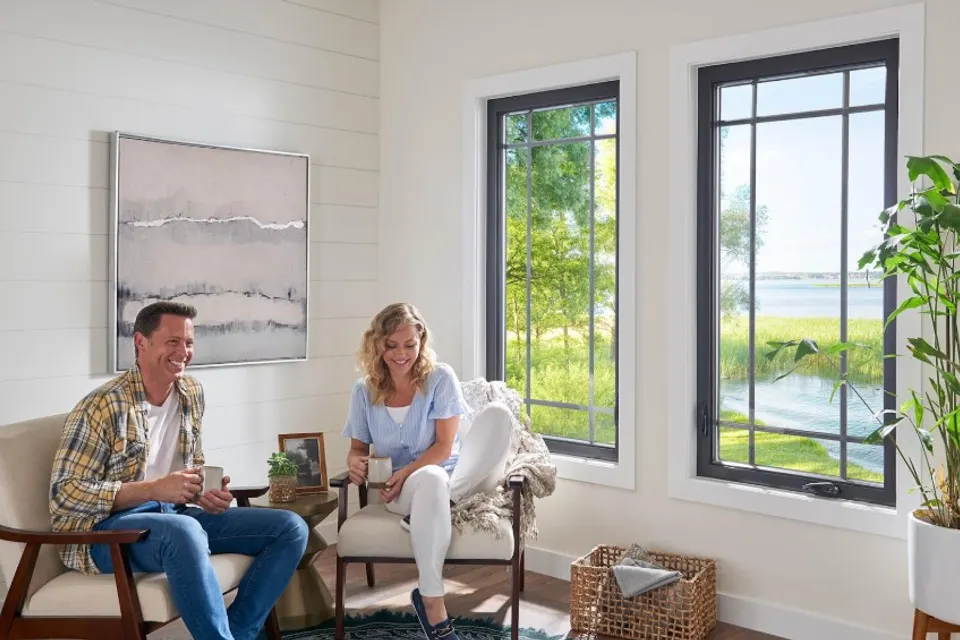
Casement windows are a favorite in modern interiors because they suit clean architecture and bring in generous daylight. They also come with design constraints that standard sliders don’t. The sash swings outward, the crank and lock hardware need clearance, and screens are often part of daily life in warm months. Decorating around these details is where many homes either look polished or feel slightly “off,” with curtains that snag, plants that block operation, or furniture that turns the window into a dead zone.
A well-planned window area does more than look good. It keeps airflow practical, protects trim and finishes, and makes the room feel intentionally designed instead of accidentally filled. The ideas below focus on styling that respects how casement windows work while keeping a modern home’s lines crisp and current.
Start with function first: keep operation smooth and sightlines clean
Curtains and shades should never compete with a crank handle. Hardware needs room to turn, and the sash needs a clear route to open fully. That’s why inside-mount options tend to perform best around casements in modern homes. The goal is a treatment that sits cleanly within the frame, stays out of the way, and still provides light control.
During planning, a glance at options like casement windows Ottawa can help clarify typical casement details such as crank placement and sealing design. That reference makes it easier to choose window treatments that won’t interfere with daily operation. Buildmart’s casement page is also useful for understanding what “tight seal” design often looks like in newer units, which affects how trim lines and shade mounts can be kept clean.
Skip bulky layers where handles and locks need room
Modern rooms often look best when window treatments are streamlined. Thick, layered curtains can still work, but they need to be planned so they stack away from the opening and don’t rest on the crank area. When the window is used often, low-profile shades paired with minimal side panels usually keep the space calmer and more functional.
A practical rule: if the hardware is used daily, the treatment should feel invisible during operation. That keeps the room from becoming a constant adjustment project.
Use modern window treatments that look sleek and stay practical
Roller shades match modern interiors because they vanish when raised and look sleek when lowered. Solar shades are ideal for reducing harsh light while keeping the room bright, making them a smart fit for home offices, TV areas, and rooms that get strong afternoon sun from the south or west. For a built-in look, choose a shade with a slim fascia or cassette to create a neat top edge without adding bulk. An inside-mount install keeps trim lines sharp.
Drapery can work with casement windows when it frames the opening instead of crowding it. Mount the rod wider than the window so panels stack on the wall and the sash can open freely. Structured styles like pinch-pleat or ripple-fold suit contemporary spaces. Floor-length panels also add height and polish, even on average-sized windows.
Build a “window zone” with furniture that fits the opening
A window area becomes useful when furniture respects the opening’s geometry. Low benches and slim consoles can create a finished “zone” under a casement window without blocking operation. The key is depth and spacing. Pieces that sit too tall or too close can make it hard to reach the crank and screen.
A good modern approach is a narrow bench paired with a small side table instead of a deep chair pressed into the corner. This keeps circulation open and preserves access to the window. If the window opens above the piece, leave enough clearance for hands and hardware.
Plants and styling pieces that handle airflow and sun
Plants can elevate a window wall, but they should be chosen and placed with real use in mind. A cluster of pots directly in front of the crank becomes annoying fast. A better approach is grouping plants on a tray or riser placed off to one side, leaving the operating area clear.
Sun exposure should guide selection. Bright windows can support thriving greenery, but heat and dry winter air may require more resilient varieties. Moisture-safe trays also protect painted sills and wood surfaces from rings and staining.
Upgrade the surrounding details for a high-end finish
Modern rooms show details. Slightly uneven caulk lines and inconsistent paint edges stand out more when the look is minimal. A window refresh is a perfect moment to bring trim into alignment visually: sharp corners, straight paint lines, and a consistent sheen.
A subtle satin finish on trim often performs well because it wipes clean and reflects light softly. Flat finishes can look great too, but they show scuffs and fingerprints more easily, especially in high-touch areas near cranks and locks. Clean transitions also help the window feel “built-in” rather than added later.
Hardware, screens, and accents that feel intentional
Casement hardware is visible, so it can be treated like a design element instead of an afterthought. Coordinating finishes with nearby elements – such as cabinet pulls in a kitchen or faucet finishes in a nearby wet area – can make the room feel cohesive.
Screens matter visually as well. A clean, tight screen reads modern. A bowed or dusty one makes the whole window wall feel less finished. Regular screen cleaning and a check for sagging corners can keep the window area looking crisp.
Buildmart is a useful reference here because its casement window options highlight how modern units integrate sealing and hardware. That context helps homeowners match treatment choices and trim details to the style of the window itself.
Make it feel finished: lighting, layering, and a cohesive look
A well-styled window area should look good after sunset too. Floor lamps or slim sconces near the window create a balanced glow that keeps the space from turning into a dark corner. In bedrooms, a wall-mounted sconce frees up nightstand space and keeps the window wall visually lighter.
Light placement can also reduce glare on screens by providing softer ambient light in the room. This works especially well in home offices set near a bright casement window.
A simple styling formula that repeats across rooms
Modern homes look more intentional when the same design logic repeats. That doesn’t mean everything matches. It means each window area follows the same “rules,” such as consistent hardware finishes, similar shade styles, and a repeated texture palette.
A helpful checklist for a modern casement window setup:
- Choose an inside-mount shade that clears the crank and lock hardware.
- Add panels only if they can stack fully off the opening.
- Keep furniture low-profile and leave access space for operation.
- Group plants and décor away from the crank zone.
- Maintain crisp trim lines with a durable paint sheen.
- Coordinate visible hardware finishes with nearby fixtures.
A window area that looks designed and works every day
Casement windows can be a design advantage in modern homes when the styling supports how they operate. The right treatments stay clear of hardware, the furniture creates a usable zone instead of a blocked corner, and the trim and accessories look deliberate in daylight and at night. With a bit of planning, the window wall becomes one of the most functional and visually satisfying parts of the room – not a spot that requires constant rearranging.