
The Newlywed’s Guide to Furnishing Your First Home Together

Moving into your first home as a married couple is one of life’s most exciting milestones. From choosing the right colour palette to hunting down the perfect sofas in a Perth store, the process of furnishing a shared space is as meaningful as it is fun. But without a plan, it can quickly become overwhelming. This guide walks newlyweds through everything they need to know to create a beautiful, functional home without the stress.

Start With a Shared Vision

Before purchasing a single piece of furniture, sit down together and talk about style preferences. Does one partner lean towards minimalist Scandi design while the other loves warm, rustic tones? Finding a middle ground early prevents costly regrets later. Create a shared mood board to pin rooms, colour schemes, and furniture pieces that appeal to both of you. 

Set a Realistic Budget

Money conversations are not always easy, but agreeing on a furnishing budget before hitting the shops can save a lot of stress. Break the budget down by room, prioritising the spaces used most, typically the living room and bedroom. 

A helpful tip: Allocate roughly 30–40% of the total budget to the living room, since it tends to be the most expensive to furnish properly. Consider setting aside a 10–15% buffer for unexpected costs like delivery fees, assembly charges, or last-minute accessories.

Define Your Shared Style

Blending two people’s tastes into one cohesive aesthetic takes communication. Start by browsing home decor platforms together, saving images that resonate with both of you.

Common styles that suit modern homes include:

  • Coastal/Hamptons: Light timbers, white tones, and natural textures.
  • Scandi minimalism: Clean lines, neutral palettes, and functional pieces.
  • Warm contemporary: Earthy tones, mixed materials, and statement furniture.
  • Boho eclectic: Layered textures, bold prints, and collected pieces over time.

Once a shared direction is identified, shopping becomes far more focused and decisive.

Prioritise the Living Room 

The living room is where couples spend the most time together, entertain guests, and unwind after long days. Getting it right matters.

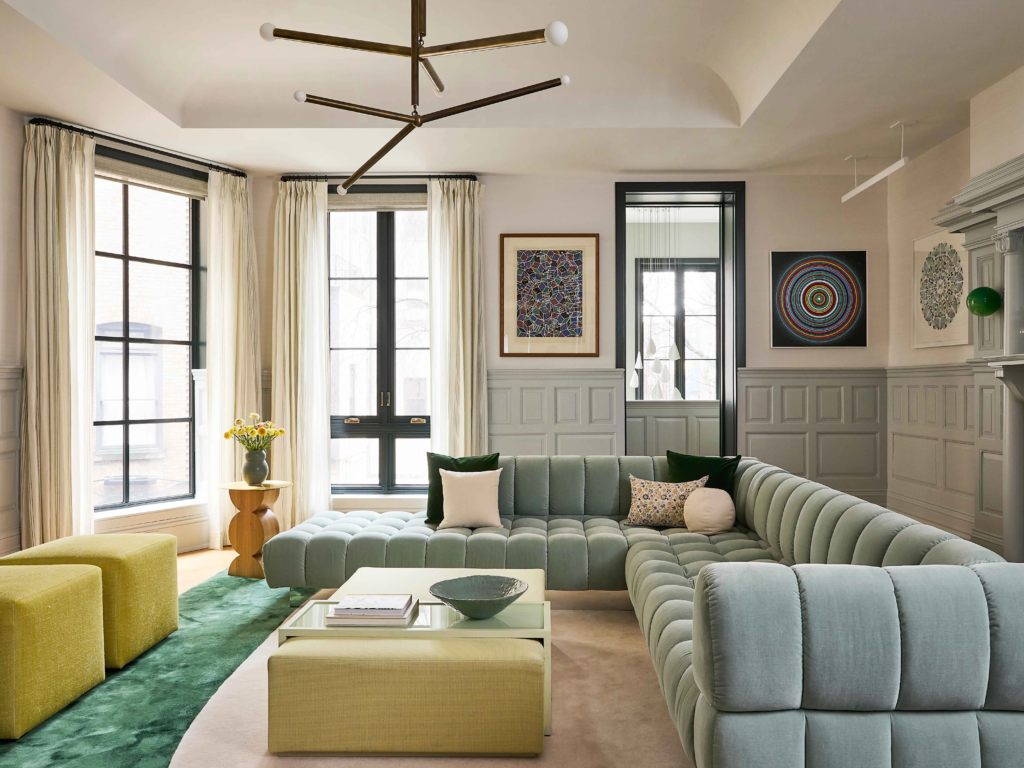
The sofa is the anchor piece of the space. Choose one that suits both lifestyle and the scale of the room. A generous L-shaped sofa works well for open-plan layouts, while a classic three-seater suits smaller spaces. Look for durable, stain-resistant fabrics if pets or children are on the horizon.

Pairing the sofa with the right coffee table is equally important. From solid timber to glass-topped designs and rattan alternatives, a well-chosen coffee table balances the proportions of the sofa while adding visual interest to the room. Round tables work particularly well in smaller living rooms because they eliminate sharp corners and improve traffic flow.

Complete the living room with a media unit, side tables, and adequate lighting to create warmth and versatility.

Don’t Neglect the Bedroom 

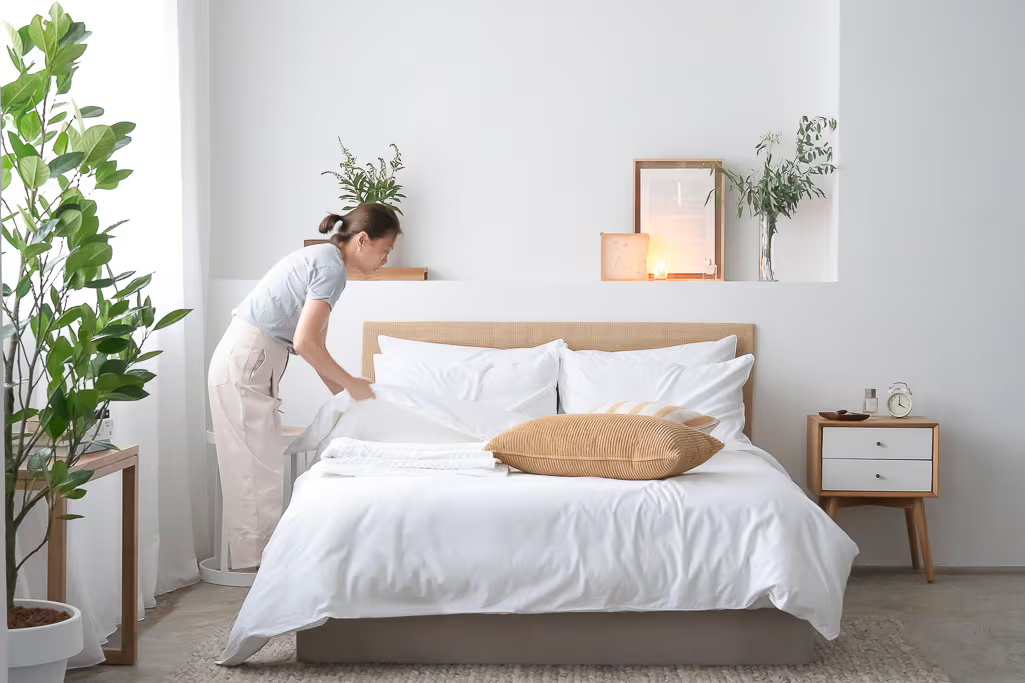
The bedroom should feel like a retreat. Invest in a quality bed frame and mattress first (this is not the area to cut corners). Once the foundation is set, layer in bedside tables, a dresser, and soft furnishings that reflect the shared style.

Matching bedside tables create symmetry, while a statement bedhead adds personality without requiring a full renovation.

Focus on Long-Term Comfort and Functionality 

It’s tempting to fill every room immediately, but living in a space for a few weeks before purchasing everything allows a much better feel for what’s actually needed. Avoid impulse buys that clutter a room without adding real value.

Choose classic, timeless pieces over fast-furniture trends. Quality items that last for years are far more cost-effective and environmentally responsible than replacing cheaper items every few years. 

Add Personality With Soft Furnishings

Once the big-ticket items are in place, soft furnishings are where personality really shines. Cushions, throws, floor rugs, curtains, and artwork breathe life into a space and make it feel like a true home rather than a showroom.

A well-chosen rug can define zones in an open-plan living area and add warmth underfoot. Layer textures wherever possible: linen cushions on a velvet sofa, a jute rug under a timber coffee table, or sheer curtains paired with blockout blinds.

Frequently Asked Questions

How long does it take to fully furnish a first home?

Most homes take several months to a year to feel complete. Many couples furnish in phases based on budget and priorities.

How can different design tastes be combined?

A neutral base palette paired with mixed textures and selective accent pieces helps merge different styles smoothly.

Is it better to buy furniture all at once or gradually?

Gradual furnishing is often more practical, allowing time to understand space needs and personal preferences.

How can budgeting disagreements be avoided?

Setting a shared budget early and dividing spending into categories helps keep expectations aligned and transparent.

What is the biggest mistake when furnishing a first home?

Rushing purchases without a plan is the most common mistake. This often leads to mismatched styles, poor use of space, and unnecessary spending on items that do not suit long-term needs.

Why Cedar Remains Popular for Outdoor Timber Structures

Timber Structures

The Enduring Appeal of Natural Outdoor Timber

Outdoor living spaces have become one of the most important extensions of residential architecture. Covered porches, pergolas, pavilions, and outdoor kitchens are no longer treated as secondary additions to the home. Instead, they are carefully designed environments intended to create comfort, visual warmth, and long-term durability throughout changing seasons. The materials selected for these spaces directly influence not only structural performance but also the overall architectural identity of the property.

Among the many wood species available for exterior construction, cedar continues to stand apart because of its balance between structural reliability and natural beauty. Homeowners, architects, and builders consistently choose cedar for exposed framing systems because it introduces authentic wood texture while resisting many of the environmental issues that challenge outdoor structures over time.

Why Outdoor Structures Demand Durable Materials

Exterior framing systems face significantly harsher conditions than interior construction. Constant exposure to sunlight, rain, seasonal humidity, and fluctuating temperatures places ongoing stress on outdoor support systems. Materials that perform adequately indoors may deteriorate rapidly when exposed to weather conditions year after year.

This is one reason cedar has remained highly respected in outdoor construction. Its natural oils and dense grain structure help resist moisture absorption, insect activity, and weather-related expansion more effectively than many other wood species. Cedar also maintains its visual character over time, developing a softer weathered appearance rather than simply deteriorating or losing structural integrity.

How Cedar Framing Strengthens Outdoor Architecture

What Cedar Timber Element Supports Outdoor Structures and Porches?

Outdoor structures rely on durable framing materials because exposed supports must handle moisture, temperature changes, direct sunlight, and long-term structural loading throughout every season. Standard synthetic columns and pressure-treated materials often lack the natural texture and architectural warmth that homeowners want in covered porches, pergolas, pavilions, and outdoor living areas. Designers frequently introduce exposed cedar framing to combine structural support with visible natural wood character across the exterior environment.

Many residential and custom-construction projects use outdoor cedar posts to provide that structural support while reinforcing the appearance of authentic timber architecture. Cedar timber construction offers natural resistance to moisture, insects, and weather exposure while introducing visible grain variation and warm color tones that synthetic materials cannot replicate convincingly. Timber fabricators also customize post dimensions, edge profiles, finishes, and joinery details so the exposed support integrates cleanly with surrounding beams, rafters, brackets, and exterior trim systems. That custom fabrication becomes especially important in rustic homes, craftsman porches, timber pergolas, and outdoor gathering spaces where exposed wood detailing defines the visual identity of the structure.

The combination of structural durability and natural timber aesthetics makes cedar support systems common in covered entryways, outdoor kitchens, pavilion roofs, wraparound porches, and large residential landscape projects. Builders improve long-term exterior performance without sacrificing the warmth and texture associated with real wood construction. Custom timber manufacturing also allows exposed cedar framing to coordinate cleanly with matching shutters, brackets, beams, and roof accents across the entire property.

Why Cedar Creates Stronger Architectural Warmth

Natural cedar introduces visual warmth that synthetic alternatives often fail to replicate convincingly. Its grain patterns, subtle color shifts, and organic texture help outdoor structures feel more inviting and architecturally grounded. Cedar framing also ages gracefully, developing character over time instead of appearing worn or artificially faded.

Visible Timber Texture Enhances Outdoor Spaces

Outdoor environments benefit from layered natural textures because they soften the transition between the home and surrounding landscape. Exposed cedar posts create stronger vertical definition within porches and pergolas while helping roof systems feel visually anchored. Combined with stone, brick, or metal accents, cedar framing contributes to a more balanced and cohesive architectural composition.

Interior and exterior wood surfaces also influence each other visually, particularly in homes with large open doorways or connected outdoor living spaces. Many homeowners coordinate exterior cedar framing with warm hardwood finishes indoors to maintain continuity throughout the property. Discussions surrounding professional wood floor refinishing in Seattle homes reflect how natural wood surfaces continue shaping residential design preferences across both interior and exterior environments.

Customization Defines High-End Cedar Construction

One of the greatest advantages of exposed cedar framing is its adaptability across different architectural styles and structural applications. Timber fabricators frequently customize post dimensions, edge treatments, stain colors, and joinery details to ensure the framing system aligns naturally with surrounding architectural elements.

This level of customization becomes especially important in large residential projects where outdoor structures must coordinate with the home’s broader architectural language. Matching cedar posts with roof brackets, pergola beams, shutters, and trim systems creates stronger visual consistency while reinforcing the handcrafted character of the property.

Timber Construction Continues Expanding Beyond Traditional Design

The growing interest in exposed timber architecture extends well beyond residential porches and pergolas. Timber construction increasingly appears in modern sustainable building projects because of its strength, efficiency, and visual warmth. Cedar and other timber materials continue influencing contemporary architecture in both traditional and modern applications.

Recent discussions surrounding the growing use of timber expertise in outdoor structures demonstrate how natural wood construction remains closely connected to evolving residential and recreational design trends.

The Brand Influence of Cedar Timber Architecture

Exposed cedar framing has become strongly associated with premium outdoor architecture because it communicates craftsmanship, durability, and authenticity immediately. Unlike painted synthetic systems that often conceal structural materials, cedar framing celebrates the natural appearance of the wood itself. This authenticity creates stronger emotional warmth while reinforcing the handcrafted identity of the structure.

Architects and designers also value cedar because it works effectively across multiple design styles. Exposed cedar posts complement rustic homes, modern farmhouse architecture, craftsman porches, and contemporary outdoor living spaces equally well. Their versatility allows cedar framing systems to remain timeless despite changing exterior design trends.

Conclusion

Cedar remains popular for outdoor timber structures because it combines long-term durability with the warmth and texture associated with authentic natural wood architecture. Its resistance to moisture, insects, and weather exposure makes it particularly effective for exposed outdoor framing systems that must withstand changing environmental conditions year after year.

Beyond its structural performance, cedar contributes visual richness and architectural character that synthetic materials rarely achieve convincingly. Whether incorporated into covered porches, pergolas, outdoor kitchens, or pavilion roofs, exposed cedar framing helps create outdoor environments that feel substantial, handcrafted, and naturally connected to the surrounding landscape. As homeowners continue prioritizing authenticity and timeless design, cedar remains one of the most trusted materials shaping modern outdoor timber architecture.

Why Aluminum Welcome Signs Last Longer Outdoors

Welcome signs sit in one of the more punishing positions on any home. They mount near the front door, where direct sun, blowing rain, road dust, and seasonal temperature swings hit them constantly, and they need to look intentional every single time someone walks up the path. Most decorative signs sold for porch use are not built for that kind of exposure. They are built for the showroom photograph and the first six months on a wall. Past that, the failure modes show up: warped boards, peeling paint, faded lettering, rust streaks at the screw heads. Aluminum has quietly displaced most of the alternatives in this category, and the reasons are worth understanding before specifying signage for a contemporary entry.

The Outdoor Failure Modes That Matter

A welcome sign fails in predictable ways depending on what it is made of. Wooden signs absorb moisture, swell, dry, and split. The painted finish on top of the wood, however well applied, eventually cracks along those seams. Steel signs corrode at the fastener holes first, then bleed rust streaks down the wall surface beneath them. Standard plastic signs lose their UV stabilizers within a few seasons and turn brittle, yellowed, or chalky. Even high-end ceramic and stone signs can chip in freeze-thaw conditions or where the mounting hardware works loose over time.

None of these materials is unusable; they each have applications where their weaknesses are tolerable. But for a piece of porch hardware that needs to look architectural ten years after installation without ongoing maintenance, the candidate list narrows quickly. Aluminum has emerged as the practical winner because its failure modes are minor where other materials’ failures are dramatic.

Why Are Aluminum Welcome Signs Better for Modern Porches?

Outdoor porch decor remains exposed to sunlight, rain, wind, and humidity throughout the year, so material selection determines how long signage maintains its structure and appearance. Wood signs can warp after repeated moisture exposure, painted surfaces often peel under direct sunlight, and thin decorative materials frequently crack during seasonal temperature changes. Modern exterior styling also requires finishes that stay visually clean without demanding constant maintenance or repainting.

Many homeowners choose aluminum welcome signs because aluminum combines weather resistance, lightweight durability, and contemporary styling in a material designed for long-term outdoor use. Powder-coated finishes help the sign resist fading while preserving matte black, bronze, white, or brushed-metal color consistency across changing weather conditions. Aluminum also supports sharper lettering and cleaner geometric lines than heavily distressed decorative boards, which helps modern porches maintain a minimalist appearance.

Weight influences installation as much as durability. Aluminum signs mount securely on siding, brick, stucco, wood columns, and masonry surfaces without placing unnecessary strain on mounting hardware. Vertical aluminum signs create visual height beside narrow entryways, while horizontal layouts integrate naturally with benches, planters, and modern lighting fixtures. Consistent finishes across porch decor, exterior hardware, and entry signage strengthen curb appeal and create a more unified architectural presentation. That cohesion helps modern homes feel intentional instead of layered with unrelated decorative accessories.

The Corrosion Resistance Argument

Aluminum does not rust. That single property is responsible for most of its dominance in outdoor signage. When aluminum is exposed to air, it forms a thin protective oxide layer on its surface within minutes. This layer is dense, transparent, and self-healing — if it gets scratched or scuffed, the freshly exposed metal underneath oxidizes and restores the protection without any intervention. The practical result is that aluminum can sit outdoors for decades without showing the structural deterioration that affects steel and other ferrous metals.

Coastal and Humid Climates

In coastal environments, where salt air accelerates corrosion in nearly every other metal, aluminum’s resistance becomes even more valuable. Steel signs near the ocean often show rust streaks within a year, and even bronze and brass can develop heavy verdigris that some homeowners find inconsistent with a contemporary aesthetic. Aluminum holds its appearance with minimal intervention, which is why it dominates marine and coastal architectural specifications.

Cold Climates

Freeze-thaw cycles destroy more outdoor signage than any other weather condition. Water works into small cracks, expands as it freezes, and gradually breaks the substrate apart. Wood signs split. Painted surfaces lift. Plastic signs become brittle and fracture under the same stress. Aluminum’s surface does not absorb water, its thermal expansion is predictable, and its structural integrity does not change meaningfully across the temperature range any residential sign will encounter.

Powder Coating: The Finish That Earns Its Place

The aluminum substrate is only half the durability story. The finish applied to it determines how the sign looks day to day, and powder coating has become the standard for outdoor architectural aluminum. The process electrostatically applies a dry pigmented polymer to the metal surface and cures it under heat to form a hard, uniform coating that bonds chemically to the aluminum.

The result is meaningfully more durable than wet paint. Powder coatings resist chipping, cover the surface more uniformly, and hold their color significantly longer under UV exposure. Matte black powder coat, in particular, holds its tone across years of direct sun in a way that wet-painted black surfaces cannot match. Bronze, white, and brushed-metal finishes show the same stability. The coating is what allows a modern welcome sign to look the same five years after installation as it did the day it was mounted.

Lettering and Typographic Quality

Aluminum supports several lettering techniques that produce sharp, durable results. CNC engraving cuts text directly into the surface, exposing the bare metal underneath the powder coat to create high-contrast lettering that will not peel or fade. Cut-through lettering removes material entirely, allowing the wall behind the sign to show through — a technique that produces particularly striking results when the sign is mounted with standoffs and a porch sconce illuminates it from above.

Both approaches outperform applied vinyl, painted text, or attached letters on plastic and wood signs, where the lettering itself is usually the first point of failure. Engraved or cut-through aluminum essentially cannot fail short of physical damage to the sign substrate. That permanence is part of why aluminum has become standard for high-end residential porch signage.

Lightweight Construction and Installation

Aluminum’s low density produces practical installation benefits that solid metal signs in heavier materials cannot match. A bronze or steel sign large enough to read clearly from the entry path can weigh several pounds, which complicates mounting on stucco, fiber cement, or wood siding. Fasteners need to support real load, and over years the wall around the fasteners can show stress.

Aluminum sidesteps that problem entirely. Even larger signs typically weigh under two pounds, which means standard wall anchors handle the load comfortably and the sign can be float-mounted on hidden standoffs without concern about fastener pullout. The shadow line that floating installation produces — a half-inch of separation between sign and wall — is the detail that defines high-end contemporary porch signage, and aluminum’s weight makes it achievable across nearly any wall surface.

How Aluminum Signs Fit a Coordinated Porch

An aluminum welcome sign rarely stands alone. It sits within a porch composition that includes the door hardware, the sconces, the planters, and any seating or curbside elements visible from the entry. The sign’s finish should belong to the same family as the rest of those pieces. Matte black runs through the rest of the entry hardware, the sign should match. Brushed metal threads through the sconces and door pulls, the sign should pick that thread up. Introducing a new finish at the sign undermines the coordination the rest of the porch is trying to build. For homeowners thinking about how decor pieces fit into a unified design, this overview of home decoration ideas walks through the kind of coherent layering that elevates an entry from collected to composed.

Curb Appeal and Long-Term Value

A durable, well-coordinated welcome sign contributes to curb appeal in ways that extend beyond the porch itself. Real estate professionals consistently note that small exterior details — signage, address numerals, mailbox finish, lighting — shape the first impression of a home more than most homeowners realize. Real Simple compiled a useful set of curb appeal ideas that puts welcome signage in the broader context of small upgrades with disproportionate impact on how a home presents from the street.

A Note on Modern House Numbers

Modern House Numbers extends the same architectural focus that defines its address numeral catalog into welcome signs and porch lettering. The signs are produced from solid aluminum substrates, finished with weather-resistant powder coatings, and offered in the matte black, bronze, white, brushed-metal, and aluminum tones that map onto the most common modern entry palettes. Lettering is engraved or cut directly into the metal, and float-mount hardware produces the precise shadow lines associated with high-end exteriors. Sizing and orientation options accommodate both vertical column installations and horizontal porch placements. For homeowners specifying long-life signage as part of a coordinated modern porch, the catalog tends to deliver a closer fit than the distressed decorative boards stocked at general home goods retailers.

Final Thoughts

Aluminum’s place at the top of the outdoor signage category is not a marketing argument — it reflects real performance under conditions that defeat most alternative materials. Corrosion resistance, UV-stable powder coating, sharp engraved or cut-through lettering, light weight that supports clean float-mount installation, and finish options that map onto modern architectural palettes are properties that allow a sign to look intentional five and ten years after installation. Other materials work in narrower circumstances, but aluminum handles the full range of climates, wall surfaces, and design conditions that residential porch signage actually faces. For a piece of decor that lives at the entry and remains visible from the street every day of the year, that level of reliability is exactly the right baseline.

The Step-by-Step Process of Designing a High-End Residence

Designing a high-end residence is often described as a sequence—brief, concept, drawings, construction.

In reality, it’s a continuous process of refinement.

At Adoani Studio, we don’t move from one step to the next in isolation. Each phase informs the next, and often, we return to earlier decisions to improve clarity. The goal is not just to complete a design, but to resolve it properly.

Working in Koh Samui, where climate and landscape play a strong role, this process becomes even more sensitive. Every decision—whether spatial, material, or technical—has a direct impact on how the house will be experienced over time.

1. Understanding the Client, the Site, and the Intention

Before we draw anything, we focus on understanding three things:

  • How the client lives
  • What the site offers
  • What the project is trying to achieve

This stage is less about collecting requirements and more about identifying direction.

We discuss:

  • Daily routines and lifestyle
  • Preferences for openness or privacy
  • Expectations in terms of atmosphere

At the same time, we study the site carefully:

  • Sun orientation throughout the day
  • Prevailing wind directions
  • Views, surroundings, and topography

As a Koh Samui architect, these factors are not secondary. They shape the foundation of the project.

If this stage is rushed, the rest of the process becomes reactive instead of intentional.

2. Establishing a Clear Design Direction

Once we understand the context, we begin defining the overall direction.

This is not a finished concept. It’s more about setting the logic of the project.

We start asking:

  • Should the house open outward or remain more controlled?
  • Where should the main living spaces be positioned?
  • How should private and public areas be separated?

At this stage, we are not designing details. We are defining relationships.

This is where the identity of the project begins—not visually, but spatially.

3. Concept Design: Giving Form to Ideas

In the concept phase, ideas start to take shape.

We translate initial thinking into:

  • Layouts
  • Volumes
  • Spatial arrangements

At this point, we focus on:

  • How spaces connect
  • How circulation flows
  • How light enters the building

For example:

  • Should the living space sit at the center or open toward one edge?
  • How do bedrooms maintain privacy while still feeling connected to the environment?
  • Where should transitions between indoor and outdoor spaces occur?

We don’t separate architecture and interiors here. Even in early layouts, we consider how spaces will feel—not just how they are arranged.

4. Refining Space, Proportion, and Movement

Once the concept is clear, we begin refining it.

This is where the design becomes more precise.

We adjust:

  • Dimensions of rooms
  • Proportions of spaces
  • Relationships between areas

Small changes at this stage can significantly affect how a space is experienced.

For example:

  • Increasing ceiling height can make a space feel more open
  • Narrowing a passage can create a sense of transition
  • Adjusting an opening can improve both light and airflow

We continuously evaluate:

  • Does the space feel balanced?
  • Is the transition between areas natural?
  • Does the layout support how the house will be used?

This stage requires patience. It’s where clarity is achieved through refinement.

5. Integrating Climate Into the Design

In tropical environments, climate is not something we address later—it is integrated into the design from the beginning.

We refine:

  • Shading strategies to control sunlight
  • Ventilation paths to allow natural airflow
  • Orientation of spaces to reduce heat gain

Openings are carefully positioned—not just for views, but for performance.

Roof overhangs are designed to:

  • Provide shade
  • Protect from rain
  • Extend usable outdoor areas

This stage ensures that the house remains comfortable throughout the day, without relying entirely on mechanical systems.

6. Defining Materials and Their Relationships

Material selection is not about choosing finishes at the end.

It is part of the architectural process.

We focus on:

  • How materials interact with light
  • How they age over time
  • How they connect at junctions

Rather than using many materials, we work with a restrained palette and refine how they are combined.

For example:

  • A continuous material can create flow between spaces
  • A change in texture can define different zones
  • Natural materials can soften or ground a space

The goal is not visual complexity, but depth and consistency.

7. Technical Development and Documentation

Once the design is fully resolved, we translate it into detailed drawings.

This includes:

  • Architectural plans and sections
  • Construction details
  • Coordination with structural and technical consultants

At this stage, precision is critical.

Every element must be clearly defined so that the design can be built accurately.

A well-designed project can lose its quality if it is not properly documented.

8. Working Closely During Construction

The design process does not end with drawings.

During construction, we stay involved to ensure that the design intent is maintained.

We work with:

  • Contractors
  • Engineers
  • Site teams

We review:

  • Material samples
  • On-site mock-ups
  • Construction progress

This allows us to:

  • Resolve details as they are built
  • Adjust where necessary
  • Maintain consistency with the original design vision

9. Interior Integration as Part of the Whole

At Adoani Studio, interiors are not treated as a separate layer added at the end.

They are part of the same system.

We focus on:

  • How furniture relates to the architecture
  • How lighting enhances space
  • How materials continue from exterior to interior

This creates a cohesive environment where nothing feels disconnected.

The goal is not to decorate the space, but to complete it.

10. Final Review: Experiencing the Space

Before completion, we review the project as a whole.

We move through the space and evaluate:

  • How it feels to walk through it
  • How light changes during the day
  • How spaces connect and flow

This is where everything comes together.

A successful house should feel:

  • Natural
  • Balanced
  • Effortless

Not because it is simple, but because it has been carefully resolved.

Final Thoughts

Designing a high-end residence is not about following a fixed sequence of steps.

It is about maintaining clarity throughout a complex process.

At Adoani Studio, our approach remains consistent:

  • Understand the context
  • Define a clear direction
  • Refine continuously
  • Avoid unnecessary complexity

Because in the end, good architecture is not defined by how much is added.

It is defined by how well everything works together.

If You’re Planning a Residence in Koh Samui

Designing in a tropical environment requires more than visual inspiration.

It requires:

  • Understanding of climate
  • Sensitivity to space
  • Integration of architecture and interiors

Working with a Koh Samui architect who approaches design in this way ensures that the final result is not only visually refined but also comfortable, functional, and lasting.

Creating a Dedicated Pet Corner: Design Ideas for Dogs and Cats

Every home has a story to tell — and if you share your home with a furry friend, their story should be a part of it. Creating a pet corner in your home is one of the best upgrades for pet owners. It provides your dog or cat with a spot that is truly theirs in the house while keeping the rest of the house looking great and styled.

You don’t have to sprout out a pet store in your living room to create such a spot. In fact, it can be an excellent extension of your decor in your home.

Why Your Pet Deserves a Dedicated Space

Pets are creatures of habit. Whether it’s dogs or cats, all creatures have a spot that belongs to them. Providing your pet with a designated corner will reduce anxiety, minimize clutter, and allow you to have more control over where the pet hair and mess accumulates in the house.

Additionally, a well-thought-out pet corner can make your home feature a pet corner that is appealing and appropriate for your home – instead of an eyesore that you must apologize for in your own home.

pet, cat

Step 1: Choose the Right Location

The best pet corners are tucked into spaces that feel natural for your home’s layout:

  • Under the stairs — a favourite for dogs, this nook provides shelter and warmth without taking up primary floor space.
  • A living room corner — easy for monitoring pets while still socialising, and ideal for social breeds who want to be near the action.
  • A bedroom alcove — great for cats who prefer a quieter spot with a view.
  • The laundry or utility room — practical for litter trays, feeding stations, and grooming supplies.

Consider your pet’s personality. Some breeds will want to be with you, while others may want some semblance of privacy. Especially with cats, they usually prefer to be in elevated spots within the home.

Step 2: Invest in a Bed or Nest That Matches Your Decor

The days of the bright-orange foam dog bed are over. Instead, in 2026, dogs will enjoy beds that match the decor of the homes in which they live.

Look for:

  • Neutral tones (warm whites, oatmeal, slate, terracotta) that complement your existing palette
  • Natural materials like linen, cotton canvas, and wool
  • Structured shapes — bolster beds, cave beds, and elevated loungers have a far more elevated aesthetic than traditional flat mats

For cats, consider a sleeping shelf you can mount on a wall or a pod that doubles as a sculptural element on a bookshelf.

Step 3: Don’t Forget Accessibility — Especially for Smaller Breeds

Design isn’t just about looks. It’s about function, and for pets that’s especially true when it comes to accessibility.

Small dog breeds, older dogs, and dogs with joint conditions often struggle to jump onto sofas, beds, or elevated pet furniture. This is particularly important if you’re considering a breed like a sausage dog (Dachshund), whoselong spines make them especially vulnerable to back injuries from repeated jumping.

A pet ramp is one of the most practical additions to any pet corner. Rather than allowing your dog to leap on and off furniture throughout the day, a ramp provides a gentle, safe incline they can use independently. Modern pet ramps come in:

  • Wooden ramps with carpet runners — warm, stylish, and non-slip
  • Upholstered ramps — fabric-covered designs that coordinate with your sofa or bed
  • Foldable ramps — tuck them away when guests arrive

Step 4: Create a Feeding Station That Looks the Part

Another quick way to elevate the look of the pet corner is to give the pet’s food and water bowls a proper home. Many ceramic and stainless steel bowls in earth tones are available for relatively low costs and will look infinitely better than plastic bowls. Place them alongside the pet products to elevate the look of the entire corner.

  • A feeding mat in natural jute, rubber, or linen that anchors the station and protects your floor
  • A wooden or bamboo tray to corral the bowls and treat containers
  • A wicker or rattan storage basket nearby for food bags and supplies

Step 5: Organise the Toys Without the Chaos

Pet toys have a habit of taking over the entire house. A dedicated basket or bin in the pet corner of the room solves this issue instantly. Choose a seagrass basket, woven wicker container, or linen tote to coordinate with the room. Make it low enough for the pet to access and part of the design of the pet corner.

Cats may prefer vertical storage solutions. Choose a cat tree or shelf system to mount on the wall. There are numerous designs of cat trees made out of timber or featuring fabrics that coordinate with living room decor and look beautiful in these spaces.

Step 6: Add Personal Touches

A pet corner becomes truly special when it reflects the personality of your pet and your home:

  • A framed photo of your pet on the wall above their corner
  • A personalised name sign in a font that matches your home’s aesthetic (wooden laser-cut letters are a lovely touch)
  • A small plant nearbypet-safe varieties like spider plants, Boston ferns, or calatheas add life and softness to the corner
  • Soft lighting — a small lamp or LED strip nearby creates a warm, cosy glow that makes the space feel intentional rather than functional

Putting It All Together

A pet corner doesn’t have to be large or costly. It just has to be thoughtful in how it is designed. Choose the perfect location for your pet, add a beautiful bed, a ramp to include accessibility if necessary, and then the feeding area, toys and decor over time.

It will create a home that is complete – one that every member of the family, including the four-legged ones, has a space of their own.

7 Easy Ideas for Better Home Styling That Anyone Can Follow

Have you ever looked at your house & felt like anything is missing? It can feel strange when your space does not give you comfort. The best thing is, you don’t want a big budget or professional skills to add to it. Little & simple changes can create your house feel nice again.

In this blog, we will talk about easy ideas for home styling. These ideas are simple, clear, and useful in real life. You can read them one by one without any worries.

1. Safe Your Space Fresh & Open

home styling

The first step of good home styling is cleaning your space. When your room is clean, it already looks better. Dustin, extra things, & unused items can create your house feel heavy & uncomfortable.

Starting by removing items you don’t use each day. Save only those things that are helpful & bring you happiness. When your space has less clutter, it feels bigger and more peaceful. Even a small room can look wide if it is clean and well arranged.

This simple habit is also part of home upgrades mintpalment. Everyone does not always want new items or expensive decorations. Just organizing your space in a better way can change the full look of your home. Try to clean one small area daily. Slowly, your whole home will feel fresh and light.

2. Choose Soft and Simple Colors

home styling

Shades play the best role in home styling. The shades you select can change how your space feels. Light colors like white, pink, grey, as well as pastel colors make your room look beautiful & nice.

When walls are light in color, they reflect more light. This creates your space feeling bigger & extra open. Dark colors can also look nice, but they should be used in small amounts, like in cushions, rugs, or wall art.

If you are confused about color choice, think about what is the most important thing in interior design mintpalment. The answer is balance. Your colors should match each other and create a peaceful feeling. Do not mix too many strong colors. Keep it simple and easy on the eyes so your home feels relaxing.

3. Use Natural Light as Much as You Can

home styling

Light is the key of the most powerful devices in home styling. Natural lights create your house look beautiful, nice, & alive. Open your window through the day & let sun lightning come inside.

A bright room always feels more positive. It also helps you feel active and happy. If any curtains are covered as well as blocked, try to save them open as much as possible.

If your home does not get enough sunlight, you can use warm lights. Soft yellow lights give a cozy and comfortable feel. Avoid very harsh white lights because they can feel cold.

This simple step is often shared in home upgrading advice mintpalment because it is easy and free. Good lighting can completely change how your home looks without spending money.

4. Add Plants for a Fresh Look

home styling

Plants are a beautiful and natural way to improve your home styling. They bring life into your home and make it feel fresh. Even one small plant can change the mood of your room.

You can place plants on a table, near a window, or in a corner. If you do not have much time, choose easy plants that need less care. Green color also gives a calm feeling and connects your home with nature.

Trees are nothing but beauty. They also assist clean the air & make your environment perfect. This is why many people follow this tip in home upgrading advice mintpalment.

You do not need expensive pots. Simple containers can also look nice if placed well. Keep it natural and simple.

5. Choose the Right Furniture Size

home styling

Furniture is an important part of home styling. The measurements of your furniture must fit your space. If your furniture is too big, your room will feel tight. If it is too small, your space may look empty.

Try to fix many open areas around your furniture. This creates a simple walk & offers a clean appearance. Do not push everything against the wall. A little space can make your room feel more balanced.

Smart choices like those seen in mintpaldecor ideas focus on comfort and space. Always think before buying furniture. Ask yourself if it fits well and if you really need it.

Good furniture placement can make your home look organized without adding extra items.

6. Add Personal Touch to Your Space

home styling

Your home should show your personality. This is a very special part of home styling. Add things that you love and enjoy seeing every day.

You can use family photos, simple artwork, or handmade items. This little information makes your house feel relax & welcoming. When you look around and see things you like, it brings happiness.

This idea connects strongly with home upgrading mintpalment. Your house is not only a space to live. It is your comfort zone. So make it personal.

Don’t copy other people too much. Fashion comes & goes, however your comfortable matters mostly. Choose what feels right for you and your family.

7. Keep Decorations Simple

home styling

One of the best rules of home styling is to keep things simple. Many decor can create your house look nice & crowded.

Instead of adding many small items, choose a few good pieces. For example, one nice wall frame or one stylish lamp can be enough. When items have space around them, they stand out more.

Simple decoration also makes cleaning easier. Your home feels light and peaceful. This style never gets old and always looks good.

Always remember, less is more. A simple home often feels more beautiful than a crowded one.

Why Simple Home Styling Works Best

home styling

Simple home styling works because it is easy to manage. It saved Time, cash, & effort. You don’t need stressed whenever your house is beautiful & well set.

Experts always suggest keeping things simple. When your space is calm, your mind also feels relaxed. You don’t want to follow each new styles. Just focusing on comfort & balance.

Final Thoughts

home styling

Good home styling is not about spending a lot of money. It is about making smart and simple choices. Clean your space, choose soft colors, use natural light, and keep your decor simple.

When your home feels right, your mood also improves. Take small steps every day, and slowly your home will become a place you truly enjoy.

Why TumblRugs Washable Rugs Are Perfect for Large Living Spaces

Rugs

Introduction to the Large Rugs Are Essential for a Contemporary Home

When it comes to designing and decorating a contemporary home, large rugs are an essential element that should not be overlooked. They not only add warmth and comfort to a living space but also tie together the overall aesthetic of the room. However, traditional large rugs come with their own set of problems, such as difficult maintenance and cleaning processes, limited design options, and non-sustainable materials. This is where TumblRugs washable rugs come in as the perfect solution for large living spaces.

The Problem With Traditional Large Rugs 

Traditional large rugs often require professional cleaning services or extensive at-home care routines, which can be time-consuming and costly. Additionally, these rugs may not be able to withstand heavy foot traffic or regular wear-and-tear, resulting in frequent replacements that can add up in expenses over time. Moreover, traditional rug materials such as wool or silk are not environmentally friendly due to their production process and use of chemicals.

Benefits of Tumblrugs Washable Rugs for Large Living Spaces

  • Easy Maintenance and Cleaning Process: TumblRugs washable rugs are specifically designed for hassle-free maintenance and cleaning. Made from premium quality synthetic fibers that are stain-resistant and machine-washable, these rugs make it easy to keep your living space looking fresh and clean without any extra effort.
  • Durable and Long-lasting Material: Unlike traditional rugs that may need replacing after a few years due to wear-and-tear, TumblRugs washable rugs are made from durable materials that can withstand high foot traffic without losing their shape or color. This makes them a cost-effective investment in the long run.
  • Versatility in Design Options: With TumblRugs washable rugs, you have endless design options to choose from. Whether you want a bold statement piece or a subtle neutral rug, there is something for every style and preference. Plus, these rugs come in a variety of sizes, including large options, making them perfect for any living space.
  • Eco-friendly and Sustainable Choice: TumblRugs washable rugs are made from sustainable materials that are free from harmful chemicals and toxins. By choosing these rugs for your large living space, you not only contribute to a healthier environment but also support ethical manufacturing practices.

TumblRugs machine-washable rugs offer the perfect solution for large living spaces in terms of easy maintenance and cleaning processes, durability, design versatility, and sustainability. They not only enhance the aesthetic appeal of your home but also provide practicality and convenience in your everyday life. Upgrade your contemporary home with TumblRugs washable rugs today.

Tips for Choosing the Right Size and Style of Large Rug for Your Space

When it comes to decorating your living space, choosing the right size and style of rug is crucial. Not only does it add warmth and texture to the room, but it also helps tie all the elements together for a cohesive look. However, with so many options available, it can be overwhelming to decide which rug is best suited for your space. In this section, we’ll provide some helpful tips for selecting the perfect rug size and style for your living space.

  • Consider the Size of Your Room: The first step in choosing a rug is determining the size that will work best in your room. Measure the dimensions of your living space and take into account any furniture or other items that will be placed on top of the rug. As a general rule, leaving at least 18 inches of bare floor around the edges of the room is recommended for an uncluttered look.
  • Think About Functionality: In addition to aesthetics, think about how you will use the space when deciding on a rug size. If you have children or pets who spend a lot of time playing on the floor, you may want to consider a larger size to accommodate their activities comfortably.
  • Use Multiple Rugs for Larger Spaces: If you have a large living room with multiple seating areas or an open-concept layout, using multiple rugs can help define each area while still creating a cohesive look. Just make sure there is enough overlap between rugs to create a seamless transition between them.
  • Choose a Style That Complements Your Décor: The style of your rug should complement your existing décor rather than clash with it. If you have bold patterns and colors in your furniture or walls, opt for a solid-colored rug as an anchor point in the room. Alternatively, if your furniture has neutral tones or textures, consider adding visual interest with a patterned or textured rug.
  • Consider Washability: In high-traffic areas such as the living room, spills and stains are inevitable. That’s why choosing a washable rug is a practical solution for keeping your space looking clean and fresh. TumblRugs offers a wide range of machine-washable rugs that make cleaning up messes a breeze.

When choosing the right size and style of large rugs for contemporary homes, it’s important to consider both functionality and aesthetics. By following these tips and taking advantage of TumblRugs’ washable options, you can find the perfect rug to enhance your large living space with minimal maintenance.

Conclusion

TumblRugs washable rugs are the perfect solution for large living spaces. With their easy maintenance and durable materials, these rugs provide comfort and style without compromising on practicality. From design options to size choices, there is a TumblRug to fit every space and personal taste. Say goodbye to traditional rug cleaning methods and hello to hassle-free decorating with TumblRugs. Upgrade your home today with one of our washable rugs and experience the convenience it brings to your everyday life.

Why Mini Diamond Canvas Kits Are Perfect for Quick and Relaxing Craft Projects

If you love crafting but don’t always have the time (or energy) for a long, multi week project, you’re not alone. Between busy schedules, work, family, and everything else life throws at us, it can feel hard to commit to something large. That’s exactly why Mini Diamond Canvas Kits have become such a popular choice for crafters of all skill levels.

At Dreamer Designs, mini diamond painting is not merely a hobby; it is an easy, fulfilling way to relax, to make something beautiful, and to have a relaxing time that one can enjoy without taking hours or spending free time. Mini kits are the ideal combination of fun, creativity, and convenience, regardless of whether you are a first time diamond painter or obsessed with it.

Let’s explore why mini diamond canvas kits are truly ideal for quick and relaxing craft projects and why so many people are choosing them as their go to stress free activity.

READ THIS ALSO: BOKEPINDO

1. Mini Kits Give You That “Finished Project” Feeling Fast

The feeling of achievement on completion of something is one of the best aspects of crafting. However, to tell the truth, it may take days or even weeks to paint larger canvases with diamonds.

With Mini Diamond Painting Kits, you can often complete a full piece in just a few sessions, sometimes even in a single afternoon. That fast victory is very satisfying, particularly when you need a creative win.

Mini projects are perfect when you want something you can start and finish without feeling like you’ve signed a contract with your craft table.

2. A Perfect Stress-Relief Craft

Diamond painting is commonly recognized to be soothing and meditative. The mechanical nature of putting the drills together, the glitter of the picture being created, and the conscious attention involved can be nearly like mindfulness.

The difference between Mini Diamond Canvas Kits is that you will have all the relaxing advantages of diamond painting, but in a smaller, less daunting version.

Best Mini Diamond Painting Kits suits in:

  • A relaxing evening activity
  • A weekend “reset” hobby
  • A quick mental break after work
  • A calming craft for anxiety or stress
  • A creative boost when you feel burnt out

You do not have to worry about a massive unfinished canvas staring at you, as the entire experience is a little lighter and more enjoyable.

3. Mini Diamond Canvas Kits Are Great for Beginners

Miniature canvases are the ideal place to start out on in case you have ever fancied diamond painting but were intimidated by the larger canvases. They’re easier to manage, quicker to complete, and let you learn the basics without pressure.

Dreamer Designs’ High Quality Mini Diamond Painting Kits are especially beginner friendly because the tools and materials are designed for a smooth experience meaning fewer frustrations and more fun.

Beginners love minis because they can:

  • Practice placing drills neatly
  • Learn how to organize colors
  • Try diamond painting without a huge time investment
  • Build confidence before tackling a larger canvas

In other words, mini kits are a low stress way to fall in love with the craft.

4. They’re Portable and Easy to Work On Anywhere

Large canvases may occupy all the space in your working area. Mini kits? They are small, uncomplicated, and can be installed even in a small area.

That is why Mini Diamond Painting Kits for Sale at Dreamer Designs are ideal in the persons who craft in:

  • Apartments
  • Dorm rooms
  • Shared family spaces
  • Small desks
  • Kitchen tables

They’re also portable, which means you can take them with you on trips, weekend getaways, or even have one on hand for those cozy nights in at the hotel.

Mini kits are essentially “diamond painting on the go,” and yes, it’s as much fun as it sounds.

5. A Budget-Friendly Way to Craft More Often

Sometimes, crafting can become costly, especially if you are interested in working with different designs. That is why Affordable Mini Diamond Painting Kits are a favorite among diamond painting enthusiasts.

Mini kits allow you to have more variety without having to break the bank. You can complete several mini designs in the time it would take to complete one large canvas, which is why mini kits are a good option for both beginners and experienced crafters.

Since Dreamer Designs is all about quality, you don’t have to settle for less just because you are working with a mini kit.

6. Small Canvas, Big Sparkle

But don’t be fooled by the “mini” in these kits there is still a huge wow factor to be had. The glitter of diamond drills and the texture of the finished canvas is just as enchanting in mini form.

Dreamer Designs is a brand that prides itself on attention to detail, and this is certainly the case with their mini kits. They are all designed to give you the feeling that you are having a high-end crafting experience, with great printing, bright colors, and drills that sparkle beautifully when they are in place.

This means that even if you only have 30 minutes to spare, you can still make some real progress and get that instant “sparkly dopamine” hit.

Ready to Try Mini Diamond Canvas Kits?

If you’re looking for a craft that’s relaxing, quick, satisfying, and easy to fit into your schedule, Mini Diamond Canvas Kits are a perfect choice. They’re ideal for beginners, experienced crafters, and anyone who wants stress free creativity without a huge time commitment.

Dreamer Designs offers a wonderful selection of mini kits that combine premium quality with fun, manageable designs. Explore the full collection at Dreamer Designs. Whether you want something calming for yourself or a thoughtful gift for someone else, mini diamond painting might just become your new favorite hobby.

Home Addition Designers: How to Match a New Addition to Your Existing Home’s Design Style

Home's Design Style
https://unsplash.com/photos/a-car-is-parked-in-front-of-a-house-hmlP-v0vJ5o

You want your new home addition to look like it always belonged there.

Every homeowner does. Few succeed.

Either your addition flows with the original architecture and design. Or you end up with a permanent eyesore.

Who wants that?

Choosing the right home addition designers can mean the difference between adding value to your home. And ruining its aesthetics.

Don’t worry, there’s good news…

It’s very possible to match any new addition to your home’s existing design style. You just have to break it down into simple elements.

From roofline and materials to windows and foundation. And you have to hire a killer team to execute.

Here’s what we’ll cover:

  • Why Design Continuity Is Important For Home Additions
  • How To Define Your Existing Home’s Design Style
  • 5x Elements To Match Your New Addition To Your Home’s Exterior
  • Match Your Home’s Interior Design
  • Finding The Right Home Addition Designers

Let’s jump in.

Why Design Continuity Is Important For Home Additions

Did you know that more homeowners are renovating rather than moving? According to Angi’s newest findings, 67% prefer upgrading their current home over relocation.

17% of homeowners are planning to build a new addition. Think things like in-law suites, bonus rooms and expanding for multi-generational living.

But here’s the problem.

Half of those additions look like they don’t belong. There’s nothing worse than a home addition that sticks out like a sore thumb.

That’s why working with qualified home addition contractors that understand design continuity is so important.

When home additions match the existing structural design, homeowners get something much more valuable than extra square footage.

They get home extensions that are virtually invisible. Let’s look at an example…

Imagine two families who build the same size addition on their home. Family #1 works with general contractors who don’t specialize in additions.

Family #2 works with home addition specialists that pride themselves on design continuity.

How do you think these two additions are going to look?

Additions that fail to match the existing home lower curb appeal and can even hurt resale value. You can literally lose money by having an “addition”.

When they blend in, home additions appear to be original to the home. That’s a million dollar difference.

How To Define Your Existing Home’s Design Style

If you want your new addition to match your existing home’s architecture, you first need to understand your current style.

Let’s review:

  • What is your home’s architectural design style? (Craftsman, colonial, mid-century modern, ranch etc.)
  • What exterior materials are currently being used? (Siding, brick, stone, stucco etc.)
  • What does your roofline look like? Pitch, shape and material.
  • What window style is used and how are they spaced?

These four factors are crucial when beginning your home addition project.

Your design team should document and analyze everything about your existing home’s exterior before jumping into the new design.

Don’t forget about the interior design elements either.

Again, match the flooring, trim work, ceiling heights, moulding profiles. Even the layout should follow the same design mentality.

Your addition needs to blend in with both the exterior and interior of your existing home.

5x Elements To Match Your New Addition To Your Home’s Exterior

Alright, let’s dive into the nitty-gritty.

These five aspects of home construction make or break your ability to match a new addition to your existing home.

They are:

  • Roofline
  • Exterior Materials
  • Window and Door Consistency
  • Interior Floor Planning and Finishes
  • Foundation and Structure

Match The Roofline

The first thing people see when they look at your home is the roof.

If your addition has a different roof style or pitch than the existing structure, everyone will know your home was “added onto”.

Here’s what you should plan to match:

  • Roof pitch angle
  • Roofing material and color
  • Ridge lines connect seamlessly

A bad roofline transition is the number 1 thing that gives away a home addition. Don’t let this be you.

Match Exterior Materials

This should seem obvious but you would be surprised at how many additions get this wrong.

Brick ages over time. The brick made thirty years ago may not come in the same shade you have on your home.

Trust your home addition designers to source materials that can either be colored to match or will naturally weather to your existing materials.

Use Similar Window and Door Styles

Windows and doors are the eyes of your home. They define its character.

Your new addition should utilize identical window style, sizing and spacing as the rest of your home. Including:

  • Frame material and color
  • Grid style (if applicable)
  • Window trim style
  • Correct proportional placement on the exterior wall

DO NOT mix window styles between your current home and new addition.

Match Your Home’s Interior Design

A few interior design elements have already been touched on. Like flooring and trim work.

Here are some others to pay attention to:

The spacing between your existing home and addition should feel like one unified space.

  • Ceiling heights should remain constant.
  • Light fixture styles should match.
  • Interior door styles should match.

When families walk out of their original home and into the new addition. They shouldn’t even notice they walked into a new room.

But they will notice if something is off.

Plan The Foundation And Structure Carefully

This is often overlooked by new homeowners but never by seasoned home addition designers.

The foundation your new addition sits on should take into consideration how the original home settled and graded.

If not, you may experience:

  • Uneven floors between your current home and addition
  • Cracks at the connection point
  • Water drainage issues

This magical union of old and new is where home addition designers and structural engineers really cook up something amazing.

Hire somebody who has done this dance before.

Finding The Right Home Addition Designers

You can have the best idea in the world for an addition that matches your existing home. But if you don’t have the right team to execute, it won’t happen.

When looking for home addition designers, look for the following traits:

  • Portfolio of past homes that have additions blending into existing homes
  • In-depth knowledge of the local building codes and residential styles
  • Take the time to document and analyze your existing home
  • Work with a qualified structural engineer when planning your addition

Home addition designers who spend significant amounts of time studying your existing property before jumping into design plans are the ones that will deliver jaw-dropping additions that blend seamlessly with your home.

Adding to your home is part art, and part science.

You have to account for every detail from the roof down to the interior finishes.

And if you rush into picking contractors without doing your research, you’ll end up with a mismatched addition.

Educate yourself on what it takes to match a home addition to your existing home’s design style.

Then hire the right professionals who have been there and done that before.

Pulling Your Design Together

Adding on to your home doesn’t have to be an afterthought. In fact it shouldn’t be.

You live in your home every day. Don’t ever settle for an addition that looks like it was haphazardly thrown together.

Take your time, understand your existing home’s design language and find professionals who will help make your dream home addition come to life.

It should look like it was always meant to be there.

And when you follow all the steps in this guide, it will!

When Design Meets Reality: Bridging the Gap Through Fabrication Expertise

In construction and manufacturing, a design is only as good as its execution. Architects and engineers can dream up stunning, functional concepts, but turning those ideas into physical reality requires a skilled translation from drawings to durable, precise components. This is where fabrication expertise becomes essential. Transforming design intent into real-world performance, while managing the challenges that inevitably arise between imagination and implementation.

Understanding the Role of Fabrication

Fabrication is the art and science of shaping raw materials into finished components that meet detailed specifications. Whether it’s structural steel for a high-rise, custom metalwork for architectural features, or precision parts for industrial machinery, fabrication brings design to life. But the path from concept to material isn’t always straightforward. Designers think in idealized terms; fabricators must solve practical challenges such as material behavior, welding limitations, tolerances, and installation logistics.

Expert fabricators don’t just follow blueprints, they interpret them. That interpretation requires a deep understanding of how materials respond under stress, how fabrication methods impact performance, and what adjustments are necessary to maintain both design integrity and constructability.

Bridging the Gap With Technical Know-How

One of the biggest areas where fabrication expertise adds value is in technical problem-solving. Complex designs may call for non-standard shapes, tight tolerances, or multi-component assemblies that require careful sequencing. A seasoned fabricator anticipates issues such as thermal distortion during welding, fit-up challenges between components, or interferences that aren’t always evident on paper.

For example, some architectural metal panels may look stunning in renderings, but without precise planning for how they will join, support loads, and accommodate movement, they can be difficult to install. Skilled fabricators collaborate early in the process, suggesting adjustments that preserve design aesthetics while ensuring practicality and performance.

Leveraging Technology and Precision Tools

Modern fabrication facilities combine traditional craftsmanship with advanced technologies like CNC cutting, laser profiling, and robotic welding to achieve high precision and repeatability. These tools allow fabricators to produce complex parts with consistent quality, reduce material waste through optimized nesting, and maintain tight tolerances across large production runs.

By integrating digital fabrication into the workflow, fabricators ensure that the finished product aligns closely with design intent. This level of precision is especially critical when components must fit together seamlessly in the field, which minimizes rework and installation delays.

Collaboration Is Key

Effective collaboration between designers, engineers, and fabricators helps prevent costly last-minute changes. When fabricators are engaged early, they can provide feedback on constructability, material selection, and cost-effective alternatives.

This collaborative approach fosters innovation; for instance, by suggesting alternative joinery methods that improve structural performance or recommending materials that better suit environmental conditions without compromising aesthetics.

Meeting Real-World Constraints

Designs must also take into account real-world constraints such as code requirements, site limitations, and budget realities. An expert fabricator helps balance these factors by identifying opportunities to streamline fabrication and assembly, propose efficient material choices, and suggest solutions that maintain design intent while respecting practical limitations.

The Impact of Fabrication Expertise

When fabrication expertise is integrated into the project lifecycle, designs transition smoothly from concept to reality. The result is a finished product that behaves as intended, installs efficiently, and performs reliably over its service life. What might have been merely an idea on paper becomes a tangible asset.

Ultimately, bridging the gap between design and reality is about communication, foresight, and a deep commitment to quality. Expertise in fabrication ensures that visionary designs don’t just remain aspirational, but become enduring structures and components that stand the test of time.