Why Handmade Candles Are Popular in Home Decoration

Handmade Candles

Home decoration has evolved far beyond furniture and wall paint. Today, people want homes that feel warm, relaxing, and emotionally comforting. 

This shift has increased the popularity of sensory-based interior design where fragrance, lighting, texture, and ambiance all work together to create a better living environment. Among the many decorative trends dominating modern interiors, handmade candles have become one of the most loved and versatile home décor accessories.

From minimalist apartments to luxurious villas, handmade candles are now found in almost every type of interior design style. Their popularity comes not only from their appearance but also from the emotional atmosphere they create. Handmade candles offer warmth, elegance, fragrance, and personality in a way that mass-produced décor items often cannot.

People today are looking for decoration pieces that feel authentic, artistic, and meaningful. Handmade candles perfectly match this demand because they combine craftsmanship with functionality. Whether used for relaxation, fragrance, mood lighting, or aesthetic styling, handmade candles continue to play an important role in modern home decoration.

Handmade Candles Add a Personal Touch to Interiors

One of the biggest reasons handmade candles are so popular is because they make homes feel more personal and unique. Unlike factory-made candles that often look identical, handmade candles carry artistic imperfections and creative details that make them feel special.

Many homeowners use handmade candles as statement décor pieces because they add character to living rooms, bedrooms, bathrooms, and meditation spaces. A well-designed home fragrance guide often recommends combining candles with natural textures, soft lighting, and calming color palettes to create balanced and welcoming interiors.

Handmade candles are available in countless styles including sculptural candles, rustic pillar candles, floral candles, minimalist jar candles, soy wax candles, and artistic molded designs. This variety allows homeowners to match candle styles with their interior themes effortlessly.

In modern interior design, individuality matters more than perfection. Handmade candles contribute to this trend because they feel authentic and thoughtfully crafted rather than mass manufactured.

They Create a Warm and Cozy Atmosphere

The emotional comfort created by candles is one of the biggest reasons people love decorating with them. The soft flickering glow of a candle instantly changes the mood of a room and creates a feeling of calmness.

Living rooms decorated with handmade candles often feel warmer and more inviting, especially during evenings. Bedrooms become more relaxing and peaceful when candlelight is combined with soft textures and ambient lighting.

Many homeowners now focus on creating cozy interiors inspired by wellness and mindfulness trends. Handmade candles naturally support this concept because they provide both visual warmth and emotional relaxation.

During colder seasons, candles become even more popular because they help create comforting spaces that feel intimate and peaceful. Candlelight softens harsh lighting and adds depth to interior spaces naturally.

Handmade Candles Complement Every Interior Style

Another reason handmade candles are widely used in home decoration is their incredible versatility. They blend beautifully with almost every interior design style.

Minimalist homes often feature neutral-colored handmade candles in ceramic or glass containers. Bohemian interiors use textured candles alongside plants, woven décor, and earthy tones. Luxury homes frequently incorporate sculptural candles with marble trays, metallic holders, and designer accessories.

Rustic and farmhouse interiors benefit from wooden candle holders, beeswax candles, and handmade pillar candles with natural finishes. Scandinavian-inspired spaces often use soft white candles combined with natural wood and cozy fabrics.

Because handmade candles come in so many designs, they allow homeowners to decorate creatively without disrupting the overall visual harmony of the room.

Scented Handmade Candles Improve the Home Experience

Fragrance has become an essential part of modern interior styling. People no longer want homes that only look beautiful. They want homes that feel emotionally comforting and memorable.

Handmade scented candles are especially popular because they provide natural and layered fragrances that improve the atmosphere of a room. Unlike synthetic air fresheners, handmade candles often use essential oils, soy wax, beeswax, and natural fragrance blends that feel softer and more authentic.

Lavender candles create calming bedroom environments. Vanilla and amber fragrances make living rooms feel warm and cozy. Citrus scents work beautifully in kitchens and daytime spaces because they feel fresh and energizing.

Many luxury hotels and wellness spaces use signature fragrances to shape guest experiences. Homeowners now apply the same idea in their own interiors using handmade scented candles.

Handmade Candles Support Wellness Focused Living

Modern lifestyles are often stressful and fast paced. Because of this, people are creating homes that support relaxation, mindfulness, and emotional well-being. Handmade candles have become part of this wellness-focused lifestyle movement.

Candles are commonly used during meditation, yoga, journaling, reading, and self-care routines. Lighting a candle often signals the brain to slow down and relax.

Wellness-inspired home decoration usually includes candles alongside indoor plants, incense, calming music, soft lighting, and natural materials. Together, these elements create spaces that feel peaceful and restorative.

Many homeowners also prefer natural soy or beeswax candles because they align with eco-conscious and wellness-oriented lifestyles.

Decorative Candle Arrangements Enhance Visual Appeal

Handmade candles are not just functional objects. They are also decorative accessories that improve the visual beauty of interiors.

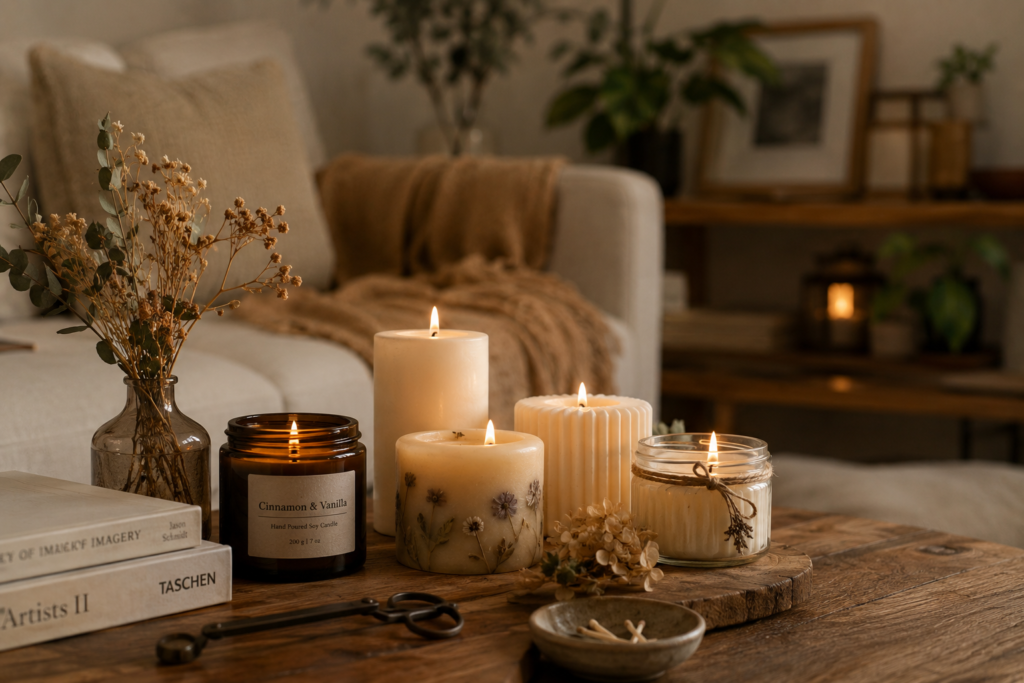
Coffee tables styled with candles, books, vases, and trays often look professionally designed. Shelves decorated with candles and small decorative objects create balanced and layered aesthetics.

Large floor lanterns filled with candles add dramatic elegance to living rooms and entryways. Bathrooms decorated with candles create spa-like luxury experiences.

Many interior designers use candles to fill empty spaces and create focal points within rooms. Candles naturally attract attention because of their soft glow and artistic appearance.

Grouping candles of different heights, colors, and textures creates depth and visual interest. This styling technique is commonly used in luxury interior design.

Handmade Candles Reflect Craftsmanship and Creativity

People are increasingly drawn toward handmade products because they appreciate craftsmanship and creativity. Handmade candles feel more artistic and meaningful compared to mass-produced alternatives.

Many candle makers create small-batch candles using carefully selected ingredients and handcrafted designs. Some candles include dried flowers, textured finishes, layered colors, or artistic shapes that make them look like decorative sculptures.

Supporting handmade candle brands also connects homeowners with artisans and small businesses. This emotional connection often makes the decorative experience feel more personal and valuable.

In a world dominated by fast production, handmade candles offer a sense of authenticity that many consumers find refreshing.

Eco Friendly Home Decoration Trend

Sustainability has become one of the biggest trends in home decoration. Many people now prefer eco-friendly products made from natural and renewable materials.

Handmade candles made from soy wax, coconut wax, or beeswax are often considered more environmentally friendly compared to paraffin-based candles. Many handmade candle brands also use recyclable containers, reusable jars, and biodegradable packaging.

Eco-conscious homeowners appreciate decorative products that align with their environmental values while still looking elegant and luxurious.

Natural handmade candles also tend to produce softer fragrances and cleaner burns, making them appealing for people who prioritize healthier indoor environments.

Seasonal Decoration With Handmade Candles

One reason candles remain timeless in home décor is their adaptability to seasonal decoration trends.

During autumn and winter, warm-toned candles and spicy fragrances create cozy environments. Spring decoration often includes floral candles and pastel colors. Summer interiors frequently use fresh citrus or ocean-inspired candle scents.

Because handmade candles are available in endless styles and fragrances, they make it easy to refresh home décor throughout the year without major redesign expenses.

Holiday decorating also heavily relies on candles because they create warmth, elegance, and festive ambiance naturally.

Handmade Candles in Social Media and Interior Trends

Social media platforms have played a major role in increasing the popularity of handmade candles. Interior design influencers frequently showcase candle styling ideas in living rooms, bedrooms, bathrooms, and self-care spaces.

Beautiful candle arrangements photograph extremely well because they create warmth, texture, and visual softness. Handmade sculptural candles especially became popular through minimalist and luxury home décor trends online.

Pinterest, Instagram, and lifestyle blogs have inspired many homeowners to view candles not only as functional items but also as essential decorative accessories.

As aesthetic-focused interior styling continues growing, handmade candles remain highly desirable because they combine beauty, comfort, and artistic expression.

Choosing the Right Handmade Candles for Home Decoration

Selecting the right candle depends on interior style, room size, fragrance preference, and decorative goals.

Neutral candles work best in minimalist and Scandinavian interiors. Colored or textured candles add personality to bohemian and eclectic spaces. Large pillar candles create dramatic impact in spacious living rooms, while small jar candles work well on shelves and side tables.

Natural fragrances are often preferred because they feel softer and more relaxing. It is also important to choose high-quality candles with clean-burning ingredients for a better overall experience.

Decorative candle holders, trays, lanterns, and glass containers can further enhance candle styling within the home.

Final Thoughts

The growing popularity of handmade candles in home decoration is driven by more than just design trends. Handmade candles create emotional warmth, improve ambiance, support relaxation, and add artistic beauty to interior spaces naturally.

They help homeowners create environments that feel welcoming, luxurious, and peaceful while also reflecting individuality and personal style. From wellness-inspired interiors to luxury living rooms, handmade candles continue to remain one of the most versatile and timeless decorative elements.

As modern homes increasingly focus on comfort, mindfulness, and sensory experiences, handmade candles are likely to remain an important part of interior design for years to come. Even people exploring self-discovery practices like reading a birth chart often prioritize creating calming home environments filled with comforting fragrances, soft lighting, and peaceful decorative elements like handmade candles.

5 kdarchitects landscape ideas by roger morph for modern design

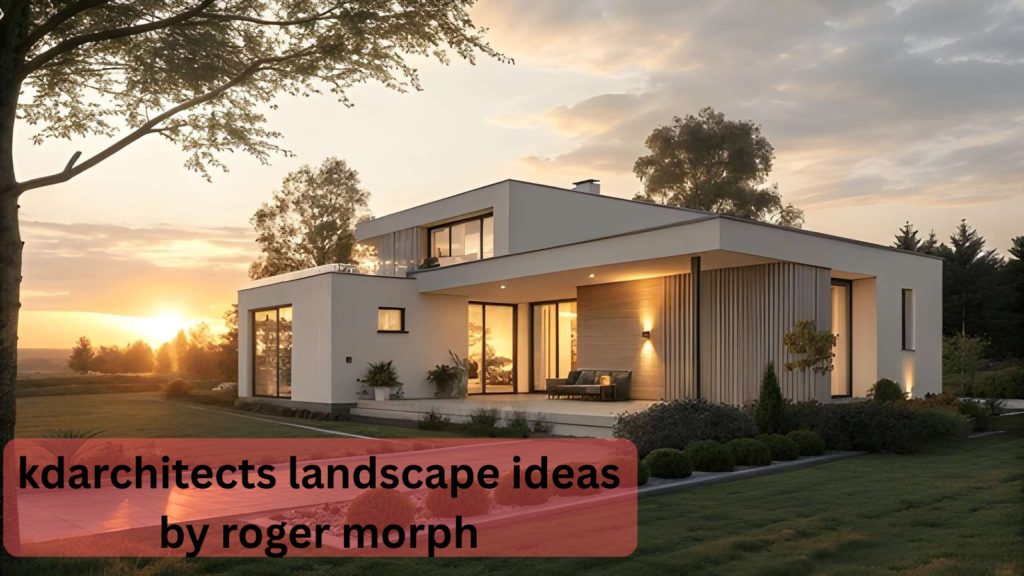
Outdoor spaces in the United States are slowly shifting toward simpler and more practical design. People are no longer focused only on decoration. They want spaces that feel natural, easy to use, and low maintenance. This is where kdarchitects landscape ideas by roger morph become relevant.

The approach behind kdarchitects landscape ideas by roger morph for modern design is based on clear thinking.Instead of forcing nature into set shapes, this approach just works with what’s already there. The land, the weather, and how people actually live in the space all matter. The idea is pretty simple. Outdoor areas shouldn’t feel like something separate or just for show. They should feel like part of everyday life.

This guide looks at five main ideas behind this style. Each one shows a different way to plan outdoor spaces so they feel more natural, more useful, and more balanced in real use.
These ideas are not about complexity. They focus on simple structure, real use, and long term stability.

1 Natural land based planning in kdarchitects landscape ideas by roger morph for modern design

kdarchitects landscape ideas by roger morph

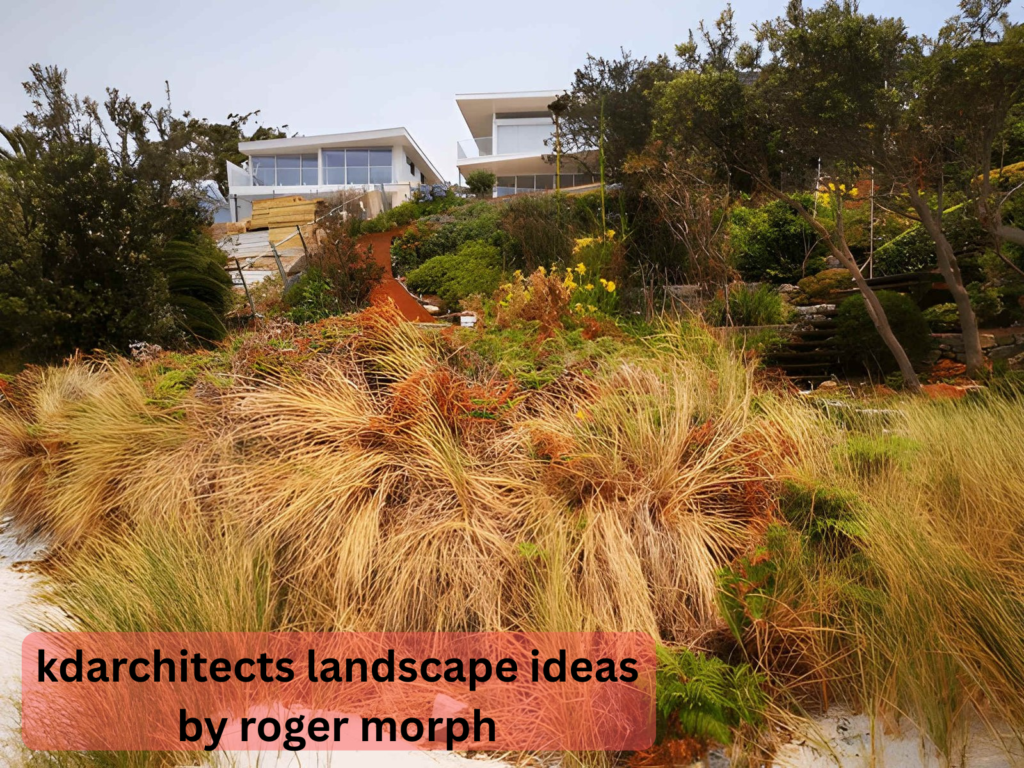
The first idea in kdarchitects landscape ideas by roger morph is working with the land instead of reshaping it too much. The design starts by studying the natural ground conditions. This includes slope, soil type, sunlight direction, and natural water flow. The goal is to understand what the land already offers before making any changes.

In many modern US residential projects, land is often flattened or heavily modified before building starts. This approach does the opposite. It keeps the natural structure intact. Small changes are made only when needed for safety or function. This creates a more stable outdoor environment.

When the design follows the land, drainage works better. Water moves in a natural direction instead of being forced through artificial systems. Plants also grow more easily because they are placed in conditions that suit them.

This idea also reduces long term construction problems. Less digging means less soil damage. Less interference means fewer repairs in the future. The space feels more natural and less artificial.

The main strength of this idea in kdarchitect’s Roger morph philosophy is that it respects the land as the base of everything. Instead of controlling nature, it works with it in a simple and practical way.

2 Sustainable materials used in kdarchitects landscape ideas by roger morph for modern design

kdarchitects landscape ideas by roger morph

The second idea in kdarchitect’s Roger Morph projects focuses on materials and planting choices. Sustainability is not treated as an extra feature. It is part of the main design structure.

Natural materials are preferred because they sit well in outdoor spaces. Stone, gravel, clay, and untreated wood are used a lot because they don’t try too hard. They just blend in. Over time, they don’t look “old” in a bad way. They look settled, like they belong there.

This helps the landscape stay stable visually for years without needing constant changes or updates. It also gives decor inspiration because it shows that you don’t need heavy decoration to make a space look good. The majority of the work may be done by using natural finishes and simple textures.

Plant selection is also important. Native plants are used because they already match the local climate. They need less water and less care. This is useful in many regions of the United States where water use is controlled or limited.

This approach reduces maintenance effort for homeowners. It also lowers long term costs because plants survive longer and materials do not need frequent replacement.

Another benefit is environmental balance. Using local materials reduces transport impact. Using native plants supports local ecosystems. The landscape becomes part of the environment instead of working against it.

In kdarchitect’s Roger morph approach to modern design, sustainability is not about trends. It is about making outdoor spaces that can survive naturally without constant human control.

3 Functional outdoor living spaces in modern landscape design by Roger Morph 

kdarchitects landscape ideas by roger morph

The third idea in kdarchitect’s roger morph concepts is function.Outdoor areas are not considered decorative. They are intended for actual use.

Every part of the space has a job. Some areas are made for sitting and resting. Some are for walking through. Some are for family time or small get-togethers outside.

This is also where how to be better at interior design mintpaldecor fits in a simple way. It’s the same thinking inside the home. You don’t just place things to make a room look nice. You first think about how people will actually use the space, then you build everything around that.

This structure makes the space more useful in daily life. Instead of staying unused, the outdoor area becomes part of normal living. People naturally spend more time outside because the space supports their needs.

In modern United States homes, outdoor living is a common lifestyle element. Families use backyards for social events, rest, and even work. This design approach supports that behavior in a simple way.

Here, it’s crucial to remember that function comes first. Structure, not ornamentation, adds beauty. This makes the area useful and simple to manage.

This idea also relates to home styling because outdoor areas become part of the overall home experience.

4 Minimal and simple structure in modern outdoor design inspired by Roger Morph

kdarchitects landscape ideas by roger morph

The fourth idea in kdarchitect’s Roger morph principles is simplicity. The design avoids unnecessary elements and focuses on clarity.

The layout remains open rather than overcrowding the area with elements.This gives the landscape room to breathe. It also helps people move through the space without confusion.

Paths are direct and easy to follow. Plant arrangements are not overly dense. Built features are only added when they serve a clear purpose.

This approach creates a calm outdoor environment. Nothing feels crowded or overwhelming. The design feels organized without being complicated.

Simplicity also helps with maintenance. Fewer elements mean less cleaning, fewer repairs, and lower long term effort. This is one reason why this style is becoming more popular in the United States.

It also connects with modern home decor tips because interior and exterior spaces are both moving toward simple and functional design instead of heavy decoration.

A minimal landscape does not depend on trends. It stays stable over time because it is based on structure and balance.

5 Indoor outdoor connection in modern landscape design by Roger Morph 

kdarchitects landscape ideas by roger morph

The fifth idea in kdarchitect’s Roger morph designs is connection. The aim is to reduce the gap between indoor and outdoor spaces.

This is done through simple continuity in design. Sometimes the same materials used inside the house are carried outside. Floor levels are kept aligned so you don’t feel a break when stepping out. Large glass doors or open frames also help the space feel more open and linked.

It also fits with latest decoration trends mintpaldecor because modern design is moving in this direction. People now prefer homes where inside and outside don’t feel separate, just one easy, flowing space.

When this connection is strong, the home feels larger. Outdoor areas are not treated as separate zones. They become part of daily living space.

These days, patios and gardens are more than just outdoor spaces they’re part of the home. You can step right from the kitchen or living room into the yard, and it just feels easy and comfortable, like the indoors and outdoors are one.

The transition is not sudden or disconnected.

This idea also connects with interior decorating guide because both indoor and outdoor design follow the same visual language. Colors, materials, and structure feel consistent throughout the home.

In kdarchitects’ roger morph landscape ideas for modern design, this connection is one of the strongest design principles because it changes how people experience their home as a whole.

Conclusion

kdarchitects landscape ideas by roger morph

The 5 kdarchitects landscape ideas by roger morph for modern design focus on real function, natural balance, and simple structure. Each idea works together to create outdoor spaces that feel natural and practical.

Instead of forcing nature into a fixed design, this approach just lets the land lead the way. It uses what’s already there, picks materials that actually belong in the environment, and keeps real life use in mind from the start. It’s not about making things look perfect. It’s about making them work.

In the end, you get a landscape that stays useful without constant effort, doesn’t feel high maintenance, and fits the way people in the United States actually live today.

10 Modern Home Decor Tips for a Luxury Look Without High Cost

A home can look expensive without costing a lot. Most people think luxury means big budgets, but that is not always true. What matters more is how you use space, light, and simple design choices. Many top designers follow the same basic rules. They focus on clean layouts, neutral colors, and smart furniture choices.

This is where modern home decor tips become useful. They assist you in creating a serene, well-organized, and luxurious atmosphere without going over budget. Everything in your house doesn’t need to be replaced. Little adjustments can affect the entire appearance.

This handbook contains useful suggestions that are implemented in actual households around the United States.These tips are based on what designers actually use today. You will learn how to use lighting, textures, and layout in a simple way.Additionally, you will learn how to steer clear of typical errors that give the impression that a house is cheap.

If you want a clean and modern look that feels comfortable and not forced, this guide will help you get there step by step.

1. Why Modern Home Decor Tips Make a Style Feel Luxurious 

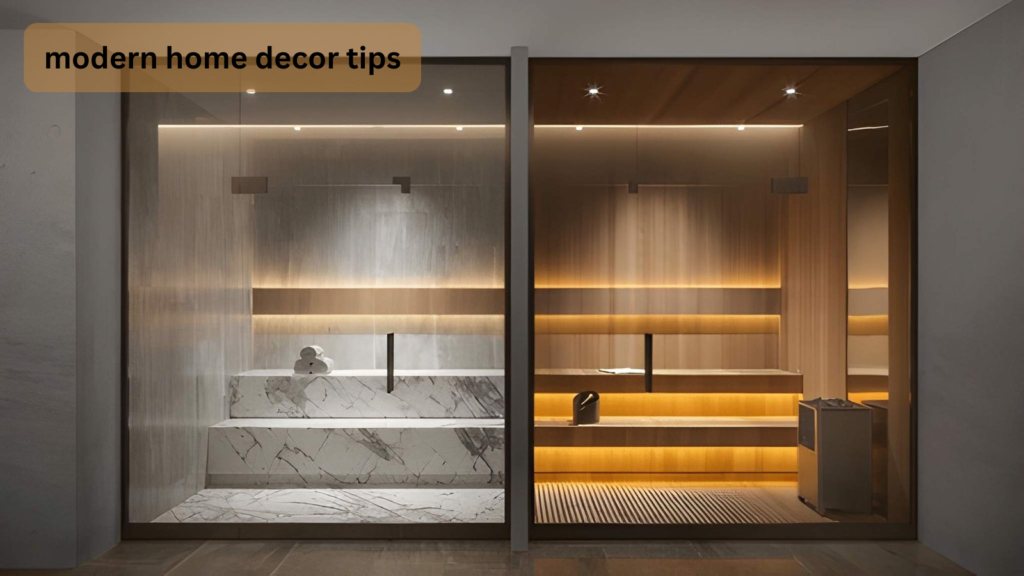
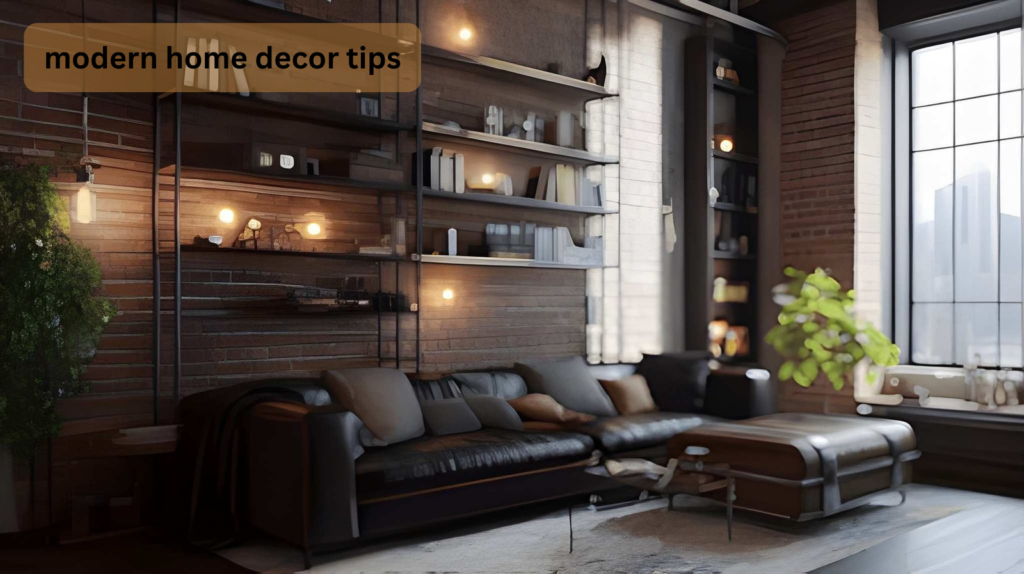
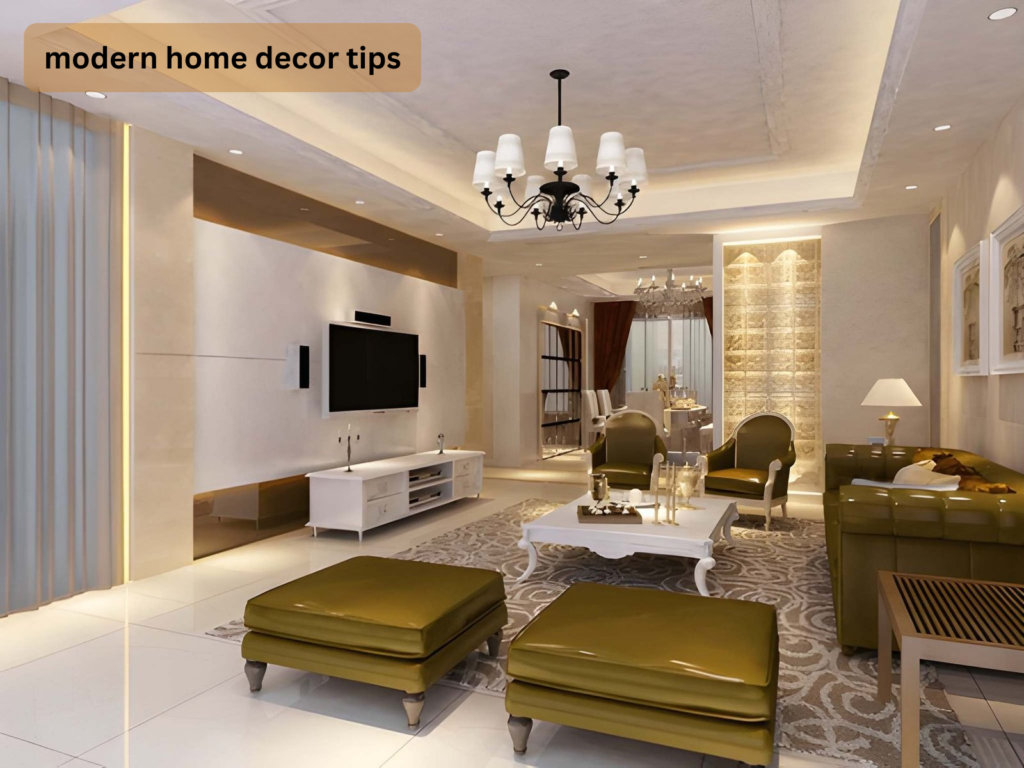
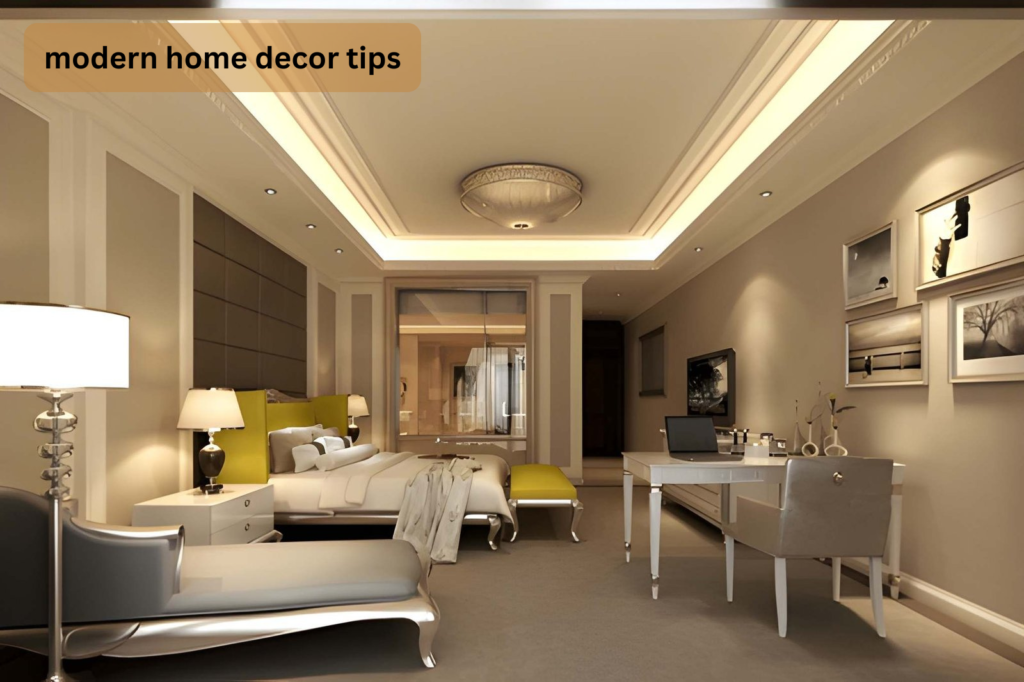
modern home decor tips

Modern design feels expensive because it removes what is not needed. You see clean lines, open space, and calm colors. That alone changes how a room feels. According to design experts, modern spaces focus on simplicity and function instead of decoration overload.

When a room is not crowded, it looks bigger. Bigger spaces often feel more premium. That is one reason hotels and high-end homes follow this approach. They do not fill every corner.

Another reason is consistency. In many homes, styles are mixed without a plan. Modern design avoids that. It keeps everything connected. Furniture, colors, and materials all follow one idea.

If you are new to this, a simple interior decorating guide can help you understand how to keep things balanced. Eliminating personality is not the aim. The goal is to give each thing a sense of purpose.

This is one of the most important modern home decor tips to remember. Luxury is not about adding more. It is about choosing better.

2. Modern Home Decor Tips for Keeping Your Space Clean and Open 

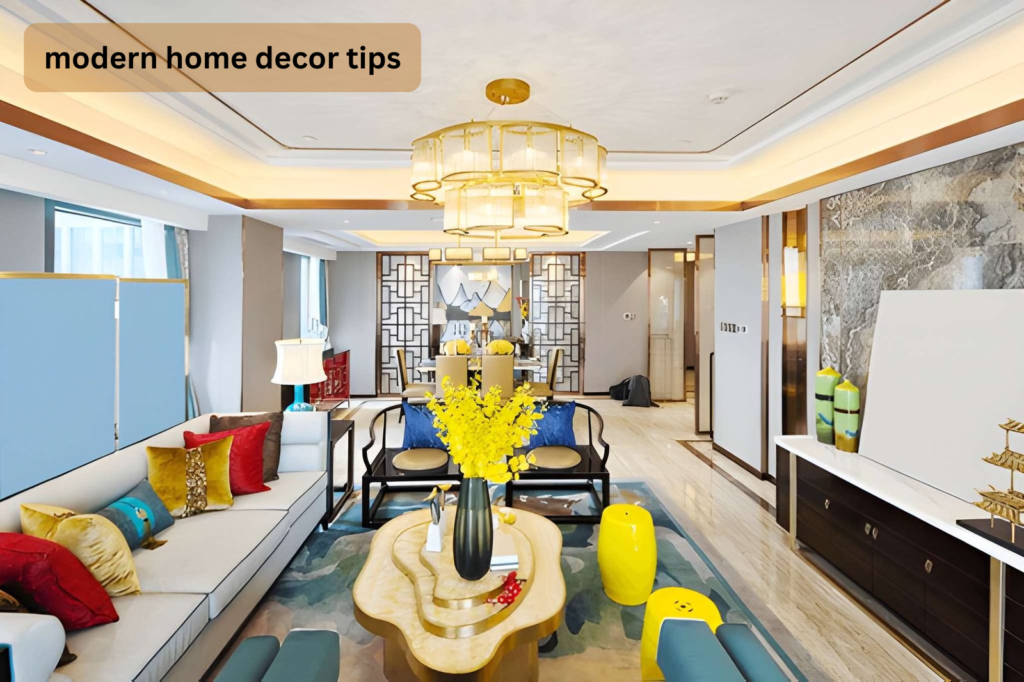
modern home decor tips

Clutter makes a home feel smaller and cheaper. A clean space feels calm and expensive. That is why many designers start with removing items before adding anything new.

Modern homes often leave some empty space on purpose.It provides a resting spot for the eye. Research shows that open layouts improve how large a space feels, even in small homes.

Start with simple steps. Clear surfaces like tables and shelves. Save only what you really enjoy or utilize.Store the rest.

Open space also improves movement. Furniture should not block pathways. When people can walk freely, the home feels more organized.

For more ideas, many people look at decor inspiration online, but copying everything does not work. Focus on what fits your home size and lifestyle.

Among all modern home decor tips, this one gives fast results. You do not need money to declutter. You just need to be honest about what stays and what goes.

3. Use Neutral Colors the Right Way

modern home decor tips

Color sets the tone of a room. Modern homes use neutral shades because they feel calm and clean. Tones like white, beige, gray, and soft earth are popular.

Additionally, these hues reflect light more effectively. Rooms appear larger and brighter as a result.

But neutral does not mean boring. You can add depth with small accents. A dark cushion, a simple rug, or a piece of art can change the whole look.

Balance is key. Too many colors can make a space feel busy. Too little can feel flat. Try to stick with one base color and one or two accents.

Many Interior Design Tips suggest testing paint in natural light before choosing. Lighting can change how a color looks during the day.

This is one of the easiest modern decor ideas to apply. Paint is affordable and can transform a space quickly.

4. Add Texture for Depth

modern home decor tips

A modern home can feel flat if everything looks the same. That’s fixed by texture. Without creating clutter, it gives depth.

Think about mixing materials. A soft rug, a wooden table, and a metal lamp can work together. This creates contrast without using bold colors.

Design experts often use natural materials like wood and linen to make spaces feel warm.

You can also layer fabrics. Cushions, throws, and curtains all help. Just keep patterns simple.

Even small changes help. Changing cushion covers or adding a textured rug can shift the whole room.

Many people ignore this step, but it is one of the most effective modern home hacks for a luxury look.

5. Choose Simple and Functional Furniture

modern home decor tips

Furniture should look good and serve a purpose. Modern homes avoid heavy and detailed pieces. Clean lines work better.

Multi-use furniture is also helpful. Storage beds, foldable tables, and modular sofas save space and reduce clutter.

Avoid buying full matching sets. They can make a home feel basic. Instead, combine components that complement one another.

Doors are also more important than most people realize.Updating interior doors with simple designs can improve the overall look of your home.

One strong idea behind modern decor is function first. If something does not serve a purpose, it should not take space.

6. Improve Lighting for a High End Feel

modern home decor tips

Lighting can change everything. A well-lit room feels open and inviting. Poor lighting makes even a nice room look dull.

Natural light is the best option. Keep windows clear if possible. Light curtains help more than heavy ones.

For artificial lighting, use layers. Combine ceiling lights with lamps. This creates depth and comfort.

Experts say lighting should match the room’s use. Bright light for work areas. Softer light for relaxing spaces.

Trends like latest decoration trends mintpaldecor show that warm lighting is becoming more popular in modern homes.

Because it works in any space, this is one of the most useful modern home suggestions.

7. Use Statement Pieces with Purpose

modern home decor tips

You do not need many decorations. One strong piece can do more than ten small ones.

This could be a large painting, a mirror, or a unique chair. It should stand out but still match the room.

Modern design avoids filling walls with too many items. Instead, it focuses on one focal point.

A good example from mintpaldecor home hacks from myinteriorpalace shows how one large mirror can make a room feel bigger and brighter.

This approach saves money and keeps the space clean. It is one of the smartest  home decor ideas for beginners.

8. Bring Nature Into Your Space

modern home decor tips

Plants make a home feel fresh. They also improve mood and air quality.Modern design often includes natural elements. Wood, stone, and plants all help create balance.

You do not need many plants. One or two in the right place is enough.If real plants are hard to manage, simple alternatives can still add a natural touch.

This idea is simple but powerful. It connects your home to a calm and natural feel.

9. Focus on Small Details That Matter

modern home decor tips

Luxury often comes from small details. Clean finishes, neat edges, and well-placed items all matter.

Simple upgrades can help. Change handles, update light switches, or replace old curtains.Keep things aligned. Crooked frames or uneven spacing can make a space feel messy.

This is where a lot of houses fall short. They overlook minor changes in favor of major ones.

Among all modern home decor tips, this one is often missed but very important.

10. Avoid Common Decor Mistakes

modern home decor tips

Some choices can make a home look cheap even if you spend money.Too many decorations is one problem. Matching everything is another. Experts also warn against clutter and poor layout choices.

Avoid trends that do not fit your space. Not every idea works in every home.

Take your time when decorating. Good design grows slowly.

When you avoid these mistakes, your home naturally starts to look better without extra cost.

Conclusion

modern home decor tips

Creating a luxury look does not require a big budget. It requires clear choices. Clean space, good lighting, and simple design can change everything.

These modern home decor tips are easy to follow and work in real homes. Begin modestly. Concentrate on one room at a time.

Your room will eventually feel more airy, serene, and sophisticated. That is what modern design is really about.

9 Steps in an Interior Decorating Guide to Style Your Home

A well-designed home is not an accident.It comes from small choices made with care.When they attempt to decorate, many people feel trapped.They buy things that do not fit together. Or they follow trends that do not last. This is where a clear interior decorating guide helps.

The procedure is divided into easy steps in this instruction. Both a large budget and design training are not necessary. All you need is a strategy and a little perseverance. Your space seems balanced and comfortable to live in as each phase builds upon the previous one.

You will learn how to define your style, choose colors, arrange furniture, and add details that feel personal. The focus stays on real homes and practical decisions. This interior decorating guide also reflects how people in the United States live today, with a mix of comfort, function, and style.

By the time it’s all over, you will know exactly what to do.No guesswork. Just a simple way to make your home feel right.

Step 1 Understand Your Space Before You Start

interior decorating guide

Every good interior decorating guide starts with the same idea. Know your space before you change it.

Take a stroll around your house and give it a new perspective.Notice the size of each room. Pay attention to natural light. Some rooms feel bright most of the day. Others stay dim. This affects color and furniture choices more than people expect.

Measure your space. This step is frequently omitted, which causes issues down the road. A sofa that looks perfect online may not fit your living room. A rug may feel too small once it is placed. Basic measurements save time and money.

Think about how you use each room. A living room in a busy family home will look different from one used for quiet evenings. This is where many home decoration ideas fail.

A useful tip is to sketch a simple layout. You do not need software. Just draw the room and mark doors, windows, and large furniture.

Many top design guides stress this step, but they often rush through it.The reality is straightforward. Understanding your space makes all other decisions easier. .

Step 2 Define Your Style in a Realistic Way

interior decorating guide

Style matters, but it should feel natural. Not forced.Scroll through decor inspiration online, but do not copy everything you see. Save images that you like. After a while, you will notice patterns. Maybe you like neutral colors. Maybe you prefer warm wood tones. This tells you more than any label like modern or classic.

An interior decorating guide should not push you into one style. Real homes often mix styles. A clean sofa can sit next to a vintage table. What matters is balance.

Be honest about your lifestyle. If you have kids or pets, delicate furniture may not work. If you work from home, your space needs to support that.

Many people in the United States lean toward comfort first. Soft seating, simple layouts, and easy care materials are common. This is why many home decor ideas today focus on function as much as looks.

Make an effort to maintain a basic style. Small things can easily be added later.This makes your space flexible as trends change.

Step 3 Choose a Color Plan That Feels Right

interior decorating guide

Color shapes how a room feels. It can make a space calm or busy.Start with a simple palette. Pick two or three main colors.Include one or two accent colors. This prevents the space from appearing disorganized.

Light hues provide the impression that a tiny space is larger. Although they give depth, dark tones require adequate lighting.

Many interior styling tips suggest testing paint samples on your wall. This is worth the effort. Colors look different in real light than they do online.

In many homes, neutral hues are still trendy. Gray, beige, and white make a soothing foundation. You can then add color through pillows, rugs, or art.

Some of the latest decoration trends mintpaldecor highlight soft earth tones and warm neutrals. These colors feel relaxed and easy to live with.

Avoid picking colors in a rush. Take time to see how they look during the day and at night. A good home decorating guide always treats color as a long term choice, not a quick fix.

Step 4 Pick Furniture That Fits Your Life

interior decorating guide

Furniture is where design meets daily use.Start with key pieces. A sofa, a bed, a dining table. These items shape the room. Choose quality where you can. It lasts longer and feels better over time.

Size matters. Large furniture can make a room feel tight. Small pieces can look lost in a big space. Balance is key.

Think about comfort. A chair may look good but feel stiff. Try to test furniture when possible. In the United States, many buyers now focus on comfort first, then style.

This is where many home decor concepts fall short. They focus on looks but ignore use. A beautiful space that does not work will not feel right.

Keep some open space in each room. Not every corner needs furniture. Empty space helps the room breathe.

A strong home decorating guide reminds you that furniture is not just decoration. It supports your daily routine.

Step 5 Plan Your Lighting with Care

interior decorating guide

Lighting changes everything.Most homes need more than one light source. A ceiling light alone often feels flat. Add lamps to create layers.

For locations that are peaceful, use soft lighting. Kitchens and offices benefit from brighter lighting.This simple change improves both mood and function.

Natural light is just as important. Keep windows as open as possible. Light curtains work better than heavy ones in most rooms.

Good home styling tips often include mixing different light types.

In many modern homes, lighting is used to create a calm feel. Warm bulbs are more common than harsh white ones.

Take time with this step. A room with the right lighting feels complete, even with simple decor.

Step 6 Add Texture to Make the Room Feel Lived In

interior decorating guide

Texture brings warmth into a space.Mix different materials. Wood, fabric, metal, and glass each add something unique.Smooth surfaces alone can make a space feel chilly.

One of the simplest ways to add texture is with rugs.

They also help define areas in open spaces.Select a size that complements the arrangement of your furnishings.

Throw blankets and pillows are inexpensive ways to increase comfort.They are also easy to change if you want a new look.

Many decorating  inspiration sources show layered textures. This is not just for style. It makes a room feel complete.

Keep it simple. Too many textures can feel busy. A balanced mix works best.

A good interior decorating tips  treats texture as a quiet detail that makes a big difference.

Step 7 Use Wall Space with Purpose

interior decorating guide

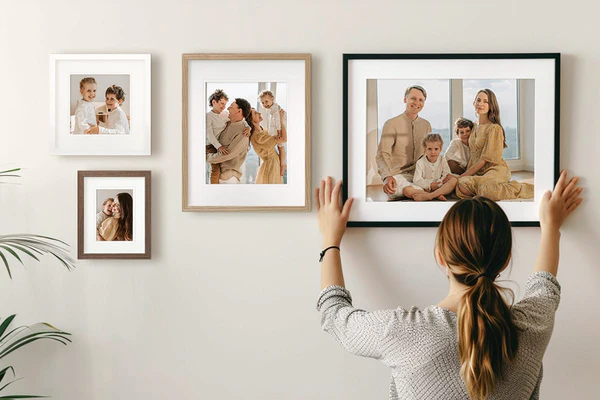
Walls shouldn’t feel packed, but they also shouldn’t be vacant.Choose art or photos that mean something to you. Personal items make a space feel real.

Hang items at eye level. This small detail improves how everything looks.Mirrors are useful in smaller room.

Some of the what interior doors are trending mintpaldecor discussions also touch on wall design.These days, basic finishes and clean lines are fashionable.

Avoid filling every wall. Leave some space open. This helps the room feel calm.

An interior decorating manual should always remind you that walls are part of the design, not an afterthought.

Step 8 Bring in Natural Elements

interior decorating guide

Nature adds balance to any space.

Plants are the easiest way to do this. Even one or two can change how a room feels. Choose low care plants if you are new to them.

Wood furniture or decor pieces also add warmth. Natural materials feel more relaxed than synthetic ones.

In many homes across the United States, there is a move toward simple, natural design. It feels calm and easy to maintain.

This step is often missing in basic home decoration ideas, but it makes a clear difference.

Keep it subtle. A few natural touches are enough.

Step 9 Keep Your Space Flexible Over Time

interior decorating guide

Your home should grow with you.Avoid locking yourself into one look. Trends change. Your needs change too.

Use small items to update your space. Pillows, art, and decor pieces are easy to replace.

A strong interior design guide focuses on long term comfort. Not short term trends.

Pay attention to what works and what does not.

Many people find that simple spaces last longer.They are simpler to live in and upgrade.

Conclusion

A well decorated home comes from clear choices, not complex rules. This interior decorating guide shows that the process can stay simple and practical.

Each step builds a space that feels comfortable and personal. You do not need perfect design skills. You need awareness of your space, your needs, and your style.

Take your time. Make small changes.Your house will eventually begin to naturally reflect who you are.

That is the goal of any good interior decorating guide. Not perfection, just a space that feels right every day.

Modern Decor Inspiration: 7 Fresh Ideas to Instantly Elevate Your Living Space

A lot of people just want a home that feels cozy and comfortable somewhere you can unwind after work, hang out with family, or just enjoy some quiet time without being surrounded by clutter. That’s where decorating ideas come into play. It’s not about trying to copy expensive homes or follow strict rules. It’s more about making small, simple changes that make your space feel better in your everyday life. And when you think about it, home design has really changed a lot over the years.Earlier, people focused on filling rooms with furniture and decorations. Now the focus is more on space, light, and simplicity.For a space to seem attractive, it doesn’t have to be filled. In fact, less often looks better when it is done right. Even small apartments can feel open and calm if the design choices are thoughtful.

The good news is, you don’t need a big budget or a designer to make your home feel better. A lot of the time, it’s just about understanding a few simple ideas and making small changes over time. Decor inspiration can help guide you, whether it’s about clearing out the clutter, picking the right colors, improving the lighting, or choosing furniture that actually works for your space. These little tweaks can really transform the way your home feels.

In this guide, we will go through seven practical decor inspiration ideas that can instantly improve any living space. These are not complicated design theories. They are simple, real-life changes that actually work in everyday homes.

1. Keep things simple and remove what you don’t need

decor inspiration

One of the biggest differences between a messy room and a comfortable one is not furniture. It is clutter.

Many homes feel crowded because of small unnecessary items. Old decorations, unused furniture, extra chairs, or things sitting on shelves for no reason all add visual weight.

When you start removing things you do not use, the room instantly feels lighter. It is almost like the space can breathe again. You start noticing your actual furniture instead of getting distracted by random objects.

One of the key components of modern décor inspiration is this.Simplicity is not about having an empty room. It is about keeping only what you actually need or like.

One corner at a time is an excellent place to start. Avoid attempting to fix the entire house in a single day.Just clear one table, one shelf, or one area.

Over time, you will notice something interesting. You stop feeling like your home is “full” all the time. Instead, it starts to feel open and more relaxed.

2. Use calm and neutral colors as your base

decor inspiration

Color has a quiet but strong effect on how a room feels.Your brain responds to it continuously, even if you don’t think about it every day.

Modern homes often use neutral colors for a reason.A serene foundation is produced by hues like white, beige, light gray, and soft brown. These colors do not fight for attention. Instead, they support everything else in the room.

When your walls and main furniture are neutral, you get more freedom later. You can change small items like cushions, curtains, or rugs without needing to redesign the whole space. That flexibility is very important in real homes.

Another benefit is balance. Bright colors can sometimes make a room feel heavy if overused. Neutral tones keep everything stable.

But neutral does not mean boring. The trick is mixing shades. For example, a light gray sofa with a beige rug and wooden table can look very warm and natural. It is simple, but not flat.

This kind of decor inspiration works especially well in small homes because lighter colors make spaces feel bigger than they actually are.

3. Fix your lighting before changing anything else

decor inspiration

If there is one thing people underestimate in home design, it is lighting. These Interior Design Tips are simple, but they really change how a space feels.

You can have expensive furniture, nice paint, and good decoration, but if lighting is wrong, the whole room feels off. On the other hand, even a basic room can feel beautiful when the lighting is right.

Start with natural light. If you have windows, use them as much as possible. Keep curtains light and avoid blocking sunlight during the day. Natural light makes everything look cleaner and more open.

At night, avoid using just one bright light in the center of the room. That usually makes the space feel flat. Instead, use multiple light sources. A lamp near the sofa, a soft light in a corner, or even wall lighting can create depth.

Warm lighting works best for living spaces because it feels more comfortable. Bright white light is better for kitchens or work areas.

Good interior styling tips always include lighting because it changes mood instantly without changing anything physical in the room.

Even a small change like adding a floor lamp can completely shift how your space feels in the evening.

4. Choose furniture that fits your daily life

decor inspiration

Furniture is not just decoration. It is something you use every single day, so it has to work for your real life, not just look good in a picture.

That is why home improvement mintpaldecor style thinking matters here. If you pick furniture only because of how it looks, it can feel like a mistake later. A sofa might look perfect in a showroom, but once it’s in your room, it may feel too big, too small, or just not practical for how you live.

Modern design concepts focuses on function first. Think about how you actually use your home. Do you need storage? Do you need flexible seating? Do you need pieces that save space?

Multi purpose furniture is very helpful here. A coffee table with storage, a sofa bed, or a foldable dining table can make life much easier, especially in smaller homes.

This approach is often seen in interior decoration advice mintpaldecor style thinking, where the goal is to make the home practical before making it stylish.

Additionally, people tend to underestimate the importance of size. Everything feels cramped when there is large furniture in a tiny space. Properly scaled pieces help maintain balance and comfort.

5. Bring natural elements into your space

decor inspiration

Modern homes can sometimes feel a bit too clean or structured. That is where natural elements help soften everything.

Plants are one of the easiest home decoration ideas you can try. You don’t require many of them. The atmosphere of the entire space can be altered by placing a single plant in a corner or close to a window. It brings a bit of life into the space and adds color without you really trying too hard.

Wood is another strong element. Wooden furniture or even small wooden details make a space feel warmer. It balances out modern materials like metal or glass.

Natural fabrics like cotton or linen also help. They make a room feel more relaxed compared to synthetic materials.

This method of decorating works because it connects your home with nature in a very simple way. It does not require a big change, but the effect is noticeable.

6. Create one clear focal point in each room

decor inspiration

There should be something in every space that catches your attention as soon as you come in. If that is missing, the space can feel a bit messy or not fully put together.

A focal point can be something simple. A sofa, a piece of art, a feature wall, or even a light hanging in the center.It doesn’t have to be flashy or costly. To give the room direction, it only has to stick out a bit.

You’ll notice the same thinking in kitchen upgrading advice mintpalment too. When a kitchen has one clear area that stands out, everything else feels easier to understand and the space works better overall.

Once you choose a focal point in a room, everything else should just support it. Not try to compete with it or grab attention.

When that balance is right, the room feels easier on the eyes. You kind of know where to look when you walk in, even if you don’t think about it. 

In tiny apartments, this is even more important. There isn’t much room, so if everything is trying to stand out, it quickly feels messy.

7. Add personal touches, but don’t go overboard

A home should feel like the people living in it. But it can go wrong when every surface is filled with things.

Instead of putting everything out, just pick a few things that actually mean something to you. A photo you like, a book you always keep nearby, or something you brought back from a trip.

That’s usually enough. You don’t need more than that to make a space feel like yours.

The idea is simple. It should feel lived in, not packed. If everything has a purpose or meaning, the room feels natural. If things are just there to fill space, it starts feeling heavy.

When you get that balance right, the room feels warm and personal, but still clean and easy to look at.

Conclusion

Making your home better doesn’t have to be complicated or expensive.

Most of the time, small changes matter more than big ones. Clearing out extra stuff, keeping colors simple, fixing lighting, and adding a bit of nature can really change how a place feels.

There isn’t one fixed way to do modern decor inspiration. It’s more about figuring out what feels right for you and your space.

When a room feels simple, balanced, and a little personal, it naturally becomes a place you actually enjoy spending time in.

12 Affordable Home Decoration Ideas That Look Expensive

Most people want a home that feels good to live in and still looks nice when someone walks in. The problem is, many assume that kind of look needs a big budget. In reality, it usually comes from small choices done in a simple and consistent way. You do not need luxury furniture or full renovation work to improve a space.

These home decoration ideas are based on practical changes you can actually apply in real homes in the United States. Nothing here is complicated or expensive. It is more about how you use what you already have and what small things you add or remove.

The goal is simple. Make your home feel cleaner, calmer, and more balanced without trying too hard. When you focus on light, space, color, and basic arrangement, even a normal room can start to feel more refined.

1. Stick to simple and calm colors

home decoration ideas

Color is the first thing that changes how a room feels. If a room has too many strong colors, it starts to feel busy very fast. On the other hand, soft and simple shades make the space feel more open.

Most homes look good with colors like white, beige, light gray, and soft brown.They do not demand attention but still look clean. This is why many modern homes use these tones.

Repainting everything at once is not necessary. Even small changes like lighter curtains or a neutral rug can shift the mood of the room. One of the easiest home decoration ideas is to reduce color variety instead of adding more.

When the base of the room is simple, everything else looks more expensive without effort.

2. Improve your lighting

home decoration ideas

Lighting changes everything in a home. A room with bad lighting can feel dull even if it has good furniture. A room with soft lighting can feel warm even if it is simple.

Try to avoid relying only on ceiling lights. Add small lamps where possible.A table light next to a sofa or in a corner can provide coziness to the space. 

Warm light works better for living rooms and bedrooms because it feels more natural. Bright white light can be useful in kitchens or work areas, but not everywhere.

Good lighting is one of the most overlooked home decor ideas, but it has one of the biggest effects on how a space looks.

3. Use long curtains that reach the floor

home decoration ideas

Curtains can completely change how tall a room feels. Short curtains often make the wall look cut in half, which reduces the sense of space.

A cleaner vertical line is produced by long drapes that reach the floor. This makes the ceiling look higher and the room feel more open.

Even if your curtains are simple or low cost, the way you hang them matters. Place the rod a little higher than the window frame. This small change makes a big difference.

Among all home decoration ideas, this is one of the easiest ways to make a room feel more designed without spending much.

4. Use one large wall piece instead of many small ones

home decoration ideas

Many small frames on a wall can create visual noise. The eye keeps moving from one item to another, which makes the space feel messy.

One large wall piece does the opposite. It gives the room a clear focus point. It also makes the wall feel more organized.
Simple prints or even clean photography can work if the size is right.

A well placed large frame often looks more expensive than many small decorations combined. This is a simple shift in home decoration ideas that many people overlook.

5. Update small details like handles and knobs

home decoration ideas

Small things can quietly affect how a home feels.Examples include drawer pulls, door knobs, and cabinet handles.

If they look old or mismatched, the whole space can feel outdated. Replacing them with simple modern designs can make a noticeable difference.

You do not need fancy materials. Simple metal or matte finishes are enough. The goal is consistency, not luxury.

This is one of those low-effort design upgrades that produces results quickly. 

6. Mix different textures in a simple way

home decoration ideas

A room with only smooth surfaces can feel a bit flat. Everything starts looking the same.

Mixing textures helps. Soft stuff like cotton or linen works well with harder things like wood or metal.The room immediately feels more balanced with a sofa and wooden table. 

Even interior doors can change the feel of a room. A plain wood door or a simple matte finish can make things feel warmer without trying too hard.

Too many textures are not necessary. A handful of carefully selected ones are sufficient. 

This idea is often used in simple interior styling tips because it adds depth without adding clutter.

7. Keep surfaces clear and simple

home decoration ideas

Tables, shelves, and counters often get filled with too many things. Over time, this makes the room feel crowded.

Keeping a small number of items visible is a superior strategy. Choose things that actually matter or look good in the space.

Empty space is not a problem. It actually helps the room breathe.

One of the most practical home decoration ideas is removing extra items instead of constantly adding new ones.

8. Use mirrors to open up space

home decoration ideas

Mirrors help reflect both natural and artificial light. This makes rooms feel brighter and larger.

Placing a mirror near a window works especially well because it spreads daylight across the room.

Large mirrors are more effective than small ones. A simple frame is enough because the mirror itself is the main feature.

This trick is often used in small homes because it creates a sense of openness without changing the structure.

9. Add a few natural plants

home decoration ideas

Plants are one of the easiest ways to improve a room. They bring color, softness, and a natural feel.

You do not need many.A room’s mood can be altered by just one or two plants placed in strategic locations.

Beginners should use low-maintenance plants like pothos or snake plants. They still look good and don’t require continuous maintenance.

This is one of the most reliable decorating methods  because it works in almost any type of home.

10. Keep your bed simple and clean

home decoration ideas

A bedroom just feels better when the bed is made. It kind of sets the mood for the whole room.

Simple bedding works best. Light colors like white or soft shades make the space feel calm and clean.

You don’t really need a lot of pillows or heavy decoration. A few simple things are enough.

It’s small stuff like this that keeps the room feeling tidy without much effort. That’s also why interior design is interesting mintpaldecor because even tiny changes can actually shift how a space feels.

11. Balance things across the room

home decoration ideas

Balance means the room does not feel heavy on one side. It helps create a calm and stable look.

For example, if you place a lamp on one side of a sofa, you can place a similar object on the other side.

It does not have to be exact matching items. It just needs visual balance.

Many good house decoration advice mintpaldecor style approaches use this idea because it creates harmony without complexity.

12. Focus on quality instead of too many items

home decoration ideas

A lot of people end up buying too many things for their home at once. After a while, the room starts feeling crowded, even if the items themselves are fine.

It works better to buy less. Take your time and only choose things that actually fit the space. Simple items usually look better and last longer than cheap trendy ones.

A room doesn’t have to be finished right away. Homes usually look better when you build them slowly over time.

This is also what mintpaldecor home hacks from myinteriorpalace is about. Just keeping things simple and not filling the space with too much stuff.

Conclusion

A nice home does not come from expensive stuff or perfect planning.

It comes from small choices like light, space, and how you place things.

These home decoration ideas are not something you must do all at once. Even one small change can help. And slowly, your space starts to feel more comfortable and balanced without needing much money.

10 Home Decor Ideas for a Cozy and Elegant Home

Home is the one place where people want comfort more than anything else.In addition to being aesthetically pleasing, a well-designed workplace influences daily routines, mood, and concentration.Many people in the United States now prefer homes that feel simple, warm, and practical instead of overly decorated spaces. That shift has made home decor ideas more important than ever.

The right design approach can change how a room feels without requiring major renovation or high spending. Small adjustments in color, lighting, furniture placement, and texture can completely shift the atmosphere of a home. Some people think design is only for professionals, but that is not true. Most improvements come from basic choices made with attention.

This post shares practical home decor ideas that focus on comfort and elegance. Each section explains simple ways to improve your space using realistic methods that work in everyday homes. Whether you live in a small apartment or a large house, these creative concepts will help you build a space that feels balanced, calm, and easy to live in.

1.Choosing a Soft and Balanced Color Base

home decor ideas

Color is the first thing that shapes how a room feels. Before furniture or decoration is added, the wall color already sets the mood.

Many modern home decor ideas start with neutral colors because they give flexibility. Once the base is neutral, it becomes easier to update furniture or decorations without changing everything. 

In many homes across the United States, neutral color palettes are used to create a clean and open feelingThese colors also catch natural light really well, making a room feel brighter during the day.A room can feel serene and visually pleasant with a well-balanced background hue.A simple way to do this is to pick one main neutral tone and then add one or two extra shades to complement it.

This keeps the room consistent without making it boring. Strong design plans always begin with this kind of foundation because it supports every other design choice.

2.Lighting That Shapes Comfort and Mood

home decor ideas

Lighting is one of the most powerful parts of interior design, yet it is often ignored. Even if everything else appears fine, a room with inadequate lighting might be uncomfortable. Both look and utility are enhanced by good lighting. 

Large windows, light curtains, and open layouts help bring daylight into the room. After sunset, artificial lighting becomes important.

A layered lighting setup works best. General brightness is provided by ceiling lights. For reading or working, table lights provide concentrated light. Floor lamps fill empty corners and add warmth to the room.
Many modern styling trends today focus on warm lighting instead of harsh white lighting. Warm light creates a relaxed feeling that is ideal for evenings. It also makes furniture and textures look softer and more inviting.

Lighting placement matters as well. It frequently feels flat to have one strong light in the middle of a space. Depth and balance are produced by several light sources at various levels. This simple change can completely improve how a space feels.

3.Furniture Placement That Improves Flow

home decor ideas

Furniture placement affects how people move through a space. Even expensive furniture can feel uncomfortable if it is placed poorly. A good layout supports natural movement and keeps the room open.

One basic rule is to avoid blocking walking paths.Major furniture items, such as couches, tables, and chairs, should always have room between them.

Many room layout strategies focus on function before style. A room should first work well in daily life. Once the layout is practical, decoration becomes more effective.

It also helps to create small zones in larger rooms. A seating area, a reading corner, or a work space can be defined using furniture placement. This improves organization without needing walls or partitions.

A balanced layout makes even simple furniture look more stylish. When space is used correctly, the entire room feels more open and comfortable.

4.Indoor Plants for Natural Balance

home decor ideas

A room usually feels better with a little greenery in it. Plants add life, break up empty corners, and make the space look less flat. Even something small on a desk or shelf can make a noticeable difference.

A lot of people go with snake plants, pothos, or peace lilies because they’re hard to kill and don’t need much attention. They also do fine in different kinds of light, which makes them easy for most homes.

If you want a simple way to improve a room, adding a few plants is an easy start. They make the space feel more relaxed, more lived-in, and generally more welcoming.

Placement is important. A plant near a window gets natural light, while a corner plant can soften empty spaces.Smaller households with limited floor area might also use hanging plants.

Indoor plants connect interior spaces with nature, which makes a home feel more balanced and less artificial.

5.Textures That Add Depth and Comfort

home decor ideas

Texture is what gives a room character. Without texture, even a well colored space can feel flat and lifeless. Mixing different materials creates visual interest.

Wood adds warmth. Fabric adds softness. Metal adds structure. A wooden coffee table, some fabric cushions, and a metal lamp, for example they each stand out but don’t clash. It’s not about using tons of materials; it’s about picking a few that work well together.Repetition of textures in different parts of the room also creates consistency.

Texture helps connect all elements of a room into one complete design.

6.Wall Design That Reflects Personality

home decor ideas

Walls are often left empty, but they play a major role in interior design. They are an opportunity to show personality and style.

Artwork, framed photos, and mirrors are simple ways to improve wall design. Mirrors also help reflect light and make small spaces appear larger.

Some people prefer clean walls while others prefer more expressive designs. Both approaches can work as long as the overall balance is maintained.

A useful idea is to create one main wall focus instead of decorating every wall. This keeps the room organized while still adding character.

Many professional designers believe wall design is one of the strongest elements in modern home styling because it defines the identity of a space.

The concept of interior doors also connects with wall design because door styles and finishes affect the visual flow between rooms. Matching or complementing door materials with wall tones creates a more unified home environment.

7.Smart Storage for Clutter Free Living

home decor ideas

Clutter is one of those things that slowly ruins a room. Even if everything looks nice, too many things lying around make it feel uncomfortable pretty quickly. That’s why storage is such a big part of home design.

Hidden storage is usually the easiest fix. Stuff like under bed drawers, wall shelves, or storage benches helps a lot. You can keep things out of sight but still reach them when needed, so the room stays cleaner without much effort.

Open storage can work too, but only if you stay on top of it. If things are just placed randomly, it starts looking messy fast.

And honestly, this is also part of why interior design is interesting mintpaldecor. It’s not only about how a room looks, it’s about figuring out how to make everyday living feel easier in that same space.

Good home decor ideas usually start with storage. Not the decorative kind, but the practical kind. If a home is messy in daily use, it never really feels nice, no matter how it looks. When things are put away properly, the space feels lighter and more comfortable without trying too hard.

8.Seasonal Changes for Fresh Living

home decor ideas

You don’t need to redo your whole home to make it feel different. Small seasonal changes are enough. In summer, lighter fabrics feel better. In winter, heavier ones feel more comfortable.

Even simple things like changing cushion covers or curtains can shift the mood of a room. It keeps things from feeling stuck or repetitive. Most people don’t notice it, but these small changes actually make a home feel newer without much effort or money.

9.Budget Friendly Design Improvements

home decor ideas

You don’t need expensive furniture to improve a room. Sometimes just moving things around changes everything. Lighting also plays a big role. A different lamp or warmer bulb can completely change the feel of a space.

Even cleaning up properly or removing things you don’t use makes a big difference. A lot of styling techniques sound complicated, but in real life, small simple changes work better and last longer.

10.Common Mistakes in Home Decoration

home decor ideas

People often mess up by adding way too much to a room. Once every corner is filled, the space starts feeling crowded instead of cozy. That’s something Mintpaldecor talks about a lot knowing when enough is enough matters more than buying more décor.

Bad lighting is another problem. One bright light in the middle of the ceiling can make the whole room feel cold and flat.

And honestly, a lot of people decorate for appearance only. A room can look great in pictures, but if it doesn’t fit how you actually use it every day, it’s not going to feel right.

Knowing basic Interior Design Tips helps avoid most of these problems.

Final Thoughts

A nice home isn’t built in one day. It comes from small choices made over time. The best home decor ideas are simple ones that make life easier, not more complicated.

You don’t need perfection. You just need a space that feels good to live in and doesn’t stress you out.

Learning more about interior decorating or reading about how to be better at interior design mintpaldecor can help you understand what actually works in real homes, not just pictures.

How to Style an Artificial Ficus Tree to Look More Real

The ficus tree is one of the top choices of all artificial plants for home decor. This plant is tall, full, and elegant; just right for adding warmth and liveliness to your living room!

However, if you do not style an expensive artificial ficus correctly, then it can look flat. But when you implement just a few simple tips, your tree will look quite real.

This guide explains everything, from the selection of the right tree to the finishing touches that will make all the difference. If you are a first-time buyer or looking to upgrade the ficus you already have, these tips will help you get the most natural look possible.

Choosing the Right Ficus Tree

An artificial ficus tree is available in varieties. Some of the most common types include ficus benjamina, with its small glossy leaves and fine branching character, and the fiddle leaf fig, with its large sculptural leaves and strong visual impact, better known as ficus lyrata.

The trunk can also be braided to give the base a beautiful appearance. Each type has its own character. So it is worth giving some thought to which type best suits your home’s style before you buy.

When selecting a tree, look at its size, colour and shape of the leaves. A small tree will look diminutive for the space, while a tree that is oversized will overwhelm the whole room. HRtrees offers artificial ficus trees in various sizes to help you pick the right one for your space. 

Search for leaves that have natural color variations. Real ficus leaves are not all the same shade of green, so a good faux tree should reflect this variation. 

Assessing the Placement

The location where you decide to put your ficus tree is just as important as how it looks. The best place for your potted ficus is basically the same place where a real tree would be placed. A window or a bright corner are the most obvious choices. Putting your fake ficus in these places makes it believable to the eye since that is exactly where a live plant would be found.

If you are going for a more comprehensive approach to your home decor, you can try coordinating your ficus placement with hidden doors ideas for a multi-layered, well-thought-out and very characterful scheme. Don’t leave it stuck in a dark, neglected corner, the kind of place where a real plant wouldn’t be able to survive. That will immediately make one suspect it is fake.

Light has a big impact on the appearance of a ficus tree. The light streaming into the well-lit window will create a shadow of the leaves on the floor as they will be moving. If natural light is limited, warm-toned floor lamps or spotlights angled at the tree can produce similar results.

Fluffing the Foliage

Artificial ficus looks more convincing if it is fluffed up nicely. In fact, you may just find it to be the most important step in making your faux ficus look more lifelike. But more often than not, we tend to skip this step completely. Most artificial trees are shipped with the branches tightly packed together. The tree appears rigid, flat and unquestionably artificial without fluffing.

Begin with the lower branches first, working your way up pulling each branch outwards, away from the trunk. Next, place the smaller sub-branches and individual leaves so they fan out naturally.

The goal is to create some depth and dimension to the tree. Real ficus trees have layers – some leaves play supportive roles in front; some tuck deeper inside; some catching light at diff angles. Purposefully place branches, some more forward and others further back, to create this effect.

Adding Natural Elements

One of the easiest ways to make an artificial ficus seem more real is to incorporate true natural elements around its base. The plastic base of the artificial trees is the biggest giveaway so you must cover it.

Adding a layer of real potting soil or dried moss on top of the base gets these close to real. Both are affordable and easily found in garden centers and craft stores.

For extra texture and visual richness, add a layer of decorative stones, pebbles, or river rocks on top of the soil or moss. This is exactly what you would see in a well-styled real plant pot. 

Choosing the Right Pot

The shape and size of the pot you choose can make or break the overall look of your ficus tree. A cheap or mismatched pot immediately detracts from the tree itself. 

Choose a pot that is proportional to the size of the tree, so as a rule-of-thumb, the pot should be about a third of the height of the tree. Using materials such as terracotta, ceramic, concrete and woven seagrass helps reinforce the illusion of the presence of a live plant.

Colors like white, sand, charcoal and earthy brown won’t take away the attention from ficus foliage. After you place the tree in a pot, completely cover its artificial base with moss, soil, or stones.

Incorporating Lighting

Lighting has an incredible magic that can change the way your artificial ficus tree looks. A very popular and effective technique is to weave warm white string lights through the inner branches of the tree.

The soft beam coming through the leaves casts a gentle glow which adds a warmth and touch of magic to the whole room. It works best in spaces such as a living room or bedroom where you want a cozy effect.

For a more dramatic effect, a spotlight or an uplighter aimed upwards from the tree’s bottom can throw tree branch shadows onto the foliage above. Nevertheless, the best light by far is natural light. A ficus placed by a bright window will have that soft shifting light and shadow on its leaves that no man-made lighting can really replicate.

Conclusion

Styling an artificial ficus tree to look real is all about the details. Each styling step we’ve talked about builds on the last to create a convincing and beautiful result. These measures are simple and inexpensive but together they make a huge impact.

Feel free to play around and make the tree your own; you cannot go wrong with it! Switch up the branches, use another pot, add or swap the stones or even a string of lights will change it. An artificial ficus that is well styled it is a design statement that gets warmth, texture and life into your home every day of the week.

Best Home Office Desk & Chair Bundle Deals

Creating a productive environment for remote work is more important than ever. The right furniture can completely transform your daily routine. This guide helps you find coordinated furniture sets that offer both style and function.

home office desk and chair bundle dealsInvesting in quality ergonomic solutions is a smart move. A good setup supports your body and boosts focus. Many retailers offer significant savings when you buy a matched set, sometimes 15-20% less than buying pieces separately.

This means better value for your investment. Specialized sources, like FindOfficeFurniture.com, provide curated selections and expert advice. They help you evaluate options based on quality, warranty, and your specific needs.

Current trends show high demand for these solutions as hybrid models continue. Choosing the right combination addresses ergonomics, aesthetics, and the unique demands of your professional environment.

Key Takeaways

  • Coordinated furniture sets can transform a remote work area into a highly productive space.
  • Bundling a desk and chair often leads to direct cost savings compared to individual purchases.
  • Quality ergonomic design in a bundle supports long-term health and improves daily focus.
  • Specialized retailers offer expert guidance to match furniture to your specific work style.
  • Evaluating bundles should include checks on construction quality, features, and warranty coverage.
  • The right set merges functional needs with personal aesthetic preferences for a better environment.

Introduction to Home Office Desk & Chair Bundle Deals

The shift to permanent remote work has sparked a surge in demand for coordinated furniture solutions. A complete desk chair set provides a unified look and significant financial benefits. Retailers frequently offer discounts of 15-20% on these packages.

This approach simplifies the selection process. You get pieces designed to complement each other in scale and style. The functional synergy between a chair set and its matching surface enhances daily comfort.

Brands like Herman Miller exemplify this trend. Their “Better Home Office Bundle” promotion saves customers 15% on a selected office chair, work surface, and an accessory. Such offers make premium home office furniture more accessible.

Evaluating a desk chair package requires looking past the initial price. Consider materials, adjustability, and warranty coverage. Solutions exist for every budget, ensuring long-term value from your office furniture investment.

Understanding the Components of a Successful Home Office Setup

The core of any effective remote environment lies in its fundamental pieces: the surface you work on and the seat you occupy. These two elements form the foundation of your daily workspace. Their quality directly affects your comfort, posture, and concentration.

Your primary work surface must handle computer gear, papers, and specific tasks. It needs enough room for movement and organization. A well-sized workstation prevents clutter from building up during long sessions.

Supportive seating is equally vital for your body over hours. Look for adjustable features that promote proper spinal alignment. Good seating reduces fatigue and prevents discomfort from poor design.

Productivity in a home office depends on ergonomic harmony. Correct alignment between your surface height, seat adjustments, and monitor placement is key. This setup minimizes physical strain while boosting efficiency.

Beyond the basics, consider lighting, storage, and organizational tools. These keep your workspace functional and free from distracting mess. A tidy area helps you maintain focus throughout the day.

Think about how your configuration matches your work patterns. Do you need space for video calls or spreading out documents? Your ideal layout depends on whether you use one screen or multiple.

The psychological effect of a well-designed workspace is significant. A professional, comfortable area helps separate job life from personal life. This boundary enhances both output and overall balance.

Home Office Desk and Chair Bundle Deals

Today’s market presents a wide array of coordinated furniture collections designed to fit specific spatial requirements. Modern Office provides a desk chair set configured for 8′ x 8′ spaces and larger 12′ x 15′ areas. These pre-measured sets ensure your furniture fits perfectly.

The price for quality collections varies significantly. Entry-level office desk and seating bundles start around $400. Premium executive suites can exceed $3,000 for comprehensive solutions.

Purchasing a coordinated package offers clear value. Modern Office’s U-shaped workstation, for instance, is listed at $2,699—a savings of $1,801. This makes high-end home office furniture more accessible.

When evaluating these sets, look for essential features. Proper lumbar support in the chair and cable management in the desk are crucial. Retailers also offer quantity discounts, ideal for furnishing multiple workspaces.

Budget Considerations and Price Ranges

Navigating the cost landscape for professional-grade workspace furnishings requires understanding where value truly lies. The price for a complete desk chair set can vary dramatically.

Entry-level combinations start around $400. Mid-tier office furniture ranges from $1,000 to $2,500. Premium executive suites can exceed $4,000.

Consider the chair set and desk separately. A basic task chair may cost $100, while a high-end model like the Herman Miller Aeron runs $1,168 to $2,020. Desks follow a similar pattern, from simple $200 surfaces to sophisticated sit-to-stand models priced over $1,800.

Investment in quality office furniture is an investment in daily comfort and long-term productivity.

Remember to budget for additional items. Monitor arms, cable management solutions, and lighting are often necessary. These items add to the total price but enhance functionality.

Promotional bundles offer significant savings. Retailers frequently provide discounts of 10-25% on coordinated collections. This makes a higher-quality desk chair set more accessible.

Evaluate the total cost of ownership. A cheaper chair might need replacement in a few years. Quality pieces often come with warranties of 5 to 12 years, offering better long-term value for your office.

Materials and Design Trends in Home Office Furniture

Modern workspace furniture trends blend minimalist aesthetics with durable, high-performance materials. Clean lines and uncluttered surfaces define the current design philosophy.

For desk surfaces, wood remains a foundational choice. Options range from practical laminate finishes, like Charcoal Woodgrain, to premium solid wood veneers in walnut or ash.

Laminate materials offer scratch resistance and easy cleaning. They provide consistent color options that fit a modern scheme.

Seating materials have also evolved. Premium chair models use breathable mesh backs and molded plastic shells.

Upholstered seats with high-density foam are another popular type. These materials combine comfort with lasting support.

Contemporary color palettes favor neutral bases. Think graphite, mineral, or white frames.

Personality comes through accent color choices in fabric. Brands like Herman Miller offer dozens of options, from olive to vibrant blues.

The line between residential style and professional furniture is blurring. Pieces now complement various interior design themes.

Sustainability in materials is a growing design consideration. Manufacturers use more recycled content and responsibly sourced wood.

Essential Features to Look for in a Home Office Desk

When evaluating a work surface, key functional elements separate basic tables from true productivity hubs. Essential features begin with adequate space for your computer gear and materials.

Standard desks range from 48 to 60 inches wide. Larger L-shaped or U-shaped desk configurations provide over 70 inches for complex setups.

Adjustable height functionality is a top priority. Sit-to-stand models, like Herman Miller’s Renew collection, let you switch between seated and standing positions.

Integrated storage significantly boosts functionality. Look for designs with multiple drawers, hutches, or coordinated cabinets.

These keep supplies organized and file storage within reach. Proper cable management is another critical feature for a clean workspace.

Additional enhancements include built-in power outlets and monitor mounts. Choosing a desk with these features ensures long-term comfort and efficiency.

Selecting the Perfect Chair for Your Workspace

Choosing the right seating is a critical decision that impacts your daily well-being and output. A proper desk chair supports the natural S-curve of your spine. It positions your feet flat and keeps your arms at a comfortable 90-degree angle.

Adjustable height is the most vital feature in any office chair. This setting lets you align your thighs parallel to the floor. Your eyes should meet the top third of your monitor to prevent neck strain.

True comfort extends beyond first impressions. Look for seat depth adjustment, precise lumbar support, and customizable armrests. Breathable materials prevent heat buildup during long sessions in your task seat.

Premium models like Herman Miller’s Aeron ($1,168–$2,020) and Embody ($1,556–$1,936) incorporate advanced ergonomics. Their designs adapt to individual body types and movements. Mid-range options, such as the Sayl chair ($644–$1,160), offer excellent features at more accessible prices.

Consider if your office needs a standard task chair or an alternative like a drafting stool. Stools with extended height ranges work well with standing desks. They reduce fatigue while maintaining an active posture.

Customization Options for Personalized Home Office Style

Your workspace should be a true reflection of your personal taste and professional needs. Modern furniture provides extensive options to achieve this.

For seating, premium brands offer vast color selections. The Herman Miller Sayl chair comes in 16 upholstery options. The Eames Executive model provides a stunning 30 fabric and leather choices.

These selections let you match existing décor or create a bold focal point. Your style shines through these deliberate choices.

Work surface finishes dramatically affect the look of your space. Light veneers like white ash promote an airy feel. Rich walnut tones add warmth and traditional elegance.

Consider the type of base or frame for both desks and chairs. Sleek cantilever designs offer a modern statement. Classic four-leg types provide timeless stability.

Storage customization tailors your setup to exact workflows. Options include hutches, side cabinets, or open shelving. This flexibility adapts your room for physical files or digital tasks.

Modular pieces increase room layout flexibility. Desks with reversible returns or stackable storage units can be reconfigured later. This future-proofs your investment.

Creating a cohesive style involves coordinating finishes and hardware. Match wood tones between your desks and storage pieces. Select chair fabrics that complement your wall color for a unified look.

Integrating Technology to Boost Workspace Productivity

Technology integration transforms a basic workspace into a high-performance command center. Your computer gear must fit seamlessly with your physical setup. This harmony directly fuels daily productivity and focus.

Monitor positioning is a critical factor. Tools like Herman Miller’s Flo Monitor Support enable precise height and angle adjustments. Proper screen placement reduces neck strain during long work sessions.

Standing desk technology has evolved with smart features. Modern models offer programmable memory settings and sit-stand reminders. These tools encourage movement and enhance work efficiency.

Cable management is essential for a clean environment. Simple clips or under-desk trays organize computer peripherals. A tidy space minimizes distractions and supports productivity.

Keyboard height affects comfort and typing speed. Maintain a neutral wrist position to prevent strain. Smart office sensors can even track your sitting patterns.

Integrate video conferencing tech thoughtfully. Position your workspace relative to light sources for a professional look. This ensures you present well during virtual meetings.

Power management systems with built-in USB hubs are valuable. They keep computer equipment safe and charged. Such integrations create a truly efficient work environment.

Ultimately, a tech-optimized office supports sustained focus. Every tool, from monitor arms to standing controllers, plays a role. The goal is a seamless, distraction-free zone for deep computer work.

Top Vendor Spotlight: https://www.findofficefurniture.com/

For those seeking curated options and expert advice, dedicated furniture resources are invaluable. A site like FindOfficeFurniture.com serves as a comprehensive guide. It aggregates information on desk chair set options and vendor comparisons.

This helps you navigate the fragmented marketplace for home office furniture. Practical vendors like Modern Office offer distinct advantages. Based in Eden Prairie, Minnesota, they accept purchase orders and provide quantity discounts.

Their chair set and surface combinations are designed for specific spatial requirements. Configurations range from compact layouts to expansive executive suites. This ensures a proper fit for your unique workspace.

Sourcing through specialized vendors grants access to professional-grade equipment and staff who understand ergonomic needs.

In the premium segment, Herman Miller offers an extensive collection. Their “Better Home Office Bundle” provides 15% savings on coordinated purchases. Their catalog features over 125 products for the remote environment.

When evaluating a vendor, look beyond the initial price. Consider shipping timelines, assembly services, and warranty coverage. Reliable support for adjustments protects your long-term investment.

Key advantages of using specialized sources include:

  • Access to professional-grade office furniture and knowledgeable guidance.
  • Comprehensive warranty programs that safeguard your purchase.
  • The ability to view sets in person at regional showrooms.
  • Collection diversity for every budget and style preference.

Vendor reputation matters for major investments. Research customer reviews and business longevity. This ensures you select reliable partners for your home office furniture needs.

Insights from Industry Pricing and Purchasing Trends

Industry pricing patterns reveal strategic opportunities for savvy buyers. Current promotional activity shows consistent 15-20% discounts at major retailers.

Brands like Herman Miller offer 20% off seating and 15% savings on bundles. Modern Office demonstrates deeper markdowns, with a U-shaped workstation dropping from $4,500 to $2,699.

Smart timing aligns with seasonal sales cycles. The best periods are back-to-school months and New Year promotions.

These windows offer the deepest price reductions on quality items. Purchasing trends favor coordinated sets for their clear value proposition.

Market segmentation defines distinct tiers:

  • Budget options range from $300-$800 total.
  • Mid-range office furniture spans $800-$2,500.
  • Premium suites exceed $2,500 with superior materials.

Long-term value considers warranty length and replacement cycles. Investing in durable items often yields better cost-per-year over time.

Increased price transparency helps buyers spot genuine deals. Research before buying is now a standard step for major workspace investments.

Incorporating Style and Functionality in Your Home Office Setup

Design-forward furniture proves that style and functionality are not mutually exclusive. Iconic pieces like Herman Miller’s Nelson Swag Leg Desk serve as both a functional workspace and a design statement. This approach creates an environment that inspires work while reflecting personal taste.

Your room‘s existing architecture sets the stage. Consider wall color and finishes as the backdrop for furniture choices. Light walls pair well with darker desk finishes like walnut for visual definition.

A modern home office setup that seamlessly blends style and functionality. In the foreground, a sleek, ergonomic desk made of natural wood with clean lines, paired with a comfortable, stylish office chair featuring a minimalist design. A laptop and an elegant desk lamp add practical details. In the middle ground, a well-organized shelving unit holds books, plants, and decorative items, adding personality. The background features a large window with soft, natural light flooding the space, creating an inviting atmosphere. Warm neutral tones dominate the color palette, enhancing the cozy yet professional mood. Capture this scene from a slightly elevated angle, focusing on the desk area while showcasing the entire setup, ensuring a balance of aesthetic appeal and practicality.Desk style selection balances practical needs with design preferences. A traditional writing surface suits classic interiors. Sleek glass-and-metal configurations complement contemporary spaces for computer tasks.

Storage solutions significantly impact both style and utility. Options range from open shelving that displays items to closed cabinets that hide clutter. This maintains minimalist aesthetics in your workspace.

Effective space planning ensures a functional arrangement. Allow adequate clearance around your desk for movement. Position furniture to maximize natural light without creating computer screen glare.

Writing and digital work often need different configurations. A writing desk offers a flat surface. A computer station integrates cable management and monitor supports.

Wall-mounted storage and floating shelves maximize floor space. These elements draw the eye upward, making a room feel more spacious. They provide essential storage for books and supplies.

Function-focused design includes thoughtful storage placement. Keep frequently used items within arm’s reach. Ensure task lighting supplements ambient room lighting for close work.

The most successful designs achieve harmony between style and function. Select quality pieces that perform reliably. Create an environment where the design itself supports focus and productive work.

Sustainability and Durability in Office Furniture Selections

Selecting furniture with lasting quality and eco-conscious design is a smart investment for any workspace. Sustainable practices now influence material sourcing and manufacturing. This approach reduces environmental impact while delivering products that endure.

Durability directly affects both ecological and economic value. Well-constructed pieces function reliably for over a decade. They eliminate the waste of frequent replacements.

Quality construction features solid joinery and robust hardware. Finishes resist scratches, stains, and fading. Premium chairs often include extensive warranties, showing manufacturer confidence.

Sustainable choices include responsibly harvested wood and recycled materials. Low-VOC finishes maintain indoor air quality. Certifications like GREENGUARD verify these standards.

The true cost considers lifespan, not just purchase price. A durable desk may have a higher initial cost. Its annual expense over fifteen years is often lower than cheaper alternatives.

Regular maintenance extends furniture life. Simple care routines keep mechanisms smooth. This ensures your workspace remains functional and attractive for years.

Final Thoughts on Optimizing Your Home Office Environment

The journey to a perfect personal workspace culminates in selecting furniture that aligns with your daily rituals. This investment supports your professional success and physical comfort. A quality desk and chair combination forms the essential foundation.

Your setup should evolve with your changing needs. Start with core pieces that accommodate current work requirements. Choose items offering flexibility for future adjustments.

The room you select sets the stage for effectiveness. Prioritize areas with good light and minimal distraction. This separation helps maintain focus during work hours.

For ongoing research, resources like FindOfficeFurniture.com provide valuable guidance. They help refine your home office as preferences evolve.

Remember, true productivity depends on more than furniture. Consider lighting, organization, and technology integration. Your final workspace must meet your unique needs and inspire your best work.

The Role of Doors in Modern Home Design

Doors don’t get nearly enough credit. We swing them open, push them shut, and barely give them a second thought, yet they’re quietly doing some of the heaviest lifting in your entire home. They define spaces, shape moods, manage light and sound, and set the first impression your house makes on every single person who walks up to it.

In modern home design, doors have evolved far beyond their basic function. Today, they’re a design statement, an architectural tool, and a surprisingly powerful way to tie an entire interior together. Whether you’re building from scratch or giving your home a refresh, understanding how doors work in modern design can completely change the decisions you make.

Let’s walk through it.

Why Doors Matter More Than You Think

Most homeowners spend hours agonizing over paint colors, countertops, and flooring, and then pick a door almost as an afterthought. That’s a missed opportunity.

Doors occupy a unique position in design: they’re both functional and decorative, structural and stylistic. They frame transitions between rooms, control how natural light flows through a space, and even affect how large or small a room feels.

A poorly chosen door can clash with an otherwise perfectly designed room. But the right door? It pulls everything together in a way that feels almost effortless.

First Impressions Start at the Front Door

Your front door is the handshake your home offers the world. Before anyone sees your living room or your kitchen, they see that door. And in modern design, front doors have become genuinely bold, deep charcoal blacks, rich navy blues, warm terracottas, and even matte forest greens are all popular choices right now.

Beyond color, the style matters enormously. A sleek, flush door with minimal hardware signals a contemporary, minimalist aesthetic. A door with glass panels brings in light and hints at openness. A solid-wood door with natural grain conveys warmth and craftsmanship.

The front door is where your home’s personality begins. Treat it that way.

The Big Shift: How Modern Design Changed the Door Game

Not long ago, doors were fairly standard: a panel here, some trim there, painted white to match the baseboards. Functional, forgettable.

Modern home design has completely rewritten that script.

Open Concepts and the New Purpose of Interior Doors

The rise of open-concept living changed how we think about interior doors. When walls came down, doors had to become more intentional. Now, instead of simply separating rooms by default, interior doors are chosen deliberately to add privacy when needed, to create a visual anchor, or to introduce texture and material contrast.

Sliding barn doors became enormously popular for this reason. They offer the charm of a door without eating up swing space, and they add a rustic-meets-modern texture that works beautifully in open-plan homes.

Pocket doors are another smart solution; they disappear entirely into the wall when open, keeping sightlines clean and spaces feeling expansive.

Floor-to-Ceiling Doors: A Game-Changer

One of the most striking trends in modern design is the use of oversized, floor-to-ceiling doors. When a door extends from floor to ceiling, it creates an immediate sense of grandeur and height even in a room that’s not especially large.

These doors work particularly well in:

  • Main bedroom entrances
  • Home offices or libraries
  • Living rooms that connect to outdoor patios
  • Open hallways that need a strong visual statement

The effect is dramatic without being overdone. It’s the kind of detail that makes a home feel genuinely designed, not just decorated.

Materials and Finishes: What’s Working in Modern Homes

The materials you choose for your doors communicate a lot about your home’s overall design language. Here’s what’s trending and why it works.

Wood: Timeless, Warm, and Endlessly Versatile

Natural wood doors remain a go-to choice in modern design, but the way they’re used has changed. Instead of painting over wood grain, designers are now celebrating it. Walnut, oak, and white ash are particularly popular for their rich, distinctive textures.

A natural wood door against white walls creates a beautiful contrast. It adds warmth to spaces that might otherwise feel cold or clinical, which is a common challenge in very modern, minimal interiors.

Glass Panels: Letting Light Do the Work

Glass-paneled doors have become a staple in modern homes, and for good reason. They allow light to travel through the home, reducing the need for artificial lighting during the day and creating a sense of visual continuity between spaces.

Frosted or fluted glass is especially popular right now; it lets light through while maintaining privacy, making it a versatile option for bathrooms, home offices, and bedrooms.

Steel and Metal Frames: Industrial Meets Elegant

Steel-framed glass doors, often called Crittal-style doors, have made a major comeback in modern design. The thin black metal frames create a striking grid pattern that looks architectural and intentional. They work particularly well as room dividers, between kitchens and dining spaces, or as the entry to a home office or wine room.

This style bridges the gap between industrial and refined. It’s bold without being aggressive.

Functionality Meets Design: Smart Features in Modern Doors

Modern doors aren’t just beautiful, they’re getting smarter. Homeowners and professionals working with platforms like doors for pros are increasingly looking for doors that combine strong aesthetics with practical performance.

Acoustic Insulation

In homes where open-plan living is the norm, sound management becomes a real challenge. Modern interior doors with solid cores and good seals offer meaningful acoustic insulation useful for home offices, media rooms, and bedrooms.

If you work from home or simply value quiet, this is worth taking seriously. A hollow-core door might look fine, but it does almost nothing to block sound.

Energy Efficiency in Exterior Doors

Exterior doors play a surprisingly significant role in your home’s energy efficiency. A well-insulated exterior door helps regulate indoor temperature, reduces drafts, and lowers your energy bills. Modern doors designed for performance often feature:

  • Multi-point locking systems for a tighter seal
  • Thermal breaks to prevent heat transfer
  • Weather stripping that actually holds up over time

This is an area where investing in quality pays off in measurable ways, both in comfort and in long-term costs.

Smart Locks and Integrated Technology

Smart locks have made door hardware genuinely exciting. Keypad entry, fingerprint recognition, and app-controlled locks are no longer novelties; they’re practical tools that fit seamlessly into modern home design. The best ones are designed to blend with the door’s aesthetic rather than disrupt it.

Color: The Unexpected Power Move

Color is one of the most underrated tools in door design. The right color choice can make a door disappear entirely or turn it into the focal point of a room.

When to Go Bold

Bold front door colors, deep black, navy, olive green, and burnt orange, work well when the rest of your exterior is relatively neutral. The door becomes an anchor, a deliberate choice that gives the home character and edge.

Interior doors can carry bold colors, too. A dark green door at the end of a white hallway creates a sense of depth and destination. It makes walking down that hallway feel like moving toward something, which is exactly what good design should do.

When to Stay Subtle

In very busy or layered interiors, a door that matches the wall color (sometimes called a “stealth door”) can be the right call. It keeps the space feeling calm and uncluttered. This approach works particularly well in rooms with lots of pattern, texture, or artwork. The door steps back and lets everything else breathe.

Matching Doors to Your Home’s Overall Design Language

One of the most important principles in modern home design is consistency. Your doors should feel like they belong, not like they were chosen from a different catalog entirely.

Here’s a simple way to think about it:

  • Minimalist or Scandinavian homes: Flat-panel doors, natural wood or white, simple hardware
  • Industrial-style homes: Steel frames, concrete textures, matte black hardware
  • Warm contemporary homes: Wood grain, earthy tones, brushed brass or bronze hardware
  • Maximalist or eclectic homes: Patterned glass, bold colors, ornate handles

The door should speak the same design language as the rest of the space. When it does, the whole home feels cohesive and considered.

Professionals sourcing for clients often turn to specialized suppliers’ doors for pros being one example, to find options that match exacting design specifications without compromising on quality or lead time.

Hardware: The Detail That Ties It All Together

Door hardware is easy to overlook, but it’s the equivalent of jewelry on an outfit. The wrong handle on an otherwise beautiful door is like wearing mismatched accessories, technically fine, but something feels off.

Modern hardware trends favor:

  • Lever handles over round knobs for ease of use and cleaner lines
  • Matte black and brushed nickel for contemporary spaces
  • Unlacquered brass for warmer, more organic interiors
  • Minimal backplates for a sleeker, more refined look

Keep hardware consistent across your home. Switching between finishes room to room creates visual noise that’s subtle but real.

Conclusion: The Door as a Design Philosophy

There’s a reason architects and interior designers spend real time thinking about doors. They’re not background elements; they’re active participants in how a space looks, sounds, and feels.

A thoughtfully chosen door can make a room feel taller, warmer, quieter, or more dramatic. It can reinforce your home’s entire design identity or, if chosen carelessly, quietly undermine it.

The next time you walk through a door in a beautifully designed space, pause for a second. Notice how it fits into the room, how it handles light, how it feels in your hand. You’ll start to see that what once seemed like a simple functional object is actually one of the most carefully considered elements in the whole design.

Good design hides its own effort. Doors, when done right, are the perfect example of that.