
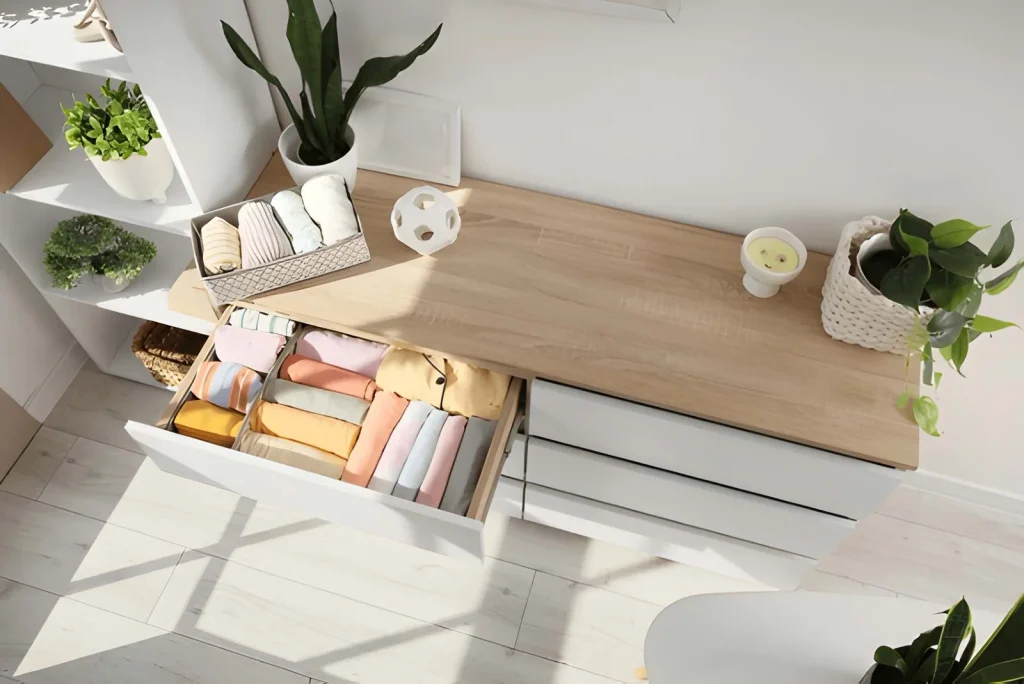
A bedroom can have beautiful bedding, thoughtful lighting, and a carefully chosen color palette, yet still feel unfinished when storage has not been considered properly. Clothes pile up on chairs, accessories disappear into random drawers, and the surfaces that were supposed to make the room feel calm gradually become cluttered.
That is why the right storage furniture can have a bigger impact on a bedroom than many decorative purchases.
A dresser, in particular, sits at an interesting intersection between function and design. It gives you practical storage while also occupying a significant visual area, which means its size, material, shape, and placement can influence the entire room.
The trick is choosing a piece that works for your actual routine rather than simply buying the first attractive option you see. With the right approach, a dresser can make a bedroom easier to organize while also giving the space a more intentional and finished appearance.
Start With What Your Bedroom Actually Needs
Before thinking about color or style, take a realistic look at what you need to store.
Do you have a large collection of folded clothing, or are you mainly looking for somewhere to keep smaller items such as socks, accessories, and sleepwear? Do you need additional storage because your closet is limited, or are you simply trying to replace an old piece that no longer suits the room?
These questions should influence the type and size of dresser you choose.
A bedroom with limited closet space may benefit from a wider dresser with several deep drawers, while a smaller room might work better with a narrower design that provides useful storage without overwhelming the floor area.
It is also worth considering what you already own. Good interior design does not always mean replacing everything. A new storage piece should ideally work alongside your existing bed, nightstands, flooring, and lighting rather than forcing you into a complete redesign.
Measure Before You Buy
Furniture often looks smaller in an online photograph than it does in an actual bedroom.
Before purchasing a dresser, measure the wall where you intend to place it and check the available floor space carefully. Consider not only the width and height but also the depth, particularly if the dresser will sit opposite the bed.
You need enough room to open drawers comfortably without blocking walkways.
Doorways and staircases should also be measured if the furniture is being delivered fully assembled. A dresser that fits beautifully against the bedroom wall is not particularly useful if it cannot make it through the front door or around a narrow hallway.
Taking measurements first may sound obvious, but it prevents one of the most common furniture-buying mistakes: choosing a piece based on appearance and discovering later that the proportions do not work.
Why Wood Works So Well in Bedrooms
Wood has a natural advantage in bedrooms because it introduces warmth and texture without requiring much decoration.
A wooden surface can soften a room filled with painted walls, upholstered furniture, glass, or metal. It also tends to work with a wide range of color schemes, from warm neutrals and earthy greens to darker blues and more dramatic tones.
The character of the wood matters, too.
Lighter finishes can help a smaller bedroom feel airy, while deeper wood tones can create a richer and more traditional atmosphere. A natural finish can emphasize grain and texture, making the furniture feel more organic and visually interesting.
If you are looking for a substantial storage piece that can become part of the room’s design rather than simply disappearing into the background, a wooden dresser for bedroom can be a particularly versatile choice.
The goal is not necessarily to match every wooden element in the room perfectly. In many cases, combining related but slightly different wood tones creates a more relaxed and collected look.
Pay Attention to the Dresser’s Proportions
A dresser should look as though it belongs in the room.
If it is too small, it may look insignificant against a large wall. If it is too large, the bedroom can quickly feel crowded. Proportion is especially important in smaller bedrooms where every piece of furniture has a stronger visual impact.
Think about the relationship between the dresser and the bed. A very low dresser beside a tall bed can create an uneven composition, while a tall storage piece may work better in a room with higher ceilings.
You should also consider the width of the wall.
A dresser does not have to fill the entire wall, but it should have enough presence to feel intentional. Leaving some breathing room around it can actually make the furniture appear more substantial because the eye has space to appreciate its shape.
Choose Drawers That Match Your Routine
Not all storage is equally useful.
Deep drawers are excellent for sweaters, jeans, and larger clothing items, while shallower drawers can be more convenient for underwear, accessories, and smaller garments.
Think about how you naturally organize your belongings. If you tend to fold most of your clothes, prioritize drawer space. If you need a place for jewelry, watches, or other small objects, look for a layout that includes smaller compartments or use organizers inside larger drawers.
The best storage system is one that makes putting things away almost effortless.
A beautiful dresser that requires you to cram everything into one oversized drawer will not solve a clutter problem. Practicality should always come before decoration.
Give the Dresser a Proper Place in the Layout
Where you put a dresser can affect how the entire bedroom feels.
The most obvious position is often against a free wall, but that is not always the best option. Consider sightlines from the doorway and from the bed. If the dresser is visible immediately when you enter the room, it can become a natural focal point.
Make sure it does not interfere with windows, heating vents, electrical outlets, or natural walking routes.
In smaller bedrooms, using vertical space can be particularly useful. A taller piece can provide considerable storage while taking up less floor area than a very wide dresser.
At the same time, do not assume that bigger storage is always better. Leaving some visible floor around furniture can make a room feel more spacious and easier to move through.
Style the Top Without Creating More Clutter
The top of a dresser is one of those surfaces that can either make a bedroom look beautifully finished or become a magnet for random objects.
A simple arrangement is usually more effective than filling every inch.
Start with one larger visual element, such as a mirror, artwork, or framed photograph. Then add one or two smaller objects, such as a lamp, vase, plant, or decorative tray.
Think about height as well. A tall lamp beside a lower decorative object creates more visual interest than several items sitting at exactly the same level.
If you use the dresser every day, leave some clear space available. A beautifully styled surface is not successful if you have to move five decorations every morning just to find somewhere to place your watch or phone.
Use a Mirror to Make the Arrangement Feel Larger
A mirror above a dresser is a classic bedroom combination for good reason.
It gives the wall a clear focal point and can help reflect natural or artificial light around the room. In a smaller bedroom, a well-positioned mirror can also create the impression of additional visual space.
The proportions should relate to the dresser beneath it. A tiny mirror over a wide dresser may feel disconnected, while an oversized mirror can dominate the furniture.
You do not necessarily need a traditional rectangular mirror, either. Rounded, arched, or organically shaped designs can introduce softer forms into a bedroom dominated by straight furniture lines.
Keep Everyday Items Organized
A dresser can become cluttered even when the rest of the bedroom is tidy.
The reason is simple: it is often where everyday routines happen.
Wallets, keys, watches, glasses, hair accessories, chargers, and other small objects tend to land on the nearest convenient surface. Instead of fighting this habit, give those objects a designated place.
A small tray can collect frequently used items. A drawer organizer can prevent smaller belongings from becoming mixed together. A decorative box can conceal objects that you want nearby but do not necessarily want visible.
Organization works best when it follows your routine rather than requiring you to completely change your habits.
Combine Storage With Other Furniture Carefully
A dresser should not be considered in isolation.
Look at the other storage pieces in the room and decide whether they are actually serving different purposes. If the bedroom already has a large wardrobe, for example, the dresser may be better used for smaller clothing and accessories.
If storage is limited, the dresser may need to carry more responsibility.
The important thing is avoiding unnecessary duplication. Multiple large storage pieces can quickly make a bedroom feel heavy, particularly when they are placed close together.
Instead, think of the entire room as one storage system. The wardrobe, dresser, bedside tables, under-bed storage, and shelving should each have a clear purpose.
Use Lighting to Highlight the Furniture
Lighting is often discussed in terms of mood, but it also affects how furniture looks.
Warm lighting can bring out the natural character of wood and make a bedroom feel more relaxing in the evening. A table lamp positioned on the dresser can create a soft pool of light while also becoming part of the styling.
If the dresser sits opposite a window, natural light can highlight the texture of the furniture during the day.
Avoid relying entirely on one ceiling fixture. Layered lighting usually makes a bedroom feel more comfortable and gives you greater control over how the room looks at different times of day.
Mix Old and New Pieces
A bedroom does not need to look like everything was purchased at the same time.
In fact, mixing furniture from different periods can make the space feel much more personal.
A contemporary bed can work with a vintage-looking dresser. Modern artwork can sit above traditional wooden furniture. A simple lamp can contrast nicely with a more detailed piece.
The key is finding a connection between the objects.
They might share a similar wood tone, color, shape, material, or overall visual weight. They do not have to match perfectly.
This approach creates a room that feels collected rather than staged.
Avoid Buying Furniture Just Because It Is Trending
Interior trends can be useful for inspiration, but they should not determine every major furniture purchase.
A dresser is a relatively substantial piece that you may use for years, so think beyond what is currently popular online.
Ask yourself whether you still expect to like the shape, finish, and proportions several years from now.
Natural materials and straightforward silhouettes tend to be particularly adaptable because they can work with changing accessories and color schemes.
Instead of replacing a major piece whenever your taste changes, you can update the room through bedding, artwork, rugs, curtains, and smaller decorative elements.
That is both more practical and more sustainable.
Keep the Bedroom Easy to Maintain
Good design should make everyday life easier, not create additional work.
Choose furniture that can be cleaned without complicated maintenance. Avoid filling the top of the dresser with so many decorative objects that dusting becomes an unpleasant task.
Leave enough space around the furniture to vacuum and clean properly. If the piece has legs or an elevated base, make sure the space underneath can be reached during regular cleaning.
These details may not appear in a photograph, but they have a major effect on how enjoyable the room is to live in.
Let the Dresser Become Part of the Room’s Story
The best bedrooms usually contain a mixture of practical objects and personal details.
A dresser can become part of that story.
Perhaps it holds photographs from family trips, books you actually read, a ceramic piece you found while traveling, or a plant that has grown with you over the years. These details give the furniture a purpose beyond storage.
Rather than trying to create a bedroom that looks like a showroom, create one that reflects the person who sleeps there.
That does not mean filling the room with possessions. It means choosing a few things that genuinely matter and giving them enough space to be appreciated.
Final Thoughts
Choosing the right bedroom dresser is about much more than finding somewhere to put your clothes.
The right piece can improve organization, balance the proportions of a room, introduce natural warmth, and provide a useful surface for lighting and personal decoration. When its size and placement are considered carefully, it can become one of the strongest visual anchors in the bedroom.
Start by measuring your space and understanding what you actually need to store. Then consider materials, proportions, drawer layouts, placement, and how the furniture will work with the pieces you already own.
Most importantly, choose furniture that supports the way you live.
A well-designed bedroom does not need to be filled with expensive decorations. It needs enough storage to stay calm, enough personality to feel like home, and furniture that makes everyday routines easier. A thoughtfully chosen wooden dresser can bring all three together. Read more at https://mintpaldecor.org/.