Choose and Style a Bedroom Dresser for a More Beautiful, Organized Space

Style a Bedroom Dresser

A bedroom can have beautiful bedding, thoughtful lighting, and a carefully chosen color palette, yet still feel unfinished when storage has not been considered properly. Clothes pile up on chairs, accessories disappear into random drawers, and the surfaces that were supposed to make the room feel calm gradually become cluttered.

That is why the right storage furniture can have a bigger impact on a bedroom than many decorative purchases.

A dresser, in particular, sits at an interesting intersection between function and design. It gives you practical storage while also occupying a significant visual area, which means its size, material, shape, and placement can influence the entire room.

The trick is choosing a piece that works for your actual routine rather than simply buying the first attractive option you see. With the right approach, a dresser can make a bedroom easier to organize while also giving the space a more intentional and finished appearance.

Start With What Your Bedroom Actually Needs

Before thinking about color or style, take a realistic look at what you need to store.

Do you have a large collection of folded clothing, or are you mainly looking for somewhere to keep smaller items such as socks, accessories, and sleepwear? Do you need additional storage because your closet is limited, or are you simply trying to replace an old piece that no longer suits the room?

These questions should influence the type and size of dresser you choose.

A bedroom with limited closet space may benefit from a wider dresser with several deep drawers, while a smaller room might work better with a narrower design that provides useful storage without overwhelming the floor area.

It is also worth considering what you already own. Good interior design does not always mean replacing everything. A new storage piece should ideally work alongside your existing bed, nightstands, flooring, and lighting rather than forcing you into a complete redesign.

Measure Before You Buy

Furniture often looks smaller in an online photograph than it does in an actual bedroom.

Before purchasing a dresser, measure the wall where you intend to place it and check the available floor space carefully. Consider not only the width and height but also the depth, particularly if the dresser will sit opposite the bed.

You need enough room to open drawers comfortably without blocking walkways.

Doorways and staircases should also be measured if the furniture is being delivered fully assembled. A dresser that fits beautifully against the bedroom wall is not particularly useful if it cannot make it through the front door or around a narrow hallway.

Taking measurements first may sound obvious, but it prevents one of the most common furniture-buying mistakes: choosing a piece based on appearance and discovering later that the proportions do not work.

Why Wood Works So Well in Bedrooms

Wood has a natural advantage in bedrooms because it introduces warmth and texture without requiring much decoration.

A wooden surface can soften a room filled with painted walls, upholstered furniture, glass, or metal. It also tends to work with a wide range of color schemes, from warm neutrals and earthy greens to darker blues and more dramatic tones.

The character of the wood matters, too.

Lighter finishes can help a smaller bedroom feel airy, while deeper wood tones can create a richer and more traditional atmosphere. A natural finish can emphasize grain and texture, making the furniture feel more organic and visually interesting.

If you are looking for a substantial storage piece that can become part of the room’s design rather than simply disappearing into the background, a wooden dresser for bedroom can be a particularly versatile choice.

The goal is not necessarily to match every wooden element in the room perfectly. In many cases, combining related but slightly different wood tones creates a more relaxed and collected look.

Pay Attention to the Dresser’s Proportions

A dresser should look as though it belongs in the room.

If it is too small, it may look insignificant against a large wall. If it is too large, the bedroom can quickly feel crowded. Proportion is especially important in smaller bedrooms where every piece of furniture has a stronger visual impact.

Think about the relationship between the dresser and the bed. A very low dresser beside a tall bed can create an uneven composition, while a tall storage piece may work better in a room with higher ceilings.

You should also consider the width of the wall.

A dresser does not have to fill the entire wall, but it should have enough presence to feel intentional. Leaving some breathing room around it can actually make the furniture appear more substantial because the eye has space to appreciate its shape.

Choose Drawers That Match Your Routine

Not all storage is equally useful.

Deep drawers are excellent for sweaters, jeans, and larger clothing items, while shallower drawers can be more convenient for underwear, accessories, and smaller garments.

Think about how you naturally organize your belongings. If you tend to fold most of your clothes, prioritize drawer space. If you need a place for jewelry, watches, or other small objects, look for a layout that includes smaller compartments or use organizers inside larger drawers.

The best storage system is one that makes putting things away almost effortless.

A beautiful dresser that requires you to cram everything into one oversized drawer will not solve a clutter problem. Practicality should always come before decoration.

Give the Dresser a Proper Place in the Layout

Where you put a dresser can affect how the entire bedroom feels.

The most obvious position is often against a free wall, but that is not always the best option. Consider sightlines from the doorway and from the bed. If the dresser is visible immediately when you enter the room, it can become a natural focal point.

Make sure it does not interfere with windows, heating vents, electrical outlets, or natural walking routes.

In smaller bedrooms, using vertical space can be particularly useful. A taller piece can provide considerable storage while taking up less floor area than a very wide dresser.

At the same time, do not assume that bigger storage is always better. Leaving some visible floor around furniture can make a room feel more spacious and easier to move through.

Style the Top Without Creating More Clutter

The top of a dresser is one of those surfaces that can either make a bedroom look beautifully finished or become a magnet for random objects.

A simple arrangement is usually more effective than filling every inch.

Start with one larger visual element, such as a mirror, artwork, or framed photograph. Then add one or two smaller objects, such as a lamp, vase, plant, or decorative tray.

Think about height as well. A tall lamp beside a lower decorative object creates more visual interest than several items sitting at exactly the same level.

If you use the dresser every day, leave some clear space available. A beautifully styled surface is not successful if you have to move five decorations every morning just to find somewhere to place your watch or phone.

Use a Mirror to Make the Arrangement Feel Larger

A mirror above a dresser is a classic bedroom combination for good reason.

It gives the wall a clear focal point and can help reflect natural or artificial light around the room. In a smaller bedroom, a well-positioned mirror can also create the impression of additional visual space.

The proportions should relate to the dresser beneath it. A tiny mirror over a wide dresser may feel disconnected, while an oversized mirror can dominate the furniture.

You do not necessarily need a traditional rectangular mirror, either. Rounded, arched, or organically shaped designs can introduce softer forms into a bedroom dominated by straight furniture lines.

Keep Everyday Items Organized

A dresser can become cluttered even when the rest of the bedroom is tidy.

The reason is simple: it is often where everyday routines happen.

Wallets, keys, watches, glasses, hair accessories, chargers, and other small objects tend to land on the nearest convenient surface. Instead of fighting this habit, give those objects a designated place.

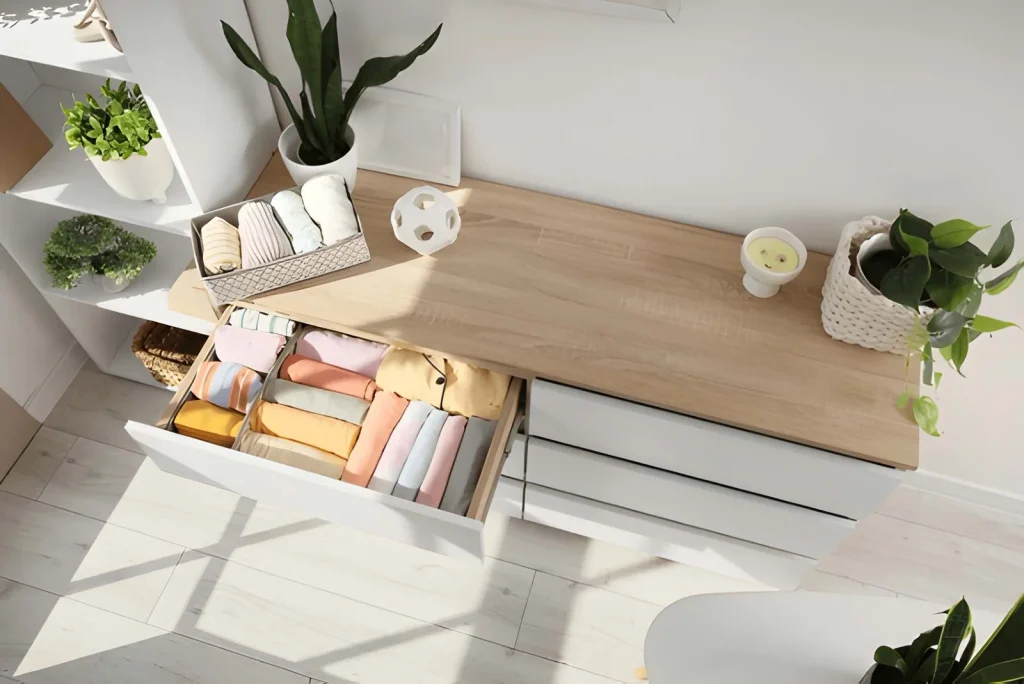
A small tray can collect frequently used items. A drawer organizer can prevent smaller belongings from becoming mixed together. A decorative box can conceal objects that you want nearby but do not necessarily want visible.

Organization works best when it follows your routine rather than requiring you to completely change your habits.

Combine Storage With Other Furniture Carefully

A dresser should not be considered in isolation.

Look at the other storage pieces in the room and decide whether they are actually serving different purposes. If the bedroom already has a large wardrobe, for example, the dresser may be better used for smaller clothing and accessories.

If storage is limited, the dresser may need to carry more responsibility.

The important thing is avoiding unnecessary duplication. Multiple large storage pieces can quickly make a bedroom feel heavy, particularly when they are placed close together.

Instead, think of the entire room as one storage system. The wardrobe, dresser, bedside tables, under-bed storage, and shelving should each have a clear purpose.

Use Lighting to Highlight the Furniture

Lighting is often discussed in terms of mood, but it also affects how furniture looks.

Warm lighting can bring out the natural character of wood and make a bedroom feel more relaxing in the evening. A table lamp positioned on the dresser can create a soft pool of light while also becoming part of the styling.

If the dresser sits opposite a window, natural light can highlight the texture of the furniture during the day.

Avoid relying entirely on one ceiling fixture. Layered lighting usually makes a bedroom feel more comfortable and gives you greater control over how the room looks at different times of day.

Mix Old and New Pieces

A bedroom does not need to look like everything was purchased at the same time.

In fact, mixing furniture from different periods can make the space feel much more personal.

A contemporary bed can work with a vintage-looking dresser. Modern artwork can sit above traditional wooden furniture. A simple lamp can contrast nicely with a more detailed piece.

The key is finding a connection between the objects.

They might share a similar wood tone, color, shape, material, or overall visual weight. They do not have to match perfectly.

This approach creates a room that feels collected rather than staged.

Avoid Buying Furniture Just Because It Is Trending

Interior trends can be useful for inspiration, but they should not determine every major furniture purchase.

A dresser is a relatively substantial piece that you may use for years, so think beyond what is currently popular online.

Ask yourself whether you still expect to like the shape, finish, and proportions several years from now.

Natural materials and straightforward silhouettes tend to be particularly adaptable because they can work with changing accessories and color schemes.

Instead of replacing a major piece whenever your taste changes, you can update the room through bedding, artwork, rugs, curtains, and smaller decorative elements.

That is both more practical and more sustainable.

Keep the Bedroom Easy to Maintain

Good design should make everyday life easier, not create additional work.

Choose furniture that can be cleaned without complicated maintenance. Avoid filling the top of the dresser with so many decorative objects that dusting becomes an unpleasant task.

Leave enough space around the furniture to vacuum and clean properly. If the piece has legs or an elevated base, make sure the space underneath can be reached during regular cleaning.

These details may not appear in a photograph, but they have a major effect on how enjoyable the room is to live in.

Let the Dresser Become Part of the Room’s Story

The best bedrooms usually contain a mixture of practical objects and personal details.

A dresser can become part of that story.

Perhaps it holds photographs from family trips, books you actually read, a ceramic piece you found while traveling, or a plant that has grown with you over the years. These details give the furniture a purpose beyond storage.

Rather than trying to create a bedroom that looks like a showroom, create one that reflects the person who sleeps there.

That does not mean filling the room with possessions. It means choosing a few things that genuinely matter and giving them enough space to be appreciated.

Final Thoughts

Choosing the right bedroom dresser is about much more than finding somewhere to put your clothes.

The right piece can improve organization, balance the proportions of a room, introduce natural warmth, and provide a useful surface for lighting and personal decoration. When its size and placement are considered carefully, it can become one of the strongest visual anchors in the bedroom.

Start by measuring your space and understanding what you actually need to store. Then consider materials, proportions, drawer layouts, placement, and how the furniture will work with the pieces you already own.

Most importantly, choose furniture that supports the way you live.

A well-designed bedroom does not need to be filled with expensive decorations. It needs enough storage to stay calm, enough personality to feel like home, and furniture that makes everyday routines easier. A thoughtfully chosen wooden dresser can bring all three together. Read more at https://mintpaldecor.org/.

Evaporative Cooling Options: How They Work, Types, and When They Beat HVAC

Evaporative Cooling Options

Evaporative cooling offers a way to cool homes in hot, dry climates without relying on a traditional refrigeration cycle. By using water, airflow, and ventilation, these systems can reduce indoor temperatures efficiently. Knowing the available system types and their limits helps homeowners decide whether this cooling method fits their needs.

Traditional air conditioning is not the only way to stay comfortable during a hot summer. Evaporative coolers use water evaporation to reduce the temperature of warm outdoor air before moving it indoors. For homeowners considering evaporative cooling options in the Central Valley, the region’s generally dry conditions can make this approach especially effective. These systems can use less electricity than compressor-based air conditioning while bringing a steady supply of fresh air into the home. Still, proper sizing, ventilation, water flow, and maintenance matter. Learning how evaporative cooling works can help you decide whether it suits your home and comfort expectations.

How Evaporative Cooling Works

An evaporative cooler draws warm outside air through water-saturated pads. As the water evaporates, it absorbs heat and cools the passing air. A blower then distributes that air through the home.

Unlike central AC, evaporative cooling does not depend on a refrigeration compressor. It also needs an exit path for indoor air. Open windows or properly designed vents allow warmer air to leave as fresh, cooled air enters.

Types of Evaporative Cooling Systems

The main designs differ in how they handle air and moisture:

  • Direct cooling: Air passes through wet pads, becoming cooler and more humid.
  • Indirect cooling: A heat exchanger cools the supply air without adding as much moisture.
  • Indirect-direct cooling: Two stages combine indirect cooling with direct evaporation for greater temperature reduction.

Direct systems are often the simplest option for dry climates. More advanced designs may offer better humidity control, but the right choice depends on the home, climate, and cooling goals.

When Evaporative Cooling Can Beat HVAC

Evaporative cooling has its strongest advantage in hot, low-humidity weather. Dry air allows water to evaporate more readily, which improves cooling performance. These systems can also use less electricity because their primary electrical components are typically a fan and water pump rather than a compressor.

For homeowners comparing evaporative cooling options in the Central Valley, lower electrical demand, fresh-air circulation, and simpler operation can be attractive benefits. Conventional central AC may still be better when humidity rises or when precise indoor temperature control is a priority.

What to Check Before Choosing One

Start with system size, airflow, and ventilation. A cooler that is too small may struggle during peak heat, while poor airflow can leave some rooms uncomfortable.

Maintenance matters too. Cooling pads, water lines, pumps, and blower components should be checked regularly. Mineral buildup and dirty pads can reduce performance. Professional installation, repair, and seasonal maintenance can help keep an evaporative cooling system operating properly during warmer months.

FAQs About Evaporative Cooling

Do Evaporative Coolers Need Open Windows?

Yes. Direct systems usually need open windows or vents so warm indoor air can escape while cooled outdoor air enters.

Do They Work Well in Humid Weather?

Performance drops as humidity rises because less water can evaporate into already-moist air.

Do Evaporative Coolers Use Refrigerant?

Standard evaporative coolers rely on water and airflow rather than the refrigerant-based process used by conventional AC.

How Often Should the System Be Maintained?

Regular seasonal checks are wise, especially for cooling pads, water flow, mineral buildup, and blower operation.

Wrapping Up 

Evaporative cooling can be a practical alternative to conventional air conditioning in a hot, dry climate. It cools incoming air through water evaporation, uses continuous fresh airflow, and may require less electricity than compressor-based systems. Direct, indirect, and two-stage designs offer different levels of moisture control and cooling performance.

Before choosing a system, consider local humidity, home size, ventilation, water use, and maintenance needs. Proper sizing and installation are essential because even an efficient cooler will underperform if airflow is poor or the equipment does not match the home. For homeowners researching evaporative cooling options in the Central Valley, professional guidance can help determine whether this type of cooling is suitable and keep the system working through installation, repair, and seasonal service. The best choice is the one that balances comfort, climate, operating costs, and reliable long-term performance.Read more at https://mintpaldecor.org/.
How Anaheim Homeowners Can Make Decorative Spaces Easier to Inspect for Pests

Decorative Spaces Easier to Inspect for Pests

A living room can look completely put together and still hide something unpleasant behind its nicest features. The oversized armchair nobody’s moved in three years, the woven basket tucked in a corner, the rug layered over another rug for texture, these choices make a house feel finished, but they also create exactly the kind of undisturbed pockets where pests settle in without anyone noticing. Style and pest prevention don’t have to work against each other, but it helps to understand where the two collide.

Furniture Placement Sets the Tone for What Gets Missed

Heavy furniture that stays in one spot for years does more than anchor a room’s layout. It blocks a homeowner’s view of the baseboards, corners, and floor space directly beneath and behind it, which is precisely where droppings, shed insect skins, or gnaw marks tend to show up first. A sectional pushed flush against a wall, a bookshelf that hasn’t budged since move-in day, or a media console packed tight against an outlet all create a kind of permanent blind spot in an otherwise well-kept room.

Built-in shelving carries a similar issue, though it’s less obvious because the shelving itself looks intentional and clean. Items stored deep on lower shelves or crammed into corner units rarely get pulled out and checked, and dust or debris that accumulates behind them can mask early signs of ant trails or spider webbing forming in the gaps between the wall and the unit.

Rugs, Curtains, and Baskets Can Work For or Against You

Textiles add warmth to a room, but they also introduce more surface area for pests to hide in or damage without detection. A rug layered over carpet, particularly a thick or heavily textured one, can conceal insect activity happening at floor level, including trails left by ants or the early signs of carpet beetle damage. Curtains that pool on the floor or hang low against a wall offer a similarly quiet spot for spiders, since the fabric folds create small, undisturbed pockets that rarely get shaken out or vacuumed.

Decorative baskets deserve particular attention because they’re often stored with lids on, tucked into corners, and left untouched for months at a time. A basket holding spare blankets or seasonal items can end up housing far more than that if nobody checks inside it regularly. Homeowners who’ve eventually found droppings or nesting material inside a decorative basket often didn’t think to look there until something else, a smell, a stain, a sound, prompted a closer inspection. Reaching out to a team like Corky’s Pest Control in Anaheim at that point usually clarifies how far the activity has actually spread, since what’s visible in one basket rarely tells the full story of what’s happening in the room around it.

Wall Features and Crowded Displays Add Their Own Risk

Gallery walls, floating shelves packed with decor, and statement wall features can all create small gaps between frames, objects, and the wall surface itself. These gaps rarely get dusted individually, and a crowded display makes it harder to notice a stray web forming in a corner or a small trail of debris that wouldn’t stand out against a busy backdrop. The more visually dense a wall arrangement becomes, the easier it is for a homeowner’s eye to skip right past a sign of activity that would be obvious on a bare wall.

This doesn’t mean decorative walls or full shelving need to go. It simply means they benefit from being treated as something to periodically inspect, not just admire. A quick check behind frames and around shelf edges every so often catches problems while they’re still small enough to handle easily.

Decor Choices That Keep Inspection Simple

A few adjustments make it far easier to check for pest activity without giving up on a room’s overall look:

  • Leave a small gap between large furniture pieces and the wall so light and airflow can reach the baseboard behind them.
  • Rotate or lift area rugs every few months to check the flooring underneath for droppings, damage, or webbing.
  • Open lidded storage baskets on a regular schedule rather than assuming their contents are undisturbed.
  • Keep curtain hems slightly off the floor and shake or vacuum them periodically to catch webbing early.
  • Space out items on floating shelves or gallery walls just enough to make a quick visual check possible without rearranging the whole display.

None of these changes require sacrificing a room’s style. They mostly involve building a habit of looking, since most infestations grow specifically in the places nobody’s checking.

Spotting Trouble Behind the Features You Love

Even with good habits, some signs only surface once a homeowner finally moves a piece of furniture or empties a basket that’s been sitting untouched for a while. Small piles of what looks like pepper near a baseboard, chewed fabric edges on a curtain, or a cluster of webbing tucked behind a picture frame are all worth taking seriously rather than cleaning up and forgetting about. These signs usually mean activity has been present for a while, not that it just started.

When something like this turns up behind a couch, inside a basket, or along a rarely moved shelf, a professional look tends to answer questions a homeowner can’t easily answer alone, mainly how far the activity extends and what’s actually causing it. Corky’s Pest Control in Anaheim can assess whether the issue is isolated to one decorative feature or part of something larger moving through the walls or flooring nearby, which makes it easier to decide on next steps without guessing.

The Bigger Picture

Decorative choices and pest prevention aren’t at odds with each other, but a home’s most stylish features often double as its best hiding spots for droppings, webbing, and damage that go unnoticed for months. Furniture that never moves, textiles that pool or fold, and crowded displays all reduce visibility in ways that have nothing to do with cleanliness. Building in a habit of periodic inspection, lifting rugs, opening baskets, checking behind frames, keeps a home’s look intact while making sure nothing’s quietly settling in behind it. Read more at https://mintpaldecor.org/.

How Interior Finishes Can Be Chosen With Pest Resistance in Mind

Pest Resistance in Mind

Design decisions inside a home rarely get evaluated for pest resistance, yet the materials chosen for floors, cabinets, walls, and storage quietly determine how much cover a pest problem has to work with. A home finished in seam-heavy, porous materials offers ants, cockroaches, silverfish, and rodents dozens of small refuges before anyone notices activity. A home built around sealed edges and smooth, accessible surfaces offers almost none. This distinction rarely comes up during a remodel, but it becomes obvious the moment pest activity starts and a homeowner tries to figure out where it’s coming from.

Flooring Sets the Tone for How Pests Move Through a Room

Flooring absorbs more daily wear, spills, and moisture than any other interior surface, and its construction largely determines whether pests can exploit it. Tile, sealed concrete, and properly finished hardwood form a continuous barrier that resists burrowing and hiding. The weak point is usually the seam: unsealed grout lines soak up moisture and food debris in a way that can sustain silverfish and small ants for extended periods, even when the surrounding floor looks spotless.

Carpet introduces a different set of problems. Fibers hold crumbs, pet dander, and moisture close to the floor, conditions that support carpet beetle larvae and give cockroach nymphs cover while moving between rooms. Carpet isn’t inherently a poor choice, but in kitchens, laundry areas, and bathrooms, a sealed hard surface simplifies both cleaning and inspection considerably. Baseboards factor in here as well, since the narrow gap where trim meets flooring is one of the most heavily used pest travel routes in a house. Caulking that seam during installation, rather than leaving the natural gap, eliminates a hiding place that most homeowners never think to check.

What Cabinetry Hides Behind Its Own Base

Few interior features harbor pests as reliably as kitchen and bathroom cabinetry, mainly because the cavity behind and beneath a cabinet often goes untouched for years. Cabinets built with a tightly sealed toe-kick, rather than an open gap along the floor, deny pests access to that dark, undisturbed space. Cockroaches in particular favor toe-kick areas, since they sit near kitchen moisture and food sources while remaining almost completely hidden from view.

Material selection compounds the issue. Particleboard and MDF cabinetry soften when exposed to repeated moisture from a slow leak or condensation, and softened material is far easier for pests to chew or tunnel through than solid wood or sealed laminate. When activity clusters near a sink base or dishwasher enclosure, the underlying cause is frequently a moisture problem inside the cabinet structure rather than a simple food source. Magic City Pest Control pest control inspections in situations like these often turn up moisture damage or an active nest that a homeowner would have no reasonable way to detect without removing fixed cabinet panels.

Wall Surfaces and the Case for Sealed, Even Finishes

Wall texture affects pest movement more than most homeowners assume. Rough or heavily textured finishes, along with unsealed drywall seams and gaps around outlets and switch plates, create small crevices where insects travel largely undetected. Smooth, painted, and properly sealed walls close off much of that access, pushing pests into more exposed paths where they’re far easier to spot and address.

Outlet and switch covers are worth singling out, since the gap behind them frequently connects to wall cavities running throughout a home. Foam gaskets placed behind these covers close that gap at almost no cost and without affecting how the outlet functions. Wallpaper carries its own risk, since older paper adhesives contain starches that attract silverfish. Bathrooms and other humid rooms with wallpaper warrant occasional checks along loose seams, where moisture tends to collect first and cause the paper to lift.

Fabrics and Storage Materials Carry Risk Quietly

Soft furnishings and stored textiles present some of the least visible pest risks in a home, largely because they sit untouched for long stretches. Upholstered furniture, curtains, and rugs made from wool or cotton attract fabric moths and carpet beetles more readily than synthetic materials, since these pests feed specifically on natural protein and cellulose fibers. That doesn’t mean avoiding natural fiber decor altogether, only that it deserves more frequent inspection than synthetic equivalents receive.

Storage materials matter just as much as the fabrics themselves. Cardboard boxes double as both a food source and nesting material for silverfish and rodents, while sealed plastic containers with tight-fitting lids resist both functions. Swapping cardboard for rigid bins during a linen closet reorganization is a small, low-cost adjustment that meaningfully lowers the odds of an infestation developing unnoticed in stored fabric.

Choosing Finishes That Simplify Both Cleaning and Inspection

A surface that looks clean isn’t necessarily one that’s easy to inspect. Open shelving, for example, may show more visible dust than closed cabinetry, but it also lets a homeowner catch pest activity immediately rather than months down the line. The same logic applies across a home’s interior finishes generally. A handful of practical decisions support cleanliness and monitoring together:

  • Use sealed grout and caulked seams in kitchens and bathrooms instead of leaving natural gaps around tile and fixtures
  • Choose cabinetry with tight toe-kick seals and moisture-resistant materials near plumbing fixtures
  • Apply smooth, washable wall finishes in high-moisture rooms rather than heavily textured alternatives
  • Store natural fiber textiles in sealed containers and check them each season for early signs of feeding damage
  • Add foam gaskets behind outlet and switch covers on exterior-facing walls

None of these changes require a full renovation. Most fit naturally into routine updates, a cabinet swap, a bathroom refresh, a closet cleanout, without altering a home’s overall aesthetic.

Recognizing When a Concealed Space Needs Attention

Even carefully chosen finishes can’t fully prevent pest activity on their own, particularly in homes with existing moisture issues or structural gaps unrelated to interior materials. Droppings along a baseboard, small holes appearing in stored fabric, shed insect skins near a cabinet base, or a persistent musty smell behind a wall all signal that something has already settled into a space regular cleaning can’t reach.

At that stage, interior finishes shift from a prevention tool to a diagnostic one. A loose toe-kick panel, a gapped outlet cover, or a closet full of cardboard boxes each point toward where an inspection should start. Bringing in Magic City Pest Control pest control to assess these concealed areas tends to resolve the underlying issue far faster than relying on surface cleaning alone, since most of the relevant activity happens behind finishes rather than on top of them.

Key Takeaways

Interior finishes shape far more than how a home looks. Flooring, cabinetry, wall surfaces, fabrics, and storage materials each influence how easily pests can hide, travel, and feed inside a living space, and small choices, sealed seams, moisture-resistant materials, tight cabinet bases, rigid storage bins, add up to noticeably fewer places for pests to operate unnoticed. Homeowners who weigh pest resistance alongside style end up with interiors that are easier to clean and, more importantly, far easier to keep an eye on. Read more at https://mintpaldecor.org/.
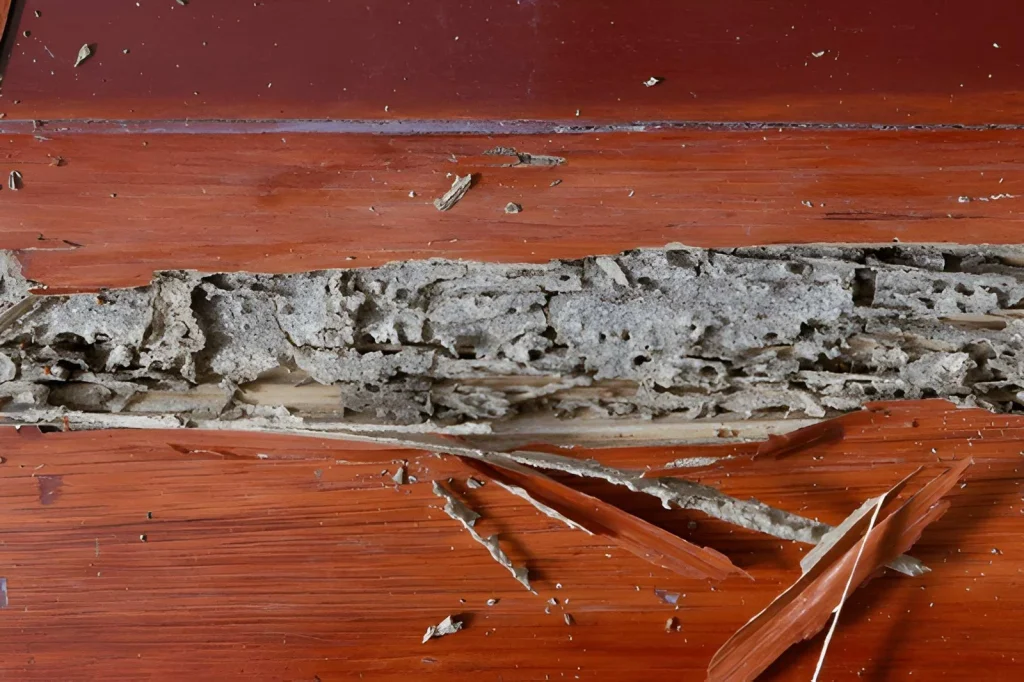
How Torrance Homeowners Can Protect Decorative Interiors From Pest Damage

Decorative Interiors From Pest Damage

Decorative woodwork, custom cabinetry, and carefully chosen fabrics represent a real investment in a home’s character, yet these are often the last places homeowners think to check for pests. A termite colony working through a baseboard, a beetle infestation slowly damaging an antique cabinet, or a rodent gnawing behind a bookshelf can all cause significant harm long before anyone notices anything wrong. By the time damage becomes visible on the surface, the underlying activity has usually been progressing for months.

Protecting these interior features requires a different kind of attention than typical home maintenance. Decorative elements are often overlooked precisely because they are admired rather than used, tucked into corners or built into cabinetry where regular activity would otherwise reveal a problem sooner.

Which Decorative Features Are Most Vulnerable

Wood trim, crown molding, and custom millwork are among the most common targets for both termites and wood-boring beetles, since these materials offer the cellulose these pests need to survive. Older homes with original hardwood details face particular risk, as aging wood can develop small cracks and softened areas that make it easier for pests to gain an initial foothold. Cabinetry built from solid wood carries similar vulnerability, especially in kitchens and bathrooms where nearby moisture from plumbing fixtures creates favorable conditions for termite activity.

Fabrics and textiles present a different kind of risk, primarily from carpet beetles and, in some cases, rodents seeking nesting material. Upholstered furniture, decorative curtains, and stored textiles made from natural fibers such as wool or silk are especially attractive to these pests, since synthetic materials generally hold far less appeal. Flooring, particularly hardwood and certain natural fiber rugs, can also sustain damage from both termites working from below and rodents chewing through edges near baseboards or thresholds.

Stored décor, including seasonal items, artwork, and collectibles kept in closets or storage rooms, often goes unchecked for months at a time. This lack of regular handling makes storage areas one of the more likely places for pest damage to develop undetected, since no one is disturbing the items often enough to notice early signs of trouble.

Recognizing Early Signs Before Damage Becomes Extensive

Small, easy-to-miss signs often precede more serious structural damage, and learning to recognize them makes a significant difference in how early a problem gets addressed. Frass, the sawdust-like material wood-boring beetles leave behind as they tunnel through timber, is one of the more reliable indicators of activity, though it is frequently mistaken for ordinary dust and brushed away without a second thought. Small, round exit holes in wood surfaces, sometimes no larger than a pinhead, indicate that beetles have already completed a portion of their life cycle within the material.

Termite activity presents differently, often showing up as narrow mud tubes along baseboards or hollow-sounding wood when tapped, a sign that the internal structure has been consumed while the outer surface remains largely intact. Gnaw marks with a rougher, more irregular edge typically point toward rodent activity rather than insects, and these marks often appear on cabinet corners, door frames, or the edges of wood furniture where rodents have been testing or wearing down their teeth.

Homeowners working with Torrance pest control providers often learn that stains, particularly water-like discoloration on wood surfaces near baseboards or window frames, can indicate termite activity even in the absence of visible tubes, since moisture from termite tunnels sometimes seeps into surrounding material. Recognizing these small, varied signs collectively, rather than waiting for obvious structural damage, gives homeowners a meaningfully earlier opportunity to intervene.

Inspecting Valuable Materials on a Regular Schedule

Decorative and valuable materials deserve a more deliberate inspection routine than the rest of a home, precisely because they are handled infrequently under normal circumstances. Wood trim and molding benefit from a visual check every few months, looking specifically for small holes, frass accumulation along baseboards, or any softening detectable when pressing gently on a suspect area. Cabinetry, especially in kitchens and bathrooms, warrants periodic inspection of interior surfaces and the underside of cabinets where moisture and pest activity are more likely to develop unnoticed.

A focused inspection routine for decorative materials might include:

  • Checking wood trim and molding for small holes, frass, or soft spots every few months
  • Inspecting the underside and interior surfaces of wood cabinetry for gnaw marks or discoloration
  • Examining stored textiles and fabrics for small holes or shed larval casings twice a year
  • Looking behind large furniture pieces and along baseboards for mud tubes or unusual staining
  • Reviewing stored décor and collectibles during seasonal rotations rather than leaving them completely undisturbed

This kind of routine does not need to be elaborate to be effective. Consistency matters more than thoroughness in any single check, since catching a problem within its first few months makes a considerable difference compared to discovering it a year or more later.

Controlling Moisture to Protect Decorative Wood and Fabric

Moisture control plays a central role in protecting decorative interiors, since both termites and many wood-boring beetles are drawn to wood with elevated moisture content. Homes with plumbing fixtures near wood cabinetry, such as kitchen sinks or bathroom vanities, benefit from periodic checks for slow leaks that might otherwise go unnoticed until wood damage becomes visible. Even minor, ongoing dampness behind a cabinet or beneath a sink can create exactly the conditions these pests are searching for.

Humidity levels throughout the home also affect vulnerability, particularly in rooms with limited ventilation where decorative wood features are common. Maintaining consistent indoor humidity, generally through proper ventilation and, where needed, a dehumidifier in problem areas, reduces the moisture available to support termite or beetle activity in trim, flooring, and cabinetry. Fabrics stored in humid closets or basements face similar risk, since elevated moisture supports both pest activity and mold growth that can further damage delicate materials.

Checking Hidden Spaces Behind Furniture and Cabinetry

Some of the most consequential pest damage develops in spaces that are rarely seen during normal daily life. The area behind large furniture pieces pushed against exterior walls, the back panels of built-in cabinetry, and the space beneath heavy dressers or bookshelves all provide the kind of undisturbed environment that allows pest activity to continue unnoticed for extended periods.

Pulling furniture away from walls periodically, even just a few times a year, allows for a more thorough inspection of baseboards and wall surfaces that would otherwise remain hidden indefinitely. Built-in cabinetry deserves particular attention along its back and bottom panels, where moisture and pest activity are more likely to develop away from view. Homeowners who make this kind of inspection part of a seasonal routine tend to catch problems considerably earlier than those who rely solely on visible surface changes to prompt a closer look.

Getting a Professional Assessment Before Repairing Damage

Once damage is discovered, the instinct to repair it quickly is understandable, particularly for decorative features that affect a room’s overall appearance. Repairing or replacing damaged wood or fabric without first confirming whether the underlying pest activity has been fully addressed, however, often means the same damage reappears within months. A professional assessment through Torrance pest control services can determine whether an infestation is active or resolved, and can identify the specific pest responsible, information that directly affects both the treatment approach and the long-term durability of any repair work that follows.

This step matters most for valuable or irreplaceable items, such as antique furniture or custom millwork, where repair costs and the risk of recurring damage are both significant enough to warrant confirming the full scope of the problem before moving forward.

End Note

Decorative interiors carry real value, both financial and personal, and protecting them from pest damage requires more deliberate attention than the rest of a home typically receives. Termites, rodents, and beetles can all affect wood trim, cabinetry, fabrics, flooring, and stored décor in ways that stay hidden until damage becomes extensive, which makes recognizing early signs like frass, gnawing, stains, and small holes especially important. Regular inspection of valuable materials, consistent moisture control, and periodic checks behind furniture and cabinetry all help catch problems early, while confirming the full extent of any activity before repairs begin protects both the investment already made in a home’s decorative features and the work involved in restoring them. Read more at https://mintpaldecor.org/.

How Decorative Wood Features Can Be Protected From Termite Damage

 Decorative Wood Features

There’s something almost tragic about it: a homeowner spends years choosing the right crown molding, waits for a custom staircase to be built exactly right, finally gets that reclaimed wood accent wall installed, and none of it ever crosses their mind as something that needs protecting. Structural beams, sure, everyone worries about those. But decorative woodwork? It just sits there looking beautiful, until one day it doesn’t. Termites don’t actually care whether a piece of wood is holding up a roof or just making a room look expensive. If it’s cellulose, it’s fair game, and decorative features often turn out to be some of the easiest targets in the whole house.

Beauty Doesn’t Buy Immunity

Here’s the thing most people don’t realize until it’s too late: decorative wood is frequently thinner, more exposed, and more accessible than structural lumber buried inside a wall. Custom cabinetry, ornate molding, hardwood flooring, a gorgeous wood-paneled study, all of it sits right out in the open, often touching walls, floors, or foundations in ways that give termites a direct route in without needing to tunnel through anything substantial first.

And it’s not just about accessibility. A lot of decorative millwork gets installed with adhesives, and certain woods used purely for their look rather than their durability can actually be softer and more appealing to termites than the framing lumber hidden behind the drywall. So while everyone’s picturing termites gnawing away at some unseen support beam, they might already be working through a baseboard three feet from where someone’s standing.

When the First Clue Is Cosmetic, Not Structural

This is honestly one of the more useful things to understand about termite damage: it often shows up as a design problem before it ever looks like a structural one. A section of crown molding that seems to be pulling slightly away from the ceiling. A drawer that suddenly sticks even though nothing about the cabinet has changed. Flooring that develops a strange give underfoot in one specific spot, or paint that starts bubbling in a way that looks suspiciously like water damage but isn’t tied to any actual leak.

None of these scream “termites” at first glance. They look like the kind of wear and tear any older home accumulates. That’s exactly the problem. By the time cosmetic damage becomes obvious enough to investigate, the termites responsible have often been active behind that surface for a good while already, which is why catching these small, easy-to-dismiss signs early actually matters more than people assume. Anyone noticing a pattern of these small cosmetic issues across more than one piece of woodwork is generally better off getting an early look from Kilter Termite and Pest Control rather than waiting to see whether the damage spreads further on its own.

Moisture Is Almost Always Quietly Involved

If you trace back far enough, most termite problems affecting decorative wood share a common thread: moisture got there first. A slow leak behind a wood-paneled bathroom. Condensation building up behind a built-in bookshelf that backs onto an exterior wall. A wine cellar with wood racking sitting in a space that runs more humid than the rest of the house. None of these situations look dangerous on their own, but they create exactly the damp conditions termites need before they’ll ever bother settling into decorative material in the first place.

Managing that moisture is, frankly, one of the more effective things a homeowner can do. Keeping humidity in check around wood features, especially in basements, bathrooms, or anywhere partially below grade, removes a lot of the incentive termites have to show up there at all. A dehumidifier running in a below-grade room with wood paneling, or simply fixing a leak the moment it’s noticed rather than letting it linger for a season, does more preventive work than most people give it credit for. If a damp spot keeps returning near a wood feature no matter how many times it gets dried out, that’s a good reason to bring in Kilter Termite and Pest Control to check whether the moisture has already attracted more than it appears to on the surface.

Wood-to-Soil Contact Is a Bigger Deal Than It Sounds

Anywhere decorative wood touches soil directly, or comes close enough that moisture and termites can bridge the gap easily, is a genuine risk point. Think about wood trim near a foundation planter, decorative posts set into garden beds, or even mulch piled up too close against exterior wood siding or trim. These situations essentially hand termites a direct, unobstructed path from the ground straight into your home’s finished surfaces.

Keeping a gap between soil (or mulch) and any wood feature, even a purely decorative one, cuts off that bridge. It sounds almost too simple to matter, but this kind of physical separation is one of the most reliable ways to prevent subterranean termites from ever establishing that first foothold.

Regular Inspection Catches What a Casual Glance Misses

Most people walk past their crown molding a hundred times a week without actually looking at it. That’s normal, nobody’s expected to inspect their own trim daily. But every so often, a slightly more deliberate check makes a real difference. Tapping along decorative beams, baseboards, and trim every few months, and paying attention to any spot that sounds hollow or papery instead of solid, catches damage while it’s still small and manageable.

The same goes for furniture, especially antique or wood pieces that sit against exterior walls or spend time in a garage or storage area. A quick look underneath, along joints, and in corners where damage tends to start first goes a long way. None of this needs to feel like a chore. It’s more about building a habit of noticing, the kind of casual awareness that catches a problem in its early, cheap-to-fix stage rather than its expensive, structural one.

Don’t Patch Over the Problem Before Understanding It

There’s a real temptation to just fix what’s visible. Molding looks off, so you replace it. A drawer sticks, so you sand it down. But jumping straight to cosmetic repair without figuring out why the damage happened in the first place tends to just bury the evidence while the actual problem, whatever’s causing termites to be there, keeps right on going behind the new material.

A few things worth doing before reaching for a hammer or paintbrush:

  • Photograph any suspicious damage before repairing or replacing it, in case a professional needs to assess the pattern later
  • Check nearby areas for moisture or additional soft spots rather than assuming the damage is isolated to one piece
  • Hold off on refinishing or replacing decorative wood until you’re reasonably confident about what caused the original damage
  • Keep any removed material in case further inspection is needed

Skipping straight to a cosmetic fix might make a room look better for a little while, but it rarely solves anything if termites are still active somewhere nearby.

When It’s Time to Bring in an Expert

Some signs are worth a phone call rather than another DIY attempt. Discarded termite wings collecting near a windowsill or baseboard. Mud tubes running along a foundation wall or up through a crawl space. Multiple pieces of decorative wood showing damage at once, rather than just one isolated spot. Any of these point toward an active colony rather than a one-off issue, and that’s a different situation entirely from a single warped baseboard.

A proper inspection makes sense here, particularly when valuable finishes, custom millwork, antique furniture, hardwood flooring, are involved and a homeowner wants to know the actual extent of the problem before deciding how to move forward. A trained inspector can identify whether damage is contained or part of a larger, ongoing issue, which genuinely changes what kind of repair or treatment makes sense.

Prevention Really Is Worth the Small Effort

None of the steps here require major renovation or constant vigilance. Managing moisture around wood features, keeping soil and mulch away from wood surfaces, doing the occasional inspection tap-test, and addressing damage before painting or replacing anything, these are small, manageable habits that add up to real protection over time. Decorative wood features represent a genuine investment in how a home looks and feels, and treating them with the same basic caution given to structural wood, rather than assuming their purely cosmetic role makes them somehow exempt from termite risk, is really all it takes to keep them safe for years to come. Read more at https://mintpaldecor.org/.

How Cowley Homeowners Can Reduce Pest Activity Around Seasonal Storage Areas

Pest Activity Around Seasonal Storage Areas

Most households have at least one corner set aside for things used only a few weeks out of the year: string lights, a box of ornaments, extra bedding kept for visiting relatives, clothing waiting for the next change in weather. These items get packed away with good intentions and then largely forgotten until the calendar rolls back around. For Cowley homeowners navigating Wyoming’s sharp seasonal swings, that long stretch of neglect is precisely what gives spiders, rodents, and beetles the opening they need.

What Draws Pests Into Boxes of Holiday Décor and Off-Season Items

Stored belongings offer something pests value more than almost anything else: consistency. A box that sits in the same spot for eight or nine months provides a stable environment where nothing gets disturbed, nothing gets moved, and nothing interrupts whatever’s settling in. Spiders take advantage of that stillness by spinning webs in the folds of stored fabric or tucked into a box’s inside seams, where they can wait undisturbed for as long as the container stays closed.

Rodents approach these same spaces with a more practical interest. A stack of cardboard boxes gives them shelter, and cardboard itself, along with any fabric packed inside, becomes material they can shred for bedding. Beetles round out the list of common offenders, particularly species that feed on paper, dried plant material, or natural fibers. A container of artificial garland, an old box of documents, or a bin of wool sweaters can all serve as a food source for the right kind of beetle, and none of it requires the box to be dirty or poorly kept to begin with.

Why Months of Silence Let Small Problems Grow Larger

The real issue with seasonal storage isn’t that it attracts pests. Most parts of a house can attract pests under the right conditions. The issue is that storage areas typically go unchecked for so long that whatever moves in has months of uninterrupted time to establish itself before anyone notices. A spider that builds a web in September might still be there in May if the relevant bin only comes down once a year for the holidays.

Rodents illustrate this timeline even more clearly. A mouse that finds its way into a garage storage area in late fall can build a nest, raise a litter, and expand its presence considerably before a homeowner ever opens the right box to discover it. By the time evidence surfaces, shredded cardboard, droppings scattered along a shelf, a chewed corner of stored fabric, the activity behind it has usually been building for far longer than the discovery itself would suggest. This pattern is one reason Cowley pest control providers often see storage-related cases that turn out to be more extensive than the homeowner initially assumed, simply because nobody had reason to check in on the space sooner.

The Case for Sealed Containers Over Cardboard

Switching from cardboard boxes to sealed plastic totes addresses much of this problem at its source. Cardboard offers almost no resistance to chewing, and its porous structure tends to absorb moisture, which makes it more appealing to insects that prefer a slightly damp environment. A tote with a tight-fitting lid removes both of those vulnerabilities at once, giving pests a much harder surface to work with and keeping humidity away from whatever’s stored inside.

This shift doesn’t need to happen with every item in a household’s storage all at once. Prioritizing anything fabric-based, holiday linens, stuffed decorations, out-of-season clothing, tends to offer the most protection, since these are the materials most likely to draw in beetles or serve as rodent nesting material. Sealed containers also make problems easier to spot early. A cracked lid or visible chew marks along the edge of a tote are far more noticeable than damage hidden inside a soft cardboard box that looks fine from the outside.

Habits That Keep Storage Spaces From Becoming Blind Spots

A few consistent practices go a long way toward catching activity before it has months to develop:

  • Rotate through storage bins at least twice a year rather than only during the specific season an item gets used.
  • Look for droppings, shredded material, or webbing along the inside corners and lid seams of containers during each check.
  • Raise stored items off the floor using shelving or pallets to limit moisture contact and make a visual inspection easier.
  • Address any leaks, condensation, or ventilation issues in storage areas promptly, since dampness draws in both insects and rodents.
  • Group similar belongings into labeled, sealed containers so a routine check doesn’t turn into a lengthy search through mismatched boxes.

None of these steps demand a full reorganization of a garage or basement. They simply treat storage as a space worth revisiting periodically, rather than one that only gets opened when a specific item is needed.

Responding to Signs of Activity When They Turn Up

Finding droppings, chewed cardboard, or an unexpected web while sorting through seasonal items happens more often than most homeowners expect, and it doesn’t automatically mean a serious infestation is underway. It does mean the surrounding area deserves a closer look before everything gets packed back into place. Checking nearby shelves and containers for similar signs, rather than assuming the problem is limited to a single box, gives a more accurate sense of how far things may have spread.

When what’s found points to something more established, several containers showing damage rather than one, or signs of a nest rather than a single mouse passing through, involving a professional for an assessment tends to clarify what’s actually going on. A closer inspection can confirm whether the activity stays contained to the storage area itself or extends into a garage’s structure or an attic space nearby, which makes deciding on next steps far more straightforward than guessing from what’s visible in one opened bin.

End Note

Seasonal storage areas end up as easy targets for pests mainly because they’re built around being ignored for long stretches at a time. Fabric-covered decorations, cardboard boxes, and belongings packed away for months give spiders, rodents, and beetles plenty of room to settle in unnoticed. Moving toward sealed containers, checking in on stored items a couple of times a year, and keeping these spaces dry and reasonably organized all cut down on how inviting they are to pests, and catching the signs early keeps a manageable situation from turning into something much harder to undo. Read more at https://mintpaldecor.org/.

7 Destinations Where Homes Are Designed Entirely Around the View

7 Destinations Where Homes Are Designed

There is a difference between homes that have a view and homes that are built around a view. We are talking about homes having floor to ceiling glass, open floor plans, and wraparound decks which turn each of your rooms into a pleasing lookout point. 

Only a few destinations around the United States have successfully made view-first architectures a whole identity. These places have stood out with their own uniqueness and attraction, and the buyers are also ready to pay a premium for it. 

Our Top 7 Picks for Destinations Where Homes Are Designed Around the View

1. Big Sur, California

With projecting decks and pacific facing glass walls, you can just call Big Sur homes an extension of the coastline. Here, the average home value is around $1.73 million, despite dipping down 2.4% from the last year.

Big Sur is one of the most expensive markets in our list, but waking up around fog in a 1000 feet cliffs is an experience worth spending money on. This is why view-loving buyers love this place.

2. Lake Tahoe, California/Nevada

In Lake Tahoe, homes are built in a way that the residents can frame the lake from any angle. These homes often have A-frame cabins with big windows to help you witness the beautiful scenery outside. Here, the median home price is just below $900k, which is down 4.4% year over year. 

Buyers here pay around $600 per square foot and hardly anyone complains. From the lake views in the hot summer and ski slopes in the cold winter, both of the seasons satisfy you with immense beauty.

Image download: https://unsplash.com/photos/an-aerial-view-of-a-house-in-the-woods-7vYMAVS-cKo

3. Sedona, Arizona

The red rock formation of Sedona practically complements the home designs around. Here, the average home value is around $899k and this is up 0.1% compared to last year. This makes it one of the most stable and consistent markets in our top 7 list.

In Sedona, you will often find desert-modern architecture and warm materials. This aesthetics does not compete with the landscape, instead just blends into it,

4. Jackson Hole, Wyoming 

With massive windows and open concept rooms pointing right at the peaks of Teton Range, Jackson Hole homes are designed to offer peace to your eyes. 

Here, the average home value has reached almost $2M, which shows a 1.2% increase compared to the year before. Some luxury homes even get sold at $7M. This is the most expensive area in our list, but the experience it offers is hard to beat too.

Image download: https://unsplash.com/photos/modern-house-with-large-windows-and-a-green-lawn-d2hYqpR0YS0

5. The Blue Ridge Mountains, North Georgia

If you are a nature lover, you can’t just ignore the Blue Ridge Mountains. Here, homes are built with wraparound porches as well as big windows to help you witness the beautiful mountain ridges and seasonal mysterious fog.

The average home price here is slightly above $511K, which makes it one of the most accessible markets on this list. If you want to explore the best homes around here, then you should work with a local team like the Rick Andrews Real Estate Team, as they can help you to find the exact kind of property you are looking for.  

6. Door County, Wisconsin

The homes in Door County are mostly designed around the shoreline of Lake michigan, with screened porches, docks, and windows focused toward the beautiful waterway and sailboats. 

Here, the average home value is just below $437K, which is a 1.7% up from the last year. With such a low price, it is one of the most affordable yet beautiful destinations in our list.

7. Kauai, Hawaii

In Kauai homes, you will have the pleasure to wake up with ocean breeze and end your day with pretty sunset views. Often, you will find open-air lanais, which blurs the line that exists between your indoor and outdoor lifestyle.

Here, the average home value is around $1M, which shows a 1.7% increase over the last year. Here, homes typically sit on the market for around 40 days. The local architecture focuses more on airflow and view lines over indoor footage.

Final Thoughts 

The seven destinations listed above is a proof that view-first design does not have to follow a single style. Rather, it’s the mindset that matters.

In our list, there are options like Big Sur and Jackson Hole that come with pretty expensive price tags that not everyone can afford. But, for people who can afford, they are excellent deals. On the other hand, there are also the Blue Ridge Mountains and Door County in our list, which proves that a mesmerizing view does not necessarily have to empty your wallet all the time.

If the view is your first preference to go for, our advice would be to choose a house that is built for the scenery, not the other way around. Only then, you will be satisfied in finding out the dream home that satisfies your soul!.Read more at https://mintpaldecor.org/.

Where a $600K Budget Still Buys Four Bedrooms and a Yard 

$600K Budget

In many American housing markets, a $600,000 budget no longer guarantees the kind of home buyers once considered comfortably attainable. Depending on the region, that amount may purchase a compact city property, a condominium, or a smaller suburban housing requiring important updates. 

Though the high-priced coastal metros and high-demand mountain cities are still pushing buyers’ budgets, other places still have a more generous combination of space, privacy, and modern amenities. There are still markets where $600,000 can still be a workable budget for a four-bedroom home with a yard, a garage, and a room to grow. 

Prices can also vary based on neighbourhood, school district, lot size, construction date, and proximity to employment centres. Mortgage rates and insurance costs also play a role in determining affordability for buyers. There are still regional differences. The National Association of REALTORS reported that the median existing single-family home price in the Midwest was approximately $308,100 in early 2026, compared with more than $607,000 in the West. 

On a different note, the $600,000 range offers something increasingly valuable: a complete family home rather than a compromise disguised as a premium address. 

5 markets worth checking 

  1. The suburban sweet spot 

Located in the northern Atlanta metropolitan area, the suburban sweet spot is Roswell, which offers its buyers a combination of community bonding, nature, and convenient access to the wider city region. Buyers who are exploring homes on a $600,000 budget can expect a good interior space, outdoor living culture, and long-term residential amenities from this market. 

Chimney Lakes is one of the most considered communities in the Roswell neighborhood, consisting of more than 380 homes. If you’re considering moving here, you can browse available Chimney Lakes homes for sale to explore current listings. The community features traditional-style houses, spacious lots, and charming wooded surroundings. Residents also enjoy swimming pools, tennis courts, playgrounds, and walking trails for a complete lifestyle. 

Depending on the property’s size, condition, and upgrades, a $600,000 budget may allow buyers to consider spacious floor plans, multiple living areas, home offices, renovated kitchens, garages and private outdoor spaces. For a closer look at one of its residential communities and neighborhood information can help buyers understand the area’s housing character. 

$600K Budget

Image download: https://unsplash.com/photos/gray-wooden-house-178j8tJrNlc

  1. The fast-growing sun belt market

Huntsville is a classic case of a fast growing sun belt market, known as one of the Southeast’s most dynamic employment and technology centres. Its economy is handled by aerospace, defence, engineering, research, and advanced manufacturing, while continued population growth has encouraged new residential construction around the metropolitan area. 

In this market, newer developments may also include community pools, walking trails, playgrounds, and landscaped common areas. These amenities can make a home feel more complete without requiring buyers to purchase a property in a premium luxury enclave. 

Buyers are recommended to compare builder quality, homeowners’ association rules, lot premiums, and the future development planned around a property to get its best value. It is a market where buyers may find modern floor plans and generous square footage without moving into the seven-figure section.  

  1. The midwest space advantage 

Indianapolis is a notable midwest market which combines metropolitan employment, major healthcare and education institutions, professional sports, cultural attractions, and extensive suburban housing options. 

A $600,000 budget in the Indianapolis area can go a long way beyond the basic four-bedroom requirement. Buyers can find newer construction with five bedrooms, finished basements, dedicated offices, large kitchens and sizable lots, depending on the suburb. 

New developments may feature energy-efficient systems and contemporary layouts, while older neighborhoods may have huge trees and larger yards. Besides, the construction and land costs in this area have been historically been less restrictive than in many coastal markets, helping developers deliver larger homes at more accessible price points. 

$600K Budget

Image download: https://unsplash.com/photos/a-small-white-house-with-a-red-awning-yqozBsi5ioc

  1. The outdoor-lifestyle bargain 

Colorado Springs is an outdoor-lifestyle bargain. At $600,000, the budget may be enough for a four-bedroom suburban home, particularly in areas farther from the city’s most demanded central neighborhoods.  

The lifestyle is a major part of the equation. Residents have access to hiking, cycling, climbing, parks, and scenic drives. The broader Colorado market has shown signs of increased buyer leverage in some areas, with a substantial share of listings receiving price reductions in 2026. 

  1. The new-construction value market 

A clear example of this market is San Antonio. The city’s broad suburban development pattern has supported a wide range of housing options, from entry-level subdivisions to larger master-planned communities. 

At $600,000, buyers may be able to consider four or five bedroom homes with contemporary kitchens, flexible lofts, covered patios, home offices, upgraded primary suites, and three-car garages. 

New construction can also be appealing because it may reduce the immediate renovation burden. San Antonio offers a varied lifestyle beyond the suburbs, including a historic urban vibe, major cultural attractions, restaurants, parks, and access to the Texas Hill Country. 

What buyers should prioritize

A spacious home is appealing, but buyers should also prioritize location that reduces exhaustion from commute to schools, healthcare, shopping, and everyday services. Look beyond the bedroom count because the size of the rooms, storage, and a practical separation between work, entertaining, and private spaces matter too. 

Also calculate the ongoing costs including property taxes, insurance, utilities, maintenance, association dues, and potential repairs. Assess drainage, privacy, fencing, irrigation, landscaping requirements, and the possibility of future construction nearby. 

Lastly, compare new and resale homes because new construction may offer immediate maintenance needs, while an established home may provide a better location, or more negotiating flexibility. 

Conclusion

A $600,000 home-buying budget no longer carries the same meaning everywhere in the United States. In some markets, it may secure only a modest property. In others, it can still deliver the traditional suburban ideal with four bedrooms, a yard, a garage, and room for everyday life to unfold comfortably. 

Jacksonville, Huntsville, Indianapolis, Colorado Springs, and San Antonio each offer a different version of that opportunity. Some stand out because of affordability, others due to job growth, outdoor scenario, community bonding, or renovated houses. 

The smartest buyers focus on the budget as well as the home’s location, layout, operating costs, and long-term flexibility fitting their lives. In the right market, $600,000 can still buy more than square footage. It can buy options. Read more at https://mintpaldecor.org/.