You spend roughly a third of your life on it, and most of us choose it after lying on a showroom bed for five minutes. So what makes a mattress worth buying? It is not the price tag, the brand name, or the words “luxury” and “cooling” on the box. It is a mix of support that suits your body, materials that last, and terms that protect you if you get it wrong.
I have seen people spend a lot on a mattress that felt wonderful for a month, then sagged within two years. I have also seen mid-priced beds stay comfortable for a decade. The difference was rarely marketing. It was materials, construction, and fit.
A mattress is also personal. Your weight, sleeping position, temperature, and any back or joint issues change what works. This article is general information, not medical advice, so talk to a clinician if you have chronic pain.
This guide covers a quick answer, a checklist table, a trial and warranty comparison, a firmness guide by sleeping position, signs it is time to replace, mistakes to avoid, and a short FAQ.
What makes a mattress worth buying?
A mattress is worth buying when it supports your sleeping position, uses durable materials, comes with a sleep trial of at least 30 nights, and has a clear warranty of around 10 years. Check the foam density or coil quality, certifications such as CertiPUR-US, and the return terms. Comfort in your own home matters more than comfort in a store.
What should you check?
Feature
What to look for
Why it matters
Sleep trial
At least 30 nights, with 100 nights being the average
You cannot judge fit in minutes
Warranty
Standard is 10 years, so treat shorter coverage as a warning sign
Protects against defects
Certifications
CertiPUR-US verifies foam safety and environmental standards
Helps screen materials
Depth
At least 10 inches for the best cheap models
Thicker often means more support layers
Return policy
Free or low-cost returns
Avoids being stuck with a bad fit
Foundation
Check the maker’s requirements
The wrong base may void the warranty
How do trials and warranties differ?
Feature
Sleep trial
Warranty
Purpose
Test comfort
Cover defects
Typical length
90 to 365 days
5 to 20 years
Covers dislike of feel?
Yes
No
Covers sagging?
No
Usually beyond about 1 inch
Watch for
Return fees, condition rules
Prorated coverage, foundation rules
With a prorated warranty, you pay a growing share of the cost the longer you own the mattress. Read the fine print before you rely on a long number.
Which firmness suits you?
Sleeping position
Often works well
Why
Side
Medium to medium-soft
Cushions shoulders and hips
Back
Medium to medium-firm
Supports the spine’s natural curve
Stomach
Medium-firm to firm
Keeps hips from sinking
Combination
Medium
Balances support and ease of movement
Heavier sleepers
Firmer, thicker, with strong support
Reduces sinking and sagging
These are common starting points, not rules. Your body is the final judge.
When should you replace a mattress?
Mattresses are meant to keep an even sleeping surface for about 7 to 10 years, and excessive early sagging suggests a defect. Lifespan varies by material, weight, and care.
Sign
What it means
Visible dips where you sleep
Support layers are breaking down
Waking sore or stiff
Mattress may no longer suit you
Noise or poking coils
Springs are worn
Allergies worsen
Dust and allergens may have built up
Age over about 10 years
Plan to replace
What mistakes should you avoid?
Choosing by price or brand alone. Check materials, trial, and warranty.
Skipping the foundation. The wrong base can cause sagging and void coverage.
Giving up too soon. Your body may need weeks to adjust, so use the trial.
Frequently asked questions
How much should you spend on a mattress? Price does not guarantee quality. Compare materials, warranty, and trial terms within your budget.
Is a firmer mattress better for your back? Not always. Support that keeps your spine neutral matters more than a number on a firmness scale.
How long does a mattress last? Many last about 7 to 10 years, with differences by material and care.
Bottom line
Choose a mattress with a real home trial, a clear 10-year warranty, durable materials, and the right firmness for your sleeping position. Read the return and warranty terms, and give yourself time to adjust.
A dining table that looks perfect in the showroom can turn into a problem in your home. The chairs hit the wall, the guests squeeze past each other, or the table looks tiny in a big room. If you are wondering how to choose the right dining table size, the answer starts with two measurements: the room, and the number of people who actually sit there.
I have seen buyers measure the table and forget the chairs. A 72-inch table feels fine until someone needs to pull a chair out and the sideboard is in the way. The table is only half the footprint. The space around it matters just as much.
This guide covers a quick answer, a seating capacity table, a clearance guide, a room size comparison, a simple measuring method, mistakes to avoid, and a short FAQ. The numbers below are common design guidelines, not strict rules, so adjust them for your chairs and your habits. Measure first, then shop.
How do you choose the right dining table size?
To choose the right dining table size, measure your room and subtract about 36 inches of clearance on every side where people sit or walk. Allow roughly 24 inches of table width per person, then match the table shape to the room. Rectangular tables suit long rooms, and round tables suit square rooms and small spaces.
How many people fit at each table size?
Table shape
Size
Comfortable seating
Tight seating
Round
36 to 42 in
2 to 4
4
Round
48 in
4
5
Round
60 in
6
7
Square
36 to 42 in
4
4
Rectangle
60 in
4
6
Rectangle
72 in
6
8
Rectangle
84 in
8
10
Rectangle
96 in
8
10
These are typical ranges. Chair width, table legs, and how much elbow room your family likes can shift the number up or down.
How much space do you need around the table?
Space
Guideline
Why
Table edge to wall or furniture
At least 36 in
Lets someone pull out a chair and sit
Walkway behind a seated person
44 to 48 in
Lets others walk past
Space per person
About 24 in
Prevents elbow bumping
Table width
36 to 40 in
Fits plates and serving dishes
Table height
About 28 to 30 in
Works with standard chairs
Chair seat to table underside
About 10 to 12 in
Gives legs room
If the table sits in a walkway, use the larger clearance. If it sits against a wall on one side, you can reduce that side, but test with a chair first.
Which table suits your room?
Room type
Best shape
Why
Long and narrow
Rectangle or oval
Follows the room’s line
Square
Round or square
Keeps proportions balanced
Small or open plan
Round, pedestal base
Fewer legs, easier movement
Large
Long rectangle or extendable
Fills the space without looking lost
Multi-use
Extendable or drop leaf
Grows for guests, shrinks daily
How do you measure before you buy?
Step
Action
1
Measure the room’s length and width, and note doors, vents, and windows
2
Subtract 72 inches from each dimension to leave 36 inches on both sides
3
The result is your maximum table size
4
Mark the table footprint on the floor with painter’s tape
5
Place a chair at each side and walk around it
Tape is the most useful tool here. Leave it down for a day. If you keep tripping on the outline, the table is too big.
What mistakes should you avoid?
Buying for the biggest gathering. Choose for daily use, and pick an extendable table for holidays.
Ignoring chair size. Wide armchairs need more room than slim side chairs.
Forgetting traffic paths. A table that blocks a door or hallway will annoy you daily.
Frequently asked questions
What size dining table seats six? A rectangular table around 72 inches long usually seats six comfortably. A 60-inch round table also works.
How big should a dining table be for a small room? Round tables of 36 to 42 inches often suit small rooms. A pedestal base gives extra legroom.
Should a dining table be centered under a light? Usually yes, since it looks balanced. If the room is long, center the light over the table, not the room.
Bottom line
Measure the room, leave about 36 inches of clearance, and plan 24 inches per person. Choose a shape that fits the room, tape it out on the floor, and test with real chairs. Buy for everyday use, and add an extendable option if you host often.
A sofa takes more abuse than almost anything else you own. It’s where you eat takeout, nap, work from a laptop, and let the dog claim the best corner. So which sofa fabric is best for everyday use? The honest answer is that it depends on who lives with you, but a few fabrics clearly outperform the rest.
Most guides rank fabrics in the abstract: leather good, linen bad. That skips the real question, which is what will happen to your sofa. A white linen sofa can thrive in a quiet one-person home and fall apart in a house with toddlers. This guide matches fabrics to lifestyles instead of ranking them in a vacuum.
Below you’ll find a direct answer, a fabric comparison table, a lifestyle match chart, a short guide to reading durability labels, mistakes to avoid, and quick answers to common questions. Everything here helps you decide before you spend, since a sofa is hard to return and expensive to reupholster.
Which sofa fabric is best for everyday use?
Performance polyester, tightly woven microfiber, and top-grain leather are the best sofa fabrics for everyday use. They resist stains, wear, and fading better than most natural fibers. For homes with pets or children, choose a tight weave with a cleanable finish, and check the fabric’s durability rating before you buy.
How do common sofa fabrics compare?
Fabric
Durability
Stain resistance
Pet-friendly
Main drawback
Performance polyester
High
High
Yes
Can feel less natural
Microfiber
High
High
Yes
Attracts lint and hair
Top-grain leather
High
Medium-High
Mostly
Scratches show
Polyester velvet
Medium-High
Medium
Mostly
Marks from crushing
Cotton blend
Medium
Low-Medium
Fair
Stains and fades
Linen
Low-Medium
Low
No
Wrinkles and stains easily
Bouclé
Medium
Low-Medium
No
Loops snag on claws
Ratings are general guidance. Weave, finish, and manufacturer treatment change results from one product to the next.
Which fabric matches your household?
Household
Best choices
Avoid
Young children
Performance fabric, microfiber
Linen, light cotton
Cats
Tight-weave microfiber, leather
Bouclé, loose weaves
Dogs
Performance fabric, leather
Delicate velvet
Couples, no pets
Velvet, cotton blend, linen blend
Nothing is off-limits
Heavy daily use
Leather, performance polyester
Light natural linen
Allergy concerns
Leather, tightly woven synthetics
Heavy textured weaves
How do you read a durability label?
Two details help most.
Label
What it tells you
Rub count (Martindale or Wyzenbeek)
Higher means more wear resistance. Many retailers treat about 15,000 Martindale rubs as suitable for regular home use and 25,000 or more as heavy-duty.
Cleaning code (W, S, WS, X)
W means water-based cleaners, S means solvent-based only, WS allows either, and X means vacuum only.
Rub-count thresholds vary by brand, so use them as a comparison tool, not an absolute rule. Ask the seller for the number, since many don’t list it.
What mistakes should you avoid?
Choosing by color alone. A medium, flecked color hides crumbs and pet hair better than white or solid black.
Ignoring the weave. A tight weave resists snagging. Loose or looped fabrics catch claws.
Skipping the sample. Rub it, scratch it, and drip water on it at home if the store allows.
Trusting “stain-resistant” blindly. Ask what the finish is and whether it lasts after cleaning.
Forgetting sunlight. Sofas near bright windows fade, so check the fabric’s lightfastness.
Frequently asked questions
What is the most durable sofa fabric? Top-grain leather and high-rub-count performance synthetics usually last longest under daily use.
What sofa fabric is easiest to clean? Performance polyester and microfiber with a W or WS code are the simplest, since many spills wipe up with water.
Is velvet a good choice for everyday use? Polyester velvet can be, since it’s more durable than silk or cotton velvet. It can show crush marks and needs occasional brushing.
Is leather better than fabric? Not always. Leather handles spills well and suits allergy-prone homes, but it scratches and can feel cold or sticky depending on climate.
Bottom line
The best sofa fabric for everyday use is the one that fits your household. Choose performance polyester or microfiber if you want easy cleaning and strong wear resistance, or leather if you prefer something that ages well. Check the rub count and cleaning code, test a sample, and favor tight weaves in mid-tone colors.
Decorative woodwork, custom cabinetry, and carefully chosen fabrics represent a real investment in a home’s character, yet these are often the last places homeowners think to check for pests. A termite colony working through a baseboard, a beetle infestation slowly damaging an antique cabinet, or a rodent gnawing behind a bookshelf can all cause significant harm long before anyone notices anything wrong. By the time damage becomes visible on the surface, the underlying activity has usually been progressing for months.
Protecting these interior features requires a different kind of attention than typical home maintenance. Decorative elements are often overlooked precisely because they are admired rather than used, tucked into corners or built into cabinetry where regular activity would otherwise reveal a problem sooner.
Which Decorative Features Are Most Vulnerable
Wood trim, crown molding, and custom millwork are among the most common targets for both termites and wood-boring beetles, since these materials offer the cellulose these pests need to survive. Older homes with original hardwood details face particular risk, as aging wood can develop small cracks and softened areas that make it easier for pests to gain an initial foothold. Cabinetry built from solid wood carries similar vulnerability, especially in kitchens and bathrooms where nearby moisture from plumbing fixtures creates favorable conditions for termite activity.
Fabrics and textiles present a different kind of risk, primarily from carpet beetles and, in some cases, rodents seeking nesting material. Upholstered furniture, decorative curtains, and stored textiles made from natural fibers such as wool or silk are especially attractive to these pests, since synthetic materials generally hold far less appeal. Flooring, particularly hardwood and certain natural fiber rugs, can also sustain damage from both termites working from below and rodents chewing through edges near baseboards or thresholds.
Stored décor, including seasonal items, artwork, and collectibles kept in closets or storage rooms, often goes unchecked for months at a time. This lack of regular handling makes storage areas one of the more likely places for pest damage to develop undetected, since no one is disturbing the items often enough to notice early signs of trouble.
Recognizing Early Signs Before Damage Becomes Extensive
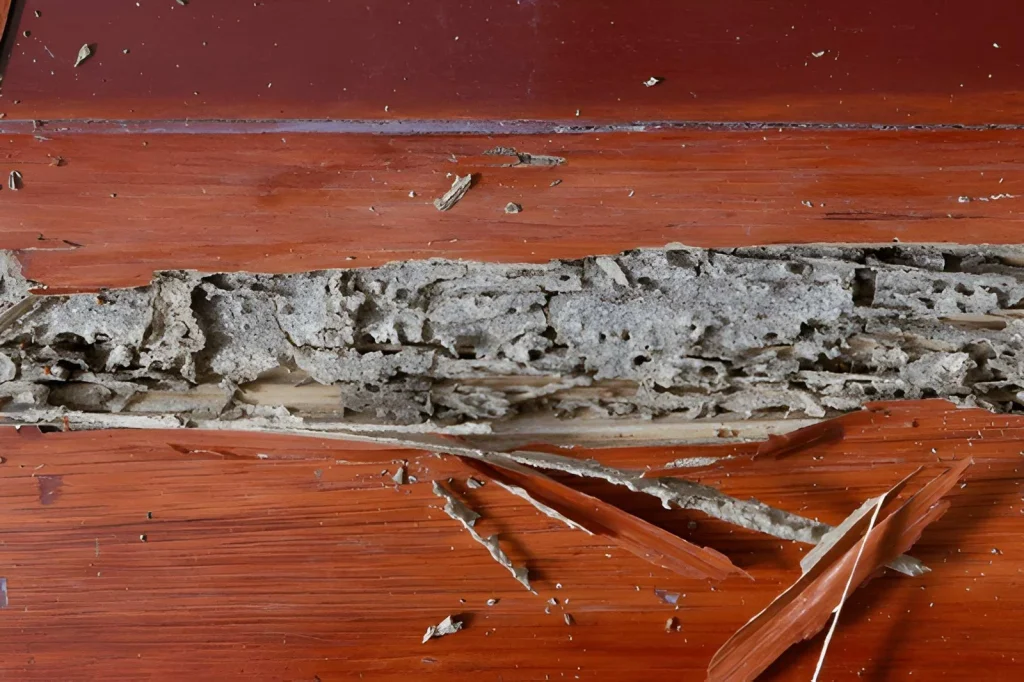
Small, easy-to-miss signs often precede more serious structural damage, and learning to recognize them makes a significant difference in how early a problem gets addressed. Frass, the sawdust-like material wood-boring beetles leave behind as they tunnel through timber, is one of the more reliable indicators of activity, though it is frequently mistaken for ordinary dust and brushed away without a second thought. Small, round exit holes in wood surfaces, sometimes no larger than a pinhead, indicate that beetles have already completed a portion of their life cycle within the material.
Termite activity presents differently, often showing up as narrow mud tubes along baseboards or hollow-sounding wood when tapped, a sign that the internal structure has been consumed while the outer surface remains largely intact. Gnaw marks with a rougher, more irregular edge typically point toward rodent activity rather than insects, and these marks often appear on cabinet corners, door frames, or the edges of wood furniture where rodents have been testing or wearing down their teeth.
Homeowners working with Torrance pest control providers often learn that stains, particularly water-like discoloration on wood surfaces near baseboards or window frames, can indicate termite activity even in the absence of visible tubes, since moisture from termite tunnels sometimes seeps into surrounding material. Recognizing these small, varied signs collectively, rather than waiting for obvious structural damage, gives homeowners a meaningfully earlier opportunity to intervene.
Inspecting Valuable Materials on a Regular Schedule
Decorative and valuable materials deserve a more deliberate inspection routine than the rest of a home, precisely because they are handled infrequently under normal circumstances. Wood trim and molding benefit from a visual check every few months, looking specifically for small holes, frass accumulation along baseboards, or any softening detectable when pressing gently on a suspect area. Cabinetry, especially in kitchens and bathrooms, warrants periodic inspection of interior surfaces and the underside of cabinets where moisture and pest activity are more likely to develop unnoticed.
A focused inspection routine for decorative materials might include:
Checking wood trim and molding for small holes, frass, or soft spots every few months
Inspecting the underside and interior surfaces of wood cabinetry for gnaw marks or discoloration
Examining stored textiles and fabrics for small holes or shed larval casings twice a year
Looking behind large furniture pieces and along baseboards for mud tubes or unusual staining
Reviewing stored décor and collectibles during seasonal rotations rather than leaving them completely undisturbed
This kind of routine does not need to be elaborate to be effective. Consistency matters more than thoroughness in any single check, since catching a problem within its first few months makes a considerable difference compared to discovering it a year or more later.
Controlling Moisture to Protect Decorative Wood and Fabric
Moisture control plays a central role in protecting decorative interiors, since both termites and many wood-boring beetles are drawn to wood with elevated moisture content. Homes with plumbing fixtures near wood cabinetry, such as kitchen sinks or bathroom vanities, benefit from periodic checks for slow leaks that might otherwise go unnoticed until wood damage becomes visible. Even minor, ongoing dampness behind a cabinet or beneath a sink can create exactly the conditions these pests are searching for.
Humidity levels throughout the home also affect vulnerability, particularly in rooms with limited ventilation where decorative wood features are common. Maintaining consistent indoor humidity, generally through proper ventilation and, where needed, a dehumidifier in problem areas, reduces the moisture available to support termite or beetle activity in trim, flooring, and cabinetry. Fabrics stored in humid closets or basements face similar risk, since elevated moisture supports both pest activity and mold growth that can further damage delicate materials.
Checking Hidden Spaces Behind Furniture and Cabinetry
Some of the most consequential pest damage develops in spaces that are rarely seen during normal daily life. The area behind large furniture pieces pushed against exterior walls, the back panels of built-in cabinetry, and the space beneath heavy dressers or bookshelves all provide the kind of undisturbed environment that allows pest activity to continue unnoticed for extended periods.
Pulling furniture away from walls periodically, even just a few times a year, allows for a more thorough inspection of baseboards and wall surfaces that would otherwise remain hidden indefinitely. Built-in cabinetry deserves particular attention along its back and bottom panels, where moisture and pest activity are more likely to develop away from view. Homeowners who make this kind of inspection part of a seasonal routine tend to catch problems considerably earlier than those who rely solely on visible surface changes to prompt a closer look.
Getting a Professional Assessment Before Repairing Damage
Once damage is discovered, the instinct to repair it quickly is understandable, particularly for decorative features that affect a room’s overall appearance. Repairing or replacing damaged wood or fabric without first confirming whether the underlying pest activity has been fully addressed, however, often means the same damage reappears within months. A professional assessment through Torrance pest control services can determine whether an infestation is active or resolved, and can identify the specific pest responsible, information that directly affects both the treatment approach and the long-term durability of any repair work that follows.
This step matters most for valuable or irreplaceable items, such as antique furniture or custom millwork, where repair costs and the risk of recurring damage are both significant enough to warrant confirming the full scope of the problem before moving forward.
End Note
Decorative interiors carry real value, both financial and personal, and protecting them from pest damage requires more deliberate attention than the rest of a home typically receives. Termites, rodents, and beetles can all affect wood trim, cabinetry, fabrics, flooring, and stored décor in ways that stay hidden until damage becomes extensive, which makes recognizing early signs like frass, gnawing, stains, and small holes especially important. Regular inspection of valuable materials, consistent moisture control, and periodic checks behind furniture and cabinetry all help catch problems early, while confirming the full extent of any activity before repairs begin protects both the investment already made in a home’s decorative features and the work involved in restoring them. Read more at https://mintpaldecor.org/.
There’s something almost tragic about it: a homeowner spends years choosing the right crown molding, waits for a custom staircase to be built exactly right, finally gets that reclaimed wood accent wall installed, and none of it ever crosses their mind as something that needs protecting. Structural beams, sure, everyone worries about those. But decorative woodwork? It just sits there looking beautiful, until one day it doesn’t. Termites don’t actually care whether a piece of wood is holding up a roof or just making a room look expensive. If it’s cellulose, it’s fair game, and decorative features often turn out to be some of the easiest targets in the whole house.
Beauty Doesn’t Buy Immunity
Here’s the thing most people don’t realize until it’s too late: decorative wood is frequently thinner, more exposed, and more accessible than structural lumber buried inside a wall. Custom cabinetry, ornate molding, hardwood flooring, a gorgeous wood-paneled study, all of it sits right out in the open, often touching walls, floors, or foundations in ways that give termites a direct route in without needing to tunnel through anything substantial first.
And it’s not just about accessibility. A lot of decorative millwork gets installed with adhesives, and certain woods used purely for their look rather than their durability can actually be softer and more appealing to termites than the framing lumber hidden behind the drywall. So while everyone’s picturing termites gnawing away at some unseen support beam, they might already be working through a baseboard three feet from where someone’s standing.
When the First Clue Is Cosmetic, Not Structural
This is honestly one of the more useful things to understand about termite damage: it often shows up as a design problem before it ever looks like a structural one. A section of crown molding that seems to be pulling slightly away from the ceiling. A drawer that suddenly sticks even though nothing about the cabinet has changed. Flooring that develops a strange give underfoot in one specific spot, or paint that starts bubbling in a way that looks suspiciously like water damage but isn’t tied to any actual leak.
None of these scream “termites” at first glance. They look like the kind of wear and tear any older home accumulates. That’s exactly the problem. By the time cosmetic damage becomes obvious enough to investigate, the termites responsible have often been active behind that surface for a good while already, which is why catching these small, easy-to-dismiss signs early actually matters more than people assume. Anyone noticing a pattern of these small cosmetic issues across more than one piece of woodwork is generally better off getting an early look from Kilter Termite and Pest Control rather than waiting to see whether the damage spreads further on its own.
Moisture Is Almost Always Quietly Involved
If you trace back far enough, most termite problems affecting decorative wood share a common thread: moisture got there first. A slow leak behind a wood-paneled bathroom. Condensation building up behind a built-in bookshelf that backs onto an exterior wall. A wine cellar with wood racking sitting in a space that runs more humid than the rest of the house. None of these situations look dangerous on their own, but they create exactly the damp conditions termites need before they’ll ever bother settling into decorative material in the first place.
Managing that moisture is, frankly, one of the more effective things a homeowner can do. Keeping humidity in check around wood features, especially in basements, bathrooms, or anywhere partially below grade, removes a lot of the incentive termites have to show up there at all. A dehumidifier running in a below-grade room with wood paneling, or simply fixing a leak the moment it’s noticed rather than letting it linger for a season, does more preventive work than most people give it credit for. If a damp spot keeps returning near a wood feature no matter how many times it gets dried out, that’s a good reason to bring in Kilter Termite and Pest Control to check whether the moisture has already attracted more than it appears to on the surface.
Wood-to-Soil Contact Is a Bigger Deal Than It Sounds
Anywhere decorative wood touches soil directly, or comes close enough that moisture and termites can bridge the gap easily, is a genuine risk point. Think about wood trim near a foundation planter, decorative posts set into garden beds, or even mulch piled up too close against exterior wood siding or trim. These situations essentially hand termites a direct, unobstructed path from the ground straight into your home’s finished surfaces.
Keeping a gap between soil (or mulch) and any wood feature, even a purely decorative one, cuts off that bridge. It sounds almost too simple to matter, but this kind of physical separation is one of the most reliable ways to prevent subterranean termites from ever establishing that first foothold.
Regular Inspection Catches What a Casual Glance Misses
Most people walk past their crown molding a hundred times a week without actually looking at it. That’s normal, nobody’s expected to inspect their own trim daily. But every so often, a slightly more deliberate check makes a real difference. Tapping along decorative beams, baseboards, and trim every few months, and paying attention to any spot that sounds hollow or papery instead of solid, catches damage while it’s still small and manageable.
The same goes for furniture, especially antique or wood pieces that sit against exterior walls or spend time in a garage or storage area. A quick look underneath, along joints, and in corners where damage tends to start first goes a long way. None of this needs to feel like a chore. It’s more about building a habit of noticing, the kind of casual awareness that catches a problem in its early, cheap-to-fix stage rather than its expensive, structural one.
Don’t Patch Over the Problem Before Understanding It
There’s a real temptation to just fix what’s visible. Molding looks off, so you replace it. A drawer sticks, so you sand it down. But jumping straight to cosmetic repair without figuring out why the damage happened in the first place tends to just bury the evidence while the actual problem, whatever’s causing termites to be there, keeps right on going behind the new material.
A few things worth doing before reaching for a hammer or paintbrush:
Photograph any suspicious damage before repairing or replacing it, in case a professional needs to assess the pattern later
Check nearby areas for moisture or additional soft spots rather than assuming the damage is isolated to one piece
Hold off on refinishing or replacing decorative wood until you’re reasonably confident about what caused the original damage
Keep any removed material in case further inspection is needed
Skipping straight to a cosmetic fix might make a room look better for a little while, but it rarely solves anything if termites are still active somewhere nearby.
When It’s Time to Bring in an Expert
Some signs are worth a phone call rather than another DIY attempt. Discarded termite wings collecting near a windowsill or baseboard. Mud tubes running along a foundation wall or up through a crawl space. Multiple pieces of decorative wood showing damage at once, rather than just one isolated spot. Any of these point toward an active colony rather than a one-off issue, and that’s a different situation entirely from a single warped baseboard.
A proper inspection makes sense here, particularly when valuable finishes, custom millwork, antique furniture, hardwood flooring, are involved and a homeowner wants to know the actual extent of the problem before deciding how to move forward. A trained inspector can identify whether damage is contained or part of a larger, ongoing issue, which genuinely changes what kind of repair or treatment makes sense.
Prevention Really Is Worth the Small Effort
None of the steps here require major renovation or constant vigilance. Managing moisture around wood features, keeping soil and mulch away from wood surfaces, doing the occasional inspection tap-test, and addressing damage before painting or replacing anything, these are small, manageable habits that add up to real protection over time. Decorative wood features represent a genuine investment in how a home looks and feels, and treating them with the same basic caution given to structural wood, rather than assuming their purely cosmetic role makes them somehow exempt from termite risk, is really all it takes to keep them safe for years to come. Read more at https://mintpaldecor.org/.
Most households have at least one corner set aside for things used only a few weeks out of the year: string lights, a box of ornaments, extra bedding kept for visiting relatives, clothing waiting for the next change in weather. These items get packed away with good intentions and then largely forgotten until the calendar rolls back around. For Cowley homeowners navigating Wyoming’s sharp seasonal swings, that long stretch of neglect is precisely what gives spiders, rodents, and beetles the opening they need.
What Draws Pests Into Boxes of Holiday Décor and Off-Season Items
Stored belongings offer something pests value more than almost anything else: consistency. A box that sits in the same spot for eight or nine months provides a stable environment where nothing gets disturbed, nothing gets moved, and nothing interrupts whatever’s settling in. Spiders take advantage of that stillness by spinning webs in the folds of stored fabric or tucked into a box’s inside seams, where they can wait undisturbed for as long as the container stays closed.
Rodents approach these same spaces with a more practical interest. A stack of cardboard boxes gives them shelter, and cardboard itself, along with any fabric packed inside, becomes material they can shred for bedding. Beetles round out the list of common offenders, particularly species that feed on paper, dried plant material, or natural fibers. A container of artificial garland, an old box of documents, or a bin of wool sweaters can all serve as a food source for the right kind of beetle, and none of it requires the box to be dirty or poorly kept to begin with.
Why Months of Silence Let Small Problems Grow Larger
The real issue with seasonal storage isn’t that it attracts pests. Most parts of a house can attract pests under the right conditions. The issue is that storage areas typically go unchecked for so long that whatever moves in has months of uninterrupted time to establish itself before anyone notices. A spider that builds a web in September might still be there in May if the relevant bin only comes down once a year for the holidays.
Rodents illustrate this timeline even more clearly. A mouse that finds its way into a garage storage area in late fall can build a nest, raise a litter, and expand its presence considerably before a homeowner ever opens the right box to discover it. By the time evidence surfaces, shredded cardboard, droppings scattered along a shelf, a chewed corner of stored fabric, the activity behind it has usually been building for far longer than the discovery itself would suggest. This pattern is one reason Cowley pest control providers often see storage-related cases that turn out to be more extensive than the homeowner initially assumed, simply because nobody had reason to check in on the space sooner.
The Case for Sealed Containers Over Cardboard
Switching from cardboard boxes to sealed plastic totes addresses much of this problem at its source. Cardboard offers almost no resistance to chewing, and its porous structure tends to absorb moisture, which makes it more appealing to insects that prefer a slightly damp environment. A tote with a tight-fitting lid removes both of those vulnerabilities at once, giving pests a much harder surface to work with and keeping humidity away from whatever’s stored inside.
This shift doesn’t need to happen with every item in a household’s storage all at once. Prioritizing anything fabric-based, holiday linens, stuffed decorations, out-of-season clothing, tends to offer the most protection, since these are the materials most likely to draw in beetles or serve as rodent nesting material. Sealed containers also make problems easier to spot early. A cracked lid or visible chew marks along the edge of a tote are far more noticeable than damage hidden inside a soft cardboard box that looks fine from the outside.
Habits That Keep Storage Spaces From Becoming Blind Spots
A few consistent practices go a long way toward catching activity before it has months to develop:
Rotate through storage bins at least twice a year rather than only during the specific season an item gets used.
Look for droppings, shredded material, or webbing along the inside corners and lid seams of containers during each check.
Raise stored items off the floor using shelving or pallets to limit moisture contact and make a visual inspection easier.
Address any leaks, condensation, or ventilation issues in storage areas promptly, since dampness draws in both insects and rodents.
Group similar belongings into labeled, sealed containers so a routine check doesn’t turn into a lengthy search through mismatched boxes.
None of these steps demand a full reorganization of a garage or basement. They simply treat storage as a space worth revisiting periodically, rather than one that only gets opened when a specific item is needed.
Responding to Signs of Activity When They Turn Up
Finding droppings, chewed cardboard, or an unexpected web while sorting through seasonal items happens more often than most homeowners expect, and it doesn’t automatically mean a serious infestation is underway. It does mean the surrounding area deserves a closer look before everything gets packed back into place. Checking nearby shelves and containers for similar signs, rather than assuming the problem is limited to a single box, gives a more accurate sense of how far things may have spread.
When what’s found points to something more established, several containers showing damage rather than one, or signs of a nest rather than a single mouse passing through, involving a professional for an assessment tends to clarify what’s actually going on. A closer inspection can confirm whether the activity stays contained to the storage area itself or extends into a garage’s structure or an attic space nearby, which makes deciding on next steps far more straightforward than guessing from what’s visible in one opened bin.
End Note
Seasonal storage areas end up as easy targets for pests mainly because they’re built around being ignored for long stretches at a time. Fabric-covered decorations, cardboard boxes, and belongings packed away for months give spiders, rodents, and beetles plenty of room to settle in unnoticed. Moving toward sealed containers, checking in on stored items a couple of times a year, and keeping these spaces dry and reasonably organized all cut down on how inviting they are to pests, and catching the signs early keeps a manageable situation from turning into something much harder to undo. Read more at https://mintpaldecor.org/.
A plumbing emergency can happen at any time and often when you least expect it. A burst pipe, overflowing toilet, severe leak, or blocked drain can quickly cause damage to your home. Knowing what to do before Emergency Plumbers Townsville arrive can help minimize the damage and keep your family safe.
Turn Off the Water Supply
The first thing you should do during a major leak or burst pipe is turn off the main water supply. This can prevent additional water from entering your home and reduce the risk of flooding and property damage.
Stay Safe Around Water and Electricity
If water is close to electrical outlets or appliances, avoid touching anything electrical. Turn off the power from a safe location if necessary and wait for professional assistance.
Try to Contain the Damage
Use buckets, towels, or containers to collect leaking water where possible. If a toilet is overflowing, avoid flushing it again, as this could make the situation worse.
Don’t Attempt Major Repairs Yourself
Temporary measures can be helpful, but attempting complex repairs without the right knowledge may cause further damage. This is where experienced 24 hour plumbers can provide the immediate support you need.
Call a Professional Straight Away
Plumbing emergencies don’t follow business hours. Whether the problem happens early in the morning or late at night, professional Emergency Plumbers Townsville can assess the issue and take the right steps to restore your plumbing safely.
The key is to act quickly, remain calm, and avoid taking unnecessary risks. Having the contact details of reliable 24 hour plumbers saved on your phone can make a stressful situation much easier to manage. Read More at https://mintpaldecor.org/
Exterior paint can give an Ottawa home an attractive colour and create a protective barrier against the elements. However, paint can fail, and when it does, moisture can reach surfaces like wood that were meant to stay covered.
Paint protection is especially important for homes that are experiencing a lot of rainy days and freeze-thaw cycles that can place considerable stress on their exteriors. Water can enter through a small opening and create bubbles beneath the paint. If the moisture freezes, it can expand and make the opening larger, as detailed on this page, and this can gradually result in a larger crack if left alone.
Even minor exterior damage can worsen during winter because of the freeze-thaw cycles. They can result in hairline cracks that can run deeper in the wall system, and the sun can also break down older coatings, so the previously patched areas may stand out. Below are five signs that an Ottawa home needs professional painting attention before colder weather arrives.
1. The Paint Starts to Peel
Some of the signs that the exterior coating is no longer working to protect the masonry include curled edges. The patches are already visible, and many can see blisters that form when the moisture is trapped beneath the painted layer.
These aren’t just cosmetic defects because when the finish separates from the surface, it lets rain reach the exposed areas, and wood can absorb more moisture and start to swell. The damage can become worse when the trapped water freezes during wintertime.
Applying a coat of paint directly over the loose material may not solve the underlying issue. The deteriorated wood should be removed first, and there should be thorough cleaning of the area. A professional can determine whether the failed paint is the result of poor preparation or because the workers used incompatible products. Finding the cause is important because the new paint application can peel again if the original issue wasn’t addressed.
2. The Exterior Colour Looks Faded
Sunlight tends to break down the pigments of paint, and this results in some colour-rich choices becoming dull, and you can read more info about this here: https://ntrs.nasa.gov/api/citations/20000109826/downloads/20000109826.pdf. The side receiving ultraviolet rays can change faster compared to the shaded areas of the house.
For many homeowners, fading might be a minor issue, but it can indicate that the coating has lost some of its strength. Paint that has endured years of ultraviolet exposure might no longer provide the same resistance to rain. Another indication that homeowners should watch out for is the chalky powder on the siding that indicates deterioration.
Professional painters can determine where the uneven colour is coming from and whether it’s because of poor adhesion. They’re also going to address the problem and create a strong barrier against the weather elements so the new paint can adhere correctly.
3. There’s Mould on the Exterior
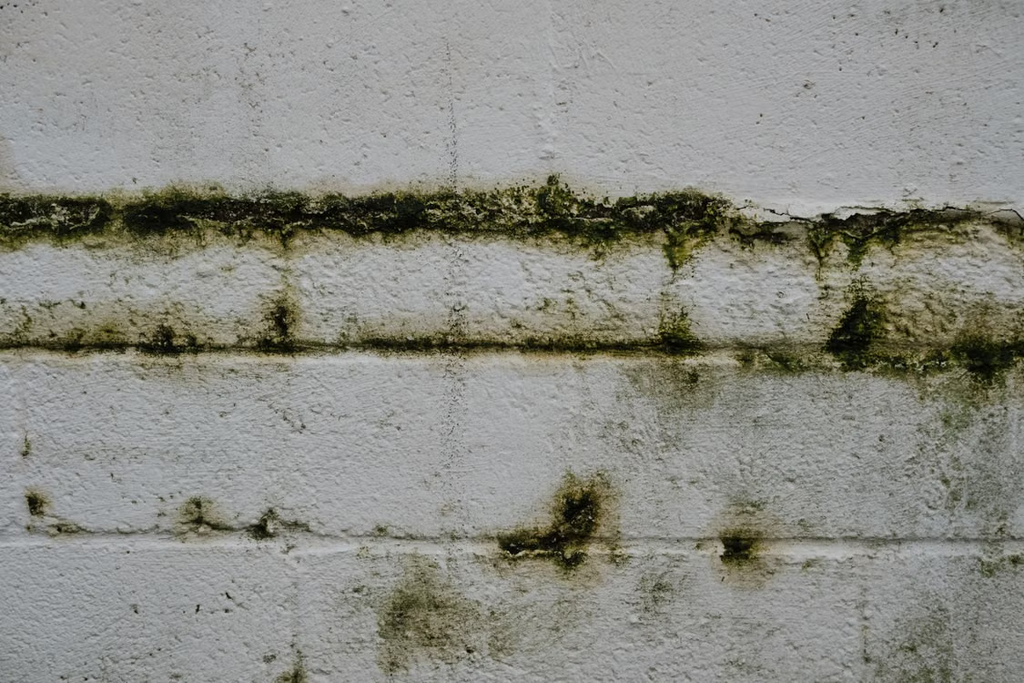
Dark streaks of mould soft wood can point to a moisture problem, and this is the same thing with bubbling areas where stains are present, and you can find more about this on this webpage. These are generally found near gutters, especially if the water doesn’t drain correctly.
Mould grows when there’s moisture, and crumbling wood can often indicate decay. Paint alone can’t repair the rotten material, and the damaged boards are going to need replacement. Leaks should be repaired for good, and any drainage issues should be corrected before the repainting process starts. Otherwise, this will just cause another repainting failure, and the homeowner might start spending more money to get the repairs done.
Experienced painters can do a thorough inspection and see if some of the walls need extensive repairs. They can inspect discoloured patches, and companies like Elite Trade Painting of Ottawa East will ensure that the paint will protect the surfaces for the long term and act as a barrier against moisture. See more on where you can find them here in Ottawa below:
4. Gaps Are Appearing Around Exterior Features
Areas around the windows should be inspected carefully, and the homeowners should determine if there are gaps that need patching. This is the same thing with trims because caulk can shrink as it ages.
These openings can provide an entry point for water to penetrate the wooden surface, and moisture can seep behind the finish when it’s raining. When the temperature falls below the freezing point, the water can expand and make the openings larger, and this can cause the siding and the trims to swell over time.
A qualified painter knows which gaps should be resealed during a painting project to avoid structural concerns. The professionals also understand that not all cracks are treated the same way, and they should correctly prepare a sealant so the surfaces can withstand seasonal changes in Ottawa.
5. The Existing Paint Is Near the End of Its Expected Life
Surfaces may need repainting even before they show signs of peeling. If homeowners cannot remember when the exterior was last painted, it may be time for a closer inspection.
A paint’s lifespan will depend on various factors, including the product quality as well as surface preparation. Wood siding may require attention sooner compared to other materials because this can expand as the humidity changes. Bricks can also have different coating requirements, so it’s best to consult the experts for better product accuracy.
It’s important not to wait for widespread failure because it can make the painting job more expensive. It’s best to repaint the underlying material that doesn’t have damage to reduce the amount of preparation needed, and homeowners can save a lot of money with this process too.
Contact the professionals if one wants to transform the masonry surfaces in their home into something appealing. The experts can also paint vinyl surfaces to avoid deterioration and make sure that they achieve a beautiful finish that easily refreshes the home’s look. Professional stucco painting can also help homeowners personalize their exteriors with colours that suit their preferences. For more info visit https://mintpaldecor.org/
A sudden home repair can turn an ordinary day into an urgent situation. Whether the problem involves a burst pipe, electrical issue, gas leak, damaged roof, or broken heating and cooling system, acting quickly can help prevent further damage. Having a clear idea of what to do first can make the situation easier to manage.
The repair itself is only part of the process, as homeowners may also need to deal with costs, professional help, insurance, and follow-up checks. Knowing where the main utility shutoffs are and keeping repair documents organized can also be useful during an emergency. Knowing these steps can help homeowners handle an urgent repair with greater confidence.
Shut Off Main Utilities to Limit Damage
Some home emergencies become more serious when water, electricity, or gas continues flowing through a damaged system. A burst pipe, for example, can quickly send water into floors, walls, cabinets, and nearby rooms. Turning off the main water valve can help limit the damage while a plumber is on the way. You may also need to shut off electrical power when water reaches outlets, appliances, or wiring.
Gas problems require extra caution, as attempting to locate or repair a leak without proper training can be dangerous. If you smell gas, leave the property and contact the local gas provider or emergency services. Smoke, sparks, or burning smells from electrical systems may also require immediate professional help. Once the immediate danger is under control, homeowners can focus on getting the right repair professional.
Secure Professional Help for Urgent Home Repairs
Different home emergencies require different types of professional help. Plumbing issues usually require a plumber, while damaged wiring or electrical panels should be handled by a qualified electrician. Roof problems may require a roofer, while heating or cooling failures may need an HVAC technician. When calling, homeowners should clearly explain the problem and whether it is still causing damage.
Even when a repair is urgent, it is worth asking a few basic questions before work begins. Homeowners can ask about emergency service charges, arrival times, warranties, and the expected cost of the repair. If the situation is already safe, comparing estimates can clarify what work is actually needed. Once you know the likely cost, the next step is deciding how to pay for the repair.
Arrange Financing for Essential Home Repair Costs
An urgent home repair can put unexpected pressure on a household budget, especially when the cost is higher than planned. Start by checking your savings and deciding how much you can use while still covering other essential expenses. If you need additional funds, an unexpected home repair can be a good reason to get a personal loan when your savings cannot cover the full cost.
Borrowing is not the only option for covering an emergency repair. Home insurance may cover certain sudden or accidental damage, depending on the policy, while some contractors offer payment plans for larger projects. Local agencies and nonprofits may also offer assistance to qualifying homeowners, so comparing these options can help you choose the most practical way to pay for the repair.
Mark Utility Shutoffs for Future Emergencies
Once the repair is complete, take time to identify the main utility shutoffs around the home. Clearly label the main water valve, breaker panel, and other important controls. Bright tags or simple labels can make them easier to find during an emergency. Keep the area around each control clear so it can be reached quickly. It also helps to check the labels regularly and replace any that become hard to read.
Other adults in the household should also know where these shutoffs are located. Explain which controls can be used safely and when professional help is still needed. A quick household walkthrough can make this information easier to remember. A simple home map can also help if someone forgets where something is located. Knowing where to go first can save time and reduce potential damage.
Schedule a Follow-Up Inspection After Repairs
An emergency repair may solve the main problem without showing every affected area. A follow-up inspection can help check for damage that is easy to miss at first. Hidden moisture, weakened materials, or nearby system issues may not always be obvious right away. An inspection gives homeowners a clearer idea of whether more work is needed. It can also provide peace of mind after a stressful repair.
The right professional depends on the type of repair that was completed. A qualified inspector or contractor can review the affected area and look for signs of related damage. Ask for written notes if additional repairs, testing, or monitoring are recommended. Keep those records with the original repair documents for future reference. Catching lingering problems early can make them easier to address before they develop into another urgent repair.
Moving Forward After an Essential Home Repair
Once an urgent repair is finished, the home can start getting back to normal. Not every related improvement has to be done right away. The repair can also show which parts of the home may need more attention later. Keeping records organized can make future maintenance, warranty, or insurance needs easier to handle. A little preparation can make the next unexpected repair easier to manage. Read More at https://mintpaldecor.org/
Most homeowners keep a mental list of the rooms that matter most: the living room that guests see first, the kitchen counters that get wiped daily, the bathroom that needs to stay presentable. These visible spaces earn regular attention because they are the ones we look at every day. Meanwhile, the areas tucked behind furniture, beneath cabinets, and inside deep storage zones quietly go unchecked for weeks or even months at a time. This isn’t negligence so much as human nature. We clean what we see, decorate what we walk past, and organize what draws the eye. The spaces that fall outside that daily line of sight are exactly where clutter, moisture, dust, and even pest activity have the freedom to build up unnoticed.
Why Visible Rooms Get the Attention Hidden Ones Don’t
There is a simple explanation for why some corners of a home stay spotless while others accumulate dust and forgotten items: visibility drives habit. A coffee table gets wiped because it sits in the center of a room. A closet floor, on the other hand, is often blocked by shoes, bins, or hanging garments, so it disappears from the weekly routine entirely. Over time, this creates a pattern where certain zones are cleaned reflexively and others are cleaned only when something forces the issue, like a spill, an odor, or a repair. Recognizing this tendency is the first step toward building a more complete household maintenance habit, one that treats hidden spaces as part of the home rather than an afterthought.
Under the Sink: Where Plumbing and Pests Quietly Meet
The area beneath kitchen and bathroom sinks is one of the most commonly neglected zones in any home, largely because it is closed off behind a cabinet door and rarely emptied out. Yet this small space holds plumbing connections, shutoff valves, and pipe joints that can develop slow leaks long before a homeowner notices a puddle. Moisture from even a minor drip can soften cabinet wood, encourage mold growth, and create the humid conditions that many pests favor. Stored cleaning products, sponges, and rags can also provide additional hiding or nesting material. Periodically clearing everything out from under the sink, wiping down the cabinet floor, and checking pipe connections for corrosion or dampness can help reveal problems early, while persistent droppings, chewed packaging, or other signs of activity may warrant an inspection from Official Pest Prevention before the issue becomes more established.
Behind the Big Appliances
Refrigerators, ovens, dishwashers, washing machines, and dryers are heavy, awkward to move, and often installed with only inches of clearance from the wall. That narrow gap becomes a collection point for crumbs, grease, lint, and dust that fall or drift behind the unit and are never swept out during ordinary cleaning. Refrigerator coils gather dust that reduces efficiency, while the warm, moist environment behind a dryer or dishwasher can attract insects looking for food debris and a stable temperature. Homeowners who pull appliances away from the wall even once or twice a year often find far more buildup than expected. This kind of routine check is a straightforward form of pest prevention, since food residue behind appliances is one of the most reliable attractants for kitchen pests. Vacuuming the space, wiping down the wall and floor, and checking hoses or vents for wear during the process keeps the area both cleaner and safer.
Closets, Cabinets, and Pantries That Need a Second Look
Storage areas are, by design, meant to hold things out of sight, which makes them especially easy to overlook for months at a time. Overcrowded shelves, excessive cardboard packaging, and boxes stacked directly on the floor all create conditions where pests can hide undisturbed and where moisture or dust has nowhere to go. Rethinking how these spaces are organized supports both a tidier look and a healthier environment.
A few practical adjustments make a meaningful difference:
Replace cardboard boxes with sealed plastic or glass containers, since cardboard is soft, absorbent, and appealing to pests as both shelter and food.
Keep items off the floor using shelving or raised bins, allowing air to circulate and making inspection easier.
Avoid overcrowding shelves so that each item can be seen and reached without shifting everything else.
Rotate stored belongings periodically, moving boxes and containers to check behind and beneath them for dust, moisture, or droppings.
These habits are a form of pest prevention as much as they are organizational best practice, since clutter reduction removes both the hiding spots and the food sources that allow small problems to grow into larger ones.
Baseboards, Frames, and the Gaps You Don’t Notice
Small gaps along baseboards, wall edges, door frames, and window frames are easy to walk past without a second thought, yet they are common entry points for insects and even rodents. Wood that has warped, cracked, or separated slightly from the wall creates just enough space for pests to slip through. Utility penetrations, where pipes or wires pass through a wall, are frequently sealed poorly or not at all during original construction. Running a hand along these areas occasionally, or simply looking closely during a seasonal cleaning pass, can reveal gaps that are easy to seal before they become a recurring access point.
Furniture Placement That Works With You, Not Against You
The way furniture is arranged has a direct effect on how easily a home can be inspected and cleaned. Pushing every piece flush against the wall may look tidy, but it also blocks access to baseboards, corners, and flooring where moisture damage or pest activity would otherwise be visible. Leaving a few inches of clearance behind sofas, bookshelves, and dressers allows air to circulate and gives homeowners a reasonable chance to notice a problem while it is still minor. This doesn’t require a complete redesign of a room, just a slightly more intentional approach to how pieces are positioned.
Warning Signs Worth Stopping For
Certain signs should prompt a closer look no matter where they appear in the home. Droppings, gnaw marks on wood or wiring, damaged food packaging, unusual odors, moisture stains on walls or ceilings, and soft or discolored wood all indicate that something needs attention. A single sighting of an insect or rodent may not mean much on its own, but recurring sightings in the same area usually point to an established presence rather than an isolated incident.
Final Analysis
Consistent cleaning and thoughtful organization go a long way toward keeping a home’s hidden spaces healthy and easy to monitor. Most moisture issues, dust buildup, and early pest activity can be caught and addressed simply by paying attention to the areas that are easy to ignore. That said, once pest activity becomes established or keeps recurring despite reasonable efforts, professional evaluation is often the more reliable path forward. Homeowners in West Sacramento, California who discover persistent or hard-to-locate pest activity behind appliances, beneath sinks, or within wall voids may benefit from a professional inspection to identify the source and address it properly, rather than continuing to manage symptoms on their own. Read More at https://mintpaldecor.org/