
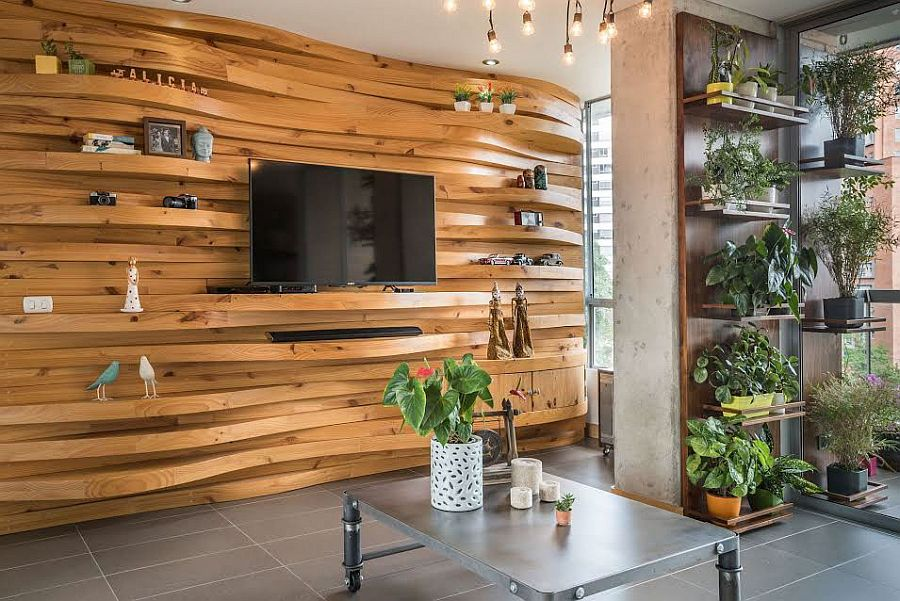
Wood has a way of making a room feel grounded. A plain hallway feels warmer with wall panels. A living room feels richer with exposed beams. A kitchen feels more personal when the cabinets show real grain instead of a flat, factory-smooth finish. Even one floating shelf can soften a sharp corner and make the space feel lived in.
That’s the charm of wood. It looks calm, natural, and timeless.
But here’s the thing. Wood accents do not stay beautiful just because they were styled well on day one. A nice stain, a cozy rug, and a few ceramic vases help the look, yes. They do not protect the material from moisture, sunlight, scratches, pests, or daily wear. Wood needs care. Not fussy care, not museum-level care, but steady, practical attention.
If you want your hardwood floors, stair rails, shelves, beams, wall panels, and custom cabinets to age well, styling is only the first step.
Wood Looks Strong, But It Still Reacts To Your Home
Wood feels solid. It holds weight, frames rooms, and survives for decades when cared for. Still, it is not lifeless. It reacts to the air around it.
Humidity makes wood swell. Dry air makes it shrink. Too much sun fades the surface. Too much water leaves marks, stains, or soft spots. Even normal life leaves a trail. Shoes scuff floors. Bags bump staircases. Steam from the kitchen settles near the cabinets. A sunny window slowly changes the color of a shelf.
You know what? That is part of the appeal. Wood ages. It develops small marks that tell a story. The goal is not to keep it looking untouched forever. That would be impossible, and honestly, a little stiff. The real goal is to help it age with grace instead of damage.
That means paying attention to where wood sits in your home. A bench near the entryway needs different care from a decorative beam in a dry ceiling. A bathroom vanity needs more moisture defense than a bedroom dresser. A kitchen island gets more abuse than a floating shelf holding books and a candle.
Good design sees the room. Good care sees the conditions.
Cleaning Wood Is Simple, Until It Isn’t
A lot of wood damage starts with good intentions. Someone wants a surface to shine, so they spray it with a harsh cleaner. Someone sees dust on a shelf, so they use a wet cloth and leave the moisture sitting there. Someone mops hardwood floors with too much water because the floor looks dull.
Small habits add up.
Most wood accents only need gentle cleaning. A soft cloth, mild soap when needed, and quick drying work better than heavy products. For floors, use a cleaner made for hardwood, not a random all-purpose spray from under the sink. For furniture, check whether the surface is sealed, oiled, painted, or raw. Each finish reacts differently.
There is also the sneaky issue of buildup. Waxes, polishes, and scented sprays can leave a film. At first, it looks shiny. Later, it looks cloudy and uneven. That film also grabs dust, which makes the surface look older than it is.
A simple routine works best:
Keep dust from collecting in grooves and corners.
Wipe spills fast.
Use pads under decor, lamps, and plant pots.
Avoid dragging furniture across wood floors.
Keep wet shoes, umbrellas, and pet bowls away from unprotected wood.
It sounds basic because it is. But basic care protects expensive design choices.
Hidden Threats Matter More Than Surface Styling
A wood accent can look perfect on the outside, while trouble starts underneath. That is the part homeowners often miss.
Moisture is one of the biggest problems. A slow leak near a cabinet, a damp basement wall behind paneling, or poor airflow around built-ins can cause swelling, staining, and mold. Wood does not always scream for help right away. Sometimes it whispers. A musty smell. A slight warp. A drawer that suddenly sticks. A floorboard that feels soft near the wall.
Then there are pests. Termites and other wood-damaging insects do not care how lovely your exposed beams look with warm lighting. They care that wood is food and shelter. Routine checks, clean crawl spaces, dry foundations, and professional help all play a role in prevention. In areas where termite activity is a concern, homeowners often look into services such as termite control as part of broader home maintenance, especially when wood features are central to the design.
This is not meant to scare anyone away from wood. Far from it. Wood is still one of the best materials for making a home feel warm and lasting. But it deserves respect. A beautiful staircase, for example, is not just a design feature. It is a working part of the home. It gets touched, stepped on, cleaned, bumped, and exposed to shifting air every single day.
So yes, style it. Add the runner. Place the art. Choose the right stain. But also inspect it.
Sunlight, Rugs, And The Slow Fade Nobody Notices
Sunlight changes wood slowly. So slowly that you miss it until you move a rug or take down a picture frame. Then there it is. One area looks rich and deep. Another looks pale or golden. The difference can feel jarring.
This happens with floors, shelves, tabletops, cabinets, and wall panels near bright windows. Some woods darken with light. Others fade. Finishes also change over time. That soft morning sun that makes a room look dreamy in photos can still leave a mark after months and years.
Window treatments help. Sheer curtains, blinds, and UV-filtering film reduce harsh exposure without turning the room into a cave. Rotating rugs and furniture also helps the floor age more evenly. If you keep the same rug in the same place for ten years, the covered section will not match the rest of the floor. That is not a flaw. That is chemistry doing its thing.
Furniture placement matters too. A floating shelf near a window filled with plants looks charming, but water rings and direct light can wear the finish. A wooden dining table under a skylight looks stunning, but it needs more attention than one in a shaded room.
Design magazines rarely show that part. They show the glow. Real homes have glare, dust, shoes, pets, kids, spills, and seasons. That is where care becomes part of the design.
Wood Accents Need Seasonal Checkups Too
Wood care changes with the year. In winter, indoor heating can dry the air. Floors shrink a little. Gaps appear. Doors and drawers feel different. In humid months, wood swells and feels tighter. Coastal homes, older homes, and houses with poor ventilation feel these shifts more.
A small humidity monitor can help. You do not need to obsess over it, but it gives useful clues. If the air gets too dry, a humidifier can protect floors and furniture. If the air stays too damp, better ventilation or a dehumidifier helps prevent bigger problems.
Seasonal cleaning is also a good time to look closer. Check under rugs. Look near windows. Open cabinets below sinks. Run your hand along stair rails and shelves. Watch for cracks, lifting finish, sticky drawers, odd stains, or sawdust-like debris.
That last one matters. Fine dust near wood can point to insect activity. Soft spots can point to moisture. A small dark stain can point to a leak. Catching problems early saves money and stress. It also saves the look you worked hard to create.
And honestly, this kind of care becomes easier once it becomes normal. Like changing air filters or cleaning gutters, it is not glamorous. But it protects the things that make a home feel special.
Beautiful Wood Is A Long Game
The best wood accents do more than fill space. They shape mood. They make a room feel calm, sturdy, and personal. A beam can make a ceiling feel grand. A wood-paneled wall can make a reading nook feel tucked away from the noise. A set of custom cabinets can turn a kitchen into the room everyone gathers in, even when the living room is right there.
That same feeling matters outside private homes, too. Restaurants, boutique hotels, and wedding venues often use wood floors, barn doors, ceiling beams, and handcrafted tables to create warmth before a guest even sits down. Near the bottom of a venue’s planning list, far below maintenance and guest flow, online presentation still matters. Some event spaces even use services like SEO for wedding venues to help couples find spaces where design details, including wood accents, are shown clearly online. It is a quiet reminder that atmosphere has value, both in person and on screen.
Back at home, the same idea applies on a smaller scale. Wood deserves to be seen, but it also deserves to be protected. You do not need a complicated routine. You need awareness, light maintenance, and a willingness to look past the surface.
Style gives wood its first impression. Care gives it a future.
So keep the pretty shelves. Refinish the old floors if they still have life in them. Add the beam, the cabinet, the stair rail, the walnut table, and the oak bench by the door. Just remember that wood is not a set-it-and-forget-it feature. It is more like a garden, or a good leather jacket, or a cast-iron pan. The better you treat it, the better it looks with time.
And that is the real beauty of wood. It does not have to stay perfect. It just has to stay cared for.Read More at https://mintpaldecor.org/