
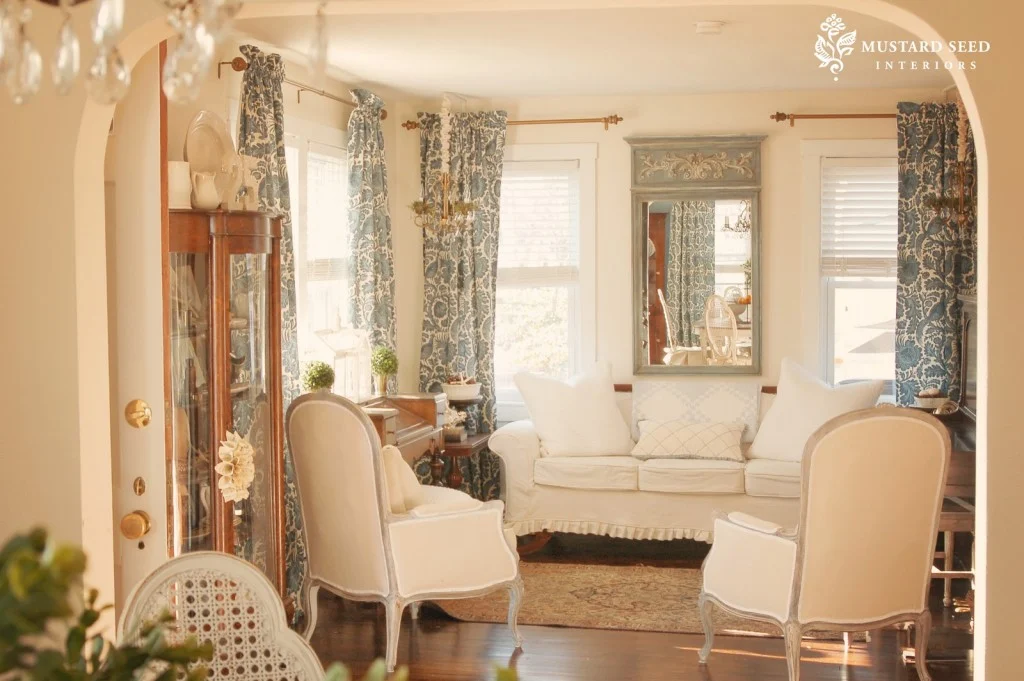
Most home renovation projects begin the same way — with a mood board, a color palette, and a list of things to buy. What gets skipped almost every time is the step that makes a redesign work: clearing out what no longer belongs there.
Decorating on top of the clutter doesn’t elevate a room. It causes problems with new things. The spaces that look genuinely transformed after a refresh — lighter, more intentional, more livable — almost always went through a serious purge first. That’s not a design opinion. It’s a pattern that holds across every room type, every budget, and every style of preference.
Why Clutter Disrupts Design Before You Even Begin
Good interior design relies on proportion, negative space, and visual rest. Clutter undermines all three at once. When too many objects compete for attention, no single element reads as deliberate — not the lamp you spent time choosing, not the rug that ties the palette together, not the art piece you’ve been waiting to hang properly.
The problem isn’t the stuff itself. It’s the accumulation of things that no longer serve the room or the people living in it. Outdated furniture, broken items waiting for repair that never comes, boxes from the last move still sitting in corners — these aren’t decorating problems. They’re removal problems, and they need to be addressed before any design work begins.
The Scope of a Proper Cleanout Is Bigger Than Most People Expect
Homeowners consistently underestimate how much they’ve accumulated until they start pulling things out of closets, garages, and spare rooms. What feels like a quick afternoon project regularly turns into several days of sorting, and the resulting volume of discarded material is almost always more than standard trash pickup can handle.
This is where the logistics of a cleanout become a real constraint. Bagging items for weekly curbside collection slows the entire process down, which makes people less likely to finish. Renting a roll-off container — a service like Humpty Dump Roll-Offs & Dumpsters provides — removes that friction by giving households a single, dedicated place to deposit everything at once rather than spacing the disposal out over weeks.
The ability to clear a room completely and see it empty is one of the most useful steps in any redesign. It forces an honest look at the bones of space: the natural light, the floor condition, the proportions of the walls. Design decisions made in an empty room are almost always better than decisions made around existing furniture.
What to Prioritize When Sorting
Not everything in a cluttered room belongs to a dumpster. A useful sorting framework breaks items into four categories: keep, donate, sell, and discard.
Keep applies only to items that function well, fit the room’s intended direction, and get used regularly. When in doubt, this category should be smaller than it feels.
Donate works for items in good condition that another household could use. Local thrift organizations, shelters, and Buy Nothing groups are practical outlets for furniture, houseware, and textiles that still have life in them.
Sell is worth the effort for higher-value pieces — solid wood furniture, vintage lighting, architectural elements — but it requires time. Factor in the delay before committing this route for large items.
Discard covers everything broken, worn past usefulness, or simply not worth the effort of rehoming. This is typically the largest category once people are honest about it.
How Empty Space Changes Design Decisions
Designers consistently observe that clients make better choices once a room is cleared. The reason is practical: an empty room tells you what it actually needs. A space that felt small because it was crowded often reveals surprising square footage once the furniture is out. A room that felt dark might only need different window treatments rather than a full lighting overhaul.
Visual clarity also helps with scale decisions. One of the most common decorating mistakes — furniture that’s too small for the room — is much easier to avoid when you’re placing pieces into an empty space rather than swapping them around an existing arrangement.
Renovation Projects Follow the Same Logic
This principle scales well beyond a single room to refresh. Whole-home renovations, kitchen remodels, garage conversions, and landscaping overhauls all share the same first step: remove before you build. Construction debris, old cabinetry, demolished drywall, and stripped flooring need somewhere to go, and the efficiency of the project depends heavily on having a clear disposal plan from the start.
Contractors and experienced project managers treat waste removal as a logistics line item, not an afterthought. Homeowners managing their own renovations benefit from the same approach — deciding how debris will be handled before the project begins, rather than improvising things to pile up.
The Design Work That Follows Is Easier
Once the clearing is done, the rest of the redesign process runs more smoothly. Painting is faster in an empty room. Flooring is laid more accurately. Furniture placement decisions are made with real information about the space rather than assumptions shaped by what used to be there.
The reset phase isn’t glamorous. It doesn’t produce the before-and-after photos that get shared. But it’s the work that makes everything after it more effective — and it’s consistently where the difference between a room that looks refreshed and a room that feels genuinely transformed gets made. Read More at https://mintpaldecor.org/