
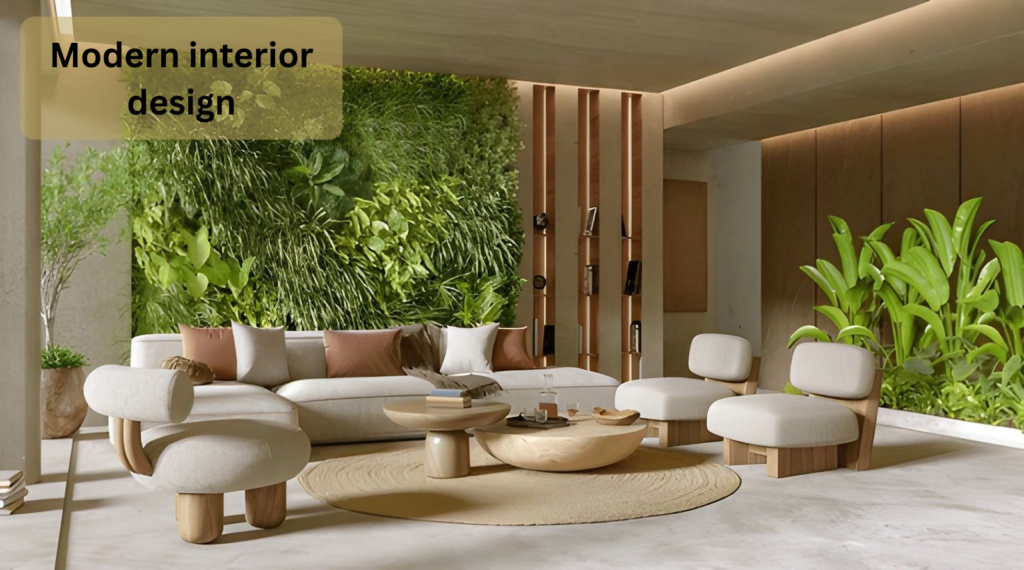
Most people think modern interior design means buying new furniture. It doesn’t.
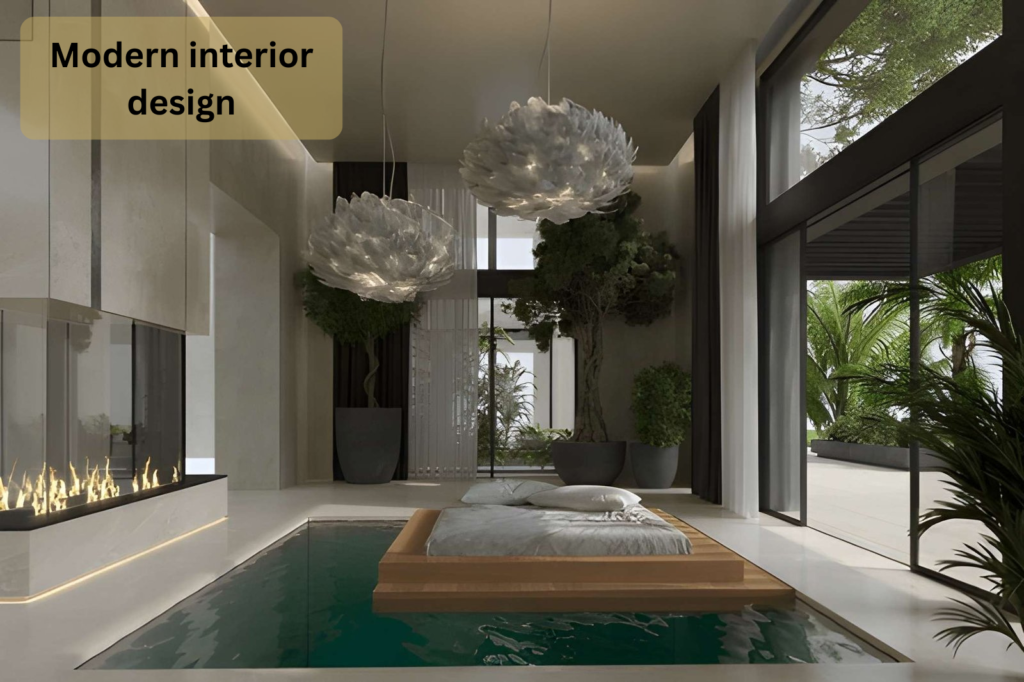
Modern interior design is a discipline built around one core idea: a space should work as well as it looks. That means clean lines, intentional layouts, materials that earn their place, and color choices that hold up over time — not just in a photo. For American homeowners in 2026, this has become less of an aesthetic trend and more of a practical framework for making homes genuinely livable.
The shift matters because we’re spending more time at home than ever. A space that looks pulled together but functions poorly wears on you fast. Modern design solves that by treating function and beauty as the same problem.
This guide covers everything you need to know: the defining principles of modern interior design, how to apply them room by room, which materials and palettes are dominating 2026, common mistakes to avoid, and where to find reliable guidance. Whether you’re starting from scratch or refreshing a single room, this is the roadmap.
Core Principles of Modern Interior Design
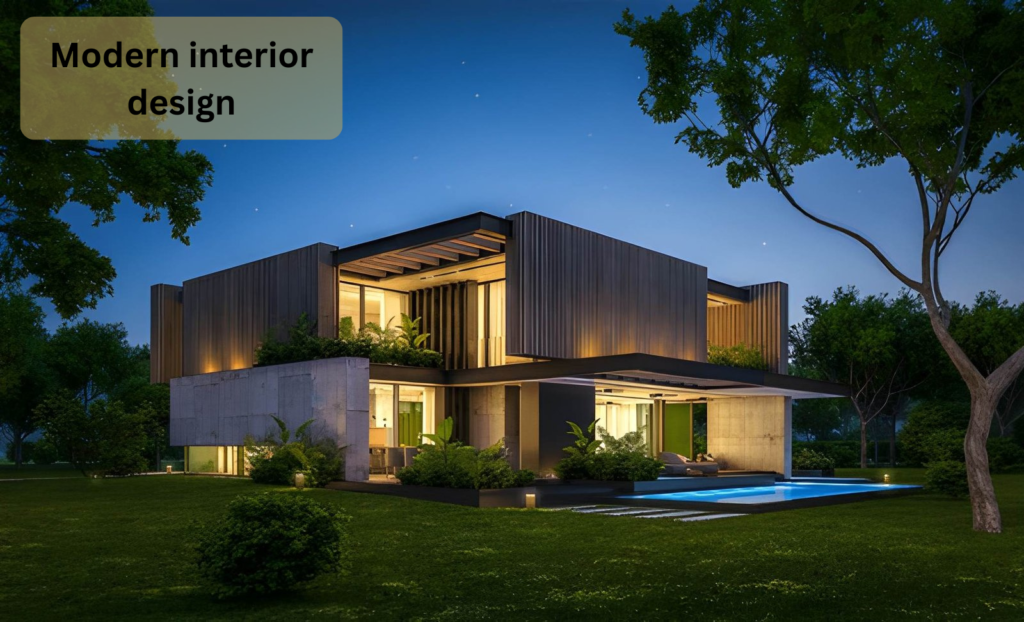
Modern interior design isn’t a single look. It’s a set of principles that produce consistent results regardless of your budget or home size.
| Principle | What It Means in Practice |
| Function First | Layout and flow come before aesthetics — always |
| Intentional Simplicity | Every piece earns its place; clutter is a design failure |
| Material Honesty | Wood looks like wood, concrete looks like concrete — no faux finishes |
| Neutral Foundation | Base palette stays calm so accent pieces can move and evolve |
| Natural Light Priority | Windows, mirrors, and light-colored surfaces do more work than fixtures |
| Proportion and Scale | Furniture sized correctly for the room, not just for the product photo |
These six principles work together. You can’t nail proportion if you haven’t considered function. You can’t build a neutral foundation if you haven’t committed to material honesty. They’re sequential, not independent.
Modern Interior Design by Room: What Actually Works
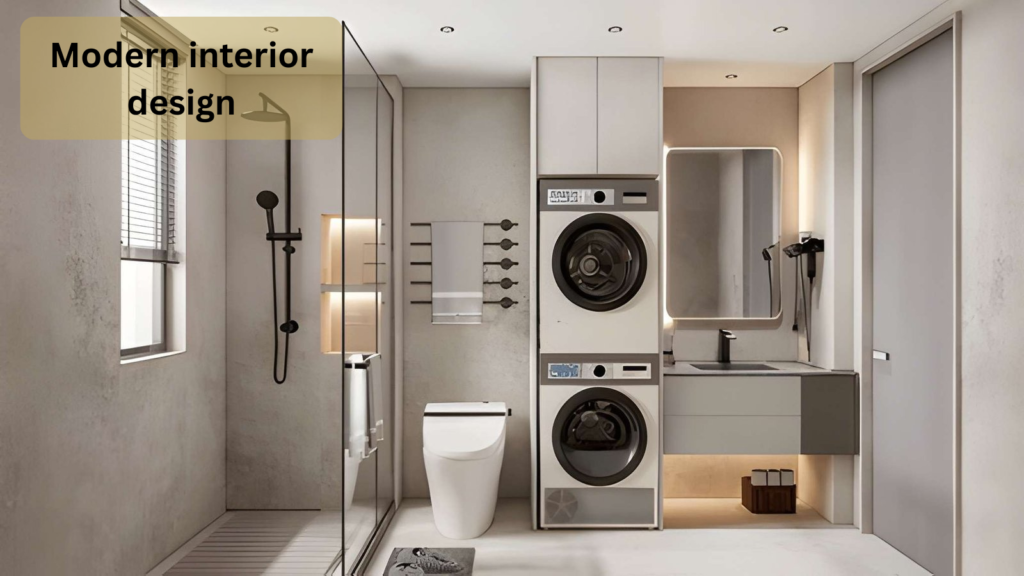
Living Room
The most common mistake in living rooms is pushing all furniture against the walls. Modern interior design pulls pieces slightly inward, creating conversation zones that feel intentional. A sofa floating 12–18 inches from the wall changes the entire energy of a room.
Anchor the space with one large area rug that fits under at least the front legs of all seating. Layer lighting: ambient overhead, task lamps, and at least one accent source. Keep surfaces clear — one or two considered objects per surface, not collections.
Kitchen
In 2026, kitchen design is about workflow, not just visual style. The work triangle (sink, stove, refrigerator) still holds as a functional baseline. What’s changed is the treatment of storage: open shelving works well for frequently used items but creates visual noise when overloaded. Mixed approaches — open shelving for ceramics and glassware, closed cabinets for everything else — are the most successful.
Ventilation remains underrated. Good airflow and proper exhaust make a kitchen more comfortable to cook in and easier to maintain.
Bedroom
A calm bedroom is a design achievement, not an accident. The modern approach strips the room down: one dominant material (usually linen or cotton bedding), two nightstand heights that match the bed frame, and lighting that can be adjusted from multiple points without getting out of bed.
Floor space matters more than most people realize. Floating nightstands and wall-mounted sconces free the floor, and a room with visible floor reads as larger regardless of actual square footage.
Home Office
With remote and hybrid work patterns now permanent for a large portion of the US workforce, home offices have moved from afterthought to priority. The key design variables: desk height, monitor distance, and lighting direction. Natural light should come from the side — not behind the screen or directly in front of your face.
2026 Color Palettes Dominating Modern Spaces
| Palette Style | Base Color | Supporting Tone | Accent |
| Warm Minimalist | Warm white / linen | Greige or soft taupe | Terracotta or rust |
| Cool Organic | Light concrete gray | Sage green | Natural wood tones |
| Moody Neutral | Charcoal or slate | Deep navy | Brass or aged gold |
| Bright Scandinavian | Crisp white | Pale birch wood | Cobalt or forest green |
The three-color method — one base, one supporting tone, one accent — is the simplest way to maintain visual cohesion across a room or an entire floor plan. Add a fourth color and the palette starts competing with itself.
What Makes Modern Design Different from Contemporary or Minimalist?
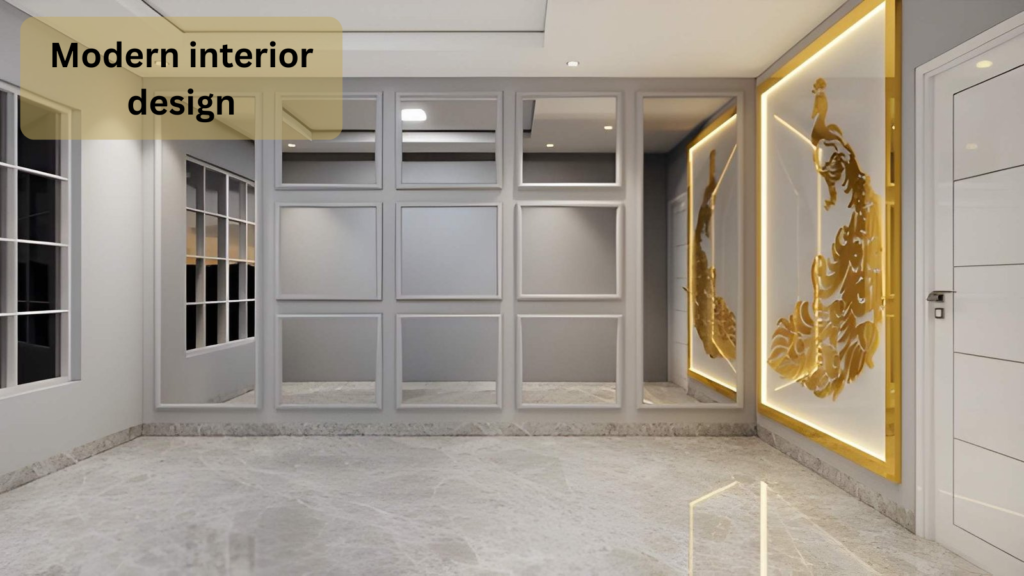
This trips people up constantly. Here’s the plain-English version:
Modern design refers to a specific style movement (mid-20th century, roughly 1920s–1970s) characterized by clean lines, open plans, and industrial materials. It’s a defined aesthetic.
Contemporary design means whatever is current right now. In 2026, contemporary design borrows heavily from modern but adds warmer textures, curved forms, and more organic materials.
Minimalism is a philosophy, not a style. You can apply minimalist principles to a modern space, a traditional space, or a contemporary one.
Most American homes that people call “modern” are actually contemporary — which is fine. The label matters less than understanding what principles you’re working with.
Mistakes That Undermine Modern Interior Design
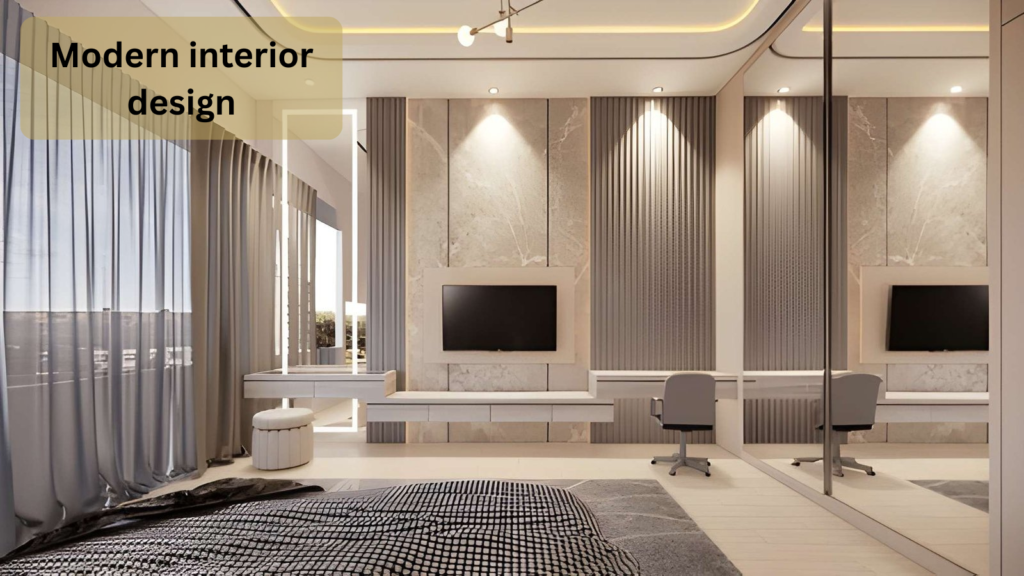
Knowing what to avoid is as useful as knowing what to do. If you want to go deeper on the principles behind these pitfalls, how to be better at interior design breaks down the decision-making framework clearly.
The five most common errors:
- Buying furniture before measuring. A sectional that fits the showroom floor will eat a small living room.
- Skipping the lighting plan. Overhead-only lighting flattens a space. Layer it.
- Choosing paint last. Paint should be chosen after you’ve committed to your major furniture and flooring — not before.
- Over-accessorizing. Modern design uses negative space intentionally. An empty shelf is not a problem to solve.
- Chasing trends over principles. Trends cycle. Proportion, function, and material quality don’t.
Why Interior Design Is Worth Taking Seriously
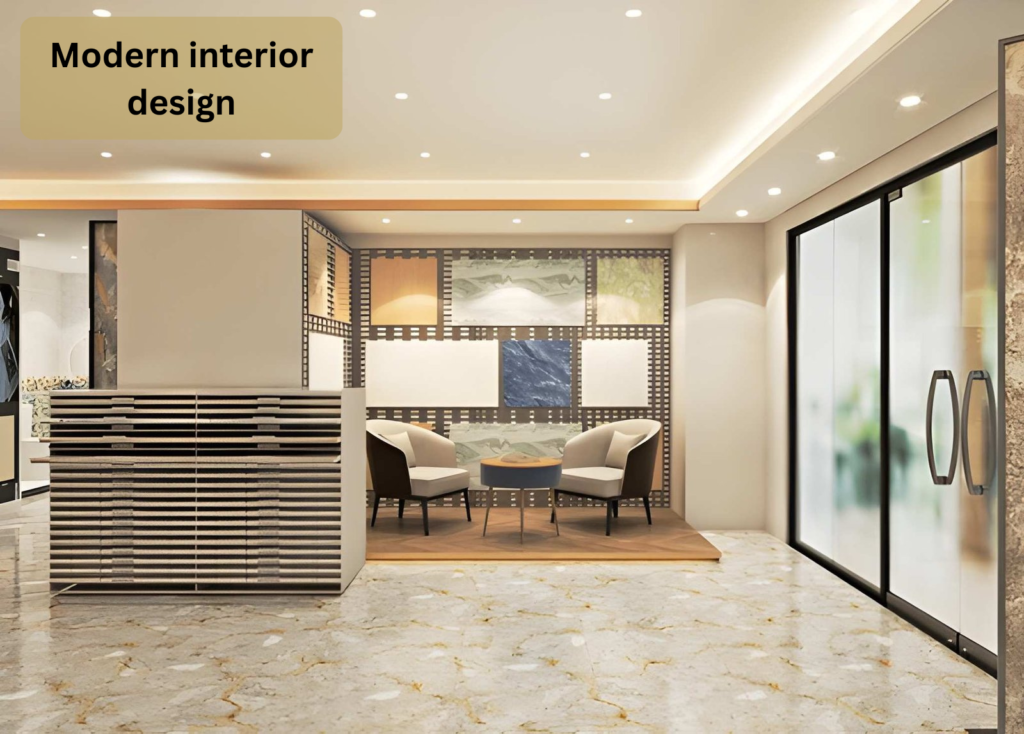
There’s a question worth asking: why interior design is interesting addresses it well — but the short answer is that designed spaces affect how you feel and function in ways that aren’t immediately obvious until you’ve experienced a well-designed room.
A thoughtfully designed home reduces decision fatigue, supports better sleep, makes cooking and working more pleasant, and holds its value longer. Those aren’t abstract benefits. For US homeowners putting significant money into their spaces, design literacy is a practical financial skill, not a luxury.
Practical Tips You Can Apply This Weekend
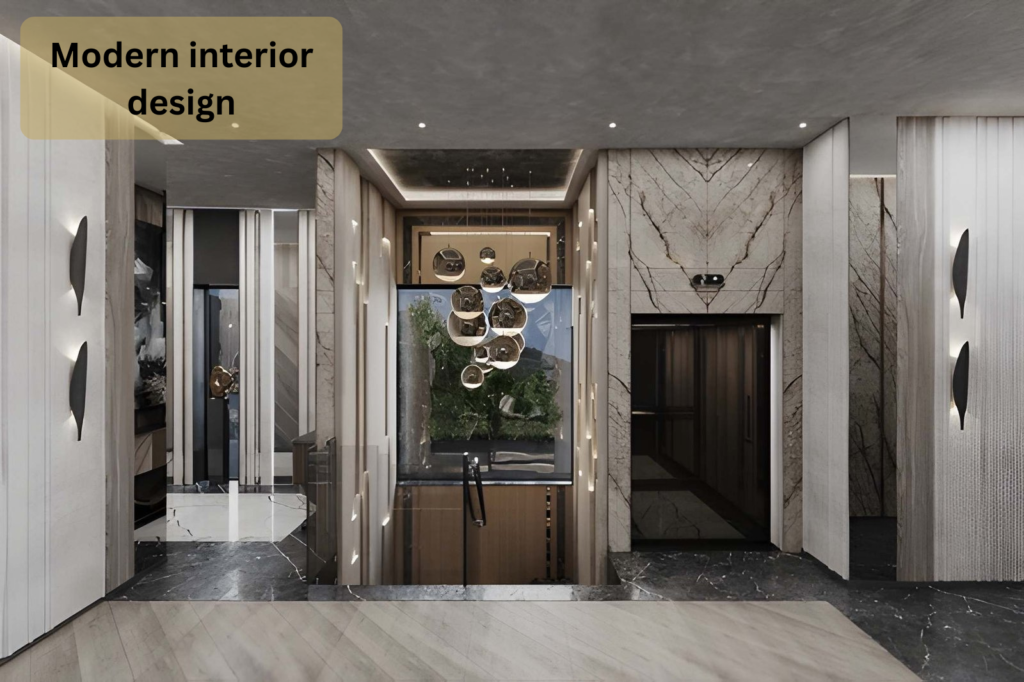
For quick, high-impact changes, interior decoration tips offers room-specific guidance. The highest-ROI moves for most American homes:
- Replace overhead-only lighting with layered sources in the living room and bedroom
- Add a large mirror to a dark hallway or small bathroom
- Float your living room furniture six inches off the wall
- Remove half the objects from your most cluttered surface and see how the room changes
- Swap hardware on kitchen or bathroom cabinets — a $150 upgrade that reads like a renovation
Small changes compound. A room that’s properly lit, properly scaled, and properly edited looks designed — even if you haven’t bought a single new piece of furniture.
Finding Reliable Guidance
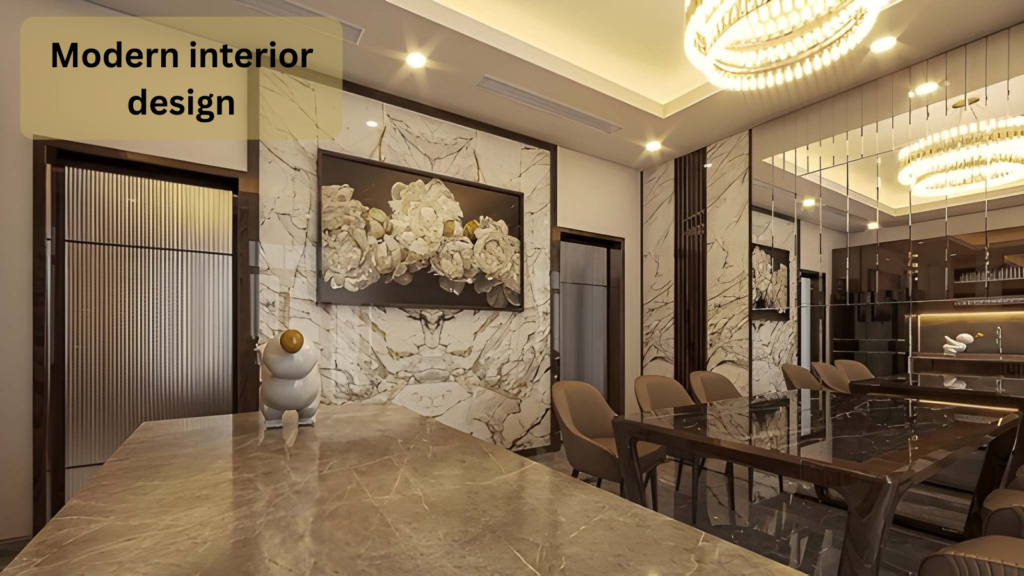
Not all home design content is created equal. Interior decoration advice takes a principle-based approach rather than trend-chasing, which makes it more useful for long-term decisions. Similarly, mintpaldecor consistently grounds its recommendations in function and livability — the same framework that drives the best results in modern interior design.
When evaluating any design advice, ask: is this built around principles, or is it built around this season’s aesthetic? Principles compound over time. Trends cost money to maintain.
FAQ
What is modern interior design?
Modern interior design is a design approach built on clean lines, functional layouts, honest materials, and restrained color palettes. It prioritizes how a space works before how it looks, and traces its roots to mid-20th-century design movements.
What are the key elements of modern interior design?
The core elements are open floor plans, minimal ornamentation, natural light, neutral color palettes, quality materials, and furniture scaled correctly to the room.
Is modern interior design the same as minimalism?
No. Modern design is a specific aesthetic style. Minimalism is a philosophy about reducing excess. A modern space can be richly layered; a minimalist space can use traditional forms.
How do I start applying modern interior design in my home?
Start with function: fix the layout and flow before changing anything visual. Then address lighting, then color, then furniture scale. Cosmetic changes come last.
What colors work best in modern interior design in 2026?
Warm whites, greige, sage green, charcoal, and concrete tones are the dominant bases this year. Accent with terracotta, brass, or cobalt for contrast without visual noise.
How much does modern interior design cost?
It varies widely. The principles are free. Applied well, modern design actually reduces cost because it emphasizes editing and quality over volume — fewer, better pieces rather than filling space.