Post-2020, how Americans actually live changed. More people work from home. More rooms serve double or triple duty. Kids do homework in kitchens. Adults take calls in bedrooms. And yet most decoration guides still treat the living room as a showpiece and the home office as an afterthought.
That gap is exactly what this article addresses. The interior decoration advice puts forward for 2026 is built around how American homes function today — not how they looked in a design magazine five years ago. You’ll find honest guidance on multi-use spaces, the psychology of color in rooms you actually spend time in, what decoration choices hold up over years (not just seasons), and the small moves that change how a space feels without changing your budget. No trend-chasing.
Is Your Room Actually Designed for How You Use It?

This is the question most decoration guides skip entirely. Before color, before furniture, before anything visual — ask what the room does.
A living room that doubles as a home office needs acoustic separation, even if it’s just a bookshelf between zones. A bedroom that’s also a reading room needs task lighting that doesn’t wake a sleeping partner. A kitchen where kids do homework needs surfaces that clean easily and storage that closes.
Room function audit — ask this before you buy anything:
| Room | Primary Use | Secondary Use (Common in 2026) | What Changes Because of It |
| Living Room | Relaxing, socializing | Video calls, remote work | Need a camera-ready background zone |
| Bedroom | Sleeping | Reading, scrolling, decompressing | Task lighting separate from ambient light |
| Kitchen | Cooking | Homework, family gatherings | More surface area, better seating |
| Dining Room | Eating | Board games, crafts, WFH overflow | Storage for non-dining items built in |
| Home Office | Work | Exercise, hobbies | Flexible furniture, easy to clear |
Design for both uses. Not one.
Does Your Color Choice Actually Affect How Long You Stay in a Room?

Yes, and more directly than most people realize. This is where interior decoration advice departs from the usual “warm tones feel cozy” generalities.
Environmental psychology research consistently shows that people spend more time in rooms painted in mid-tone, slightly saturated colors — think dusty sage, warm terracotta, muted teal — compared to rooms in stark white or very dark tones. Bright white increases activity and alertness. Deep colors create intimacy but can feel claustrophobic in small rooms with low natural light.
The practical takeaway: match color intensity to what you want to feel in that room.
- High energy needed (home gym, kitchen): clean whites, warm yellows, light coral
- Sustained focus needed (office, reading nook): muted greens, slate blues, soft greys
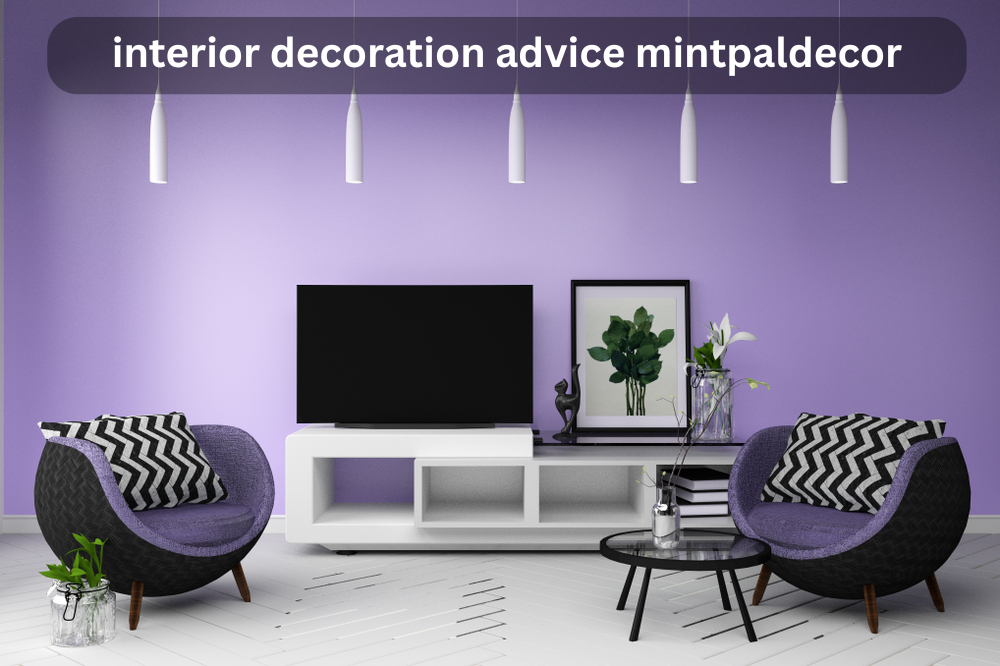
- Wind-down needed (bedroom, bathroom): dusty lavender, warm greige, sage
- Conversation and connection (dining room, living room): terracotta, warm amber, forest green
This isn’t aesthetic preference — it’s how your nervous system responds to color. Picking a paint color because it looks good in photos is decoration. Picking one because it changes how you feel in the room is design.
What Nobody Tells You About Furniture That “Goes Together”

Matching furniture sets are a trap. They look complete in a showroom. In a home, they look like the floor model is still on display.
The rooms that read as considered — the ones that feel like someone actually lives there — mix periods, materials, and scales. A mid-century wood credenza with a contemporary sofa. A vintage lamp on a clean modern side table. The mix signals curation, not catalog shopping.
Two rules that make mixing work:
- Anchor with one material. If you mix everything, the room reads as random. Pick one material — warm wood, matte metal, natural linen — and repeat it in at least three places. That thread ties mismatched pieces together.
- Match visual weight, not style. A heavy, dark sofa needs equally substantial pieces nearby. A delicate side table next to it looks lost. Match how heavy things look, not what era they’re from.
For more on building a room that holds together over time, explore the decoration guide to cohesive design.
The Decoration Decisions That Age Well vs. the Ones That Don’t

Some choices you’ll still love in ten years. Others will feel dated in three. The difference isn’t about being conservative — it’s about knowing which category each decision falls into.
| Decision Type | Ages Well | Dates Quickly |
| Sofa color | Warm neutrals, earthy tones | Trendy colors (millennial pink, Gen Z yellow) |
| Rug pattern | Geometric, botanical, Persian-inspired | Very literal prints (specific animals, phrases) |
| Hardware finish | Brushed brass, matte black, satin nickel | Polished chrome, rose gold (already fading) |
| Lighting fixture | Simple shapes, natural materials | Overly sculptural, style-specific pieces |
| Tile | Subway, zellige, plain stone | Very graphic, high-pattern accent tiles |
| Wall treatment | Limewash, plaster texture, matte paint | Accent wall wallpaper in bold prints |
Invest in what ages well. Spend less on what dates quickly and change it when it does.
Why Are So Many Beautifully Decorated Rooms Uncomfortable to Sit In?

Because decoration got prioritized over livability. This happens more often than anyone admits.
A room that photographs beautifully but has nowhere to put a drink, seating that’s too stiff to stay in for more than 20 minutes, lighting that’s too dim to actually read by — that’s a styled room, not a designed one. The interior decoration advice returns to consistently: a room fails if people don’t want to spend time in it, regardless of how good it looks.
Test this practically. Sit in your room for an hour. Invite someone over. See where they naturally gravitate, what they reach for, what feels awkward. The room will tell you what’s missing. Mintpaldecor covers livability-first design across every room type if you want to go deeper on this principle.
Which 2026 interior decoration advice Are Worth Following — and Which Aren’t?

Not all trends deserve your money. Here’s an honest breakdown:
Worth following:
- Integrated storage that disappears into walls — solves real clutter problems
- Natural material layering (linen, rattan, stone, raw wood) — looks good and ages well
- Warm-toned lighting everywhere — LEDs now come in 2200K, and the difference is real
- Dual-purpose rooms with intentional zone separation — reflects how people actually live
Skip for now:
- Curved furniture as a primary layout choice — impractical in most average-sized rooms
- Maximalist gallery walls — easy to get wrong, hard to update
- All-plaster accent walls — labor-intensive, and the DIY versions rarely hold up
Frequently Asked Questions

What is the single most impactful interior decoration change for under $200?
Swap your light bulbs to warm-toned LEDs (2700K or lower) and add one dimmer switch. Lighting changes how every other element in the room looks. It’s the highest-return low-cost change in decoration.
How do you make a small room feel bigger without knocking down walls?
Three things work reliably: paint the ceiling the same color as the walls (removes the visual “lid”), use furniture with exposed legs (floor visibility reads as space), and place a large mirror perpendicular to the main window to bounce natural light deeper into the room.
Is it worth hiring an interior designer for a single room?For a bedroom or living room, a two-hour consultation with a local designer — typically $150 to $300 — often pays for itself in avoided mistakes. You don’t need full-service design. A second set of trained eyes on your specific space and light conditions is genuinely useful.

What’s the most common mistake in a first apartment or home?
Buying everything at once to fill the space quickly. Rooms that feel good usually developed over time. Leave some things empty. Live in the space for a few months before filling every corner.
Does the order in which you decorate a room matter?
Yes. Structural decisions first (wall color, flooring, major furniture placement), then lighting, then textiles, then accessories. Doing it in reverse — starting with decorative objects — is how you end up with a room that feels mismatched and hard to fix.
The Real Point

The best decoration trends can give for 2026 isn’t a list of trends. It’s a shift in how you think about decoration — from visual to functional, from catalog to curated, from what looks good in a photo to what makes a room worth being in.
Get that right and the specific choices almost take care of themselves.