
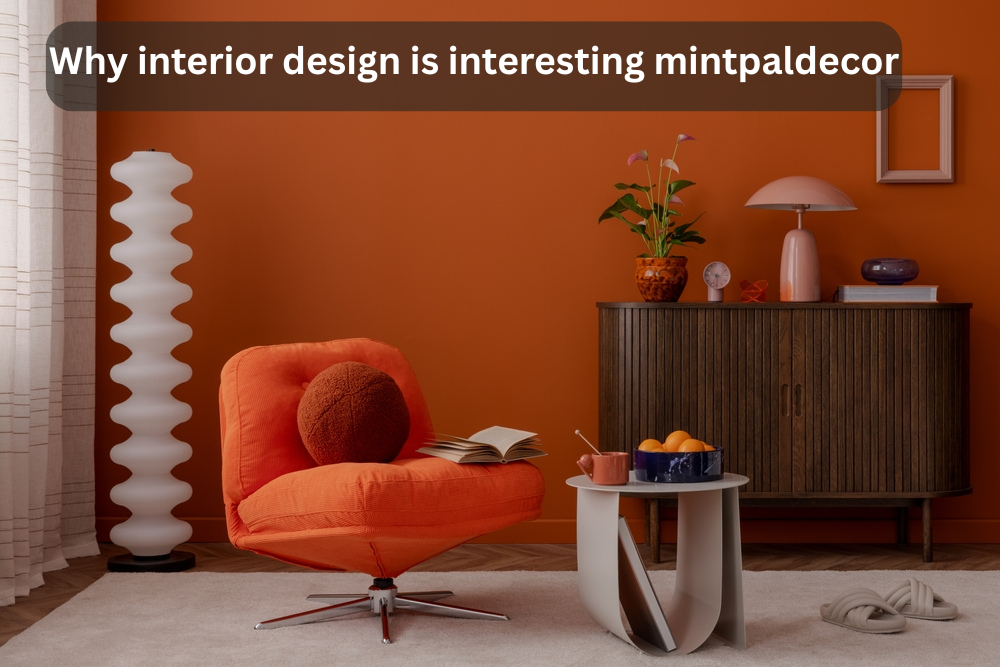
Why interior design is interesting comes down to something simple: your space shapes how you feel, how you work, how you sleep, and how you host. Most Americans spend over 90% of their time indoors, yet few of us treat our homes with the same intentionality we bring to, say, our wardrobes or diets. That gap is where great design lives.
This article breaks down what makes interior design genuinely fascinating in 2026 — not in a Pinterest-board kind of way, but in a “this will actually change how you think about your space” kind of way. We’ll cover the biggest trends reshaping American homes, what design psychology says about why spaces affect mood, and how to start making changes that are smarter, not just prettier.
What Is It About Interior Design That Gets People Hooked?

Ask anyone who fell down the rabbit hole of home design and they’ll tell you the same thing: it starts with one room and suddenly you’re rethinking everything.
It’s problem-solving. A small apartment that needs to sleep four. A home office that’s also a guest room. A living room that has to work for movie nights and Zoom calls. Design is the discipline that holds all of that together.
Interior design also sits at the crossroads of art, architecture, psychology, and personal identity. When you choose a color palette, you’re making a psychological decision. When you decide where a sofa goes, you’re shaping how people move through and experience a room. That’s a lot of power in a furniture arrangement.
2026 Interior Design Trends: What’s Actually Worth Your Attention
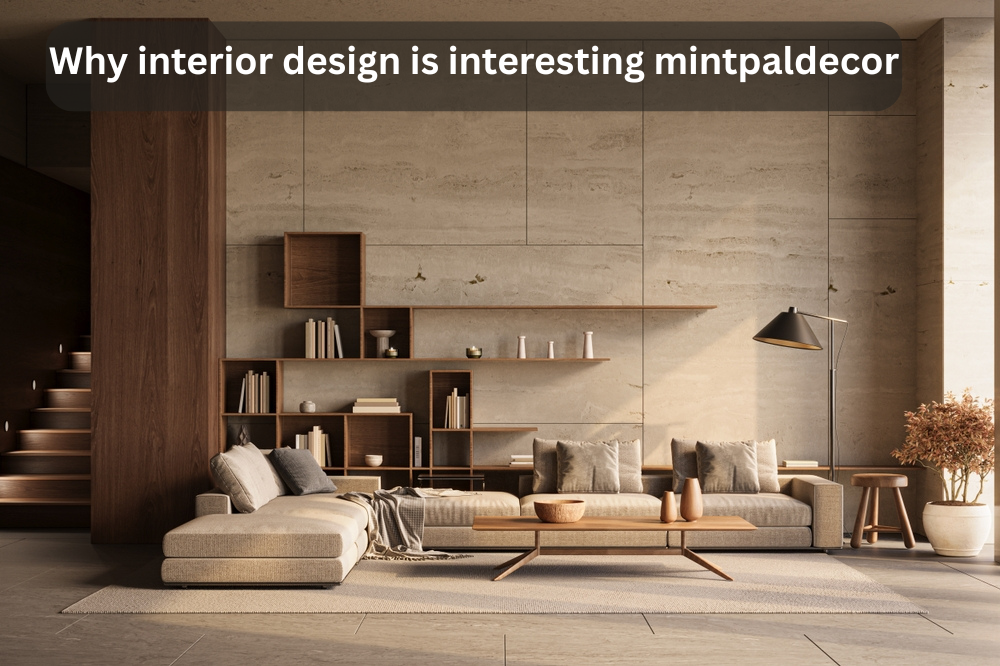
Trends come and go. Here’s what’s genuinely sticking in 2026 — and why each one matters beyond the surface.
| Trend | What It Means | Why It’s Popular in 2026 |
| Warm Minimalism | Clean lines, but with texture and earthy tones | Reaction to cold, sterile interiors post-pandemic |
| Biophilic Design | Plants, natural light, organic shapes, raw materials | Mental health awareness driving nature-indoors movement |
| Multi-Functional Furniture | Pieces that shift roles (sofa beds, storage ottomans, fold-out desks) | Smaller urban homes, remote work permanence |
| Vintage + Modern Mixing | Pairing antique finds with contemporary builds | Sustainability + personality over “matchy” sets |
| Bold Accent Walls | Deep greens, terracotta, navy — one strong statement surface | Low-cost, high-impact way to transform a room |
| Smart Lighting Systems | Tunable LEDs, circadian lighting, app-controlled ambiance | Productivity and wellness focus among homeowners |
| Japandi Style | Japanese-Scandinavian hybrid: wabi-sabi meets hygge | Calm, purposeful living aesthetic going mainstream |
The one thread connecting all of these? Intentionality. People aren’t just filling rooms anymore — they’re curating experiences.
Does Color Really Affect How You Feel? (Yes, More Than You Think)

This is one of the most interesting parts of interior design, and it doesn’t get nearly enough attention in trend roundups.
Color psychology is real and measurable. Blue tones lower heart rate. Warm yellows stimulate conversation. Deep greens create a sense of shelter. Stark whites raise alertness — which is great in a kitchen, exhausting in a bedroom.
| Color | Psychological Effect | Best Room Use |
| Sage Green | Calming, grounding, restorative | Bedroom, reading nook, home office |
| Warm White / Cream | Inviting, soft focus, easy on the eyes | Living room, nursery |
| Deep Navy | Sophisticated, focused, slightly dramatic | Home office, dining room |
| Terracotta | Earthy, warm, energizing without being harsh | Kitchen, entryway |
| Charcoal | Anchoring, serious, pairs with almost anything | Accent walls, study |
| Dusty Rose | Gentle, social, softens aggressive spaces | Dining area, powder room |
This is why interior design is interesting goes beyond what looks good on a mood board. The choices you make have real, daily effects on the people living in those rooms.
How Do You Actually Get Better at Interior Design?

Here’s the honest answer: you learn by looking, not by buying.
Before spending a dollar, spend an hour studying rooms you love. What’s the light like? What’s the proportion of furniture to floor space? How many distinct textures are there? Good design trains your eye, and your eye trains your decisions.
For anyone wanting to go deeper, the team at mintpaldecor publishes some of the most grounded, practical design content on the web — built for real homes, not magazine shoots.
A few things that actually move the needle:
- Edit before you add. Most rooms are over-furnished. Removing two pieces often does more than adding one.
- Get the scale right. A sofa that’s too small for the room makes everything look wrong. Furniture proportion is the most underrated skill in home design.
- Layer your lighting. Overhead lighting alone makes any room look flat. To add depth, add wall sconces, floor lights, and table lamps.
- Anchor with rugs. One of the most frequent and easily corrected errors in American living rooms is an excessively tiny rug.
For structured, step-by-step guidance, the Interior decoration tips page covers the fundamentals without the fluff.
Why Interior Design Is Interesting : The Sustainability Angle

In 2026, why interior design is interesting also connects to something bigger — the shift toward sustainable, conscious decorating.
Fast furniture is getting the same cultural criticism fast fashion did five years ago. Americans are increasingly buying secondhand, investing in quality pieces that last, and choosing natural materials over synthetic alternatives. This isn’t just good for the planet — it produces more interesting, layered interiors.
Reclaimed wood, linen upholstery, ceramic accents, rattan, and stone are dominating material choices this year precisely because they age well and develop character. A piece of furniture that looks better at five years than it did at one — that’s good design.If you’re navigating material choices for a specific room, the interior decoration advice section is worth bookmarking.
Room-by-Room: What 2026 Design Priorities Look Like

| Room | 2026 Priority | One Quick Win |
| Living Room | Flexible seating, warm lighting | Swap overhead bulb for a warm-toned LED floor lamp |
| Bedroom | Sensory calm, minimal visual noise | Remove one piece of furniture, add blackout curtains |
| Home Office | Ergonomics + personality | Add one plant and one piece of art you actually love |
| Kitchen | Open shelving, functional beauty | Replace cabinet hardware — fast, cheap, high-impact |
| Bathroom | Spa-like materials (stone, linen, wood accents) | Add a tray to organize the counter — instant visual calm |
Can Anyone Learn Interior Design, or Is It Just Talent?

Short answer: anyone can learn it. Taste is trained, not inherited.
The longer answer is that design intuition builds through exposure — visiting well-designed spaces, studying what works and why, and making small, low-stakes experiments in your own home. You don’t need a design degree to understand proportion, or a big budget to develop a coherent color story.
For a practical skill-building path, how to be better lays out a progression that starts with observation and builds toward confident decision-making.And for anyone decorating a full house rather than individual rooms, house decoration advice covers how to create flow and cohesion across an entire home — one of the harder skills to get right.
FAQs
Q: What distinguishes interior decoration from interior design?
Interior design covers the structural and spatial planning of a room — layout, lighting plans, built-ins, flow. Interior decorating focuses on the surfaces: color, furniture, textiles, and accessories. Most homeowners are doing decorating, which is perfectly valid and enormously impactful.
Q: How much does it cost to redesign a room in 2026?
It ranges widely. A budget refresh (paint, new lighting, rearranged furniture) can cost under $300. A full room redesign with new furniture runs $2,000–$8,000 in most U.S. markets. Hiring an interior designer adds 10–30% to the project cost, but often saves money by preventing expensive mistakes.
Q: What’s the single biggest design mistake people make?
Buying furniture before measuring. The wrong-sized sofa or rug is the most common — and most expensive — mistake in home design. Always measure the room, tape out the furniture footprint on the floor, and live with it for a day before buying.
Q: Is biophilic design actually worth the hype?
The research backs it up. Studies from the University of Exeter found that workplaces with natural elements saw 15% higher productivity. For homes, the benefits are similar: lower cortisol, better sleep, improved mood. Plants, natural light, and organic textures aren’t decorative — they’re functional.
Q: What’s the best starting point for someone new to interior design?
Start with one room. Pick the space you spend the most time in, identify one thing that bothers you about it, and fix just that. Momentum builds from small wins, and you’ll learn more from one real decision than from hours of scrolling inspiration boards.
The Bottom Line
Why interior design is interesting isn’t a question that needs a complicated answer. Your space affects your mood, your habits, your relationships, and your sense of self. Getting it right — or even just getting it better — is one of the highest-return investments most people never think to make.
2026 is a good year to start paying attention. The trends favor warmth, purpose, and longevity over trends-for-trends’-sake. That’s a good direction for homes, and for the people in them.
We cover interior design for real American homes — practical, specific, and built around how people actually live.
2 thoughts on “Why Interior Design Is Interesting MintPalDecor: Top Trends in 2026”