
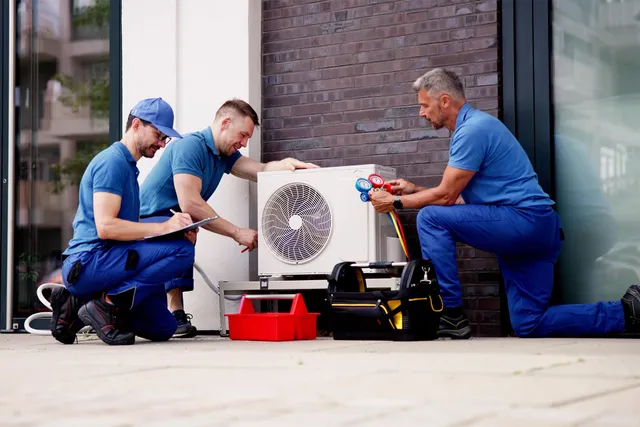
Your HVAC system is an important – and expensive – part of your home. Extending its lifespan not only saves money but also ensures that your home remains comfortable year-round. With proper care and proactive maintenance, homeowners can significantly reduce wear and tear on their heating and cooling systems.
Schedule Regular Professional Maintenance
Routine maintenance is essential for a long-lasting HVAC system, and having professional inspections done can help catch minor issues before they turn into major problems. During a tune-up visit, experienced technicians will typically:
- Examine and clean internal components
- Check and adjust refrigerant levels
- Inspect electrical connections
- Test overall system performance
Scheduling maintenance at least once or twice a year (usually during the spring and/or fall) ensures that your system operates at peak performance and reduces unnecessary strain on key components.
Anderson Heating insulation services can also help improve home efficiency by addressing insulation issues that may cause the system to work harder.
Replace Air Filters Consistently
One of the simplest ways to protect your HVAC system is by regularly replacing the air filter. A dirty filter restricts airflow, forcing your system to have to work harder to circulate air throughout your home. Make sure to use the correct filter type for your system, and replace filters every 1 to 3 months depending on:
- Filter type (fiberglass vs pleated)
- Home size
- Occupancy factors such as amount and adults vs kids
- Number of pets
- Outside air quality
- Allergies
- Season and system usage
These factors affect how dirty your filter gets and how frequently it needs to be changed. A clean air filter is vital to maintaining proper airflow, which prevents overheating and reduces stress on the blower motor.
Keep Vents and Ductwork Clear
Blocked vents and obstructions in the ductwork can negatively impact system performance. When airflow is restricted, your HVAC system has to work harder to achieve the desired temperature. Homeowners should:
- Ensure vents are not covered by furniture or rugs
- Keep ductwork clean and free of debris
- Address any visible damage, gaps, or leaks in ducts
Proper airflow distribution helps with efficiency and reduces unnecessary wear.
Use Your Thermostat Strategically
How you use your thermostat can also affect the lifespan of your HVAC system. Constantly adjusting the temperature or setting it too high or low increases the workload of your system. For better performance:
- Make sure your thermostat is properly calibrated
- Set a consistent temperature when possible
- Avoid extreme temperature changes
- Use programmable or smart thermostats to automate adjustments
Reducing unnecessary system cycling or overly long run times can help preserve internal components over time.
Keep the Outdoor Unit Clean and Clear
The condenser unit plays a critical role in your system’s performance, and when it becomes clogged with leaves, dirt, or debris, it can’t release heat as effectively. To keep it functioning properly:
- Regularly clear debris
- Maintain at least 2 feet of space around the unit
- Check periodically for signs of damage or obstruction
A clean outdoor unit improves efficiency and reduces the risk of overheating.
Avoid Overworking Your System
Your HVAC system is designed to maintain the comfort of your home, but underlying issues can hinder its performance. Poor insulation, air leaks, or drafty windows can force your system to work harder than necessary. Improving your home’s efficiency by sealing gaps or adding insulation can reduce the strain on your system and prolong its lifespan.
Long-Term Reliability for Your HVAC System
Extending the life of your heating and cooling system comes down to one thing: consistency. Regular maintenance and proper usage all play a role in keeping your system running efficiently. By taking a proactive approach, homeowners can avoid premature replacements, reduce repair costs, and enjoy reliable performance for years to come.
Read More at https://mintpaldecor.org/