
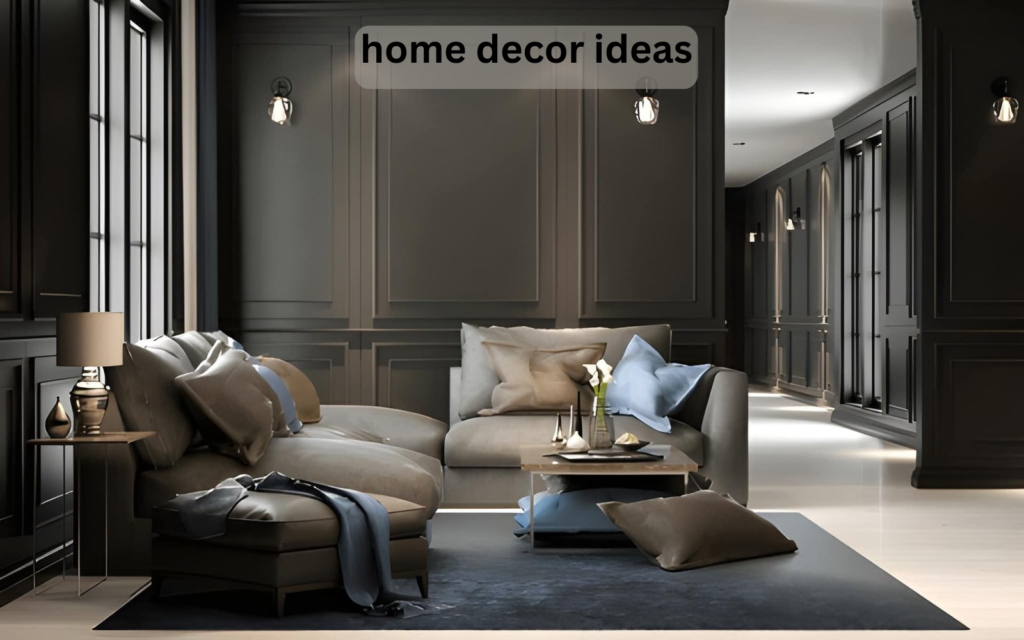
Home is the one place where people want comfort more than anything else.In addition to being aesthetically pleasing, a well-designed workplace influences daily routines, mood, and concentration.Many people in the United States now prefer homes that feel simple, warm, and practical instead of overly decorated spaces. That shift has made home decor ideas more important than ever.
The right design approach can change how a room feels without requiring major renovation or high spending. Small adjustments in color, lighting, furniture placement, and texture can completely shift the atmosphere of a home. Some people think design is only for professionals, but that is not true. Most improvements come from basic choices made with attention.
This post shares practical home decor ideas that focus on comfort and elegance. Each section explains simple ways to improve your space using realistic methods that work in everyday homes. Whether you live in a small apartment or a large house, these creative concepts will help you build a space that feels balanced, calm, and easy to live in.
1.Choosing a Soft and Balanced Color Base
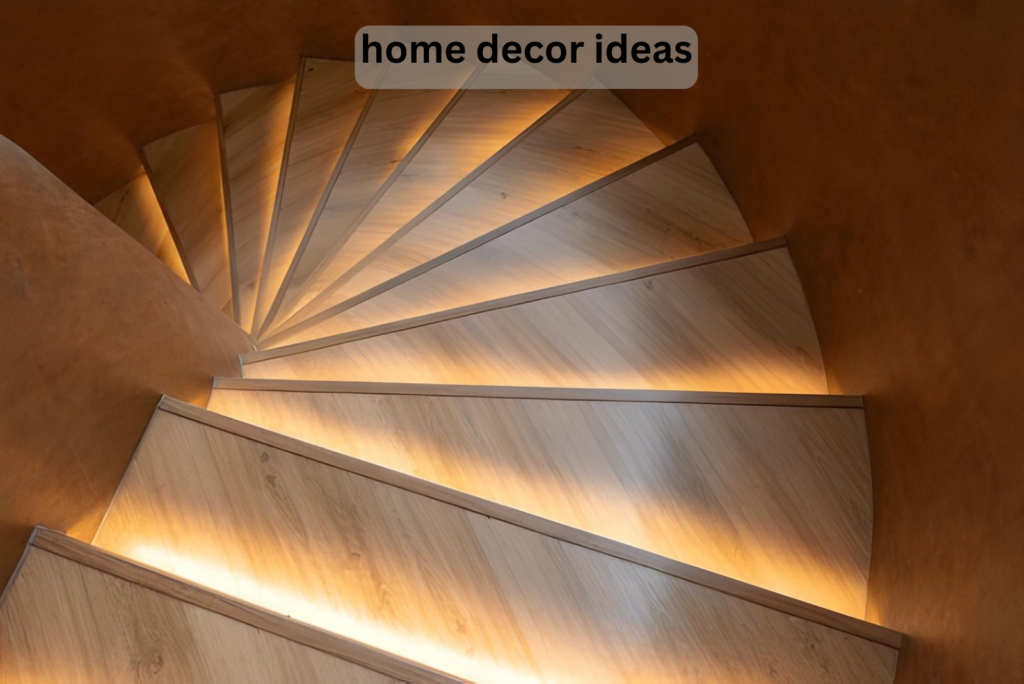
Color is the first thing that shapes how a room feels. Before furniture or decoration is added, the wall color already sets the mood.
Many modern home decor ideas start with neutral colors because they give flexibility. Once the base is neutral, it becomes easier to update furniture or decorations without changing everything.
In many homes across the United States, neutral color palettes are used to create a clean and open feelingThese colors also catch natural light really well, making a room feel brighter during the day.A room can feel serene and visually pleasant with a well-balanced background hue.A simple way to do this is to pick one main neutral tone and then add one or two extra shades to complement it.
This keeps the room consistent without making it boring. Strong design plans always begin with this kind of foundation because it supports every other design choice.
2.Lighting That Shapes Comfort and Mood
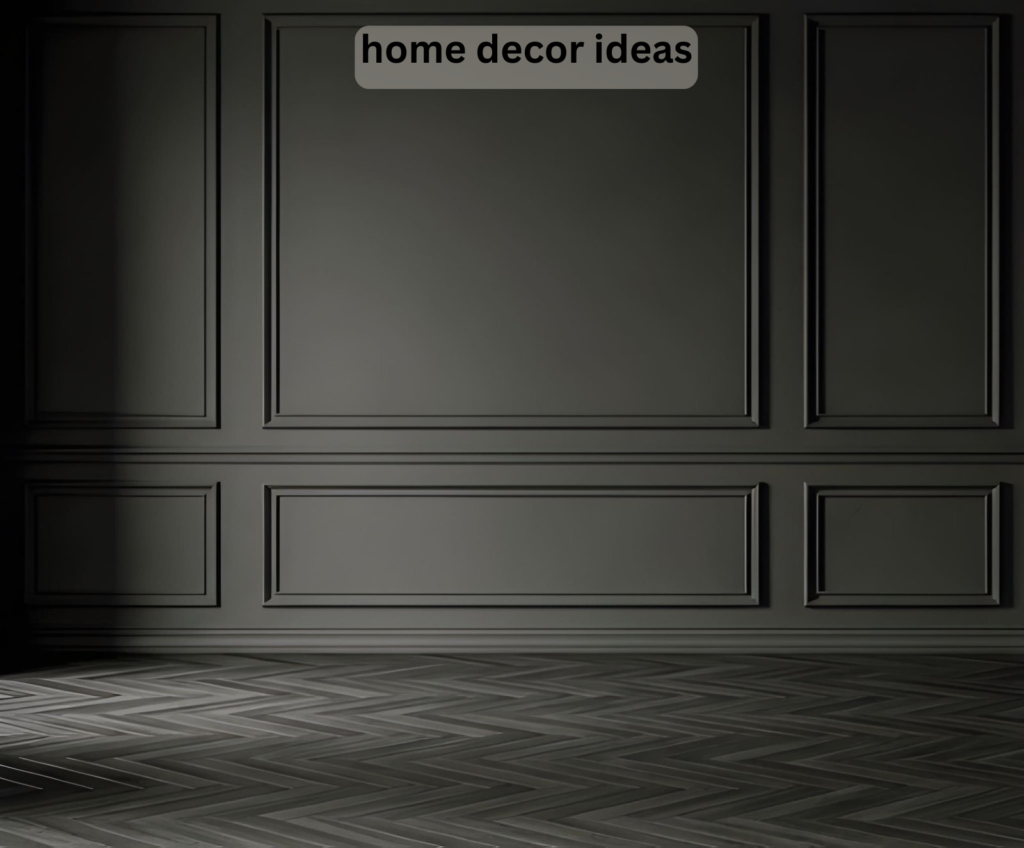
Lighting is one of the most powerful parts of interior design, yet it is often ignored. Even if everything else appears fine, a room with inadequate lighting might be uncomfortable. Both look and utility are enhanced by good lighting.
Large windows, light curtains, and open layouts help bring daylight into the room. After sunset, artificial lighting becomes important.
A layered lighting setup works best. General brightness is provided by ceiling lights. For reading or working, table lights provide concentrated light. Floor lamps fill empty corners and add warmth to the room.
Many modern styling trends today focus on warm lighting instead of harsh white lighting. Warm light creates a relaxed feeling that is ideal for evenings. It also makes furniture and textures look softer and more inviting.
Lighting placement matters as well. It frequently feels flat to have one strong light in the middle of a space. Depth and balance are produced by several light sources at various levels. This simple change can completely improve how a space feels.
3.Furniture Placement That Improves Flow
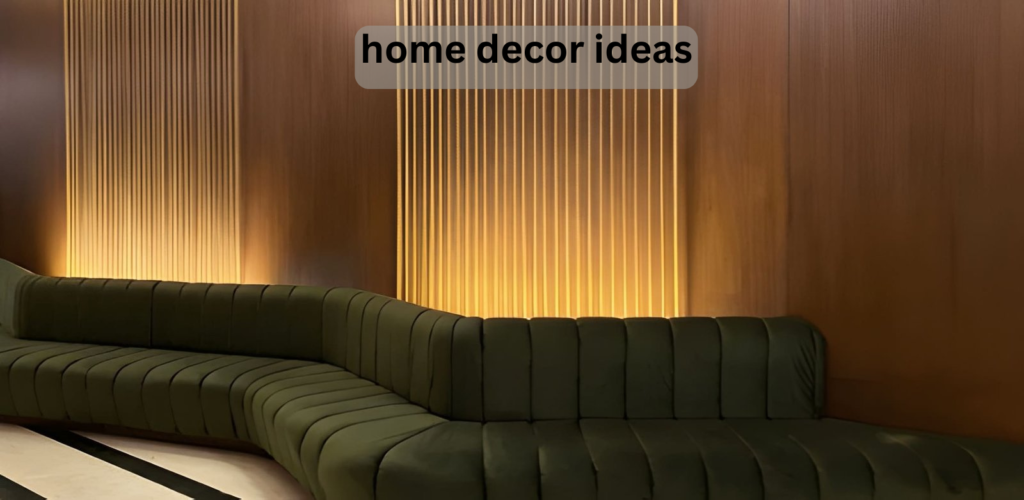
Furniture placement affects how people move through a space. Even expensive furniture can feel uncomfortable if it is placed poorly. A good layout supports natural movement and keeps the room open.
One basic rule is to avoid blocking walking paths.Major furniture items, such as couches, tables, and chairs, should always have room between them.
Many room layout strategies focus on function before style. A room should first work well in daily life. Once the layout is practical, decoration becomes more effective.
It also helps to create small zones in larger rooms. A seating area, a reading corner, or a work space can be defined using furniture placement. This improves organization without needing walls or partitions.
A balanced layout makes even simple furniture look more stylish. When space is used correctly, the entire room feels more open and comfortable.
4.Indoor Plants for Natural Balance
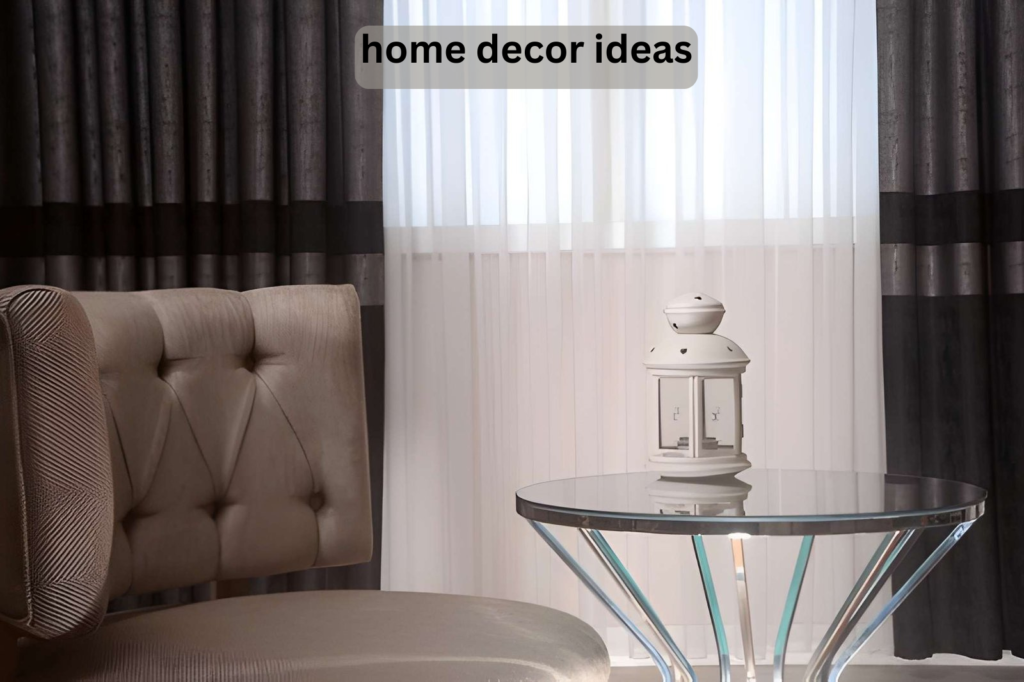
A room usually feels better with a little greenery in it. Plants add life, break up empty corners, and make the space look less flat. Even something small on a desk or shelf can make a noticeable difference.
A lot of people go with snake plants, pothos, or peace lilies because they’re hard to kill and don’t need much attention. They also do fine in different kinds of light, which makes them easy for most homes.
If you want a simple way to improve a room, adding a few plants is an easy start. They make the space feel more relaxed, more lived-in, and generally more welcoming.
Placement is important. A plant near a window gets natural light, while a corner plant can soften empty spaces.Smaller households with limited floor area might also use hanging plants.
Indoor plants connect interior spaces with nature, which makes a home feel more balanced and less artificial.
5.Textures That Add Depth and Comfort
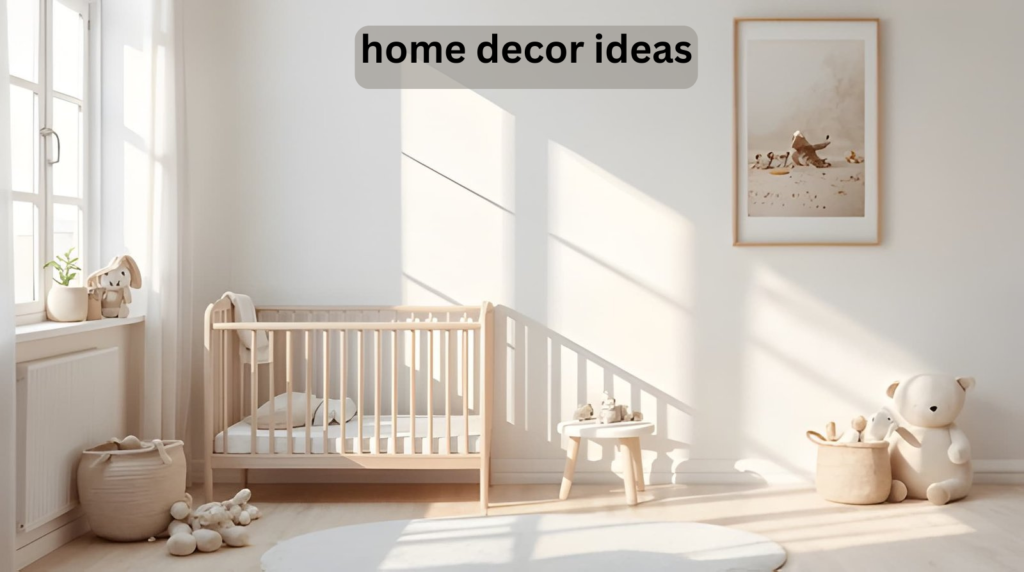
Texture is what gives a room character. Without texture, even a well colored space can feel flat and lifeless. Mixing different materials creates visual interest.
Wood adds warmth. Fabric adds softness. Metal adds structure. A wooden coffee table, some fabric cushions, and a metal lamp, for example they each stand out but don’t clash. It’s not about using tons of materials; it’s about picking a few that work well together.Repetition of textures in different parts of the room also creates consistency.
Texture helps connect all elements of a room into one complete design.
6.Wall Design That Reflects Personality
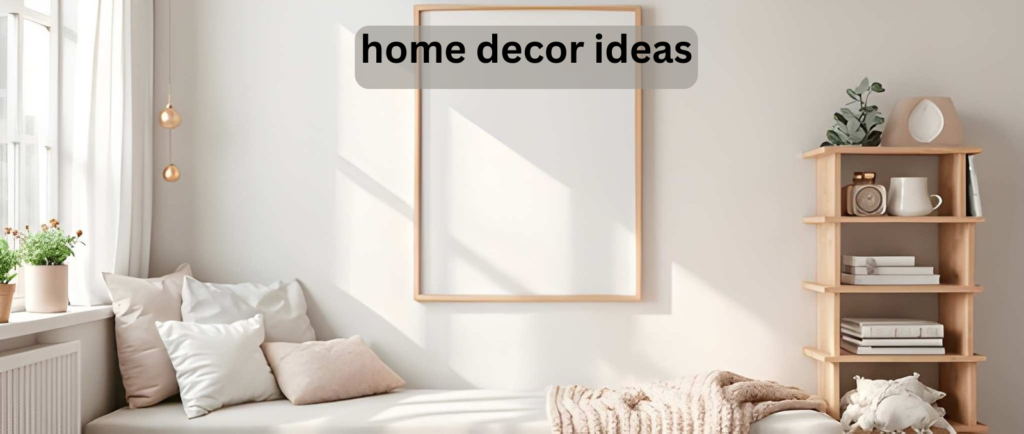
Walls are often left empty, but they play a major role in interior design. They are an opportunity to show personality and style.
Artwork, framed photos, and mirrors are simple ways to improve wall design. Mirrors also help reflect light and make small spaces appear larger.
Some people prefer clean walls while others prefer more expressive designs. Both approaches can work as long as the overall balance is maintained.
A useful idea is to create one main wall focus instead of decorating every wall. This keeps the room organized while still adding character.
Many professional designers believe wall design is one of the strongest elements in modern home styling because it defines the identity of a space.
The concept of interior doors also connects with wall design because door styles and finishes affect the visual flow between rooms. Matching or complementing door materials with wall tones creates a more unified home environment.
7.Smart Storage for Clutter Free Living
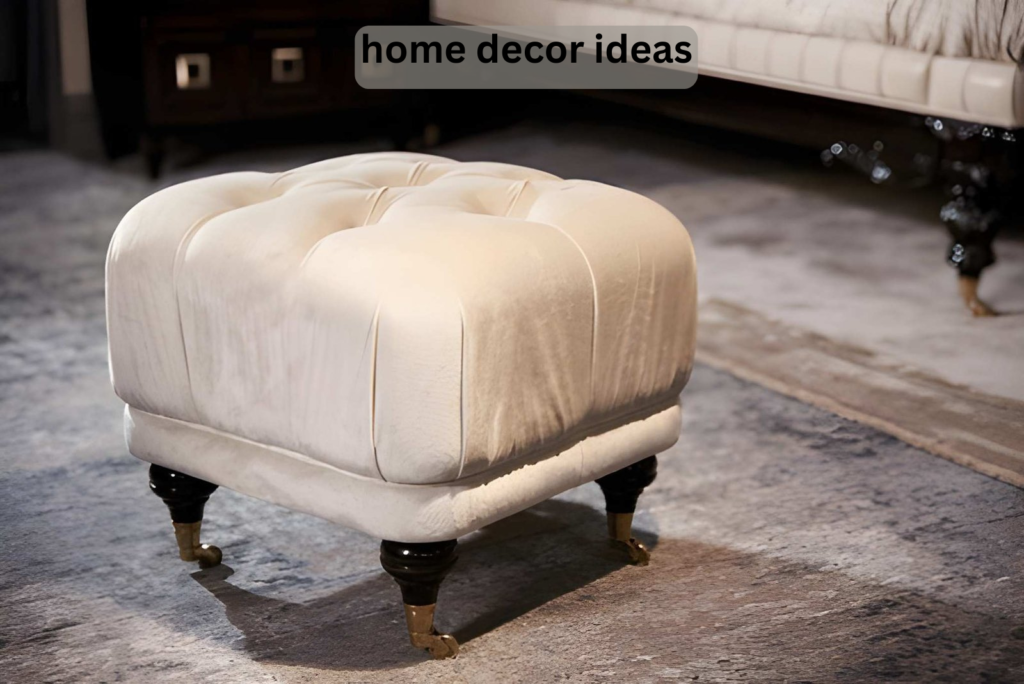
Clutter is one of those things that slowly ruins a room. Even if everything looks nice, too many things lying around make it feel uncomfortable pretty quickly. That’s why storage is such a big part of home design.
Hidden storage is usually the easiest fix. Stuff like under bed drawers, wall shelves, or storage benches helps a lot. You can keep things out of sight but still reach them when needed, so the room stays cleaner without much effort.
Open storage can work too, but only if you stay on top of it. If things are just placed randomly, it starts looking messy fast.
And honestly, this is also part of interior design. It’s not only about how a room looks, it’s about figuring out how to make everyday living feel easier in that same space.
Good home decor ideas usually start with storage. Not the decorative kind, but the practical kind. If a home is messy in daily use, it never really feels nice, no matter how it looks. When things are put away properly, the space feels lighter and more comfortable without trying too hard.
8.Seasonal Changes for Fresh Living
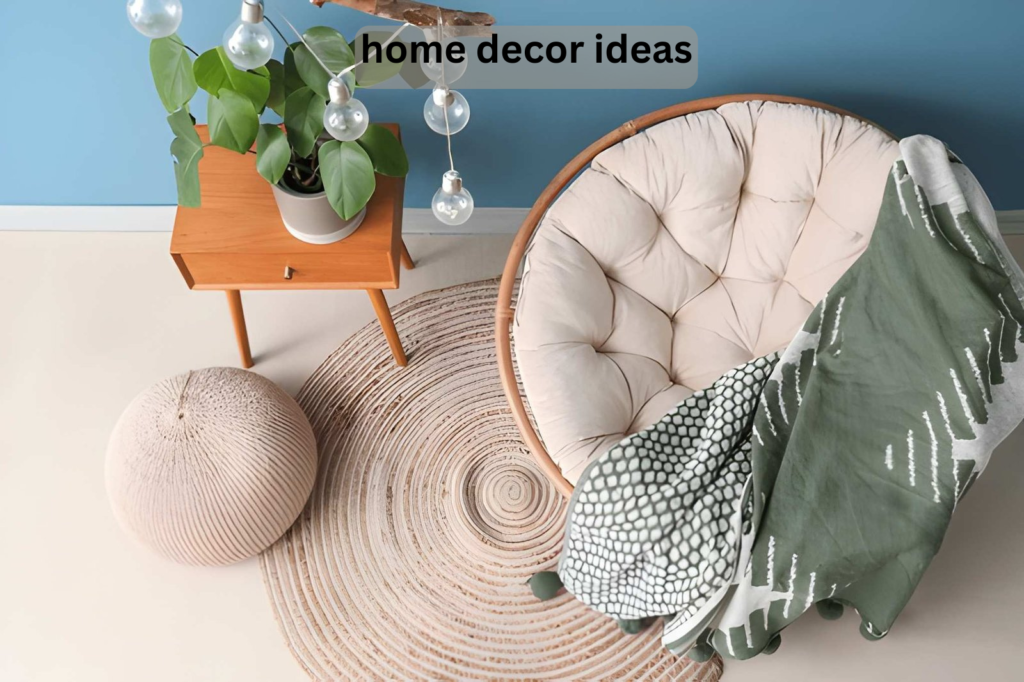
You don’t need to redo your whole home to make it feel different. Small seasonal changes are enough. In summer, lighter fabrics feel better. In winter, heavier ones feel more comfortable.
Even simple things like changing cushion covers or curtains can shift the mood of a room. It keeps things from feeling stuck or repetitive. Most people don’t notice it, but these small changes actually make a home feel newer without much effort or money.
9.Budget Friendly Design Improvements
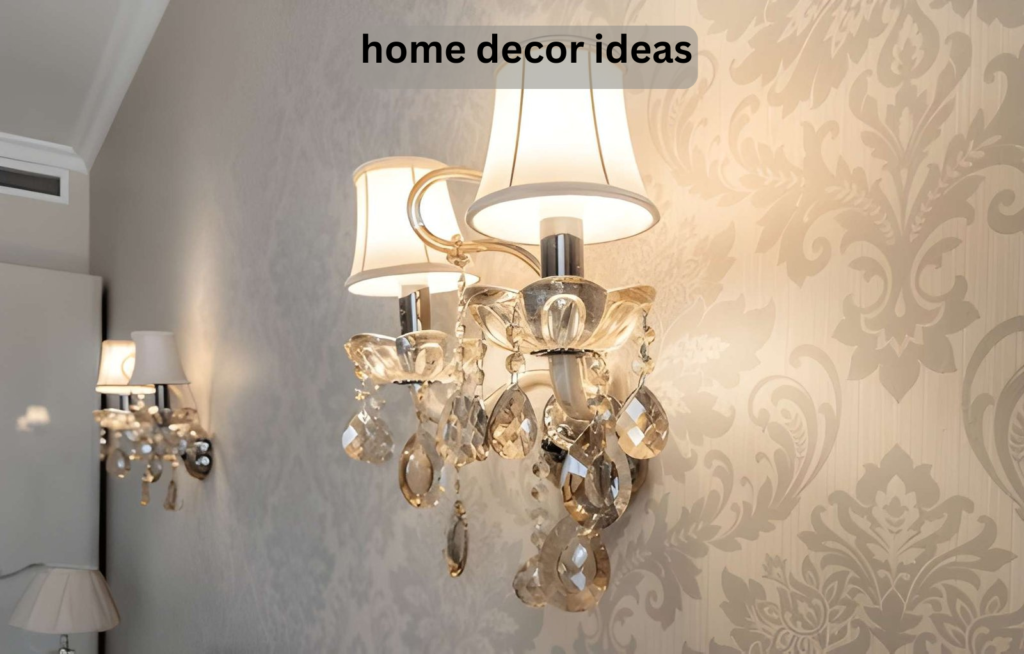
You don’t need expensive furniture to improve a room. Sometimes just moving things around changes everything. Lighting also plays a big role. A different lamp or warmer bulb can completely change the feel of a space.
Even cleaning up properly or removing things you don’t use makes a big difference. A lot of styling techniques sound complicated, but in real life, small simple changes work better and last longer.
10.Common Mistakes in Home Decoration
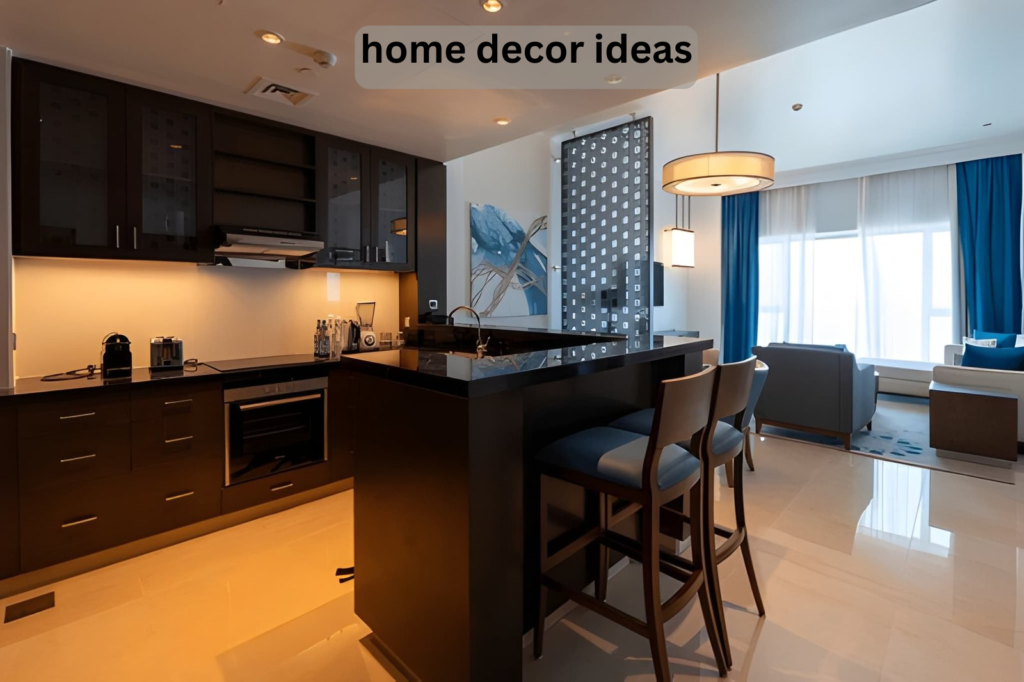
People often mess up by adding way too much to a room. Once every corner is filled, the space starts feeling crowded instead of cozy. That’s something Mintpaldecor talks about a lot knowing when enough is enough matters more than buying more décor.
Bad lighting is another problem. One bright light in the middle of the ceiling can make the whole room feel cold and flat.
And honestly, a lot of people decorate for appearance only. A room can look great in pictures, but if it doesn’t fit how you actually use it every day, it’s not going to feel right.
Knowing basic Interior Design Tips helps avoid most of these problems.
Final Thoughts
A nice home isn’t built in one day. It comes from small choices made over time. The best home decor ideas are simple ones that make life easier, not more complicated.
You don’t need perfection. You just need a space that feels good to live in and doesn’t stress you out.
Learning more about interior decorating or reading about interior design can help you understand what actually works in real homes, not just pictures.
One thought on “10 Home Decor Ideas for a Cozy and Elegant Home”