
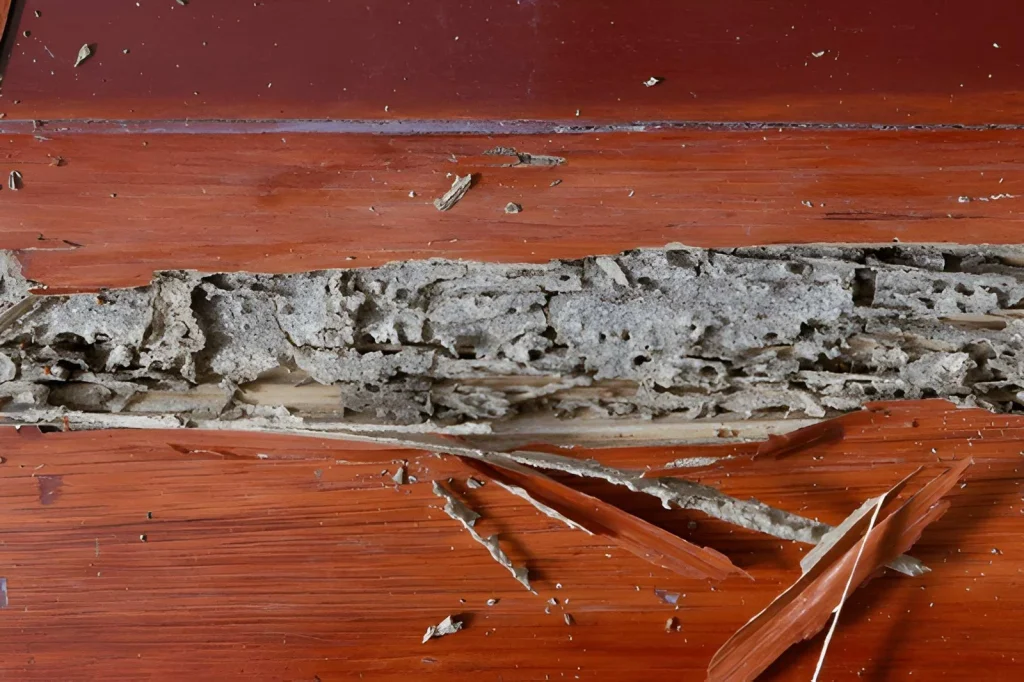
There’s something almost tragic about it: a homeowner spends years choosing the right crown molding, waits for a custom staircase to be built exactly right, finally gets that reclaimed wood accent wall installed, and none of it ever crosses their mind as something that needs protecting. Structural beams, sure, everyone worries about those. But decorative woodwork? It just sits there looking beautiful, until one day it doesn’t. Termites don’t actually care whether a piece of wood is holding up a roof or just making a room look expensive. If it’s cellulose, it’s fair game, and decorative features often turn out to be some of the easiest targets in the whole house.
Beauty Doesn’t Buy Immunity
Here’s the thing most people don’t realize until it’s too late: decorative wood is frequently thinner, more exposed, and more accessible than structural lumber buried inside a wall. Custom cabinetry, ornate molding, hardwood flooring, a gorgeous wood-paneled study, all of it sits right out in the open, often touching walls, floors, or foundations in ways that give termites a direct route in without needing to tunnel through anything substantial first.
And it’s not just about accessibility. A lot of decorative millwork gets installed with adhesives, and certain woods used purely for their look rather than their durability can actually be softer and more appealing to termites than the framing lumber hidden behind the drywall. So while everyone’s picturing termites gnawing away at some unseen support beam, they might already be working through a baseboard three feet from where someone’s standing.
When the First Clue Is Cosmetic, Not Structural
This is honestly one of the more useful things to understand about termite damage: it often shows up as a design problem before it ever looks like a structural one. A section of crown molding that seems to be pulling slightly away from the ceiling. A drawer that suddenly sticks even though nothing about the cabinet has changed. Flooring that develops a strange give underfoot in one specific spot, or paint that starts bubbling in a way that looks suspiciously like water damage but isn’t tied to any actual leak.
None of these scream “termites” at first glance. They look like the kind of wear and tear any older home accumulates. That’s exactly the problem. By the time cosmetic damage becomes obvious enough to investigate, the termites responsible have often been active behind that surface for a good while already, which is why catching these small, easy-to-dismiss signs early actually matters more than people assume. Anyone noticing a pattern of these small cosmetic issues across more than one piece of woodwork is generally better off getting an early look from Kilter Termite and Pest Control rather than waiting to see whether the damage spreads further on its own.
Moisture Is Almost Always Quietly Involved
If you trace back far enough, most termite problems affecting decorative wood share a common thread: moisture got there first. A slow leak behind a wood-paneled bathroom. Condensation building up behind a built-in bookshelf that backs onto an exterior wall. A wine cellar with wood racking sitting in a space that runs more humid than the rest of the house. None of these situations look dangerous on their own, but they create exactly the damp conditions termites need before they’ll ever bother settling into decorative material in the first place.
Managing that moisture is, frankly, one of the more effective things a homeowner can do. Keeping humidity in check around wood features, especially in basements, bathrooms, or anywhere partially below grade, removes a lot of the incentive termites have to show up there at all. A dehumidifier running in a below-grade room with wood paneling, or simply fixing a leak the moment it’s noticed rather than letting it linger for a season, does more preventive work than most people give it credit for. If a damp spot keeps returning near a wood feature no matter how many times it gets dried out, that’s a good reason to bring in Kilter Termite and Pest Control to check whether the moisture has already attracted more than it appears to on the surface.
Wood-to-Soil Contact Is a Bigger Deal Than It Sounds
Anywhere decorative wood touches soil directly, or comes close enough that moisture and termites can bridge the gap easily, is a genuine risk point. Think about wood trim near a foundation planter, decorative posts set into garden beds, or even mulch piled up too close against exterior wood siding or trim. These situations essentially hand termites a direct, unobstructed path from the ground straight into your home’s finished surfaces.
Keeping a gap between soil (or mulch) and any wood feature, even a purely decorative one, cuts off that bridge. It sounds almost too simple to matter, but this kind of physical separation is one of the most reliable ways to prevent subterranean termites from ever establishing that first foothold.
Regular Inspection Catches What a Casual Glance Misses
Most people walk past their crown molding a hundred times a week without actually looking at it. That’s normal, nobody’s expected to inspect their own trim daily. But every so often, a slightly more deliberate check makes a real difference. Tapping along decorative beams, baseboards, and trim every few months, and paying attention to any spot that sounds hollow or papery instead of solid, catches damage while it’s still small and manageable.
The same goes for furniture, especially antique or wood pieces that sit against exterior walls or spend time in a garage or storage area. A quick look underneath, along joints, and in corners where damage tends to start first goes a long way. None of this needs to feel like a chore. It’s more about building a habit of noticing, the kind of casual awareness that catches a problem in its early, cheap-to-fix stage rather than its expensive, structural one.
Don’t Patch Over the Problem Before Understanding It
There’s a real temptation to just fix what’s visible. Molding looks off, so you replace it. A drawer sticks, so you sand it down. But jumping straight to cosmetic repair without figuring out why the damage happened in the first place tends to just bury the evidence while the actual problem, whatever’s causing termites to be there, keeps right on going behind the new material.
A few things worth doing before reaching for a hammer or paintbrush:
- Photograph any suspicious damage before repairing or replacing it, in case a professional needs to assess the pattern later
- Check nearby areas for moisture or additional soft spots rather than assuming the damage is isolated to one piece
- Hold off on refinishing or replacing decorative wood until you’re reasonably confident about what caused the original damage
- Keep any removed material in case further inspection is needed
Skipping straight to a cosmetic fix might make a room look better for a little while, but it rarely solves anything if termites are still active somewhere nearby.
When It’s Time to Bring in an Expert
Some signs are worth a phone call rather than another DIY attempt. Discarded termite wings collecting near a windowsill or baseboard. Mud tubes running along a foundation wall or up through a crawl space. Multiple pieces of decorative wood showing damage at once, rather than just one isolated spot. Any of these point toward an active colony rather than a one-off issue, and that’s a different situation entirely from a single warped baseboard.
A proper inspection makes sense here, particularly when valuable finishes, custom millwork, antique furniture, hardwood flooring, are involved and a homeowner wants to know the actual extent of the problem before deciding how to move forward. A trained inspector can identify whether damage is contained or part of a larger, ongoing issue, which genuinely changes what kind of repair or treatment makes sense.
Prevention Really Is Worth the Small Effort
None of the steps here require major renovation or constant vigilance. Managing moisture around wood features, keeping soil and mulch away from wood surfaces, doing the occasional inspection tap-test, and addressing damage before painting or replacing anything, these are small, manageable habits that add up to real protection over time. Decorative wood features represent a genuine investment in how a home looks and feels, and treating them with the same basic caution given to structural wood, rather than assuming their purely cosmetic role makes them somehow exempt from termite risk, is really all it takes to keep them safe for years to come. Read more at https://mintpaldecor.org/.