
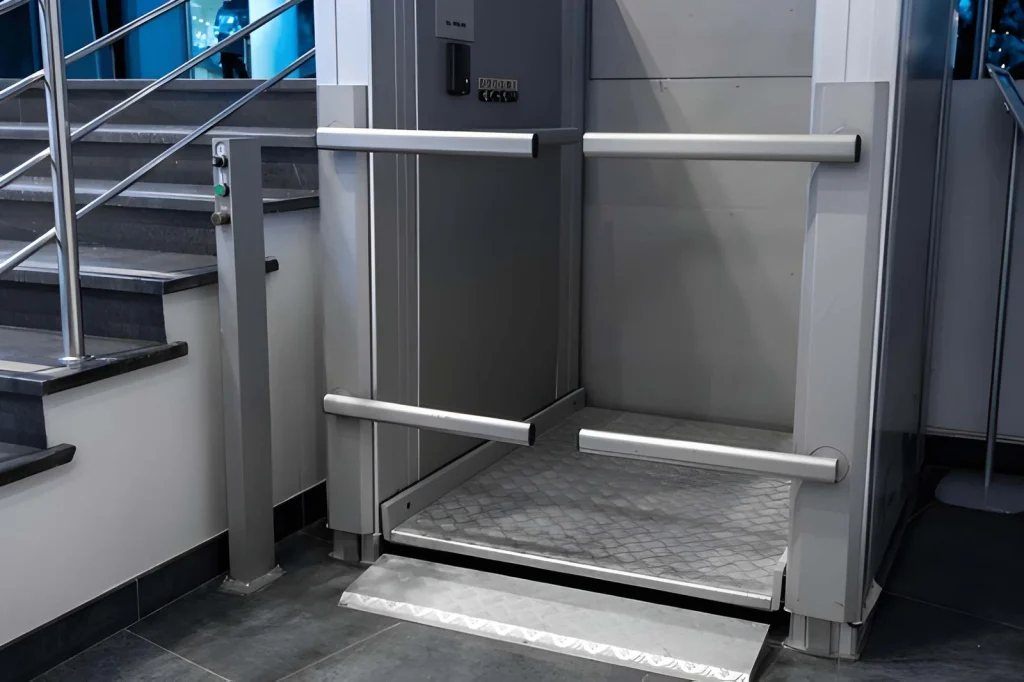
The floor is the quiet partner of every mobility device. A stair lift rides above it, a walker rolls across it, and a wheelchair turns on it, yet few people think about flooring until a foot slips or a wheel catches. Surfaces near stairs carry more risk than most, because people shift weight, turn, and step between levels there. A good choice supports safe footing, rolls smoothly, resists wear, cleans easily, and leaves room for equipment to be installed and serviced. The sections below explain how traction and transitions affect safety, how durability and cleaning shape daily life, how visual contrast helps people with limited vision, and how to compare practical materials without interfering with a lift.
Traction Comes First
Slip resistance matters more near stairs than anywhere else in the house. A person stepping off a lift at the top or bottom must plant a foot firmly, and a smooth, slick floor can undo that step. Polished tile, glossy hardwood, and waxed surfaces get slick when wet or when someone wears socks.
Textured or matte finishes help. Low-pile carpet with a firm backing offers grip and cushions a fall, though thick or plush carpet can snag walker wheels and shoes. Vinyl with a textured surface, rubber flooring, and tile rated for slip resistance serve well in areas that may get wet, such as entries and bathrooms beside stairs. Rugs deserve caution, because edges curl and corners catch, so securing them or avoiding them near the landing is wiser. A simple test is to walk across a sample in socks and with the shoes the person usually wears, then roll a wheelchair or walker across it. Any hesitation, skidding, or extra effort is a warning sign.
Transitions and Thresholds
Even a good floor can fail at the edge. Changes in height between rooms, strips between materials, and gaps at stair landings cause stumbles and stop wheels. Mobility equipment tolerates only very small differences in level, so transitions should be flush or gently beveled.
Planning transitions before installation saves trouble. Using the same material across adjoining rooms removes the strip entirely, and tapered reducers soften unavoidable changes. Landings at the top and bottom of the stairs need enough room for turning and for a lift’s rail ends and charging position. Flooring at these points should be stable and level, since a lift’s footrest folds down there and a rider steps off. Loose planks, lifted edges, and worn carpet corners should be repaired before anyone depends on them. Metal edging and tack strips can snag toes, so low-profile options are better. A final check with a wheeled device across each threshold reveals what the eye misses.
Durability, Cleaning, and Visual Contrast
Stair areas see steady traffic, so flooring should hold up to wheels, shoes, and cleaning. Luxury vinyl plank and sheet vinyl resist scratches and moisture and clean with a damp mop. Low-pile commercial carpet hides wear and muffles sound, though it holds dust and needs regular vacuuming. Hardwood looks warm, and a matte finish improves traction, yet it can scratch under heavy wheels.
When comparing the best flooring options for homes with stair lifts, durability and ease of cleaning rank alongside traction. A material that stains easily or needs special products becomes a burden for a person with limited strength. Contrast adds another layer. Aging eyes struggle to judge depth, so a floor that differs in color or tone from the stair edge and the walls helps people see where surfaces change. A contrasting strip on stair nosings, or a different shade at the landing, defines edges clearly. Avoiding strong patterns also matters, since busy designs can look like steps or holes to someone with vision problems.
Fitting Flooring to Stair-Lift Installation and Access
A lift attaches its rail to the stair treads, not the floor, but the surrounding flooring still affects installation and use. The installer needs a flat, stable area at each end for the rail, and the lift’s parking position should not block a doorway or the path of a walker. Thick carpet or a raised floor can alter measurements, so flooring should be finished before the survey and installation.
Anyone planning a remodel should coordinate with the installer, since the suitable flooring materials also depend on the model’s footprint and charging location. Cables and chargers should not create tripping hazards, and floor outlets or wall outlets near the rail ends need to remain accessible. Service technicians also need room to work, so heavy furniture should stay clear. If flooring is replaced later, the lift may need adjustment, and the installer can advise. Choosing durable materials reduces the chance of changes soon after installation.
A Quick Comparison Checklist
A short set of questions makes comparison simpler. Does the surface grip in socks and shoes? Do wheels roll without effort? Are transitions flush? Can it be cleaned easily without harsh products? Does it contrast with the stair edge?
Here is a practical order for evaluating options:
- Test grip with sample pieces in the actual lighting of the staircase.
- Roll a walker or wheelchair across the sample and its transitions.
- Check cleaning instructions and stain resistance.
- Compare colors against stair edges and walls for contrast.
- Confirm plans with the lift installer before purchase.
Asking an occupational therapist or accessibility specialist for a quick review adds experience, especially for people with balance or vision concerns.
Final Analysis
Flooring near stairs and mobility equipment should do more than look good. It should grip without catching, roll without effort, transition smoothly, resist wear, and clean easily, while giving clear visual cues at edges and landings. Matte vinyl, low-pile carpet, textured tile, and carefully finished wood each work in the right setting, and the choice depends on the household’s needs. Coordinating with the lift installer avoids conflicts with the rail, parking spot, and charger. A well-chosen floor makes every movement safer and more comfortable for the person who relies on it.Read more at https://mintpaldecor.org/.