
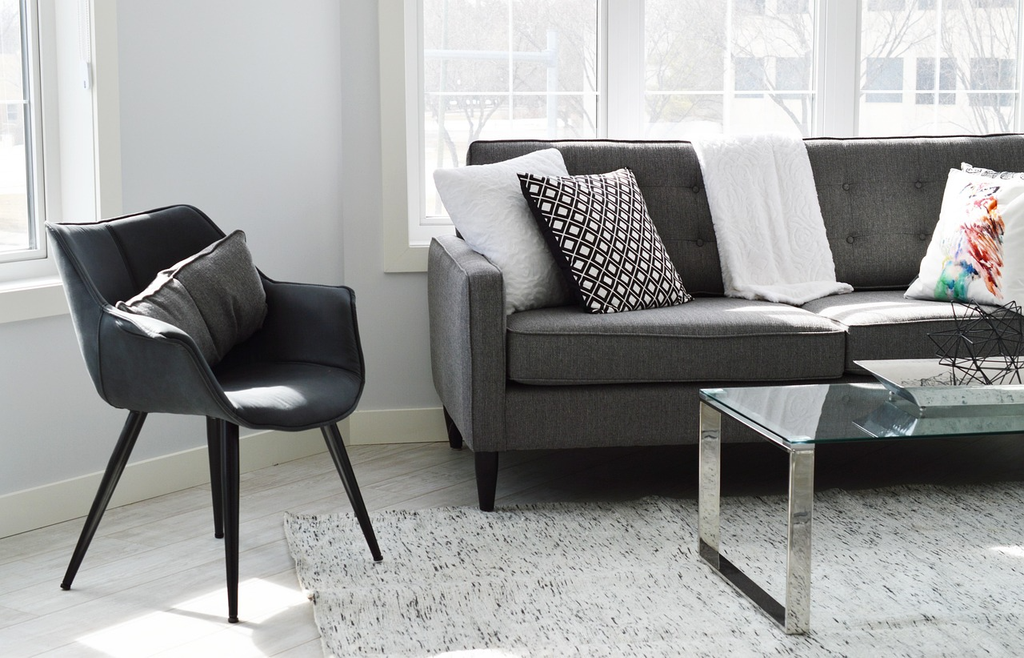
Homeowners want the immersive feeling of studio-grade sound, but they rarely want the visual clutter of traditional black boxes and tangled wires disrupting their interior design. Piles of remote controls and bulky floor speakers easily ruin the aesthetic of a carefully curated space. The convergence of audio equipment with contemporary interior design trends has generated incremental market growth estimated at 3.2-4.1% annually.
Achieving acoustic harmony doesn’t mean compromising aesthetic design. By investing in a bespoke setup tailored precisely to your space, you can engineer the ultimate home theater experience where technology integrates seamlessly into your daily routine.
This guide covers the best strategies for seamlessly blending high-end audio systems into your living room decor without sacrificing performance.
How Do You Hide Speakers Without Ruining Sound Quality?
You can conceal speakers without muffling sound by using professional acoustic calibration to match the equipment to your room. Expert installers position hidden architectural speakers to project unhindered sound waves, balancing studio-grade fidelity with a clean, visually appealing living space.
The fear that hiding equipment will degrade acoustic performance is common among homeowners. However, the science of acoustics allows audio components to sit flush within walls or behind specialized fabrics without losing clarity. Professional integrators bridge the gap between complex acoustic engineering and interior aesthetics by performing in-home acoustic matching.
They measure how sound reflects off your specific furniture, floors, and windows. By tuning the system to the unique dimensions and materials of your living room, installers ensure the hidden speakers sound perfectly clear. You receive a flawless listening experience without compromising your interior design.
The Home High-End Audio System Market is increasingly influenced by consumer preferences for aesthetics and design. As audio systems become integral components of home decor, manufacturers are prioritizing the visual appeal of their products, according to Research Nester.
Flush-Mount and Architectural Audio Solutions
Architectural audio utilizes in-wall, in-ceiling, and flush-mounted speakers to eliminate floor clutter entirely. Modern reference-grade architectural speakers from elite brands deliver uncompromising, high-fidelity sound by using specialized enclosures that focus all acoustic energy precisely into the room for maximum clarity.
Architectural audio is a category of speakers designed to be installed directly into the structural cavities of a home. These hidden solutions keep your floor plan open and entirely free of bulky tower speakers. You can enjoy a full surround sound experience without tripping over heavy boxes.
Professional custom installation projects experienced a steady 6.2% annual activity increase, driven by homeowner desires for concealed architectural audio solutions. People want their homes to look spacious and clean. Integrating the speakers directly into the ceiling or drywall achieves this aesthetic goal effortlessly.
Modern in-wall speakers perform at the same level as premium freestanding units. The installation process involves creating a rigid mounting environment that prevents unwanted vibration inside the wall cavity. This careful engineering ensures you hear the music exactly as the original recording artist intended.
Creative Concealment for Freestanding Speakers
When architectural audio is not an option, you can conceal traditional freestanding speakers using custom cabinetry wrapped in acoustically transparent fabric. This hides bulky equipment from plain sight while allowing sound waves to pass through the material without any restriction.
Custom cabinetry offers a practical way to integrate large speakers into a room naturally. Cabinet makers and AV integrators frequently collaborate to build specialized media consoles that fit your exact decor. These units feature open backs for necessary heat ventilation and custom fabric fronts that let high frequencies travel freely.
Acoustically transparent fabric is a specialized woven material that hides the speakers without blocking the audio signal. You can select fabrics that match your couch, your wall paint, or your window treatments. This level of customization ensures the technical equipment disappears into the background of the room.
You can also use bespoke furniture layouts or custom wall hangings tailored to the exact dimensions of the room to disguise equipment. The overarching brand philosophy is that your living space should deliver extraordinary performance without the visual clutter. Strategic room design can make even a large subwoofer look like a purposeful piece of modern art.
Where Should You Place Your AV Receiver and Amps?
AV receivers, amplifiers, and streaming boxes should be moved out of the living room and centralized in dedicated AV closets or specialized, ventilated racks. This approach keeps your main living space visually clean while protecting your high-end gear from dust.
A centralized equipment rack is the functional foundation of any modern luxury audio system. Storing hot, heavy processing equipment in a separate closet protects the delicate electronics from overheating. Removing these black boxes from your living room instantly upgrades the visual appeal of your primary gathering space.
Proper ventilation systems inside the hidden equipment rack pull cool air in and push hot air out. This active cooling process extends the lifespan of your amplifiers and receivers significantly. Dust accumulation is also drastically reduced when gear sits inside a controlled, dedicated environment rather than out in the open.
Housing equipment in a different room requires structured low-voltage pre-wiring, high-bandwidth fiber HDMI runs, and an enterprise-grade network like UniFi or eero to maintain zero-latency signal distribution for uncompressed audio and 4K/8K video. Specialists handling custom home cinema installation in Fort Worth, TX integrate dedicated rack cooling, surge-protected power conditioning, and Control4 or Savant automation processors directly into these mechanical closets—routing clean signals to architectural in-wall speakers and calibrated projection displays without visible hardware cluttering the viewing room.
Strategies for Wire and Cable Management
Professional integrators completely conceal messy wiring by running cables behind walls, beneath baseboards, or through custom architectural conduits. Proper wire management creates a polished environment where the underlying technology remains entirely invisible, leaving only the pure acoustic experience for you.
Cable management is a precise science that requires planning the exact route of every wire long before construction finishes. Installers use structured wiring panels to organize speaker cables, network lines, and power cords safely. This preparation ensures that every component receives clean, uninterrupted power and data.
Keeping high-voltage power lines strictly separate from low-voltage audio cables prevents humming and signal interference. Integrators route these cables through different wall studs or use specialized shielding techniques. The result is a completely silent background, allowing your high-fidelity system to deliver crystal-clear audio during quiet movie scenes.
Networked audio technologies also reduce the need for extensive traditional wiring runs. By sending audio signals over specialized data cables, integrators can simplify the physical infrastructure inside the walls. Proper wire management is critical for creating an environment where the technology is invisible, leaving only the pure experience.
How Does Smart Automation Eliminate Visual Clutter?
Smart home automation systems eliminate the need for separate remotes by unifying audio, video, lighting, and shading into one sleek interface. High-end platforms allow equipment housed in closets to be effortlessly operated from a single smart device or wall keypad.
A smart home automation system is a centralized software platform that controls all electronic devices in a house. Platforms like Control4, Savant, or Lutron translate complex equipment commands into simple button presses. You can instantly dim the lights, lower the window shades, and start a music playlist simultaneously.
Managing your equipment through a single application removes the need for a coffee table covered in different plastic remotes. You can control the amplifiers hidden in your AV closet using a discreet touch panel mounted on the wall. Alternatively, you can manage the entire system using an app on your personal smartphone.
This streamlined approach strictly follows the philosophy that complexity is the enemy of enjoyment. A high-end audio system should be as effortless to use as it is beautiful to look at. Simplifying the user experience ensures that you actually enjoy using your expensive audio investment every single day.
The Importance of Early Integration Planning
The best time to plan audio system integration is during the early architectural or remodeling phase, before the drywall goes up. Early planning allows integrators to create a truly bespoke plan that perfectly balances acoustic performance, interior aesthetics, and budget.
Waiting until the end of a build to think about audio severely limits your installation options. Retrofitting cables behind finished walls adds unnecessary expense and frequently requires patching and repainting. Early planning allows integrators to map out the exact conduit paths required to keep every wire hidden from view.
“The most common and most costly mistake is involving the AV integrator too late,” notes K-array. “Once walls are plastered and ceilings are finished, cable routing options are severely constrained.” Bringing an audio expert onto the project during the blueprint stage prevents these expensive delays completely.
Early collaboration ensures your audio requirements blend perfectly with the overall architectural vision. The integration team can work directly with your interior designer to match speaker placements with your furniture layout. This proactive teamwork guarantees a bespoke plan that perfectly balances acoustic performance, room aesthetics, and your total budget.
Conclusion
Merging premium audio with interior aesthetics is entirely possible through architectural solutions, clever concealment, and centralized smart control. True luxury means understanding the science behind the signal to deliver pristine sound without disrupting your home’s design. You no longer have to choose between a beautiful living room and a phenomenal listening experience.
A well-designed system hides the technology and highlights the music. If you are ready to remove the visual clutter from your home, reach out to schedule an in-home demonstration. You can start crafting a bespoke audio setup tailored specifically to your unique living space today.