
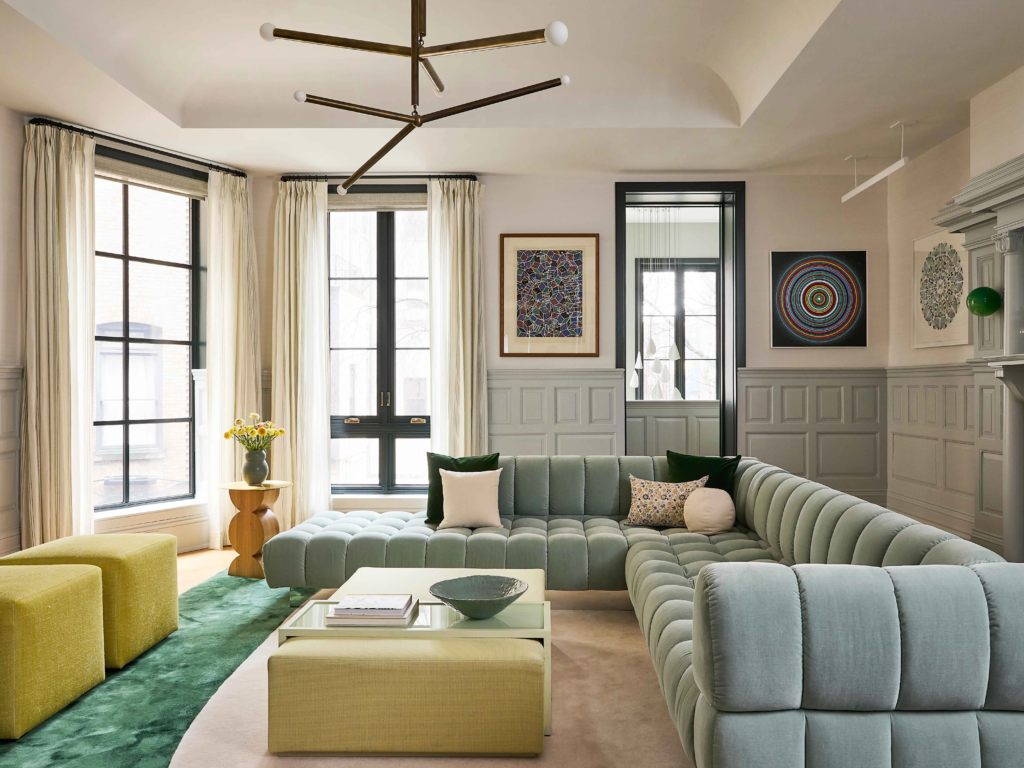
A room often starts with a sofa, a rug, or a paint color. That’s normal. People measure the wall, pick a couch, then try to “add art” later, almost like the painting is the final sprinkle on top.
But honestly, that can make a room feel backward.
A painting by an artist carries a mood before anything else in the room even speaks. It has color, movement, texture, silence, drama, humor, memory, and sometimes a little mystery. One canvas can tell you whether a room should feel calm, bold, earthy, romantic, sharp, soft, or slightly strange in the best way.
So instead of treating artwork as an accessory, try treating it as the first decision. Let the painting lead. The rest of the room can follow.
Start With The Feeling, Not The Frame
The first question is not, “Does this painting match my sofa?” The better question is, “How does this painting make the room feel?”
A landscape with misty greens and soft blues can push a space toward rest. A bright abstract painting with reds, yellows, and jagged shapes gives the room energy. A portrait with deep shadows brings intimacy. A loose floral painting can make a dining room feel warm and lived-in, like someone just opened a window on a spring morning.
You know what? The painting does not need to be expensive or famous. It just needs presence.
A good room has a point of view. That point of view can come from the art. When you begin there, your design choices stop feeling random. The wall color, fabrics, lighting, and furniture all have a reason to exist. They are not competing for attention. They are answering the painting.
That is where a room starts to feel curated instead of decorated.
Pull Colors From The Painting, But Don’t Copy Everything
Here’s the thing: using artwork as a color guide does not mean your room has to repeat every shade in the canvas. That can look too neat, almost like a showroom display. Real homes need a little looseness.
Look at the painting and find three kinds of color:
The dominant color is the one your eye notices first. This can guide the main mood of the room.
The supporting color appears in smaller areas. This works well for pillows, rugs, curtains, or small decor.
The quiet color is easy to miss. It may show up in a shadow, background, or tiny brushstroke. This is often the most elegant color to use on walls or larger furniture.
For example, if a painting has deep green trees, clay-colored rooftops, cream clouds, and a bit of black linework, you do not need a green sofa, clay curtains, cream walls, and black lamps all at once. That is too literal. Instead, you can choose warm cream walls, a natural wood table, black metal lighting, and one small green accent. The painting still leads, but the room can breathe.
Design works better when it feels connected, not copied.
Let Bold Art Have Some Space
A strong painting needs room to be strong.
If you hang a large, colorful artwork above a sofa, the furniture below it should support the scene, not wrestle with it. Simple shapes help. Solid fabrics help. Clean lines help. A bold painting above a patterned sofa can work, sure, but it takes a careful eye. Most homes feel better when one major piece gets to sing while the others hum.
This does not mean the room has to be plain. Plain is not the goal. Balance is.
A dramatic painting can sit beautifully above a low-profile sofa, a leather chair, a simple coffee table, and a textured rug. The room still has character, but it does not feel noisy. Think of it like music. You need rhythm, bass, and pause. If every piece plays the loudest note, the room gets tiring fast.
Lighting matters here, too. A painting can change during the day. Morning light can soften it. Evening lamps can make it warmer. Picture lights, wall sconces, and nearby table lamps can all help the artwork feel intentional instead of stuck on a blank wall as an afterthought.
Pair Statement Artwork With Furniture That Knows Its Role
Furniture has a quiet job when artwork leads the room. It has to be useful, beautiful, and calm enough to let the painting keep its voice.
Leather seating is especially good at this. It brings weight and texture without needing loud patterns. A rich brown leather chair can ground a colorful painting. A black leather recliner can sharpen a soft room. A cream leather piece can make deep-toned artwork feel lighter.
This is where timeless furniture helps. Something like the Himolla Aura recliner can work well in an art-led room because it feels refined without shouting for attention. It gives the space comfort and structure, which matters when the painting itself carries more movement or color.
And comfort is not a side issue. A room is not a gallery. You live there. You sit, read, talk, nap, scroll, drink coffee, and sometimes stare at the wall while pretending to make decisions. The furniture has to support real life.
That is why the best rooms mix visual interest with comfort. Art gives the room a soul. Furniture gives it a body.
Use Texture To Make The Painting Feel At Home
A painting does not exist only through color. It also brings texture, even when the surface is smooth. Brushstrokes, layers, shadows, and marks create a visual texture that affects everything around it.
If the painting feels soft and airy, you can echo that with linen curtains, pale wood, woven baskets, and matte ceramics. If the painting feels dark and moody, try velvet, aged brass, walnut, leather, or a thicker rug. If it feels modern and graphic, smoother finishes can work better, like glass, metal, or crisp cotton.
The trick is to repeat the energy, not the exact material.
A coastal painting does not need seashells on every shelf. A mountain painting does not need antlers. A floral painting does not need floral curtains. That is where rooms can slide into theme-party territory. Better to borrow the feeling. Freshness. Quiet. Wildness. Warmth. That is enough.
Small details do a lot here. A rough clay vase beside an expressive painting feels human. A stack of books under a framed print makes a corner feel used, not staged. A soft throw over a chair can pull a color from the artwork without making the whole room look planned to death.
Let The Room Tell A Personal Story
The nicest rooms are not perfect. They have a pulse.
A painting can become the anchor for that pulse because art is personal by nature. Maybe you bought it while traveling. Maybe a local artist made it. Maybe it reminds you of your grandmother’s garden or a city you miss. Maybe you just liked it and cannot explain why. That counts.
When a room begins with art, it often becomes easier to add personal pieces around it. Family photos, old books, handmade pottery, vintage lamps, or a small table from a flea market can all sit near the painting and add layers to the story.
The goal is not to impress every guest. The goal is to make the room feel like it belongs to you.
That is also why not every item needs to match. In fact, a little tension can make the space better. A modern painting above an old wooden console. A bright canvas in a quiet room. A traditional portrait near a clean-lined sofa. These small contrasts give the room charm.
Artful Spaces Matter Beyond The Home Too
This same idea shows up in event spaces. People remember how a place feels before they remember every detail on the table. Paintings, wall colors, lighting, flowers, and seating all shape the mood. That is why couples often look closely at interiors when comparing wedding venues for a celebration that feels warm and personal.
A venue works a lot like a room at home, just on a larger scale. One strong visual feature can set the tone for everything else. It may be a painting, a stone wall, a staircase, a garden view, or a candlelit dining space. The rest of the design grows from there.
The same is true for luxury wedding venues in texas, where atmosphere often comes from more than size or polish. Guests notice the way the room holds light, the way chairs frame the space, and the way art or architecture gives the setting a sense of place.
Even a rustic wedding venue can use the same design thinking. A single focal point can guide flowers, linens, furniture, and photography. The lesson still comes back home: choose the piece that carries the feeling, then let the rest support it.
The Painting Can Be The Plan
A room does not need to begin with a catalog page. It can begin with one painting.
That painting can tell you which colors feel right, which furniture should stay simple, which textures belong nearby, and what kind of mood the room wants to hold. It can help you avoid clutter. It can also help you take design risks with more confidence because you are not guessing. You are following a lead.
So before you repaint the walls or buy another chair, stand in front of the artwork you love. Look at it for a minute. Notice the colors, the movement, the quiet spots, the emotion.
Then ask a simple question: what kind of room would make this painting feel at home?
That answer is often the beginning of a much better design.