I never used to be an outdoors person.
Genuinely. I was the one who thought a “nature walk” meant strolling through a park with decent phone reception.
Camping sounded like a punishment. Waking up before dawn on purpose? Absolutely not.
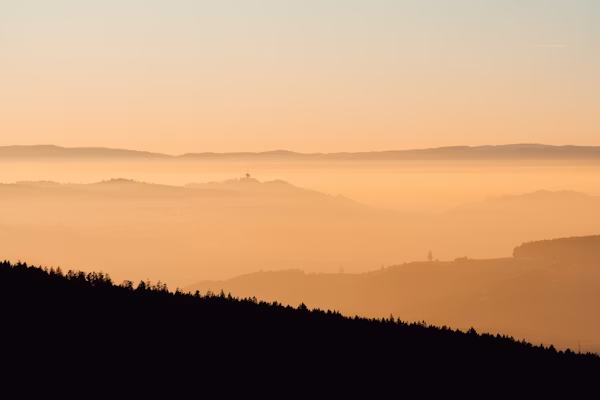
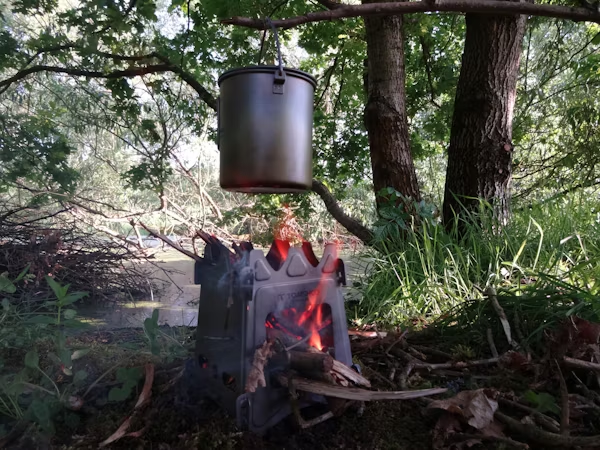
Then a mate dragged me along on a weekend trip into the backcountry. We hiked in, set up camp, and spent two days doing basically nothing except walking, cooking over a fire, and watching the ridgeline change colour.
I came home feeling like a different person.
Not in some dramatic, overnight way. Just a slow shift toward spending more time outside and less time staring at screens, sitting in traffic, and wondering why I felt so flat.
If you’re even slightly curious about getting more involved in the outdoors… hiking, hunting, fishing, or just spending proper time in nature… Here’s what I’ve picked up along the way.
Not as an expert. Just as someone who started from zero and figured things out one weekend at a time.
Starting Small Actually Works
There’s this weird pressure around outdoor hobbies where it feels like you need to go all in immediately. Buy all the gear. Plan an epic trip. Commit to a week in the wilderness or don’t bother.
That’s nonsense.
My first few months were embarrassingly basic. Short walks. A night in a campground with actual toilet facilities. Borrowing a mate’s gear instead of buying my own.
And honestly? That was perfect.
Starting small lets you figure out what you actually enjoy without dropping a fortune on equipment you might never use again.
The people I know who burned out fastest were the ones who went too hard too soon. Bought top of the line everything, planned a massive trip, had a rough experience, and never went back.
The ones who eased in gradually? Still out there every other weekend, loving it.
Figuring Out What Kind of Outdoor Person You Are
Here’s something nobody tells you: “the outdoors” is not one hobby. It’s dozens.
Some people love the physical challenge. Steep climbs, long distances, that satisfying ache in their legs at the end of the day.
Others are in it for the quiet. A calm spot by a river with a fishing rod and nowhere to be.
Some people love the strategic, patient side of things. That’s where pursuits like hunting come in. It combines bushcraft, navigation, patience, and a deep respect for the land and wildlife.
I tried a bit of everything before I found my thing.
Fishing was relaxing but I got restless. Trail running was exciting but I kept getting injured.
Hunting ended up being the sweet spot for me. It combined so many skills I enjoyed: walking through the bush, reading the terrain, being patient, and feeling genuinely connected to the food chain in a way that grocery shopping never provided.
Your thing might be completely different. That’s fine.
The point is to try enough activities to figure out what clicks. Don’t just default to whatever your mates are into if it doesn’t genuinely excite you.
Gear: The Good, The Bad, and The Unnecessary
Let’s talk about equipment. This is where people either overspend wildly or underspend and have a miserable time.
The sweet spot is somewhere in the middle.
You don’t need the most expensive gear on the market. But you do need stuff that’s reliable.
Cheap boots that give you blisters three kilometres in will ruin a trip faster than rain ever could. A jacket that claims to be waterproof but soaks through in light drizzle? That’s a recipe for a very grumpy walk home.
My approach has been simple. Invest in the things that directly touch your body: boots, base layers, pack. Go mid range on everything else.
A good pair of boots is probably the single best investment you can make. They should fit properly, support your ankles, and suit the terrain you’ll be covering.
For anything hunting related, having a reliable place to source your gear makes a real difference. I’ve found that browsing hunting stores NZ gives you access to a proper range of equipment from people who actually understand what you need.
There’s a big difference between buying from a specialist versus grabbing generic outdoor stuff from a department store. The advice alone is worth it, especially when you’re starting out and don’t know what you don’t know.
Beyond the basics, resist the urge to buy everything at once. Use what you have. Borrow from mates. Upgrade as you go.
What Nobody Warns You About
There are parts of outdoor life that don’t make it into the glossy social media posts. Might as well be upfront about them.
You will get cold. Properly, bone deep cold where you question every choice that led you to this moment.
Layering helps. Merino wool is a miracle fabric. But sometimes you’re just going to be cold and the only option is to keep moving.
You will get lost. Maybe not seriously lost, but “hang on, which ridge were we meant to follow?” lost.
Carrying a map and compass (and knowing how to use them) is not optional. GPS is great until it runs out of battery. And it always runs out at the worst possible time.
You will have trips that don’t go to plan. Weather changes. Tracks get washed out. You’ll forget something important.
None of this means the trip was a failure.
Some of my favourite memories are from trips that went sideways. You adapt, you problem solve, and you end up with a much better story than “everything went perfectly.”
Respecting the Land
I’m not going to lecture anyone.
But spending real time outdoors changes how you think about the environment in a very personal way.
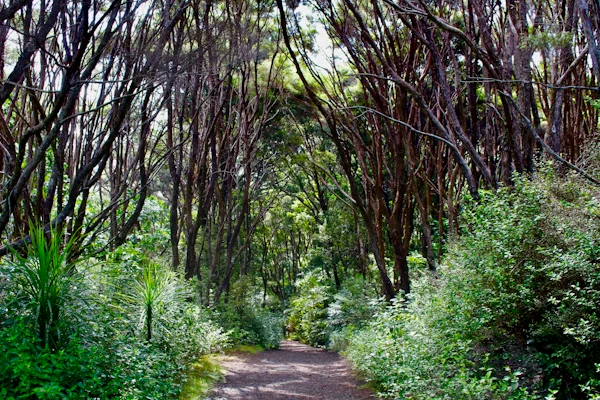
When you’ve walked through untouched bush and seen how delicate everything is, you start caring about it differently. Not because someone told you to. Because you’ve experienced it firsthand.
Carry out what you carry in. Stay on tracks when they exist. Be mindful of nesting seasons and protected areas.
If you’re hunting or fishing, know the regulations and follow them. These aren’t annoying rules. They’re how we make sure these places are still worth visiting for many more seasons.
The outdoor community is generally good about this. Most people who spend serious time in nature are the first to protect it.
The more time you spend out there, the more invested you become in keeping it wild.
The Mental Health Side of Things
I’m not a psychologist. I can only speak from my own experience.
But the impact that regular time outdoors has had on my headspace is something I can’t ignore.
There’s a quality to being in nature that nothing else replicates. The noise in your brain quiets down. Problems that felt enormous at your desk shrink to a manageable size when you’re standing on a ridgeline watching a hawk circle below you.
I sleep better after a day outside. I’m more patient. Less reactive.
And it’s not just me. Nearly everyone I know who’s picked up an outdoor hobby says something similar. They started the activity and stayed for what it did to their mental state.
You don’t need a week-long expedition for this. Even a few hours in the bush on a Saturday morning makes a noticeable difference.
The trick is making it regular, not epic.
Consistency beats intensity every time when it comes to the mental benefits.
Finding Your People
One last thing worth mentioning: community.
Outdoor hobbies can be solitary. That’s part of the appeal for some.
But they can also connect you with a really solid group of like minded humans.
Hunting clubs, tramping groups, fishing communities… These networks are everywhere and most of them are genuinely welcoming to newcomers.
I’ve met some of my closest mates through shared outdoor pursuits. There’s something about spending a long day in the bush with someone that fast tracks a friendship. Coffee catch ups don’t even come close.
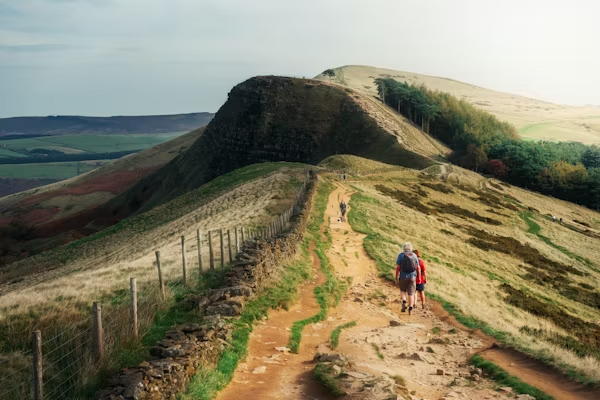
If you’re hesitant about joining a group, that’s normal. Most people are.
But try it once. You’ll likely find that the people involved are far less intimidating than you imagined. And they’re usually thrilled to have someone new along.
So Where Do You Start?
Right here. Right now.
Not with a massive purchase or a huge plan.
Pick one thing that sounds interesting. A day hike. A fishing trip. A weekend camping. Ask a friend who’s into it if you can tag along. Borrow their spare gear. See how it feels.
If it clicks, go again. Build slowly. Learn as you go.
And if the first thing you try doesn’t grab you, try something else. The outdoors is vast and varied. There’s room for everyone.
The only wrong move is never giving it a shot.
Trust me on this one. The version of you that spends regular time outside is a version you’re going to like a lot.Read More at https://mintpaldecor.org/