
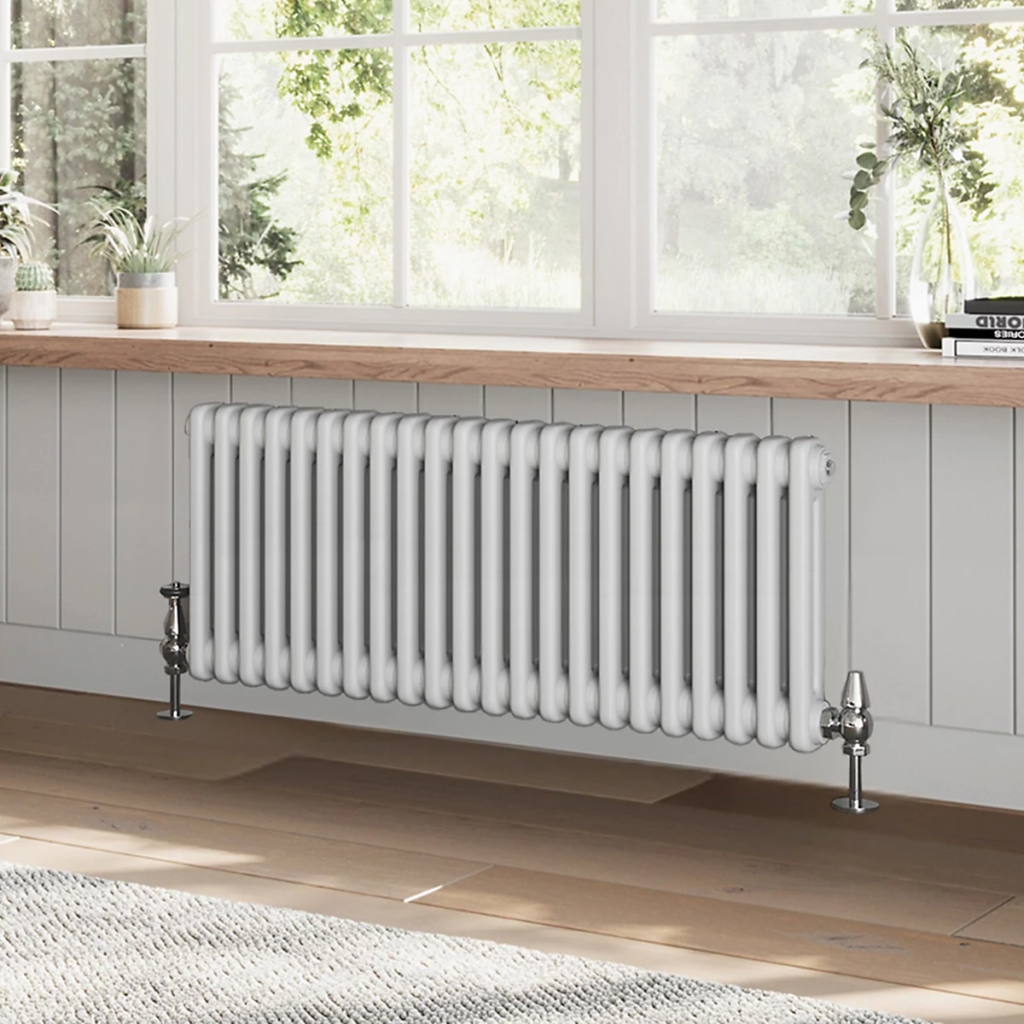
Surprisingly, heating is rarely part of the conversation when it comes to interior design. We focus on furniture, lighting, colours, and textures, while radiators are quietly left as an afterthought. But the way a home is heated has a bigger impact on the atmosphere than many people realise. When chosen thoughtfully, heating can support the overall aesthetic of a space rather than interrupt it, becoming part of the story your home tells.
Traditional Radiators That Bring Character Back Into the Home
For years, radiators were treated as purely functional fixtures, something to hide behind furniture or curtains. Today, that mindset has changed. Traditional radiators are being embraced as design features in their own right, offering a sense of heritage, craftsmanship, and visual warmth that modern flat-panel heaters often lack. With their columned structures and classic silhouettes, these radiators effortlessly blend comfort with timeless appeal, making them a favourite choice for both period properties and contemporary homes looking for contrast.
When Heating Becomes a Design Statement
Interior design is no longer just about colour palettes and furniture choices. Architectural details, textures, and functional elements now play an equally important role. A well-chosen radiator can anchor a room, add depth to minimalist spaces, or enhance the charm of vintage-inspired interiors. Whether positioned beneath a sash window or along a feature wall, classic radiator designs introduce rhythm and structure without overpowering the space.
Blending Old-World Charm with Modern Living
One of the biggest misconceptions about traditional heating is that it belongs only in historic homes. In reality, classic radiators pair beautifully with modern interiors. Their solid forms balance sleek finishes like polished concrete, glass, and steel, creating a layered look that feels curated rather than cold. The result is a home that feels lived-in, warm, and visually engaging without sacrificing efficiency or comfort.
Choosing the Right Radiator for Each Room
Different spaces call for different heating moods. Living rooms benefit from statement radiators that complement sofas and fireplaces, while kitchens and bathrooms often suit more compact traditional designs that still carry personality. Size, placement, and finish all influence how a radiator interacts with the room, turning a practical necessity into a thoughtful design decision.
Designing Homes That Feel Warm in Every Sense
True comfort goes beyond temperature. It’s about atmosphere, balance, and how a space makes you feel. Thoughtfully designed heating contributes to that experience, supporting both physical warmth and visual harmony. By choosing elements that reflect craftsmanship and intention, homeowners can create interiors that feel welcoming as the seasons keep changing.
Final Thoughts
Ultimately, rethinking heating as part of your interior design opens up new possibilities for creating spaces that feel complete and considered. Radiators can add texture, history, and visual interest to a room. When form and function work together, heating becomes more than a necessity; it becomes an expression of style and intent. By choosing designs that complement your architecture, furnishings, and lifestyle, you create an environment that feels warm in every sense of the word. The result is a home where comfort, character, and craftsmanship are all present, proving that the smallest details often have the greatest impact on how a space is experienced and remembered. Read More at https://mintpaldecor.org/