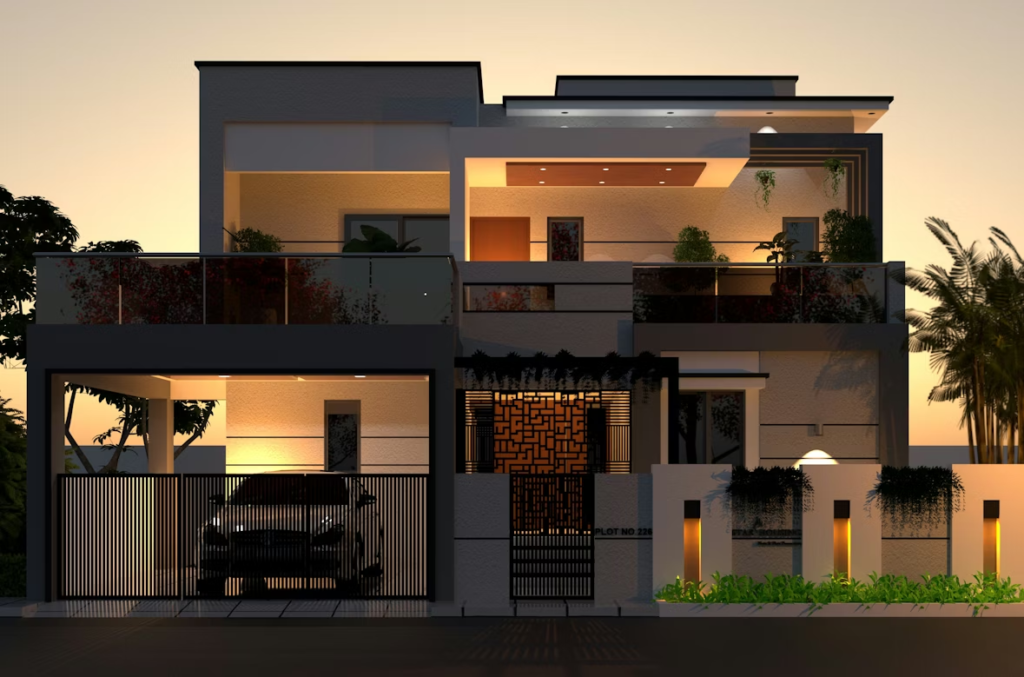
You want your new home addition to look like it always belonged there.
Every homeowner does. Few succeed.
Either your addition flows with the original architecture and design. Or you end up with a permanent eyesore.
Who wants that?
Choosing the right home addition designers can mean the difference between adding value to your home. And ruining its aesthetics.
Don’t worry, there’s good news…
It’s very possible to match any new addition to your home’s existing design style. You just have to break it down into simple elements.
From roofline and materials to windows and foundation. And you have to hire a killer team to execute.
Here’s what we’ll cover:
- Why Design Continuity Is Important For Home Additions
- How To Define Your Existing Home’s Design Style
- 5x Elements To Match Your New Addition To Your Home’s Exterior
- Match Your Home’s Interior Design
- Finding The Right Home Addition Designers
Let’s jump in.
Why Design Continuity Is Important For Home Additions
Did you know that more homeowners are renovating rather than moving? According to Angi’s newest findings, 67% prefer upgrading their current home over relocation.
17% of homeowners are planning to build a new addition. Think things like in-law suites, bonus rooms and expanding for multi-generational living.
But here’s the problem.
Half of those additions look like they don’t belong. There’s nothing worse than a home addition that sticks out like a sore thumb.
That’s why working with qualified home addition contractors that understand design continuity is so important.
When home additions match the existing structural design, homeowners get something much more valuable than extra square footage.
They get home extensions that are virtually invisible. Let’s look at an example…
Imagine two families who build the same size addition on their home. Family #1 works with general contractors who don’t specialize in additions.
Family #2 works with home addition specialists that pride themselves on design continuity.
How do you think these two additions are going to look?
Additions that fail to match the existing home lower curb appeal and can even hurt resale value. You can literally lose money by having an “addition”.
When they blend in, home additions appear to be original to the home. That’s a million dollar difference.
How To Define Your Existing Home’s Design Style
If you want your new addition to match your existing home’s architecture, you first need to understand your current style.
Let’s review:
- What is your home’s architectural design style? (Craftsman, colonial, mid-century modern, ranch etc.)
- What exterior materials are currently being used? (Siding, brick, stone, stucco etc.)
- What does your roofline look like? Pitch, shape and material.
- What window style is used and how are they spaced?
These four factors are crucial when beginning your home addition project.
Your design team should document and analyze everything about your existing home’s exterior before jumping into the new design.
Don’t forget about the interior design elements either.
Again, match the flooring, trim work, ceiling heights, moulding profiles. Even the layout should follow the same design mentality.
Your addition needs to blend in with both the exterior and interior of your existing home.
5x Elements To Match Your New Addition To Your Home’s Exterior
Alright, let’s dive into the nitty-gritty.
These five aspects of home construction make or break your ability to match a new addition to your existing home.
They are:
- Roofline
- Exterior Materials
- Window and Door Consistency
- Interior Floor Planning and Finishes
- Foundation and Structure
Match The Roofline
The first thing people see when they look at your home is the roof.
If your addition has a different roof style or pitch than the existing structure, everyone will know your home was “added onto”.
Here’s what you should plan to match:
- Roof pitch angle
- Roofing material and color
- Ridge lines connect seamlessly
A bad roofline transition is the number 1 thing that gives away a home addition. Don’t let this be you.
Match Exterior Materials
This should seem obvious but you would be surprised at how many additions get this wrong.
Brick ages over time. The brick made thirty years ago may not come in the same shade you have on your home.
Trust your home addition designers to source materials that can either be colored to match or will naturally weather to your existing materials.
Use Similar Window and Door Styles
Windows and doors are the eyes of your home. They define its character.
Your new addition should utilize identical window style, sizing and spacing as the rest of your home. Including:
- Frame material and color
- Grid style (if applicable)
- Window trim style
- Correct proportional placement on the exterior wall
DO NOT mix window styles between your current home and new addition.
Match Your Home’s Interior Design
A few interior design elements have already been touched on. Like flooring and trim work.
Here are some others to pay attention to:
The spacing between your existing home and addition should feel like one unified space.
- Ceiling heights should remain constant.
- Light fixture styles should match.
- Interior door styles should match.
When families walk out of their original home and into the new addition. They shouldn’t even notice they walked into a new room.
But they will notice if something is off.
Plan The Foundation And Structure Carefully
This is often overlooked by new homeowners but never by seasoned home addition designers.
The foundation your new addition sits on should take into consideration how the original home settled and graded.
If not, you may experience:
- Uneven floors between your current home and addition
- Cracks at the connection point
- Water drainage issues
This magical union of old and new is where home addition designers and structural engineers really cook up something amazing.
Hire somebody who has done this dance before.
Finding The Right Home Addition Designers
You can have the best idea in the world for an addition that matches your existing home. But if you don’t have the right team to execute, it won’t happen.
When looking for home addition designers, look for the following traits:
- Portfolio of past homes that have additions blending into existing homes
- In-depth knowledge of the local building codes and residential styles
- Take the time to document and analyze your existing home
- Work with a qualified structural engineer when planning your addition
Home addition designers who spend significant amounts of time studying your existing property before jumping into design plans are the ones that will deliver jaw-dropping additions that blend seamlessly with your home.
Adding to your home is part art, and part science.
You have to account for every detail from the roof down to the interior finishes.
And if you rush into picking contractors without doing your research, you’ll end up with a mismatched addition.
Educate yourself on what it takes to match a home addition to your existing home’s design style.
Then hire the right professionals who have been there and done that before.
Pulling Your Design Together
Adding on to your home doesn’t have to be an afterthought. In fact it shouldn’t be.
You live in your home every day. Don’t ever settle for an addition that looks like it was haphazardly thrown together.
Take your time, understand your existing home’s design language and find professionals who will help make your dream home addition come to life.
It should look like it was always meant to be there.
And when you follow all the steps in this guide, it will!