
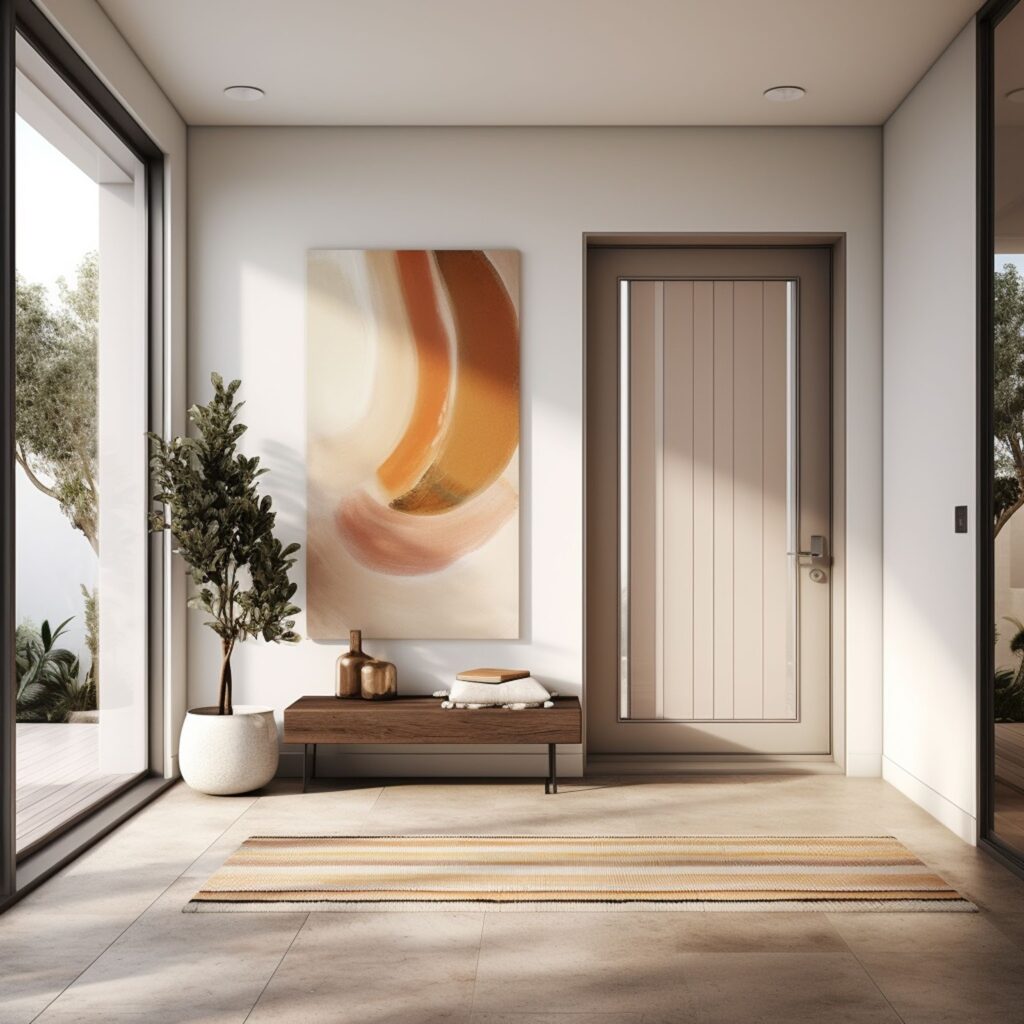
Doors don’t get nearly enough credit. We swing them open, push them shut, and barely give them a second thought, yet they’re quietly doing some of the heaviest lifting in your entire home. They define spaces, shape moods, manage light and sound, and set the first impression your house makes on every single person who walks up to it.
In modern home design, doors have evolved far beyond their basic function. Today, they’re a design statement, an architectural tool, and a surprisingly powerful way to tie an entire interior together. Whether you’re building from scratch or giving your home a refresh, understanding how doors work in modern design can completely change the decisions you make.
Let’s walk through it.
Why Doors Matter More Than You Think
Most homeowners spend hours agonizing over paint colors, countertops, and flooring, and then pick a door almost as an afterthought. That’s a missed opportunity.
Doors occupy a unique position in design: they’re both functional and decorative, structural and stylistic. They frame transitions between rooms, control how natural light flows through a space, and even affect how large or small a room feels.
A poorly chosen door can clash with an otherwise perfectly designed room. But the right door? It pulls everything together in a way that feels almost effortless.
First Impressions Start at the Front Door
Your front door is the handshake your home offers the world. Before anyone sees your living room or your kitchen, they see that door. And in modern design, front doors have become genuinely bold, deep charcoal blacks, rich navy blues, warm terracottas, and even matte forest greens are all popular choices right now.
Beyond color, the style matters enormously. A sleek, flush door with minimal hardware signals a contemporary, minimalist aesthetic. A door with glass panels brings in light and hints at openness. A solid-wood door with natural grain conveys warmth and craftsmanship.
The front door is where your home’s personality begins. Treat it that way.
The Big Shift: How Modern Design Changed the Door Game
Not long ago, doors were fairly standard: a panel here, some trim there, painted white to match the baseboards. Functional, forgettable.
Modern home design has completely rewritten that script.
Open Concepts and the New Purpose of Interior Doors
The rise of open-concept living changed how we think about interior doors. When walls came down, doors had to become more intentional. Now, instead of simply separating rooms by default, interior doors are chosen deliberately to add privacy when needed, to create a visual anchor, or to introduce texture and material contrast.
Sliding barn doors became enormously popular for this reason. They offer the charm of a door without eating up swing space, and they add a rustic-meets-modern texture that works beautifully in open-plan homes.
Pocket doors are another smart solution; they disappear entirely into the wall when open, keeping sightlines clean and spaces feeling expansive.
Floor-to-Ceiling Doors: A Game-Changer
One of the most striking trends in modern design is the use of oversized, floor-to-ceiling doors. When a door extends from floor to ceiling, it creates an immediate sense of grandeur and height even in a room that’s not especially large.
These doors work particularly well in:
- Main bedroom entrances
- Home offices or libraries
- Living rooms that connect to outdoor patios
- Open hallways that need a strong visual statement
The effect is dramatic without being overdone. It’s the kind of detail that makes a home feel genuinely designed, not just decorated.
Materials and Finishes: What’s Working in Modern Homes
The materials you choose for your doors communicate a lot about your home’s overall design language. Here’s what’s trending and why it works.
Wood: Timeless, Warm, and Endlessly Versatile
Natural wood doors remain a go-to choice in modern design, but the way they’re used has changed. Instead of painting over wood grain, designers are now celebrating it. Walnut, oak, and white ash are particularly popular for their rich, distinctive textures.
A natural wood door against white walls creates a beautiful contrast. It adds warmth to spaces that might otherwise feel cold or clinical, which is a common challenge in very modern, minimal interiors.
Glass Panels: Letting Light Do the Work
Glass-paneled doors have become a staple in modern homes, and for good reason. They allow light to travel through the home, reducing the need for artificial lighting during the day and creating a sense of visual continuity between spaces.
Frosted or fluted glass is especially popular right now; it lets light through while maintaining privacy, making it a versatile option for bathrooms, home offices, and bedrooms.
Steel and Metal Frames: Industrial Meets Elegant
Steel-framed glass doors, often called Crittal-style doors, have made a major comeback in modern design. The thin black metal frames create a striking grid pattern that looks architectural and intentional. They work particularly well as room dividers, between kitchens and dining spaces, or as the entry to a home office or wine room.
This style bridges the gap between industrial and refined. It’s bold without being aggressive.
Functionality Meets Design: Smart Features in Modern Doors
Modern doors aren’t just beautiful, they’re getting smarter. Homeowners and professionals working with platforms like doors for pros are increasingly looking for doors that combine strong aesthetics with practical performance.
Acoustic Insulation
In homes where open-plan living is the norm, sound management becomes a real challenge. Modern interior doors with solid cores and good seals offer meaningful acoustic insulation useful for home offices, media rooms, and bedrooms.
If you work from home or simply value quiet, this is worth taking seriously. A hollow-core door might look fine, but it does almost nothing to block sound.
Energy Efficiency in Exterior Doors
Exterior doors play a surprisingly significant role in your home’s energy efficiency. A well-insulated exterior door helps regulate indoor temperature, reduces drafts, and lowers your energy bills. Modern doors designed for performance often feature:
- Multi-point locking systems for a tighter seal
- Thermal breaks to prevent heat transfer
- Weather stripping that actually holds up over time
This is an area where investing in quality pays off in measurable ways, both in comfort and in long-term costs.
Smart Locks and Integrated Technology
Smart locks have made door hardware genuinely exciting. Keypad entry, fingerprint recognition, and app-controlled locks are no longer novelties; they’re practical tools that fit seamlessly into modern home design. The best ones are designed to blend with the door’s aesthetic rather than disrupt it.
Color: The Unexpected Power Move
Color is one of the most underrated tools in door design. The right color choice can make a door disappear entirely or turn it into the focal point of a room.
When to Go Bold
Bold front door colors, deep black, navy, olive green, and burnt orange, work well when the rest of your exterior is relatively neutral. The door becomes an anchor, a deliberate choice that gives the home character and edge.
Interior doors can carry bold colors, too. A dark green door at the end of a white hallway creates a sense of depth and destination. It makes walking down that hallway feel like moving toward something, which is exactly what good design should do.
When to Stay Subtle
In very busy or layered interiors, a door that matches the wall color (sometimes called a “stealth door”) can be the right call. It keeps the space feeling calm and uncluttered. This approach works particularly well in rooms with lots of pattern, texture, or artwork. The door steps back and lets everything else breathe.
Matching Doors to Your Home’s Overall Design Language
One of the most important principles in modern home design is consistency. Your doors should feel like they belong, not like they were chosen from a different catalog entirely.
Here’s a simple way to think about it:
- Minimalist or Scandinavian homes: Flat-panel doors, natural wood or white, simple hardware
- Industrial-style homes: Steel frames, concrete textures, matte black hardware
- Warm contemporary homes: Wood grain, earthy tones, brushed brass or bronze hardware
- Maximalist or eclectic homes: Patterned glass, bold colors, ornate handles
The door should speak the same design language as the rest of the space. When it does, the whole home feels cohesive and considered.
Professionals sourcing for clients often turn to specialized suppliers’ doors for pros being one example, to find options that match exacting design specifications without compromising on quality or lead time.
Hardware: The Detail That Ties It All Together
Door hardware is easy to overlook, but it’s the equivalent of jewelry on an outfit. The wrong handle on an otherwise beautiful door is like wearing mismatched accessories, technically fine, but something feels off.
Modern hardware trends favor:
- Lever handles over round knobs for ease of use and cleaner lines
- Matte black and brushed nickel for contemporary spaces
- Unlacquered brass for warmer, more organic interiors
- Minimal backplates for a sleeker, more refined look
Keep hardware consistent across your home. Switching between finishes room to room creates visual noise that’s subtle but real.
Conclusion: The Door as a Design Philosophy
There’s a reason architects and interior designers spend real time thinking about doors. They’re not background elements; they’re active participants in how a space looks, sounds, and feels.
A thoughtfully chosen door can make a room feel taller, warmer, quieter, or more dramatic. It can reinforce your home’s entire design identity or, if chosen carelessly, quietly undermine it.
The next time you walk through a door in a beautifully designed space, pause for a second. Notice how it fits into the room, how it handles light, how it feels in your hand. You’ll start to see that what once seemed like a simple functional object is actually one of the most carefully considered elements in the whole design.
Good design hides its own effort. Doors, when done right, are the perfect example of that.
Read More at https://mintpaldecor.org/