
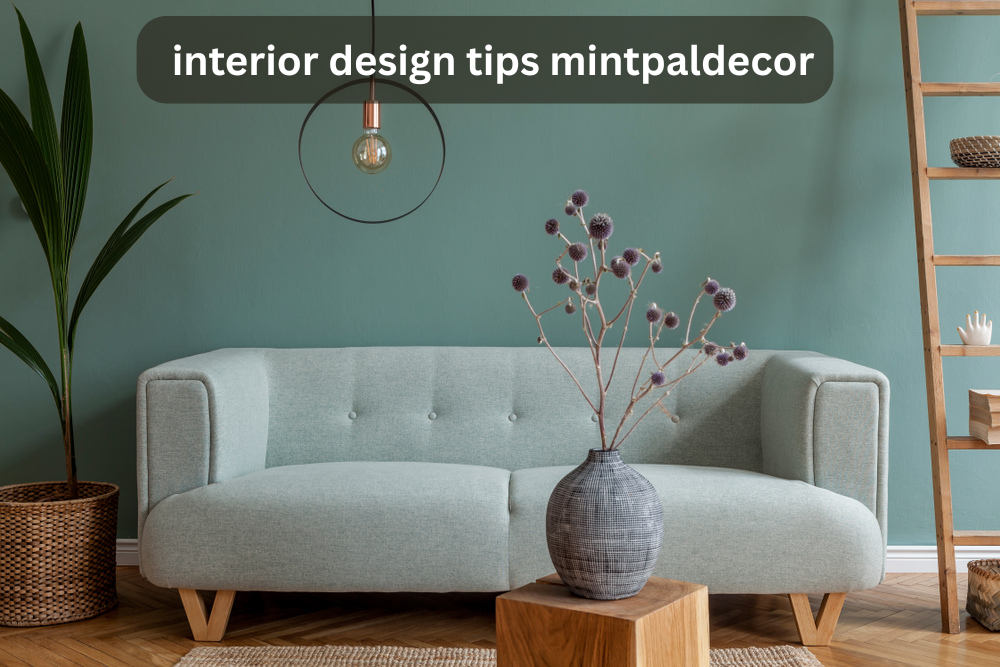
If you’ve stared at a room and known something was off but couldn’t name it, you’re not alone. Most Americans spend months decorating a home only to end up with spaces that feel assembled rather than designed. The difference usually comes down to a handful of Interior Design Tips professionals swear by — principles that expert designers apply on every project.
This guide covers 10 Interior Design Tips experts rely on to create modern homes that feel both intentional and livable. From proportion rules that stop furniture from fighting each other, to lighting strategies that make a $500 sofa look like a $5,000 one, these are practical moves you can apply this weekend. Whether you’re decorating a new build or refreshing rooms you’ve lived in for years, you’ll find specific, actionable advice here — not the usual “add a statement piece” filler. By the end, you’ll know exactly where to start and what order to work in.
What Do Interior Designers Do First — and Why Does It Matter?

Before buying a single item, professionals define the room’s function and flow. At mintpaldecor, the first step is always a simple room audit: what does this space need to do, and who uses it daily?
That question shapes every decision that follows.
Start with this checklist before decorating any room:
| Step | Action | Why It Matters |
| 1 | Measure the room (length, width, ceiling height) | Prevents furniture that’s too big or too small |
| 2 | Identify the room’s primary function | Keeps design choices purposeful |
| 3 | Note natural light sources and direction | Informs color and material choices |
| 4 | List what you already own and love | Saves money, creates continuity |
| 5 | Set a realistic budget by category | Prevents overspending on one item while neglecting others |
Tip 1: Anchor Every Room with a Clear Focal Point

A room without a focal point makes the eye bounce around uncomfortably. Pick one — a fireplace, a large window, a statement wall — and arrange everything else to support it. If you want to to be better at interior design, this is where to begin: one anchor, everything else secondary.
Tip 2: The 60-30-10 Color Rule Removes All the Guessing

This ratio works for virtually every room style:
| Color Role | Percentage | Example |
| Dominant (walls, large furniture) | 60% | Warm white, greige, navy |
| Secondary (accent chairs, rugs, curtains) | 30% | Muted sage, terracotta |
| Accent (pillows, art, small décor) | 10% | Mustard yellow, black, brass |
Break this ratio and rooms feel either flat or chaotic. Stick to it and color basically solves itself.
Tip 3: Scale Is the Most Underestimated Variable

A sofa that’s too small for a room looks cheap regardless of what it cost. A rug that doesn’t reach under the front legs of the furniture it anchors makes the whole seating area feel disconnected. Scale your pieces to the room, not to your preferences on the showroom floor.
General furniture sizing rules for US standard rooms:
- Living room rug: front legs of all seating on the rug, minimum
- Dining table: 36 inches of clearance on all sides
- Bed: nightstands should be within 2–3 inches of mattress height
- Art: center at 57–60 inches from the floor (average eye level)
Tip 4: Lighting Has Three Jobs — Most Rooms Only Do One

Ambient (overhead), task (focused), and accent (decorative) lighting each do something different. Most American homes have ambient lighting and nothing else, which is why rooms feel flat at night. Add a floor lamp, a table lamp, and one piece of accent lighting — the room’s evening character changes completely.
Tip 5: Why Does Texture Matter More Than Color in Modern Interiors?

Modern design often works in a narrow color palette, which means texture does the heavy lifting. A linen throw, a jute rug, a velvet cushion, and a ceramic vase can all be the same shade of cream and still create visual richness. According to decoration tips, mixing at least four textures in a neutral room prevents it from looking sterile.
Tip 6: Negative Space Is a Design Element, Not Wasted Space

Every surface doesn’t need something on it. Breathing room between objects lets each piece read clearly. Overcrowded shelves and countertops make even expensive items look cluttered. A useful rule: remove 30% of what you have on a surface and see if the remaining pieces look better. They usually do.
Tip 7: How Do You Make a Small Room Feel Bigger Without Moving Walls?

This is one of the most common questions in American home design, and the answers are more specific than “use mirrors.”
| Technique | Effect | Cost Level |
| Hang curtains close to the ceiling | Makes windows — and the room — taller | Low |
| Use one large rug instead of several small ones | Unifies the floor plane | Medium |
| Choose furniture with exposed legs | Creates visual floor space | Medium |
| Paint the ceiling the same color as the walls | Removes the “box” effect | Low |
| Use vertical storage | Draws the eye up | Low–Medium |
Tip 8: Buy One Good Piece Before Filling a Room
The most common decorating mistake is buying everything at once to “complete” a room. Instead, invest in one quality anchor piece — a well-made sofa, a solid wood dining table, a quality bed frame — and build around it over time. Rooms built this way feel curated. Rooms furnished all at once from the same store feel like floor displays.
Tip 9: Plants Are the Fastest Way to Make a Space Feel Lived In
A room with no plants can look staged. One or two plants — sized correctly for the space — add life that no accessory replicates. Large-leaf plants (fiddle leaf fig, monstera, bird of paradise) work well in living rooms. Smaller varieties (pothos, snake plant) suit shelves and bathrooms. For house decoration, the rule is simple: one plant per 100 square feet as a starting point.
Tip 10: Edit Relentlessly — Good Design Is Subtraction, Not Addition
The final and most counterintuitive Interior Design principle: the best-looking rooms have less in them than you think. Designers spend as much time removing things as adding them. Walk through your space and ask what earns its place. If an item doesn’t contribute to function or the visual story of the room, it belongs somewhere else.
Quick-Reference: Interior Design Tips at a Glance
| Tip | Core Principle | Difficulty |
| 1. Focal Point | One anchor per room | Easy |
| 2. 60-30-10 Color | Structured color ratio | Easy |
| 3. Scale | Right-size everything | Medium |
| 4. Three-Layer Lighting | Ambient + task + accent | Medium |
| 5. Texture Over Color | Mix materials in neutral rooms | Easy |
| 6. Negative Space | Less is more | Easy |
| 7. Small Room Tricks | Vertical thinking | Easy–Medium |
| 8. One Good Piece First | Quality anchor, then build | Medium |
| 9. Plants | One per 100 sq ft | Easy |
| 10. Edit Ruthlessly | Subtraction = sophistication | Hard |
Frequently Asked Questions
What is the most important Interior Design Tips for a modern home?
Scale. A room with well-proportioned furniture — even inexpensive pieces — looks more designed than a room with mismatched sizes regardless of budget. Get the scale right before worrying about color or style.
How many colors should a room have?
Three, following the 60-30-10 ratio. One dominant color, one secondary, one accent. Modern rooms often run the dominant color all the way to 70% and keep the accent minimal.
What’s the fastest way to improve a room without redecorating?
Fix the lighting. Add a floor lamp and a table lamp to a room that only has overhead lighting. The difference at night is significant.
Do I need a professional interior designer for a modern home?
No — but understanding basic principles matters. The Design Tips outlined here cover the same fundamentals professionals apply. Start with scale, lighting, and the 60-30-10 color rule, and most rooms improve substantially.
How do I choose a rug size?
In a living room, the rug should sit under the front legs of all seating. In a dining room, the rug should extend at least 24 inches beyond the table on all sides so chairs remain on it when pulled out.
What makes a room feel modern without being cold?
Texture. Modern design uses a restrained color palette, but warmth comes from layering materials — linen, wood, ceramic, natural fiber. A monochrome room with five textures feels warm. A colorful room with one texture (everything smooth and shiny) feels clinical.