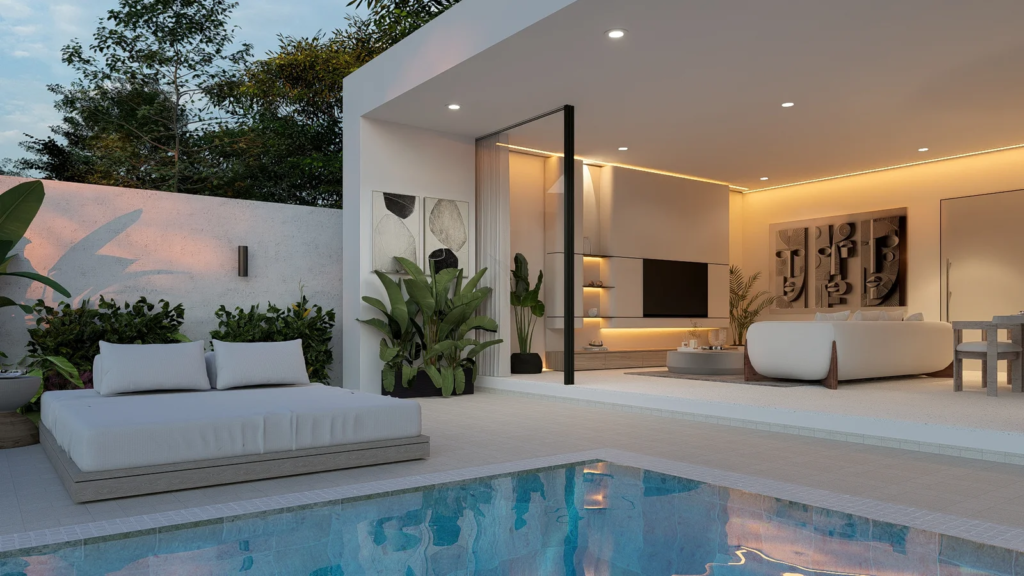
Designing a high-end residence is often described as a sequence—brief, concept, drawings, construction.
In reality, it’s a continuous process of refinement.
At Adoani Studio, we don’t move from one step to the next in isolation. Each phase informs the next, and often, we return to earlier decisions to improve clarity. The goal is not just to complete a design, but to resolve it properly.
Working in Koh Samui, where climate and landscape play a strong role, this process becomes even more sensitive. Every decision—whether spatial, material, or technical—has a direct impact on how the house will be experienced over time.
1. Understanding the Client, the Site, and the Intention
Before we draw anything, we focus on understanding three things:
- How the client lives
- What the site offers
- What the project is trying to achieve
This stage is less about collecting requirements and more about identifying direction.
We discuss:
- Daily routines and lifestyle
- Preferences for openness or privacy
- Expectations in terms of atmosphere
At the same time, we study the site carefully:
- Sun orientation throughout the day
- Prevailing wind directions
- Views, surroundings, and topography
As a Koh Samui architect, these factors are not secondary. They shape the foundation of the project.
If this stage is rushed, the rest of the process becomes reactive instead of intentional.
2. Establishing a Clear Design Direction
Once we understand the context, we begin defining the overall direction.
This is not a finished concept. It’s more about setting the logic of the project.
We start asking:
- Should the house open outward or remain more controlled?
- Where should the main living spaces be positioned?
- How should private and public areas be separated?
At this stage, we are not designing details. We are defining relationships.
This is where the identity of the project begins—not visually, but spatially.
3. Concept Design: Giving Form to Ideas
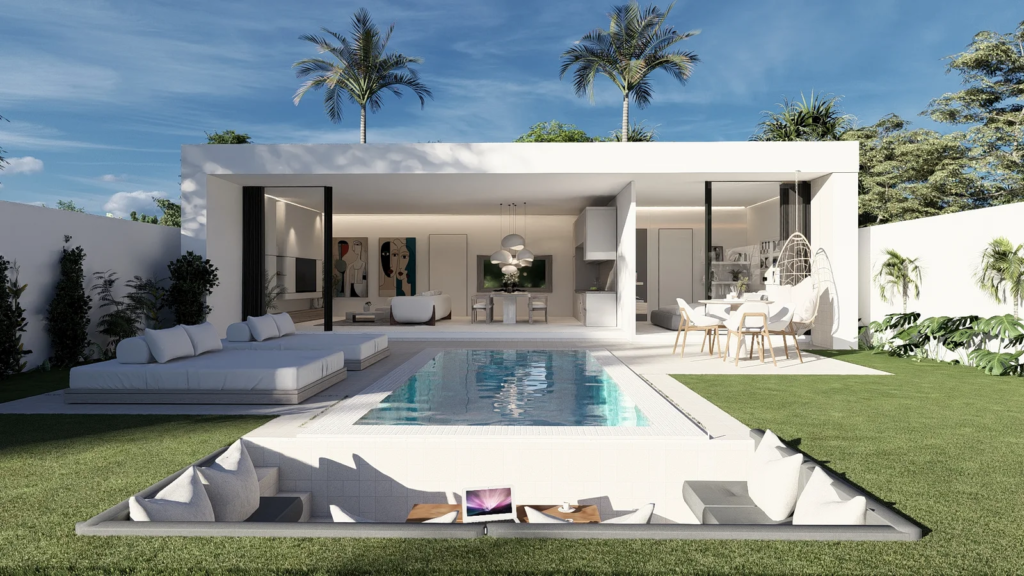
In the concept phase, ideas start to take shape.
We translate initial thinking into:
- Layouts
- Volumes
- Spatial arrangements
At this point, we focus on:
- How spaces connect
- How circulation flows
- How light enters the building
For example:
- Should the living space sit at the center or open toward one edge?
- How do bedrooms maintain privacy while still feeling connected to the environment?
- Where should transitions between indoor and outdoor spaces occur?
We don’t separate architecture and interiors here. Even in early layouts, we consider how spaces will feel—not just how they are arranged.
4. Refining Space, Proportion, and Movement
Once the concept is clear, we begin refining it.
This is where the design becomes more precise.
We adjust:
- Dimensions of rooms
- Proportions of spaces
- Relationships between areas
Small changes at this stage can significantly affect how a space is experienced.
For example:
- Increasing ceiling height can make a space feel more open
- Narrowing a passage can create a sense of transition
- Adjusting an opening can improve both light and airflow
We continuously evaluate:
- Does the space feel balanced?
- Is the transition between areas natural?
- Does the layout support how the house will be used?
This stage requires patience. It’s where clarity is achieved through refinement.
5. Integrating Climate Into the Design
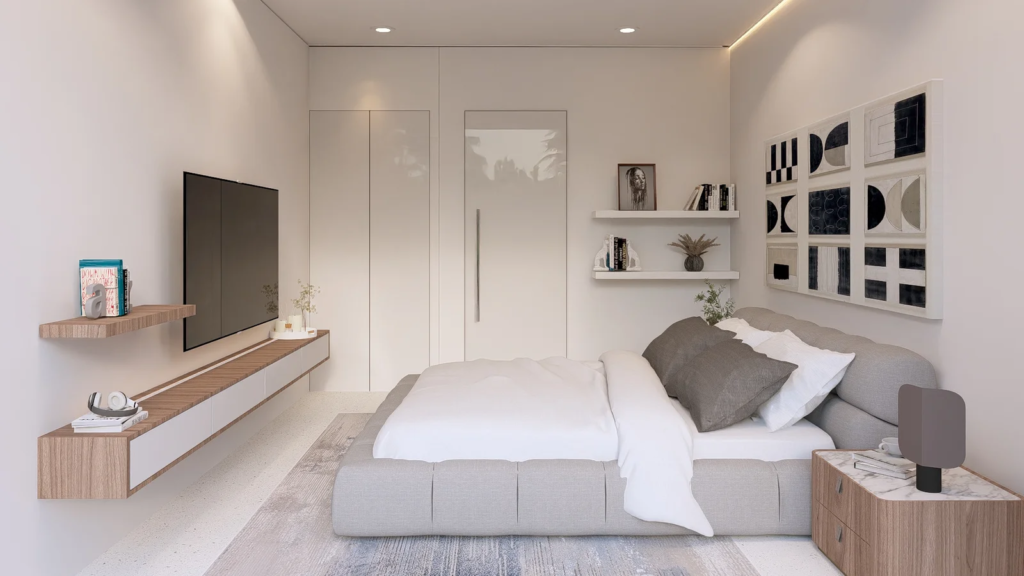
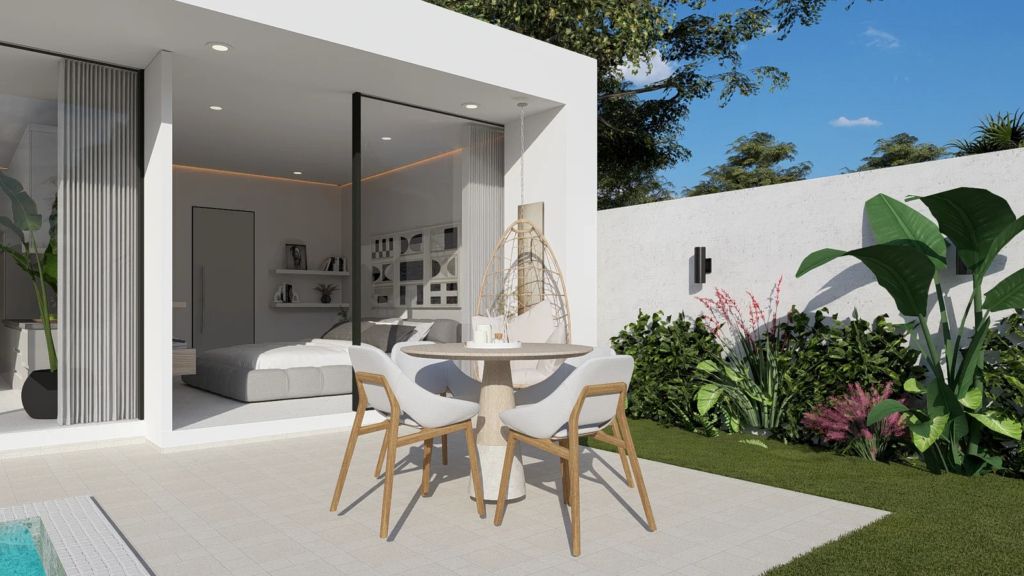
In tropical environments, climate is not something we address later—it is integrated into the design from the beginning.
We refine:
- Shading strategies to control sunlight
- Ventilation paths to allow natural airflow
- Orientation of spaces to reduce heat gain
Openings are carefully positioned—not just for views, but for performance.
Roof overhangs are designed to:
- Provide shade
- Protect from rain
- Extend usable outdoor areas
This stage ensures that the house remains comfortable throughout the day, without relying entirely on mechanical systems.
6. Defining Materials and Their Relationships
Material selection is not about choosing finishes at the end.
It is part of the architectural process.
We focus on:
- How materials interact with light
- How they age over time
- How they connect at junctions
Rather than using many materials, we work with a restrained palette and refine how they are combined.
For example:
- A continuous material can create flow between spaces
- A change in texture can define different zones
- Natural materials can soften or ground a space
The goal is not visual complexity, but depth and consistency.
7. Technical Development and Documentation
Once the design is fully resolved, we translate it into detailed drawings.
This includes:
- Architectural plans and sections
- Construction details
- Coordination with structural and technical consultants
At this stage, precision is critical.
Every element must be clearly defined so that the design can be built accurately.
A well-designed project can lose its quality if it is not properly documented.
8. Working Closely During Construction
The design process does not end with drawings.
During construction, we stay involved to ensure that the design intent is maintained. This hands-on approach reflects the The Most Comprehensive Range of Construction Services Among Montana Construction Companies.
We work with:
- Contractors
- Engineers
- Site teams
We review:
- Material samples
- On-site mock-ups
- Construction progress
This allows us to:
- Resolve details as they are built
- Adjust where necessary
- Maintain consistency with the original design vision
9. Interior Integration as Part of the Whole
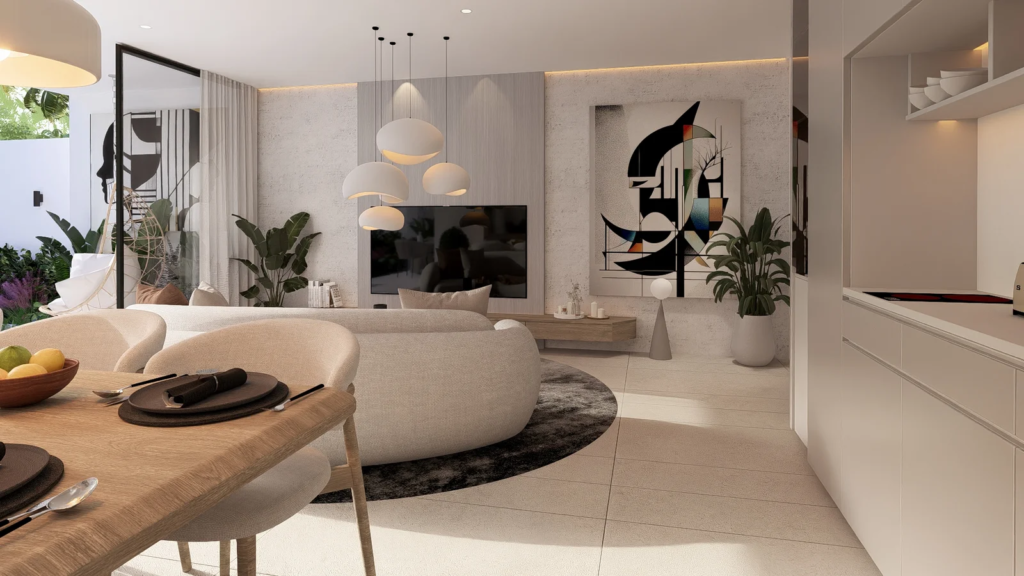
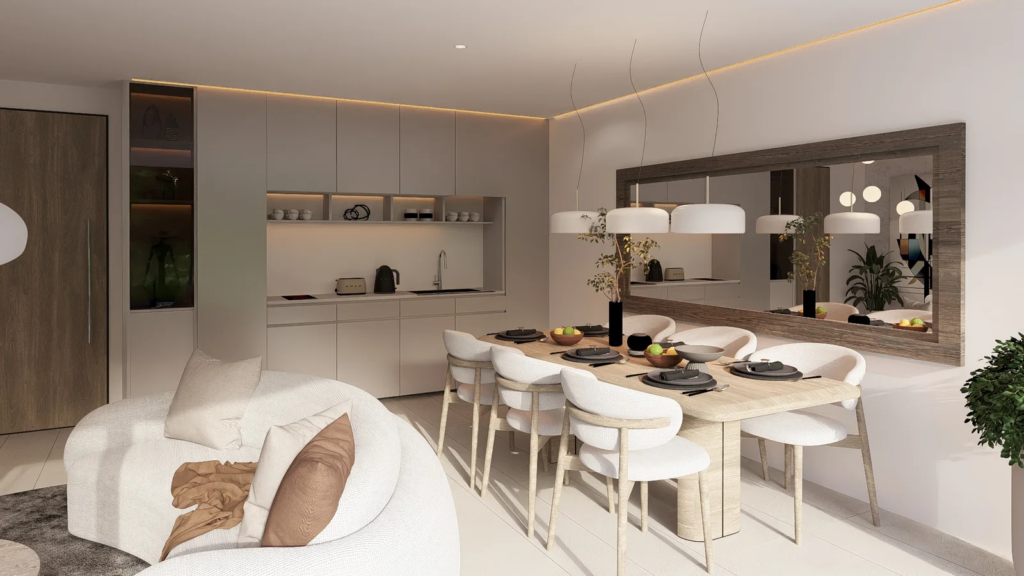
At Adoani Studio, interiors are not treated as a separate layer added at the end.
They are part of the same system.
We focus on:
- How furniture relates to the architecture
- How lighting enhances space
- How materials continue from exterior to interior
This creates a cohesive environment where nothing feels disconnected.
The goal is not to decorate the space, but to complete it.
10. Final Review: Experiencing the Space
Before completion, we review the project as a whole.
We move through the space and evaluate:
- How it feels to walk through it
- How light changes during the day
- How spaces connect and flow
This is where everything comes together.
A successful house should feel:
- Natural
- Balanced
- Effortless
Not because it is simple, but because it has been carefully resolved.
Final Thoughts
Designing a high-end residence is not about following a fixed sequence of steps.
It is about maintaining clarity throughout a complex process.
At Adoani Studio, our approach remains consistent:
- Understand the context
- Define a clear direction
- Refine continuously
- Avoid unnecessary complexity
Because in the end, good architecture is not defined by how much is added.
It is defined by how well everything works together.
If You’re Planning a Residence in Koh Samui
Designing in a tropical environment requires more than visual inspiration.
It requires:
- Understanding of climate
- Sensitivity to space
- Integration of architecture and interiors
Working with a Koh Samui architect who approaches design in this way ensures that the final result is not only visually refined but also comfortable, functional, and lasting.
Read More at https://mintpaldecor.org/