
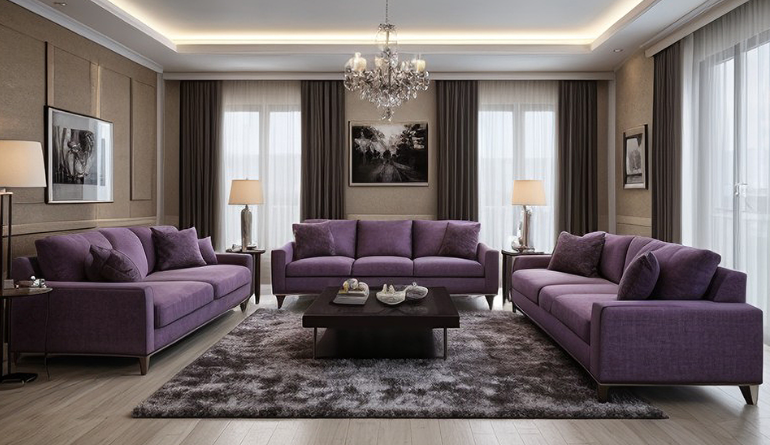
Moving into your first home as a married couple is one of life’s most exciting milestones. From choosing the right colour palette to hunting down the perfect sofas in a Perth store, the process of furnishing a shared space is as meaningful as it is fun. But without a plan, it can quickly become overwhelming. This guide walks newlyweds through everything they need to know to create a beautiful, functional home without the stress.
Start With a Shared Vision
Before purchasing a single piece of furniture, sit down together and talk about style preferences. Does one partner lean towards minimalist Scandi design while the other loves warm, rustic tones? Finding a middle ground early prevents costly regrets later. Create a shared mood board to pin rooms, colour schemes, and furniture pieces that appeal to both of you.
Set a Realistic Budget
Money conversations are not always easy, but agreeing on a furnishing budget before hitting the shops can save a lot of stress. Break the budget down by room, prioritising the spaces used most, typically the living room and bedroom.
A helpful tip: Allocate roughly 30–40% of the total budget to the living room, since it tends to be the most expensive to furnish properly. Consider setting aside a 10–15% buffer for unexpected costs like delivery fees, assembly charges, or last-minute accessories.
Define Your Shared Style
Blending two people’s tastes into one cohesive aesthetic takes communication. Start by browsing home decor platforms together, saving images that resonate with both of you.
Common styles that suit modern homes include:
- Coastal/Hamptons: Light timbers, white tones, and natural textures.
- Scandi minimalism: Clean lines, neutral palettes, and functional pieces.
- Warm contemporary: Earthy tones, mixed materials, and statement furniture.
- Boho eclectic: Layered textures, bold prints, and collected pieces over time.
Once a shared direction is identified, shopping becomes far more focused and decisive.
Prioritise the Living Room
The living room is where couples spend the most time together, entertain guests, and unwind after long days. Getting it right matters.
The sofa is the anchor piece of the space. Choose one that suits both lifestyle and the scale of the room. A generous L-shaped sofa works well for open-plan layouts, while a classic three-seater suits smaller spaces. Look for durable, stain-resistant fabrics if pets or children are on the horizon.
Pairing the sofa with the right coffee table is equally important. From solid timber to glass-topped designs and rattan alternatives, a well-chosen coffee table balances the proportions of the sofa while adding visual interest to the room. Round tables work particularly well in smaller living rooms because they eliminate sharp corners and improve traffic flow.
Complete the living room with a media unit, side tables, and adequate lighting to create warmth and versatility.
Don’t Neglect the Bedroom
The bedroom should feel like a retreat. Invest in a quality bed frame and mattress first (this is not the area to cut corners). Once the foundation is set, layer in bedside tables, a dresser, and soft furnishings that reflect the shared style.
Matching bedside tables create symmetry, while a statement bedhead adds personality without requiring a full renovation.
Focus on Long-Term Comfort and Functionality
It’s tempting to fill every room immediately, but living in a space for a few weeks before purchasing everything allows a much better feel for what’s actually needed. Avoid impulse buys that clutter a room without adding real value.
Choose classic, timeless pieces over fast-furniture trends. Quality items that last for years are far more cost-effective and environmentally responsible than replacing cheaper items every few years.
Add Personality With Soft Furnishings
Once the big-ticket items are in place, soft furnishings are where personality really shines. Cushions, throws, floor rugs, curtains, and artwork breathe life into a space and make it feel like a true home rather than a showroom.
A well-chosen rug can define zones in an open-plan living area and add warmth underfoot. Layer textures wherever possible: linen cushions on a velvet sofa, a jute rug under a timber coffee table, or sheer curtains paired with blockout blinds.
Frequently Asked Questions
How long does it take to fully furnish a first home?
Most homes take several months to a year to feel complete. Many couples furnish in phases based on budget and priorities.
How can different design tastes be combined?
A neutral base palette paired with mixed textures and selective accent pieces helps merge different styles smoothly.
Is it better to buy furniture all at once or gradually?
Gradual furnishing is often more practical, allowing time to understand space needs and personal preferences.
How can budgeting disagreements be avoided?
Setting a shared budget early and dividing spending into categories helps keep expectations aligned and transparent.
What is the biggest mistake when furnishing a first home?
Rushing purchases without a plan is the most common mistake. This often leads to mismatched styles, poor use of space, and unnecessary spending on items that do not suit long-term needs.
Read More at https://mintpaldecor.org/