
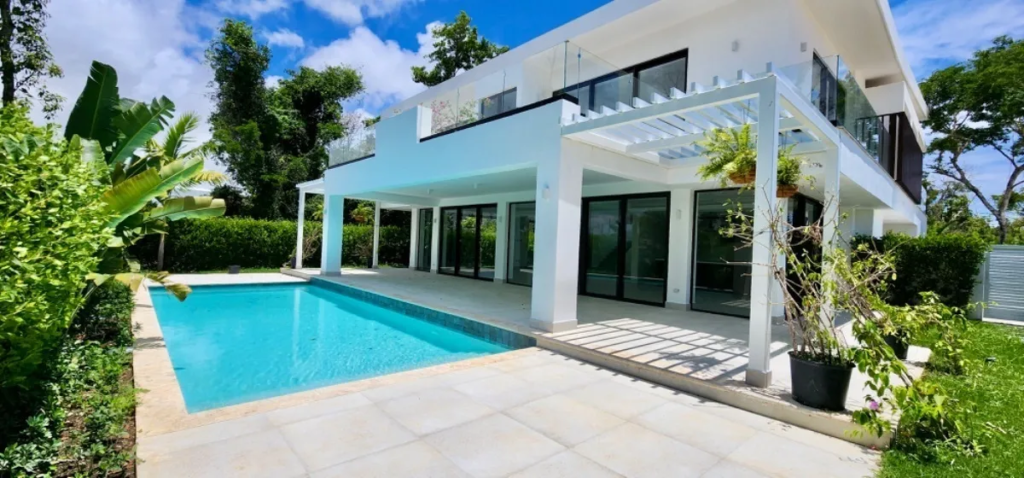
There’s a particular kind of electricity in the air in Punta Cana, Dominican Republic, when a market is about to shift. When the locals sense it, the early investors feel it, and the numbers begin to confirm what the streets have been whispering for months.
Actually, Punta Cana is tucked along the eastern coast of the Dominican Republic. This sun-drenched stretch of coastline has quietly transformed from a tourist playground into one of the Caribbean’s most compelling real estate places.
In 2026, the combination of surging tourism, aggressive infrastructure expansion, investor-friendly tax laws, and a new wave of remote workers choosing island life over city grind has created a window that serious investors are watching very closely.
Why Punta Cana’s Real Estate Market Is Entering a New Growth Phase
Every real estate market has inflection points. Moments where multiple forces converge at once and push values into a completely new trajectory. Punta Cana is sitting at one of those moments right now, and the people paying attention are already moving.
Tourism Numbers Are Reaching Record Highs
The Dominican Republic welcomed over 11.6 million visitors in recent years, with Punta Cana absorbing the lion’s share. In 2025 and into 2026, those numbers haven’t retreated. They’ve climbed. Direct flight routes from Europe, Canada, and the United States continue to expand, and Punta Cana International Airport remains one of the busiest entry points in the entire Caribbean basin.
What that means on the ground is simple: More tourists mean relentless short-term rental demand, higher hospitality capital flowing into the region, and ultimately, accelerating property valuations across the board. The pipeline of visitors isn’t slowing down, and the real estate market is reflecting that reality.
International Buyers Are Expanding Beyond Vacation Homes
What’s changed most noticeably in 2026 is who is actually buying. It’s no longer just the retiree looking for a winter escape or the couple purchasing a dream vacation home.
Today’s buyers include digital nomads setting up permanent bases, Latin American investors diversifying away from volatile home currencies, and North American buyers who’ve been priced out of Florida and coastal Mexico and discovered that the Dominican Republic offers a genuinely comparable lifestyle at a fraction of the cost.
That shift matters. The buyer pool has deepened significantly, and that kind of diversity is exactly what stabilizes a market and gives it staying power through different economic cycles.
The CONFOTUR Tax Incentive
While lifestyle and numbers draw investors in, the Dominican Republic’s aggressive tax incentives seal the deal. The country’s landmark CONFOTUR Law (Law 158-01) is designed specifically to fast-track tourism development by keeping investor overhead remarkably low.
For approved holiday developments, this law grants buyers:
- A 100% exemption from the standard 3% property transfer tax.
- A 100% exemption from the 1% annual luxury Real Estate Tax (IPI) for up to 15 years.
When you erase property taxes and transfer fees from your balance sheet for a decade and a half, your net ROI and cash flow potential instantly outpace almost every other market in the Americas.
Infrastructure Projects Are Increasing Property Value Potential
The Dominican government has made infrastructure a clear national priority, and you can see it happening in real time. New highways connecting Punta Cana to Santo Domingo are cutting travel times and opening up development corridors that simply weren’t viable before.
Hospital expansions, upgraded utilities across tourist zones, and the ongoing buildout of Cap Cana’s marina and commercial district are all lifting property values in surrounding areas. When a government puts this level of capital into a region, the land around it doesn’t stay cheap for long.
Best Areas to Buy Property in Punta Cana
Location in Punta Cana isn’t just about the view; it determines your rental occupancy rate, your appreciation curve, and your day-to-day lifestyle. Understanding the distinct character of each zone is essential before making any commitment.
Bávaro for High Rental Demand
Bávaro is the engine of Punta Cana’s tourism economy. With its famous white-sand beaches, dense hotel corridor, and bustling commercial strip, this area generates some of the highest short-term rental yields in the region.
For investors whose primary goal is cash flow, Bávaro delivers consistent occupancy rates year-round. And the demand shows no sign of softening.
Cap Cana for Luxury and Long-Term Appreciation
If Bávaro is the heartbeat, Cap Cana is the prestige address. A masterplanned private community covering over 30 square miles, Cap Cana is where luxury villas sit alongside championship golf courses, a deep-water marina, and high-end restaurants.
Properties here appreciate steadily rather than rapidly, making it ideal for buyers thinking in decades rather than quarters.
Downtown Punta Cana for Affordable Entry Points
For investors who want exposure to the market without a heavy upfront commitment, the downtown corridor offers more accessible price points.
As the area continues to develop commercially, early buyers here stand to benefit from both rental income and appreciation as infrastructure catches up.
Uvero Alto for Emerging Investment Opportunities
Uvero Alto sits north of Bávaro and remains relatively undiscovered, which is precisely what makes it interesting. With pristine beaches, lower land costs, and early-stage development beginning to accelerate, this is the zone for investors with a longer horizon and a higher risk appetite. Think of it as Bávaro ten years ago.
When evaluating the best areas to buy property in Punta Cana, your strategy should dictate your geography, not the other way around.
Why 2026 Could Offer Better Returns Than Waiting Until 2027
In real estate, patience and hesitation look identical until the results come in. The investors who entered the Riviera Maya market in the early 2010s didn’t do so because the fundamentals were perfect. They did so because the fundamentals were becoming perfect, and they moved before the crowd arrived.
Punta Cana today mirrors that setup. Property prices here are still meaningfully lower than comparable Caribbean destinations like the Cayman Islands, Turks and Caicos, or even parts of Costa Rica.
The premium beachfront and marina-adjacent inventory, the kind that generates the strongest rental yields and the most reliable appreciation. Waiting until 2027 means paying 2027 prices for assets that are being built and valued at 2026 levels right now.
What Foreign Investors Should Look for Before Buying
Enthusiasm without diligence is just gambling. The good news is that the Dominican Republic has a well-established legal framework for foreigners to get property in Punta Cana. Foreigners have the same rights as nationals when it comes to buying and owning real estate. But like any market, the details matter enormously.
Understanding HOA and Maintenance Costs
Gated communities and resort-style developments come with HOA structures that vary widely in what they include and what they cost.
Before signing, buyers should request full breakdowns of monthly fees, what’s covered, the history of fee increases, and the financial health of the HOA itself.
Evaluating Vacation Rental Potential
Not every beautifully designed condo generates high rental income. Proximity to the beach, in-building amenities, air conditioning quality, and whether the development allows short-term rentals through platforms like Airbnb and Vrbo all factor into a property’s actual earning potential. Run real occupancy numbers, not the developer’s best-case projections.
Working With Trusted Local Real Estate Professionals
The single most important decision a foreign buyer makes in this market is who they work with. A reputable local partner navigates developer relationships, legal title verification, and neighborhood dynamics in ways that no amount of online research can replicate.
Platforms like Roof360 for buying a condo in Punta Cana have built their reputation on guiding international buyers through exactly this process, combining market knowledge with on-the-ground access to vetted developments across the region.
Conclusion
The Dominican Republic has a phrase that captures how locals feel about their island: “Quisqueya la bella”, beautiful Quisqueya, the ancient Taíno name for the land. There’s a quiet pride in the place, an understanding that what they have is genuinely rare, and a growing recognition that the rest of the world is beginning to see it too.
2026 is not just another standard calendar year in Punta Cana’s growth story. It is the defining moment where infrastructure has matured, global demand has deepened, and premium assets are still within reach before the next major valuation leap.
For buyers looking to capture both immediate cash flow and generational wealth, acquiring property in Punta Cana right now offers a rare convergence of tax benefits, high rental yields, and robust market stability. The investors who look back at this moment a decade from now will likely see it as the exact window they either boldly stepped through or watched slip away from a distance.