
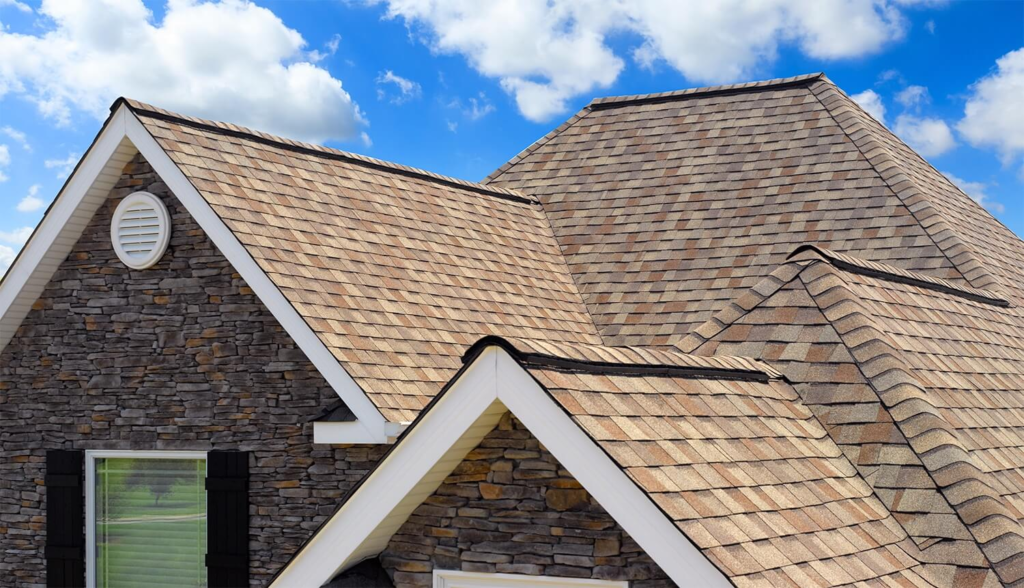
Most homeowners find that the time spent getting through to have their roof replaced is far greater than the time spent for the actual installation of the new roof. From the initial contact with contractors to choosing the best roofer, to waiting for decent weather in order to have the roof replaced, there are many layers of time involved. But once work begins at your home, the roof is typically replaced in 1-3 days.
Most homeowners assume that any contractor who can give them a price quote for a roof replacement without asking any questions will do a good job. But this is not true. Most homes can be re-roofed in a couple of days, but there are many factors that must be taken into consideration before starting a roof replacement. Many of these factors are literally layers of wood and covered up with many layers of shingles, and have rotted over time.
The honest timeline: what most jobs actually look like
Here’s a rough idea of what to expect for a basic roof. A single story home with a simple roof line (i.e. gable or hip roof) usually takes 1-3 days to complete. Larger homes with multiple stories and multiple roofs (i.e. multiple areas of roofing), with many features (i.e. dormers), can take 3-5 days or more to complete.
As stated earlier weather can also affect the amount of time a roof takes to install. Most roofers will not put shingles on in the rain, and strong winds can cause installation to come to a halt. If you are planning to have a roof installed within a week, it is wise to keep an eye on the weather to plan accordingly. A week of bad weather could turn a 2 day installation into a 4 day installation. Larger two story homes with more roof planes, such as homes with multiple levels or dormers, typically take 3-5 days for roof installation. Most single story homes with gable or hip roofs are 1-3 days for installation.
| Home type | Roof complexity | Estimated install time |
| Small single-story (under 1,500 sq ft) | Simple, low pitch | 1 day |
| Average single-story (1,500–2,500 sq ft) | Moderate, some angles | 1–2 days |
| Large two-story or complex layout | Multiple planes, dormers | 3–5 days |
| Commercial or very large residential | High complexity, flat sections | 5+ days |
What actually slows a roof job down
When a roof is stripped of its shingles there are many things that can be revealed, including rotten wood that will need to be repaired before new underlayment can be put down. Often the biggest part of a roof replacement is the removal of the old shingles, the inspection of the underlying structure, and the installation of the new materials.
- Rotted or damaged decking that only becomes visible after tear-off. Replacing sections adds hours or even a full day.
- Complicated roof geometry — every valley, every penetration, every flashing detail around a chimney or skylight requires careful, slower work.
- Material delivery delays, which are more common than they should be and almost always inconveniently timed.
- Permit requirements in your municipality, which can add a day or two before work even begins.
I have a client that is having her entire house re-roofed. The original quote was 2 days for the tear off and re-roof. Today is the end of day 3 and apparently about half of the decking had to be re-plumbed (repurposed) due to water damage. I am pretty irritated because no one ever told her the worst case scenario of what could be found when they tore off the old roofing and apparently the 20-30% contingency for the worst case scenario of repairs for the decking would have been needed for this roofing job. In reality 10-15% would have been plenty for a roof of this size and scope.
(Also, I wish that the contractor had advised us that we needed to set aside some contingency funds for repairs to the decking. $10,000 to $15,000 would have been enough to cover any repairs to the shingles as well as any work to the decking. This would have given us a great deal of peace of mind during the installation. $10,000 to $15,000 is not a lot of money for a contractor of good reputation to want to have on hand for possible repairs, and it would have been good for us to have had it set aside for this.
Does the material choice change anything?
The materials that cover your roof can affect the amount of time a roofer takes to complete a job. Asphalt shingles are typically the fastest roofing material to install because most roofers are used to installing them. This is because they are usually mass-produced and can be cut to size with ease. Other types of roofing can take a lot more time to install. For example, metal roofing can take a long time because each panel must be cut to the exact size required. In addition, metal roofing requires very specific methods for fastening to ensure that they remain secure. Other types of roofing, such as tile, can also take a long time to install. Some types of tile are made of clay while others are made of concrete. Both types of tile are heavy and can put a lot of strain on the roof’s framing. As a result, many roofers use large crews and a variety of equipment to install these types of roofs.
As a homeowner in the Raleigh-Durham-Chapel Hill area looking for a new roof Raleigh NC, the best roofing option for you will likely be impact-resistant asphalt shingles or metal roofing. Both types of roofs can withstand the violent storms that our area sees on a yearly basis. They will also likely outlast the typical life of a tile roof. So, the “right” option for you and the “fastest” option for you will likely be one and the same.
Good or Bad Roofing Jobs: What to Look For?
A well run roof installation can be a beautiful thing to watch. The initial morning of a roof installation can be very loud as multiple layers of the roof are put on as fast as possible. By the late afternoon the crew will begin to slow down as they start to finish up the details of the roof. A good crew will remove the old roofing material, remove and inspect the decking as needed, apply the underlayment, and then apply the shingles. All of the materials that are not currently being used will be stacked up on the lawn in an organized manner in the form of shingle stacks.
Keep in mind that if a crew is showing up at your home every day, you should see some sort of progression. Consistent progress is the key to a quality roof installation. If not, then you are better off moving on to another roofer. Here are a few things to look for at the end of every day: Are your tools and supplies on the roof in an organized fashion? Are they left out and scattered all over your roof? Is the crew showing up on time for the final day of installation to complete the job as promised?
- Daily cleanup around the perimeter is normal and professional
- A visible drip edge and ice-and-water barrier installation before shingles go on is a good sign
- If you’re being told they’ll finish in one day but the crew shows up at noon, ask questions
After installation: the part people forget
This may be an obvious question but after a contractor finishes installing a roof what is the typical procedure that they would undertake next? In addition to checking his work for any defects (such as leaks, etc.) a roofer will typically remove the odd perimeter nail that has left the job site. These are usually found along the eaves and rakes of homes and can be picked up with a good quality magnet roller. If the roofer has not brought a magnet roller to your home then it is best to continue looking for a quality contractor to install a new roof for you. After removing all of the remaining nail from the job site the contractor will then remove any and all other debris from the property as well. Finally, the roofer will typically give the homeowner a walk through of the newly completed roof. During this time the roofer will explain in detail what he did on the roof as well as why he did it that particular thing in order to best protect the home and the new roof for the homeowner.
It is normal for newly installed roofs to develop slight lifting of shingles in the first week or so after completion. This can be more apparent when a roof was installed in cooler weather and the roof continues to warm up as time passes. This is due to the shingles slowly sealing up thermally. It can take up to a month for the shingles to return to an even plane if they develop lifting. If the edges of the shingles remain lifted after a month then there is likely an issue with the roof that needs to be repaired by the roofer.
It takes typically 1-2 weeks for a contract to be fulfilled after the work has begun to repair or replace a home’s roof. There are numerous variables that affect this timeframe. For example, another contractor’s schedule may conflict with that of the roofing contractor. Other circumstances such as weather, getting material delivered on time, etc. can also affect a contract’s timeframe to be completed. However, a roof can be repaired or replaced in a very short amount of time, typically in the span of one day. Often before you know it, you awake to the sound of hammers and by the end of the next day it is complete. Read More at https://mintpaldecor.org/