
Nobody puts “good bones” on a spec sheet, but it’s the thing that actually sells a house in a small town. A place with real trim work and windows that sit right on the wall will beat some builder-grade box in a hot suburb nine times out of ten, at least with buyers who bother to look past square footage. And square footage does sell, don’t get it wrong, it’s the number everyone leads with and the number that looks good on paper. Photographs are fine for a listing too. But talk to people actually out looking right now and a lot of them aren’t hunting for the biggest number their bank will let them borrow. Somebody wants a porch that sags just enough to look lived-in. Somebody else wants a staircase worn down by a hundred years of feet going up and down it, or just a downtown they can walk to instead of getting in the car every single time they need milk.
What Actually Makes a Small Town Worth a Second Look
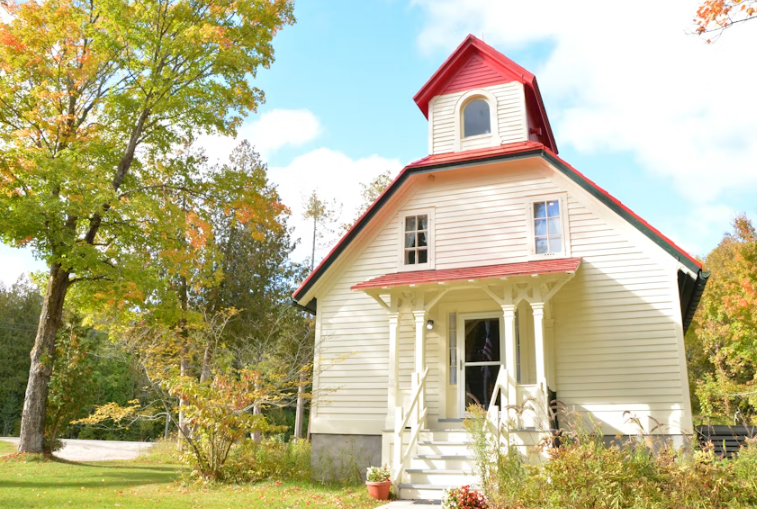
That’s basically the whole draw of small towns right now. Though it’s worth saying, not every small town has it. Plenty of them are just small, full stop. Boarded-up storefronts, one gas station, maybe a dollar store holding down what used to be a real commercial strip. The towns worth actually driving out to see have something more going on, usually a main street where the hardware store never closed, a diner that’s been slinging the same breakfast since before anyone in town can remember it opening, houses built decades before “open concept” was even a phrase real estate agents used. Nine times out of ten there’s water nearby too, a lake or a river, or maybe an old rail line that gave the place a reason to be there in the first place before anybody built a subdivision.
A Case in Point: Bloomfield, Wisconsin
Bloomfield, Wisconsin is a good one to point at if you want to see this in person. It sits just outside Lake Geneva, and it’s got that slower, rural feel that keeps drawing buyers out from Chicago and Milwaukee, especially once they’ve had enough of paying lake-view prices for a yard the size of a parking space.
Anyone weighing that move should take a look at the current listings around Bloomfield, since the area tends to hold onto the acreage and older farmhouse stock that has disappeared from more developed corners of the region.
Character Homes Come With Baggage
Character homes come with baggage attached, and buyers ought to walk in already knowing that. Some of these places still have knob-and-tube wiring tucked behind the walls, the kind an electrician takes one look at and starts shaking his head. Plaster cracks in a way drywall never really does, spiderwebbing across a ceiling in a pattern that looks alarming but might’ve been there for thirty years. A dirt-floor basement can seem almost quaint until the first big storm rolls through and somebody’s down there with a flashlight watching water creep across it.
None of that is automatically a dealbreaker. It just means the inspection carries a lot more weight here than it would on some five-year-old spec house with everything still under warranty. Set money aside for surprises, because something will turn up. The seller’s probably never even thought about when that chimney was last relined, honestly, half the time they don’t know either. What really separates the buyers who end up happy from the ones who end up regretting it comes down to whether they were honest with themselves early on about what they’re actually willing to live with day to day. A wraparound porch photographs beautifully. It is also a lot of scraping and painting every few summers. A century-old barn on the property sounds romantic until someone has to reroof it. Buyers who fall for the idea of a place, rather than the actual maintenance schedule attached to it, tend to sour on the whole project within a couple of years.
Location Still Does Most of the Heavy Lifting
Location still does most of the heavy lifting, even in towns that feel far removed from anywhere. Distance to a real grocery store matters more than most people admit before they move. So does proximity to a hospital, especially for buyers thinking about retirement rather than a weekend escape. And the school district question does not go away just because the house has original hardwood and a clawfoot tub. If resale is part of the plan at all, that district line is going to show up in the numbers eventually.
Financing a Character Home Isn’t Always Simple

Financing a character home is not always as simple as financing a new build, either. Older properties sometimes get flagged during appraisal for issues that would not even register on a newer house, things like a detached garage in rough shape or an addition that was never permitted. Lenders can get twitchy about that. Working with someone who has actually sold houses in that specific town, not just the general region, tends to smooth this out. They already know which appraisers understand old construction and which ones will tank a deal over a sagging porch beam that is cosmetic more than structural.
Why the Lifestyle Math Has Shifted
The lifestyle math around these markets has shifted too. Remote work took a lot of buyers who used to be tied to a commute radius and let them widen the search considerably, a shift that has reshaped demand in plenty of places well beyond the obvious lake towns. Some of that same logic has been reshaping property markets in cities like Perth, where buyers now weigh a home office and a quiet street against a short commute that barely happens anymore. Small towns in the US are seeing a version of that same recalibration, minus the traffic problem to begin with.
Character Over Polish
There is also a broader shift away from polish for its own sake. Minimalist, everything-matches interiors had a long run, and plenty of buyers are now actively looking for the opposite: rooms that show some age, materials that wear rather than just sit there looking new. That same instinct is showing up in coastal design trends far from any small Midwestern town, which says something about where taste is heading generally. Character is not a design trend confined to vacation markets anymore. It is becoming the point.
Coastal Towns Have Their Own Version of This
Coastal towns run into their own version of this same argument, character against size, and it doesn’t play out exactly the same way it does inland, but it’s close enough to recognize. Buyers looking at older places along the water end up asking a lot of the same questions, and Southport is a decent place to watch it happen, where a period home with actual architectural detail is going up against some newer build next door that’s cheaper to maintain but doesn’t have a single interesting thing about it.
The Bottom Line
None of this is meant to knock bigger houses, and nobody chasing square footage is doing it wrong. Plenty of families need the room, full stop, and there’s nothing wrong with wanting a house that doesn’t groan every time somebody walks across the living room. But there’s a certain kind of buyer, the one who walks into an open house and catches themselves running a hand along original woodwork instead of counting outlets like everybody else, and for that person, small towns still hand over something the newer subdivisions just can’t fake no matter how hard they try. Worth keeping in the back of your mind before the whole search turns into a spreadsheet of price-per-square-foot that never really explains what makes a house worth coming home to. Read More at https://mintpaldecor.org/
2 thoughts on “Small-Town Markets for Buyers Who Want Character Over Square Footage”