
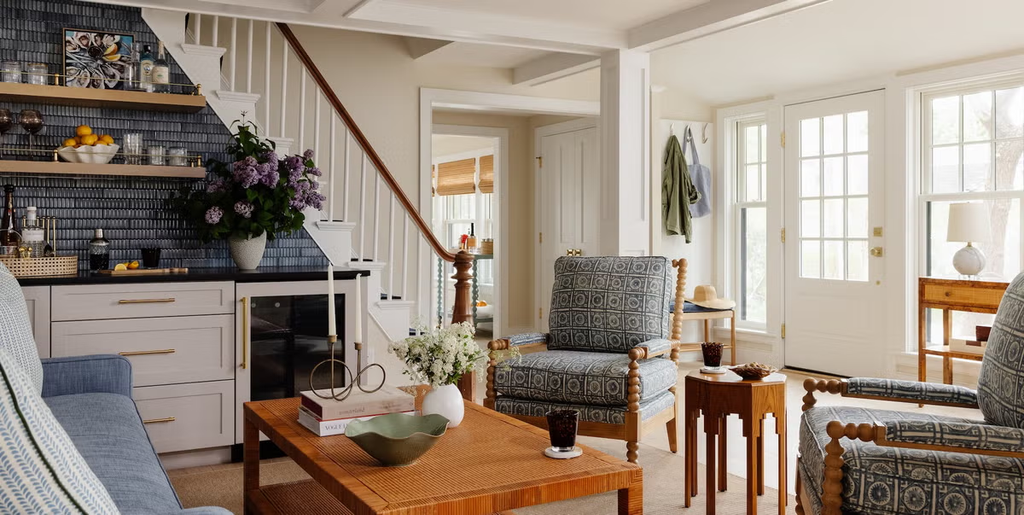
The way a home is decorated says a lot about its personality, but it also plays a surprising role in how easily pests can be detected. Many homeowners focus on aesthetics alone, arranging furniture and accessories for visual appeal without considering how these choices affect their ability to spot early signs of insect or rodent activity. Small decisions, like where a bookshelf sits or how a rug is placed, can either help or hinder a timely pest discovery.
Understanding this connection allows homeowners to maintain a beautiful living space while still keeping an eye on potential problem areas. Below, we explore how common decor elements influence pest visibility and offer practical strategies for balancing style with easy inspection.
How Furniture Arrangement Hides Early Warning Signs
Furniture placement is one of the biggest factors in pest detection. Large pieces pushed flush against walls, especially in corners, create dark, undisturbed spaces where pests thrive. Cockroaches, spiders, and rodents tend to favor these quiet zones because they offer both shelter and minimal human traffic.
When furniture is arranged edge to edge or stacked closely together, homeowners lose the ability to see droppings, shed skins, or nesting materials that often collect behind or beneath these items. This is particularly true in bedrooms and living rooms, where heavy dressers, entertainment centers, and bookshelves are rarely moved for cleaning. A professional inspection, such as the kind offered through Charlotte pest control from Sage Pest Control, often involves checking these hidden zones precisely because homeowners cannot easily access them on their own.
The Role of Wall Treatments and Vertical Clutter
Wall decor might seem unrelated to pest activity, but certain choices can unintentionally create hiding spots. Thick tapestries, heavy drapes that pool on the floor, and layered wall hangings can trap moisture and provide cover for pests moving along baseboards or window frames. Wallpaper with loose seams or bubbling edges is another concern, as some insects, including certain beetles and roaches, can find refuge in the small gaps between the paper and the wall.
Homeowners who want to preserve a decorative look while improving visibility might consider treatments that sit closer to the wall surface with fewer overlapping layers. This is another area where pest control becomes relevant, since technicians are trained to check behind wall coverings and along trim lines that most residents overlook during routine cleaning.
Why Heavy Rugs and Floor Coverings Complicate Detection
Flooring choices significantly affect how easily pests can be spotted. Thick, plush rugs and layered floor coverings create insulated, dark environments that are appealing to pests such as carpet beetles, silverfish, and even rodents seeking nesting material. According to entomological research on urban pest behavior, many household insects are drawn to areas with limited light and reduced airflow, both of which are common under and around dense floor textiles.
Rugs that cover large sections of a room, especially those placed over baseboards or extending into closets, can conceal droppings, shed exoskeletons, or gnaw marks along the flooring edges. Without regularly lifting or shifting these coverings, homeowners may go months without noticing early signs of infestation. Choosing rugs with defined, manageable edges rather than wall-to-wall coverage allows for more frequent visual checks without demanding excessive effort.
Storage Pieces and the Clutter Factor
Storage furniture, including cabinets, ottomans with hidden compartments, and stacked storage bins, often becomes a magnet for clutter. While these pieces are practical for organization, they can also become long-term hiding spots if items are packed in tightly and rarely rotated. Cardboard boxes are particularly problematic, as many pests, including roaches and silverfish, are attracted to the cellulose material and use it for shelter.
A few practical adjustments can reduce this risk:
- Store items in sealed plastic bins instead of cardboard boxes
- Leave a few inches of space between storage furniture and walls
- Rotate stored items every few months rather than leaving them untouched
- Avoid overfilling closets or cabinets to the point where visual inspection becomes difficult
- Choose furniture with legs or elevated bases rather than pieces that sit flush against the floor
These small changes make it easier to notice unusual activity without requiring a complete overhaul of a home’s storage system.
Decorative Accessories That Unintentionally Create Hiding Spots
Decorative accessories, from oversized floor vases to layered baskets and ornamental plant arrangements, can also contribute to reduced visibility. Live plants, in particular, deserve attention since overwatering or excess moisture in decorative pots can attract pests like fungus gnats or even encourage mold growth that draws other insects. Baskets used for blankets, magazines, or firewood often sit untouched for long stretches, creating another quiet space where pests can settle undisturbed.
Rearranging these items periodically, even slightly, helps disrupt any potential nesting activity before it becomes established. This habit costs nothing and takes only a few minutes but can make a noticeable difference in early pest detection.
Practical Decor Strategies That Support Easier Inspection
Homeowners do not need to sacrifice style to maintain a pest-aware home. The key lies in choosing furniture and accessories that allow for occasional movement and visual access. Furniture with wheels or lightweight construction can be shifted easily during cleaning sessions. Leaving small gaps between large pieces and the wall, even just a few inches, allows light and airflow to reach areas that would otherwise stay hidden.
Similarly, avoiding excessive floor-level clutter, such as stacked boxes or overflowing baskets, keeps sightlines clear. These adjustments do not require a complete redesign. Instead, they involve thoughtful placement and a willingness to periodically inspect the spaces that decor naturally obscures.
Key Takeaways
Decor choices influence far more than the visual appeal of a home. Furniture placement, wall treatments, floor coverings, storage solutions, and decorative accessories all play a role in how easily pests can be detected. By favoring movable furniture, avoiding dense clutter, and leaving accessible edges around key areas, homeowners can maintain their preferred aesthetic while still supporting a home environment where pest activity is easier to notice and address early. Thoughtful, minor adjustments often make the biggest difference in keeping a home both stylish and easy to monitor. Read More at https://mintpaldecor.org/