
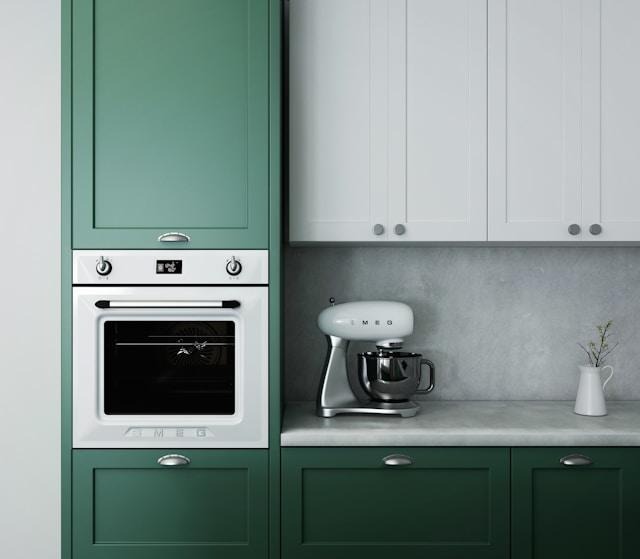
Cabinets are installed in kitchens for the storage of food, cooking equipment, and often silverware and dishes for table service. The functional design of the kitchen cabinets is very important because it balances storage efficiency with comfortable, intuitive access – a thoughtful blend of science and art. When they start shopping for kitchen cabinets, homeowners have a much bigger goal in mind: to optimize functionality and flow, while breathing new life into the kitchen. Many now prioritize low-VOC (volatile organic compound) finishes and sustainably sourced wood.
Whether you’re leaning toward a modern Shaker kitchen, classic cabinetry, or flat panels, you’re spoilt for choice when it comes to renovating your space. Can’t make up your mind? Don’t worry, it’s normal. The abundance of options available requires more effort to choose and can leave you feeling paralyzed. Unlike a rug or a pendant light, a kitchen cabinet is a permanent investment, and the fear of making mistakes makes every minor detail feel like a life-or-death situation. Whether you’re starting from scratch or giving your kitchen a new look, we’ll guide you through everything you need to know with respect to materials, durability, and prices.
Decide If The Kitchen Will Be A Chef’s Sanctuary Or A Social Hub
Whichever style you go with, you need to have a realistic view of the room itself. Maybe you’re someone who genuinely enjoys spending time in the kitchen, passionate about exploring new flavors and constantly pushing the boundaries to create dishes that delight and inspire. There are certainly a number of recipes online and amateur/hobbyist networks. People make plans around which restaurants they are going to, but your idea of a good meal is one where you’re the chef. You like having complete control over the process.
Maybe for you, the kitchen isn’t just a workspace; it’s the heartbeat and the social hub of the home. It’s the place where your family comes together, drawn by the warmth of a simmering pot and the promise of good company. It’s the backdrop for hurried weekday breakfasts, slow Sunday roasts, and those late-night conversations that only seem to happen over a shared plate of leftovers. Ensure kids have their own roles to play during preparation, setup, and cleanup after mealtimes.
Make Sure You Have A Kitchen That Can Be Adapted To All Seasons
Kitchen cabinets must stand up to everyday use. Between the steam from the stove, the weight of the dishes, and the constant slamming of doors, they take a beating that most furniture items never see. From everyday essentials to things you only pull out a few times a year, like roasting pans or heirloom glassware, your kitchen cabinets have their work cut out for them. If you’ve been stashing specialty cookware in a spare closet, have it come back into the fold. A functional kitchen can be used year-round.
Pick The Right Material And Finish For Your Kitchen Cabinets
For a heavy-duty kitchen, you need surfaces that can handle heat, steam, and frequent scrubbing. Plywood boxes with high-pressure laminate (HPL) or solid wood doors (maple or oak) are the best-in-class options because they offer superior resistance to warping and moisture, not to mention timeless beauty and long-term structural integrity. Conversion varnish and catalyzed lacquer withstand grease and cleaning chemicals much better than standard paint. Most high-quality manufacturers use 18mm as the standard thickness for cabinet carcasses. Of course, you can find cheaper, flat-pack alternatives at big-box retailers that use 15mm or 16mm chipboard.
Opt For Drawers Over Kitchen Cabinet Doors
The typical kitchen features a tiered cabinetry system, which consists of a standard upper row positioned above a deeper set of lower wall units. The lower cabinets have a single drawer, about 4-6 inches deep, used for silverware, junk, or utensils, and two cabinet doors. To get anything from the back of the bottom shelf, you have to get on your hands and knees and pull everything out; it requires a lot of bending and reaching into dark corners. The good news is that, while this was the standard for decades, modern kitchen design has moved away from it. And you should, too.
Drawers make it much easier to add dividers, so you can maximize storage space, keep everything visible and accessible, and prevent delicate items like plates, lids, or glassware from touching or breaking. If you prefer a kitchen without upper cabinets, drawers are pretty much the only way to go. You can use drawers with adjustable pegs, which take your kitchen from drab and messy to chic and orderly within seconds. Put simply, you can customize your storage based on the specific dimensions of your cookware instead of forcing it to fit into a pre-fit mold.
Arrange Your Kitchen Cabinets With Access Zones In Mind
Kitchen cabinets turn every centimeter into an accessible, functional space that works with how you actually cook. Speaking of which, it helps to organize your appliances, crockery and cutlery, zoning different kitchen areas, to maximize productivity, minimize chaos, and improve efficiency. Group storage based on how you actually use the kitchen. E.g., knives near the prep area, pots and pans by the stove, dishes close to the dishwasher, and pantry items together. 2026 designs usually include appliance garages, aka small cabinets or compartments that accommodate frequently used kitchen appliances.
Consider Under-And-Over Kitchen Cabinet Lighting
Kitchen cabinets cast dim shadows over your workspace, and this lack of visibility is especially problematic when operating small appliances or performing precision tasks, such as dicing and slicing. Overhead ceiling lights provide general illumination, but they often leave the kitchen feeling flat or create dark pockets where you actually need to work. When you use both under-cabinet and over-cabinet lighting, you obtain a layered effect that improves both visibility and changes the mood of the room.
LED puck lights cast a tight, circular beam of light, which makes them ideal for highlighting specific areas, like a coffee station or a decorative display shelf. Because they produce distinct pools of light rather than a broad wash, they create an elegant “scalloped” pattern on the backsplash or wall, you know, a series of soft, overlapping arcs that look intentional and upscale. You can aim the light exactly where the appliance sits.