
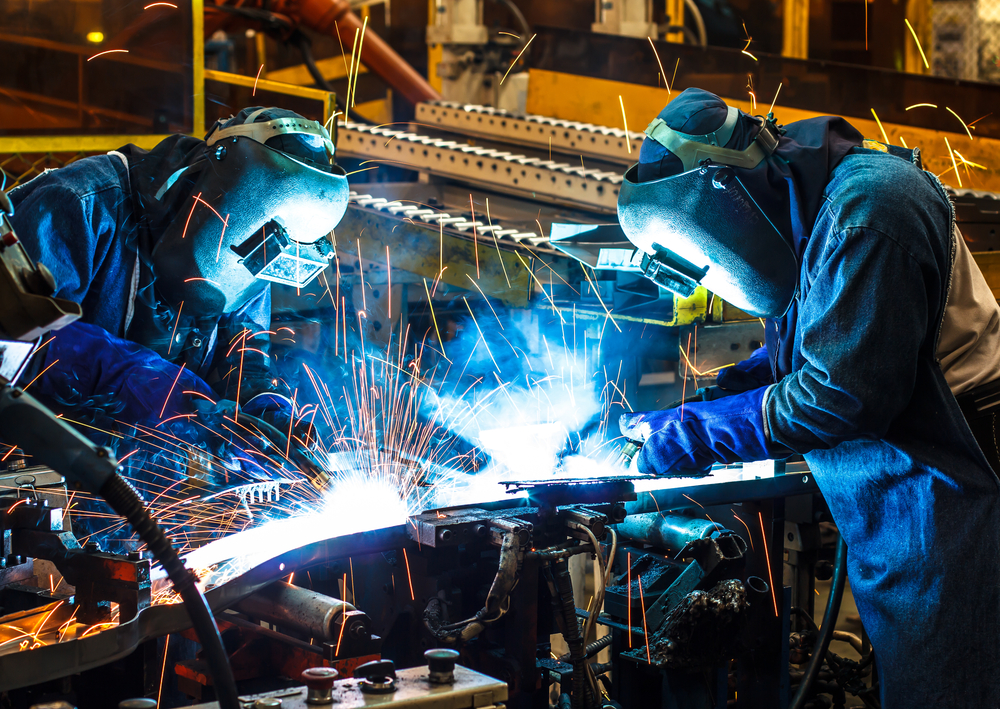
In construction and manufacturing, a design is only as good as its execution. Architects and engineers can dream up stunning, functional concepts, but turning those ideas into physical reality requires a skilled translation from drawings to durable, precise components. This is where fabrication expertise becomes essential. Transforming design intent into real-world performance, while managing the challenges that inevitably arise between imagination and implementation.
Understanding the Role of Fabrication
Fabrication is the art and science of shaping raw materials into finished components that meet detailed specifications. Whether it’s structural steel for a high-rise, custom metalwork for architectural features, or precision parts for industrial machinery, fabrication brings design to life. But the path from concept to material isn’t always straightforward. Designers think in idealized terms; fabricators must solve practical challenges such as material behavior, welding limitations, tolerances, and installation logistics.
Expert fabricators don’t just follow blueprints, they interpret them. That interpretation requires a deep understanding of how materials respond under stress, how fabrication methods impact performance, and what adjustments are necessary to maintain both design integrity and constructability.
Bridging the Gap With Technical Know-How
One of the biggest areas where fabrication expertise adds value is in technical problem-solving. Complex designs may call for non-standard shapes, tight tolerances, or multi-component assemblies that require careful sequencing. A seasoned fabricator anticipates issues such as thermal distortion during welding, fit-up challenges between components, or interferences that aren’t always evident on paper.
For example, some architectural metal panels may look stunning in renderings, but without precise planning for how they will join, support loads, and accommodate movement, they can be difficult to install. Skilled fabricators collaborate early in the process, suggesting adjustments that preserve design aesthetics while ensuring practicality and performance.
Leveraging Technology and Precision Tools
Modern fabrication facilities combine traditional craftsmanship with advanced technologies like CNC cutting, laser profiling, and robotic welding to achieve high precision and repeatability. These tools allow fabricators to produce complex parts with consistent quality, reduce material waste through optimized nesting, and maintain tight tolerances across large production runs.
By integrating digital fabrication into the workflow, fabricators ensure that the finished product aligns closely with design intent. This level of precision is especially critical when components must fit together seamlessly in the field, which minimizes rework and installation delays.
Collaboration Is Key
Effective collaboration between designers, engineers, and fabricators helps prevent costly last-minute changes. When fabricators are engaged early, they can provide feedback on constructability, material selection, and cost-effective alternatives.
This collaborative approach fosters innovation; for instance, by suggesting alternative joinery methods that improve structural performance or recommending materials that better suit environmental conditions without compromising aesthetics.
Meeting Real-World Constraints
Designs must also take into account real-world constraints such as code requirements, site limitations, and budget realities. An expert fabricator helps balance these factors by identifying opportunities to streamline fabrication and assembly, propose efficient material choices, and suggest solutions that maintain design intent while respecting practical limitations.
The Impact of Fabrication Expertise
When fabrication expertise is integrated into the project lifecycle, designs transition smoothly from concept to reality. The result is a finished product that behaves as intended, installs efficiently, and performs reliably over its service life. What might have been merely an idea on paper becomes a tangible asset.
Ultimately, bridging the gap between design and reality is about communication, foresight, and a deep commitment to quality. Expertise in fabrication ensures that visionary designs don’t just remain aspirational, but become enduring structures and components that stand the test of time.