
Your home talks to you. Not literally, obviously. But it drops hints all the time.
A stain on the ceiling that wasn’t there last month. A scratching sound behind the wall at night. A soft spot on the roof that looks different after heavy rain.
Most of us see these signs and think, “I’ll deal with that later.” Then later turns into next month. Next month turns into next season. And by the time you actually pick up the phone, a small fix has become a major project.
It happens to nearly every homeowner. The problems that cause the most damage are rarely the loud, dramatic ones. They’re the slow, quiet ones that build up behind the scenes while you’re busy worrying about paint colours and cushion covers.
This guide is about catching those problems early. We’ll cover three areas that tend to fly under the radar: roofing wear that sneaks up on you, rodent issues that get out of hand fast, and the decision to replace a roof entirely when repairs stop making sense.
Not glamorous stuff. But the kind of stuff that saves you thousands.

That Roof Is Trying to Tell You Something
Most people never look at their roof. Not properly. You glance at it from the driveway, maybe notice a bit of moss, and move on.
But your roof takes a beating every single day. Sun, wind, rain, frost. It cops all of it without complaint. Over time, even the toughest materials start to break down.
Butynol roofing is a common choice for flat and low pitch roofs. It’s rubber based, flexible, and handles temperature swings well. But it’s not invincible. Seams can lift. Edges can pull back. Pooling water from blocked drainage slowly eats into the membrane.
When that starts happening, the damage often moves inward before you spot anything from the outside.
The first clue is usually a damp patch inside the house. Maybe a musty smell in a room that used to be fine. Or bubbling paint in a corner of the ceiling. By that point, water has already been sitting in your insulation or framing for a while.
That’s the frustrating thing about roof damage. It doesn’t announce itself.
If you’ve got a flat or low angle roof with butynol membrane, it’s worth booking an inspection before anything obvious shows up. Professionals who handle butynol roof repairs can spot weak points that are invisible to most homeowners. They check seams, flashings, drainage, and membrane condition, all the things you’d never notice from the ground.
Catching a small tear or lifted edge early might cost you a fraction of what a full ceiling repair and re roofing job would run.
The other thing worth knowing? A leaking roof doesn’t just damage the structure. It wrecks your interiors too. That freshly painted feature wall, those new curtains, the timber flooring you spent weeks choosing. Water doesn’t care how much any of it costs.

The Scratching in the Walls Isn’t Your Imagination
Now let’s talk about something most people really don’t want to deal with. Rodents.
Nobody wants to admit they’ve got mice or rats in the house. It feels personal, like you’ve done something wrong. But here’s the truth: rodents don’t care how clean your kitchen is. They’re looking for warmth and access. If your home has a gap they can squeeze through, they’ll find it.
And they don’t need much. A mouse can fit through a hole the size of a coin. Rats need slightly more room, but they’re persistent and surprisingly strong. They’ll chew through soft wood, plastic, and even low grade metal to get where they want to go.
Once inside, they multiply fast.
A single pair of mice can produce dozens of offspring in just a few months. Before you know it, you’re not dealing with one mouse in the pantry. You’re dealing with a colony in the ceiling.
The signs are usually subtle at first. Droppings behind the fridge. Gnaw marks on food packaging. Small holes in skirting boards. That scratching or scurrying sound at night that you keep blaming on the house “settling.”
If any of that sounds familiar, don’t wait.
Rodents cause more damage than most people realise. They chew electrical wiring, which is a genuine fire risk. They contaminate food and surfaces with droppings and urine. They damage insulation. And they leave trails that attract more rodents over time.
Store bought traps and poison can help with a minor situation. But once things escalate, you need proper rodent control that goes beyond surface level fixes. A trained technician will identify entry points, assess how widespread the problem is, and set up a plan that actually eliminates the issue rather than just managing it.
They’ll also advise on how to seal your home against future invasions. Because killing the rodents already inside doesn’t help much if the entry points are still wide open.
Prevention is pretty straightforward once you know what to look for. Seal gaps around pipes. Fix broken vents. Keep food in airtight containers. Trim branches that touch the roofline.
That last one matters more than you’d think. Rats are excellent climbers. A tree branch touching the roof is basically a highway into your ceiling cavity.
The point is, rodent problems don’t get better on their own. They get worse. And the longer you leave it, the more it costs to fix both the pest issue itself and the damage they’ve caused while you were hoping it would go away.

When Patching Stops Making Sense
Let’s circle back to roofing for a moment. Because there’s an important conversation most homeowners avoid until it’s forced on them.
At what point do you stop repairing and start replacing?
It’s a fair question. Repairs are cheaper in the short term. A patched leak here, a re-sealed edge there. You can stretch a tired roof for a while with regular fixes. But at some point, the maths stops working.
If you’re calling someone out every season to patch a new problem, the costs stack up fast. And each repair is really just buying time on a roof that’s past its peak.
There’s also the issue of hidden damage. A roof that needs frequent patching may already have moisture trapped in the underlying structure. Repairing the surface doesn’t fix what’s rotting underneath. In those cases, continued patching can actually make things worse by sealing moisture in rather than keeping it out.
That’s when it’s time to think about a full replacement.
A new roof is a significant investment. No getting around that. But it’s also one of the highest return upgrades you can make on a property. It protects everything underneath, improves energy efficiency, and adds real value if you ever decide to sell.
The key is working with someone who can properly assess whether you’re at the repair stage or the replacement stage. Not every roofing company will tell you the honest answer, because repairs mean repeat business.
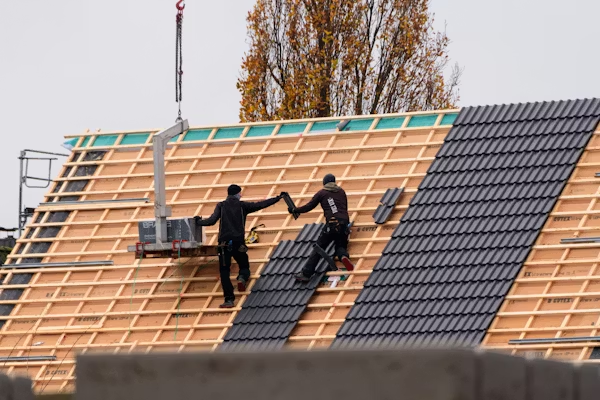
A good re-roofing specialist will walk you through the condition of your current roof, explain what’s salvageable and what isn’t, and give you a clear picture of your options. They’ll talk about materials suited to your climate, timelines, and what the job will realistically involve.
It’s not a decision you need to rush. But it is one you should make with proper information rather than guessing.
One good rule of thumb: if your roof is more than a couple of decades old and you’re repairing it more than once every few seasons, get a professional opinion on replacement. Even if the answer is “not yet,” you’ll know where you stand and can plan ahead.
Planning ahead is always cheaper than reacting in a panic. Always.
The Bigger Picture
These three issues, roofing wear, rodent problems, and the repair vs replace decision, share something in common. They all punish procrastination.
A small butynol tear becomes a soggy ceiling. A single mouse becomes a colony. A tired roof becomes a structural headache.
The homeowners who save the most money aren’t necessarily the ones with the biggest budgets. They’re the ones who pay attention to the boring stuff. The maintenance. The inspections. The little fixes that prevent big ones.
It’s not exciting. It doesn’t look good on a mood board. But it’s the foundation everything else sits on. You can have the most beautifully decorated living room on the street, and none of it matters if water’s dripping through the ceiling or rodents are chewing through your wiring.
Think of home maintenance like health. You don’t wait until you collapse to see a doctor. You get checkups. You catch things early. You deal with problems when they’re small and manageable.
Your house deserves the same approach.
Start with whatever’s been nagging at you. That damp patch you’ve been ignoring. That sound in the wall. That section of roof that looked a bit off last time you were in the garden.
Pick one thing. Get it checked. Sort it out.
Then move on to the next.
That’s how you protect your home. Not with one big renovation, but with a hundred small, smart decisions made at the right time.