
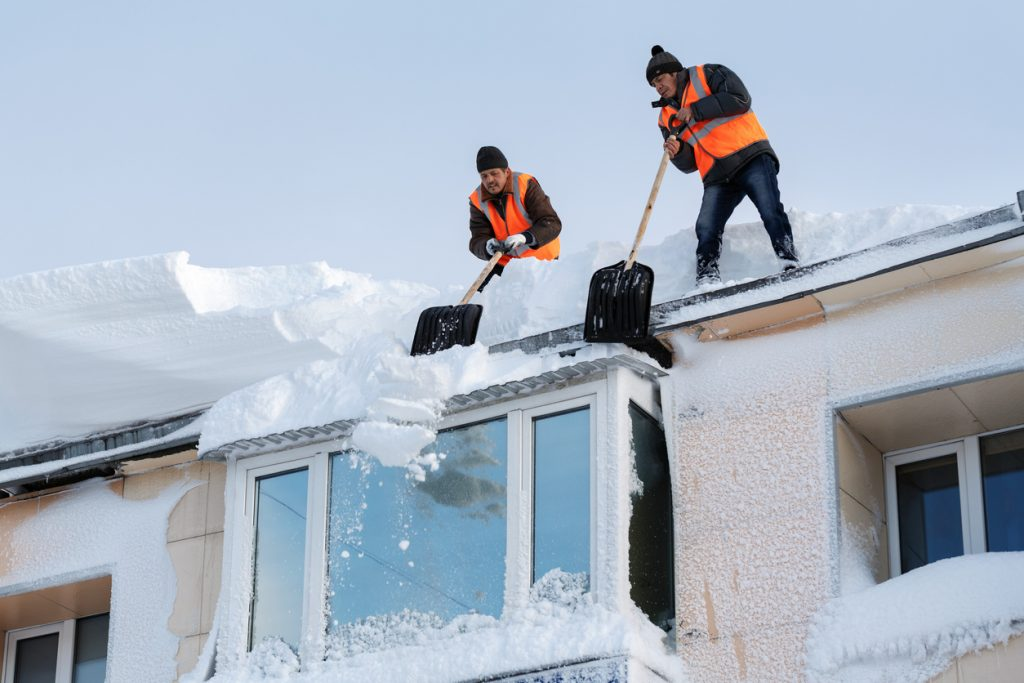
Winter can be one of the toughest seasons for any roof. Snow, ice, freezing temperatures, and strong winds all put extra stress on roofing materials. Without proper maintenance, small issues can quickly turn into expensive repairs or even a full roof failure.
Whether you own a newer home or an older property, understanding how to care for your roof during winter can help extend its lifespan and protect your investment.
Why Winter Is Hard on Roofs
Cold weather affects every type of roofing system differently. Asphalt shingles can become more brittle in freezing temperatures, while repeated freeze-thaw cycles cause roofing materials to expand and contract. Over time, this movement can loosen shingles, damage flashing, and create openings where water can enter your home.
Heavy snow also places additional weight on your roof. While most residential roofs are designed to support typical snow loads, excessive accumulation combined with ice can create unnecessary stress.
Watch for Ice Dams
One of the most common winter roofing problems is the formation of ice dams.
Ice dams develop when heat escapes through the attic, melting snow on the upper portion of the roof. As the water flows toward the colder roof edges, it refreezes and creates a ridge of ice. This trapped water can back up beneath shingles and eventually leak into your home.
Signs of ice dam problems include:
- Large icicles hanging from gutters
- Ice buildup along roof edges
- Water stains on ceilings
- Wet insulation in the attic
- Peeling interior paint
Improving attic insulation and ventilation is one of the best ways to reduce the likelihood of ice dams.
Keep Gutters Clean Before Winter
Leaves and debris left in gutters before winter can prevent melting snow from draining properly.
When water cannot flow freely, it freezes inside the gutter system, creating additional weight and increasing the chance of ice buildup. Clean gutters allow melting snow to move away from the roof more efficiently.
Inspect gutters during late fall and again if necessary before heavy snowfall arrives.
Inspect Your Roof Before Snow Falls
A roof inspection before winter can identify small problems before they become costly emergencies.
Look for:
- Missing shingles
- Loose flashing
- Cracked sealant
- Damaged vents
- Soft spots
- Loose ridge caps
- Sagging areas
Addressing these issues before winter weather arrives is often much less expensive than repairing water damage after a leak develops.
Remove Heavy Snow Carefully
Most roofs can safely support normal winter snowfall, but unusually heavy snow accumulation may require removal.
Use a roof rake from the ground whenever possible rather than climbing onto an icy roof. Walking on snow-covered roofing materials is extremely dangerous and can damage shingles.
If excessive snow loads become a concern, hiring experienced professionals is the safest option.
Check Your Attic Throughout Winter
Many roofing problems first appear inside the attic.
During the winter months, periodically inspect for:
- Moisture on rafters
- Mold growth
- Frost buildup
- Wet insulation
- Water stains
- Daylight coming through the roof deck
Early detection can prevent significant structural damage.
Watch for Wind Damage
Winter storms often bring strong winds capable of lifting or tearing shingles away from the roof.
After major storms, safely inspect your property from the ground for:
- Missing shingles
- Pieces of roofing in the yard
- Bent flashing
- Damaged vents
- Fallen tree limbs
Even minor wind damage can allow moisture to enter beneath the roofing system if left unrepaired.
Prevent Roof Leaks
Preventive maintenance is the most effective way to avoid winter roof leaks.
Homeowners should:
- Trim tree branches away from the roof
- Keep gutters clear
- Check attic ventilation
- Replace damaged shingles promptly
- Repair flashing around chimneys and skylights
- Schedule routine roof inspections
These simple maintenance steps can significantly reduce the risk of winter-related damage.
Know When It’s Time for a New Roof
Sometimes winter problems are a sign that your roof has reached the end of its useful life. If you’re dealing with recurring leaks, curling shingles, widespread storm damage, or an aging roofing system, continuing to repair it may cost more over time than investing in a replacement.
If you’re wondering whether your home is ready for a new roofing system, learn more here to explore your options, understand the replacement process, and see what to expect before making your decision.
A professionally installed roof provides improved protection against snow, ice, wind, and freezing temperatures while also increasing your home’s value and energy efficiency.
Frequently Asked Questions
Can snow damage my roof?
Normal snowfall usually isn’t a problem for a properly built roof. However, unusually heavy snow, poor structural conditions, or existing roof damage can increase the risk of problems.
Are icicles a sign of roof issues?
Large icicles often indicate heat loss from the attic and can contribute to ice dam formation. They are worth investigating if they appear regularly.
Should I remove snow from my roof?
Light snow generally does not require removal. Heavy snow accumulation, especially after multiple storms, may justify using a roof rake or hiring professionals.
Can roofing work be done during winter?
Yes. Experienced roofing contractors can perform many repairs and even complete roof replacements during winter when weather conditions are safe and materials are installed according to manufacturer guidelines.
Final Thoughts
Winter weather can be demanding on any roofing system, but regular inspections, proper attic ventilation, clean gutters, and prompt repairs can greatly reduce the risk of leaks and structural damage. Staying proactive throughout the colder months helps extend the life of your roof and protects your home from costly winter-related issues.
By preparing before the first snowfall and addressing problems early, homeowners can avoid many of the most common winter roofing emergencies and enjoy greater peace of mind throughout the season.