
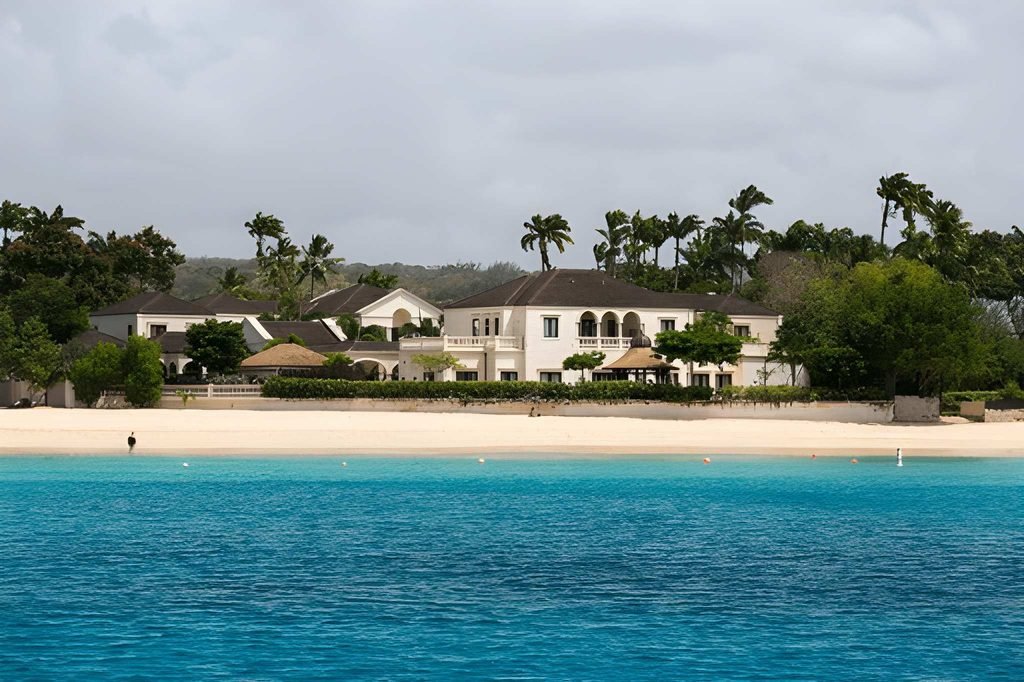
A photograph can show a beautiful house without revealing whether it will be comfortable to live in. A broad sea view may come with an exposed terrace. A dramatic staircase may separate the bedroom from the room where you spend most of the day. Choosing a Barbados villa means translating visual appeal into the practical experience of staying there.
That process begins with a different question from which property looks best. Ask which spaces you would use, at what time and with whom. Once a house is considered as a sequence of everyday activities, its strengths and compromises become much easier to discuss.
Read the rooms as a connected plan
Look through a gallery in the order you might move through the property. Identify the entrance, the main living room, the dining space and the route to the bedrooms. Notice when several photographs show the same room from different angles. A large gallery does not necessarily describe a large number of separate spaces.
If a floor plan is available, compare it with the images. If there is no plan, request a simple explanation of the layout. Detached bedrooms, guest cottages and rooms reached only from outside can suit some groups very well, but they change the way people share a house.
Using Hammerton’s Barbados villa collection as a starting point, build a shortlist around the activities your group expects to enjoy. Hammerton Barbados presents different kinds of villa accommodation; the useful comparison is how each individual property fits your needs. Keep questions attached to the relevant home so answers do not blur together.
Try an imaginary ordinary afternoon. One person is reading, another wants a swim and two others are preparing lunch. Can those activities happen comfortably at the same time? This exercise reveals more than comparing decorative finishes in isolation.
Study shade with the same care as the view
Outdoor living depends on somewhere pleasant to sit. Check whether a covered terrace has enough seating for the group and whether the dining table is protected from passing showers. An uncovered pool deck can be attractive while serving a different purpose from a shaded sitting area.
Ask which parts of the terrace receive direct sun during your likely hours of use. The answer may affect where breakfast feels comfortable or whether an afternoon reading spot needs an umbrella. Do not infer conditions for the whole day from one professionally lit photograph.
An elevated position and a beachfront setting also offer different experiences. Consider your willingness to travel to the shore, the importance of a broad outlook and how often you expect to move between the beach and the house. None of these preferences can be resolved by an attractive photograph alone.
Separate architectural character from decorative styling
Colour, furniture and accessories can dominate a first impression, but the building’s layout has a more persistent effect on a stay. Ceiling height, sheltered circulation, doors and the relationship between rooms determine how you inhabit the space. Ask which areas are open to the air and which can be closed comfortably.
Avoid assuming that a traditional appearance establishes a property’s age or historical significance. Equally, a contemporary exterior does not establish how cool or quiet the bedrooms feel. Look for evidence about the specific house rather than treating a visual style as a guarantee of performance.
Travellers interested in architecture can extend that curiosity beyond their accommodation. UNESCO’s account of Historic Bridgetown and its Garrison explains the heritage of the old town and nearby military buildings, including the development of Caribbean Georgian forms. A visit can add context to the island’s built environment without making a holiday villa into a historical exhibit.
When discussing older buildings, make room for the people and economic systems behind them. Attractive architecture and difficult history can exist together. A thoughtful guide can help connect what you see with the wider story of Barbados.
Check the details that pictures cannot settle
Some of the most consequential features are hard to photograph. Ask where air conditioning operates, whether windows have screens and how household equipment works. If reliable internet is essential, request information about the actual connection and where it can be used rather than relying on a general amenity label.
For each shortlisted home, get clear answers to a small set of practical questions:
- Which bedrooms share walls, corridors or outdoor access routes?
- How many people can sit together comfortably indoors and under cover?
- What steps or changes in level sit between the entrance, bedrooms and pool?
- Which advertised facilities belong to the property, and which require separate access arrangements?
- Who should guests contact if equipment stops working during the stay?
A specific answer is more valuable than a reassuring adjective. Keep written confirmation of details that determine suitability, especially access arrangements or equipment that one traveller depends on. If a point remains unclear, treat it as unresolved when comparing the options.
Build a shortlist with meaningful differences
Comparing too many similar homes can make the decision harder. Select a few that represent distinct choices: perhaps one prioritises outdoor space, another proximity to planned outings and another a particularly useful bedroom arrangement. Write a short reason for including each one.
Then record one compromise for every property. That might be the need for more driving, fewer separate sitting areas or a bedroom allocation that requires discussion. Naming the compromise prevents a small concern from disappearing beneath appealing photographs.
Use the same criteria throughout. If quiet sleeping space is essential, do not abandon that requirement because another villa has a larger pool. If the group expects to spend most evenings at home, comfortable dining may deserve more weight than an amenity that will be used once.
Where two properties seem equally suitable, ask what a normal day would look like in each. A preference often becomes clear when the choice is connected to actual habits rather than a growing list of features.
Choose the house you can picture using
A useful portfolio review ends with a coherent explanation of why a particular villa suits the trip. You should understand the layout, the outdoor space, the services and the main trade-offs. The photographs can still be part of the attraction, but they should support an informed decision.
Before booking, check that the final description and correspondence resolve the questions that mattered most. A well-chosen home does more than provide a striking arrival moment. It remains comfortable on the ordinary afternoons that make up much of a holiday.Read more at https://mintpaldecor.org/.