
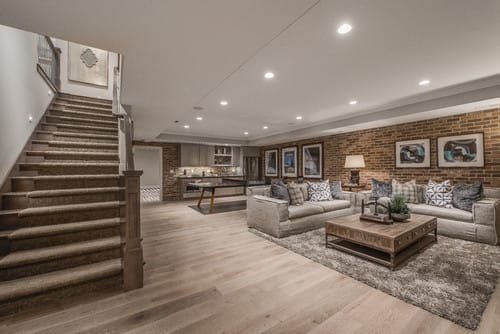
In the heart of Canadian homes, basements often linger as forgotten realms; cool, dim spaces stacked with holiday decorations and the occasional workout bench. Yet, with housing prices climbing and families craving more room without the hassle of moving, these underground areas are staging a comeback. Across provinces from Ontario’s bustling suburbs to British Columbia’s rainy coasts, homeowners are transforming basements into vibrant extensions of their living spaces. Whether it’s a cozy family media room or a productive home office, a well-planned basement renovation can add functionality, comfort, and even equity to your property. But where do you start in a country as diverse as Canada, with its varying climates and regulations? This guide dives into the essentials, drawing on the latest insights to help you navigate the process confidently.
Why Basements Matter More Than Ever in Canadian Homes
Canada’s unique geography plays a starring role in why basements deserve attention. Harsh winters demand sturdy foundations that double as natural insulators, while expansive lots in places like the Prairies make below-grade space a smart way to expand without encroaching on outdoor areas. According to recent surveys, 39% of Canadian homeowners undertake renovations primarily to boost functionality, turning underutilized spots like basements into everyday assets. This shift aligns with broader housing trends, where aging homes, many built in the post-war boom, now face the need for updates to meet modern lifestyles. Many homeowners find value in consulting custom basement renovation contractors early, as they bring localized expertise to blend trends with practical constraints.
Consider the wellness angle: post-pandemic, Canadians are prioritizing spaces that promote relaxation and health. Basements, with their inherent quiet and separation from street noise, are ideal for yoga studios, saunas, or even air-purified reading nooks. One emerging trend is the integration of biophilic design elements, like indoor plants and natural light simulations, to combat seasonal affective disorder common in northern latitudes. These aren’t just aesthetic tweaks; they’re investments in mental well-being, reflecting a 2025 emphasis on health-focused home upgrades.
Emerging Trends Shaping Basement Transformations
Staying ahead of the curve means embracing 2025’s renovation vibes, which lean heavily toward sustainability and tech-savvy solutions. Eco-conscious choices top the list, with recycled materials like reclaimed wood for flooring and low-VOC paints gaining traction among environmentally minded homeowners. In a nation committed to reducing carbon footprints. Think of British Columbia’s green building incentives. These options not only lower your environmental impact but also qualify for rebates under programs like the Canada Greener Homes Grant.
Smart home integration is another game-changer. Imagine voice-activated lighting that adjusts to your circadian rhythm or humidity sensors that prevent mold in damp Maritime basements. These features are becoming standard, with seamless wiring hidden behind false walls. Personalization reigns supreme too: modular furniture allows for flexible layouts, perfect for multigenerational households common in immigrant-heavy areas like the Greater Toronto Area.
Don’t overlook the tactile trends. Brassy hardware accents on cabinetry add a warm, luxurious touch, while multifunctional zones like a guest suite that converts to a gym; cater to hybrid work-from-home setups. These elements blend form and function, ensuring your basement feels like an extension of the home above rather than a separate entity.
Breaking Down the Costs: What to Expect in 2025
Budgeting is the cornerstone of any renovation, and basements are no exception. Nationally, finishing a basement averages between $45,000 and $95,000, depending on size, finishes, and location. In high-cost hubs like Toronto, expect $25 to $150 per square foot, pushing a 1,000-square-foot project to $25,000–$150,000. Ontario-wide figures hover around $40,000 to $100,000, influenced by labor rates and material sourcing.
What drives these numbers? Structural work like waterproofing or egress window installations can add $10,000–$20,000, essential in flood-prone regions such as Quebec’s St. Lawrence Valley. Electrical and plumbing updates for a bathroom or kitchenette might tack on another $5,000–$15,000. However, savvy planning pays off: a 2025 Houzz Canada survey revealed that 65% of renovators exceeded budgets by at least 10%, often due to unforeseen issues like outdated wiring. To mitigate this, allocate 10–15% for contingencies and prioritize high-ROI elements like open-concept layouts over luxury add-ons.
The good news? Costs rose just 0.9% in the second quarter of 2025, signaling stabilization amid easing interest rates. In Alberta, for instance, full renos range from $45,000 to $125,000, but energy-efficient upgrades can offset expenses through long-term utility savings.
Navigating Regulations: A Provincial Primer
Canada’s decentralized system means building codes vary by province, but core principles ensure safety and efficiency. Virtually all basement projects require permits, from minor electrical tweaks to full overhauls, to comply with fire safety and structural integrity standards. In Ontario, major 2025 updates effective January 1 emphasize enhanced insulation R-12 continuous or R-20 cavity for below-grade walls to combat energy loss in cold climates. These changes, outlined in the Ontario Building Code revisions, aim to align with national energy goals while keeping homes warmer and bills lower.
Toronto’s 2025 code tweaks introduce stricter egress requirements for habitable spaces, mandating windows at least 20 inches wide by 24 inches high for emergency exits. Out west, British Columbia’s codes focus on seismic resilience, requiring reinforced framing in earthquake zones. Always consult your local municipality early; a pre-consultation can flag issues like radon mitigation in the Prairies, where levels exceed safe thresholds in 7% of homes.
For a smooth process, follow a step-by-step checklist: assess structural integrity, secure permits, hire licensed pros for inspections, and schedule final walkthroughs. Skipping steps risks fines or rework, but adherence unlocks insurance discounts and resale appeal.
The Lasting Benefits of a Revamped Basement
Beyond the immediate wow factor, basement renovations deliver tangible returns. A finished space can recoup up to 75% of its cost upon selling, outpacing many other home upgrades. For every $10,000 invested, expect about $7,000 back in equity, varying by market, higher in competitive Vancouver, steadier in Calgary. Functionally, it expands livable square footage by 20–30% without new construction, ideal for growing families or rental income via legal secondary suites in provinces like Nova Scotia.
Energy efficiency shines here too: proper insulation and ventilation slash heating costs by 15–20% in winter-heavy homes. Plus, in an era of remote work, a dedicated basement office boosts productivity while preserving upstairs serenity. Environmentally, sustainable renos reduce your home’s carbon footprint, aligning with Canada’s 2050 net-zero ambitions.
Essential Tips for a Seamless Renovation Journey
Embarking on this project? Start with a thorough assessment: check for moisture issues using a hygrometer and inspect joists for cracks. Design with flexibility in mind, opt for drop ceilings that hide HVAC while allowing easy access.
Material selection is key: choose mold-resistant drywall and slip-proof vinyl plank flooring for durability in humid conditions. Lighting matters; layer ambient LEDs with task spots to banish that cave-like feel. And for plumbing, consider tankless water heaters to handle basement laundry without upstairs disruptions.Budget for professional help on complex tasks like framing or HVAC rerouting to avoid costly errors.
Finally, phase the work if funds are tight: tackle essentials like electrical first, then aesthetics. Track progress with apps for material orders and timelines, ensuring you’re on pace.
Final Thoughts: Your Basement, Reimagined
A basement renovation isn’t just about reclaiming space, it’s about crafting a home that evolves with you, resilient against Canada’s whims of weather and life. With trends favoring green, smart, and soul-nourishing designs, now’s the moment to act. The market’s gentle uptick and supportive policies make 2025 an opportune year, promising not just a prettier basement but a more valuable, versatile home. Roll up your sleeves (or call in the pros), and watch that forgotten corner become your favorite spot. What’s your vision? A cinematic retreat or a bustling play area? The potential is as deep as the space itself.