
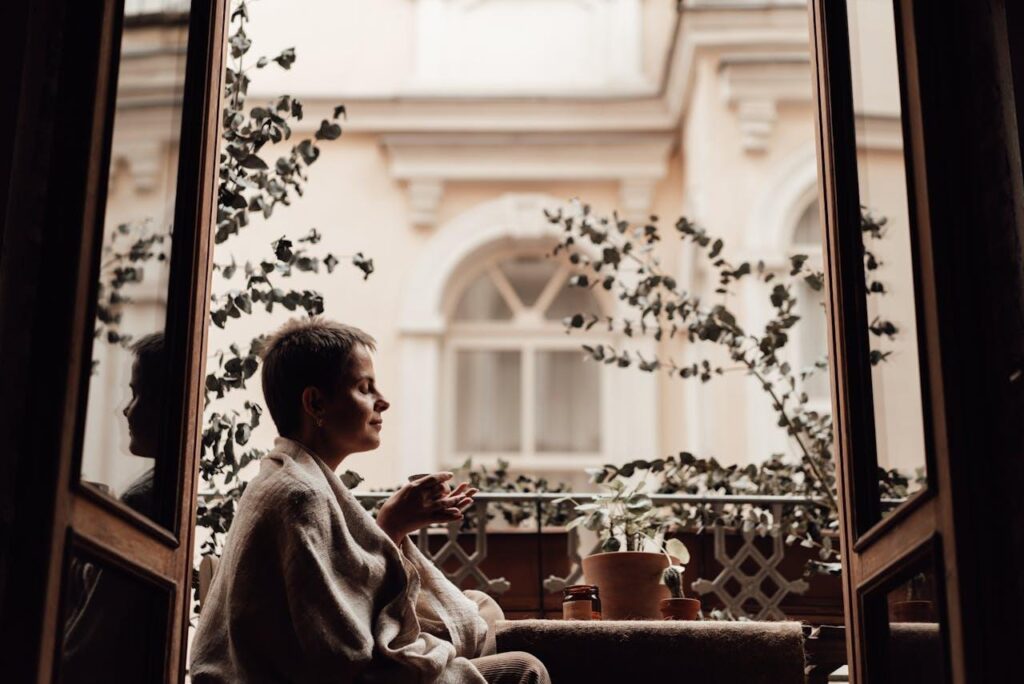
Modern life places constant demands on the body. From long hours of screen time to urban noise and crowded environments, stress often becomes a physical experience rather than just a mental one. Architecture, however, has the power to counteract this tension. Thoughtfully designed spaces can slow breathing, reduce muscle strain, and help the nervous system reset. When buildings are designed with human comfort in mind, they become tools for physical relaxation, not just shelters.
The Mind–Body Connection in Architecture
Architecture directly influences how the body feels. Ceiling height affects posture and breathing, natural light impacts circadian rhythm, and spatial flow can either ease or restrict movement. When spaces are intuitive and uncluttered, the body naturally relaxes because it does not need to remain in a state of alertness.
Design rooted in human scale—doorways, seating, and transitions that match natural movement—reduces unconscious physical stress. The body responds positively when it does not need to adapt constantly to awkward proportions or harsh materials.
Natural Light and Visual Calm
Light is one of the most powerful architectural tools for relaxation. Soft, indirect daylight reduces eye strain and supports hormonal balance. Large windows, clerestory openings, and skylights distribute light evenly and prevent sharp contrasts that tire the body.
Visual calm also plays a role. Clean lines, balanced symmetry, and views of nature help lower heart rate and muscle tension. Architecture that frames outdoor greenery or water features allows the body to experience rest even when indoors.
Material Choices That Soothe the Body
The materials we touch daily affect physical comfort more than we realize. Cold, hard, or overly reflective surfaces can subconsciously increase tension. In contrast, warm and textured materials encourage relaxation through tactile comfort.
Wood, stone, and natural fibers offer subtle sensory feedback that grounds the body. For example, selecting engineered hardwood flooring in Toronto residences has become popular because it provides warmth underfoot while maintaining durability and stability in varying climates. Materials that feel pleasant to walk on or touch reduce physical stress during everyday movement.
Temperature, Acoustics, and Physical Ease
Thermal comfort is essential for relaxation. Architecture that supports consistent temperature through insulation, shading, and airflow allows the body to maintain equilibrium without strain. Spaces that are too hot or cold force muscles to tense and energy to shift toward temperature regulation.
Sound control is equally important. Soft surfaces, curved walls, and acoustic treatments absorb noise and prevent echo. When a space is quiet or filled with gentle, controlled sound, the body no longer braces itself against sudden auditory stimulation. Wellness-oriented environments such as spa architecture, including projects inspired by Toronto Sauna Co., often demonstrate how heat, silence, and enclosure can work together to promote deep physical release.
Flow, Movement, and Spatial Rhythm
A relaxing building encourages natural movement rather than rigid circulation. Wide pathways, gradual transitions, and open connections between rooms reduce physical hesitation. When the body can move without abrupt stops or sharp turns, muscles remain loose and posture improves.
Architectural rhythm—created through repeating elements like columns, beams, or window patterns—also supports bodily relaxation. Predictable patterns help the brain and body feel safe, minimizing tension caused by uncertainty or visual overload.
Biophilic Design and the Nervous System
Biophilic design integrates natural elements into architecture to promote physical and emotional health. Plants, water features, natural ventilation, and organic shapes help regulate blood pressure and breathing.
The presence of nature-inspired design reduces cortisol levels and encourages the parasympathetic nervous system—the part responsible for rest and recovery—to activate. This is why spaces that mimic outdoor environments often feel instantly calming to the body.
Minimalism Without Sterility
Relaxation does not require empty or sterile spaces. Instead, it relies on intentional simplicity. Architecture that eliminates unnecessary clutter allows the body to rest without distraction, while still offering warmth and personality.
Built-in storage, concealed utilities, and thoughtful furniture placement all contribute to a sense of order. When the environment feels organized, the body no longer holds tension in anticipation of chaos.
Architecture has the power to shape how the body feels long before we consciously notice it. Through light, materials, acoustics, and spatial flow, buildings can become active participants in physical relaxation. By prioritizing human comfort and sensory balance, architects and homeowners alike can create spaces that support rest, recovery, and long-term well-being. When design works in harmony with the body, relaxation becomes part of everyday life rather than a rare escape.