
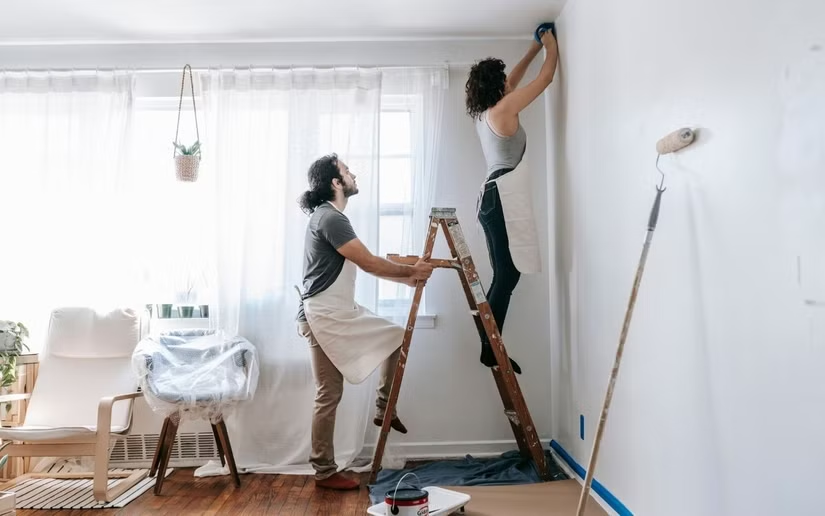
Home renovation has shifted from being purely cosmetic to deeply intentional. Homeowners today want spaces that work harder, last longer, and reflect how they actually live. Whether it is rethinking layouts, upgrading materials, or improving efficiency, the most successful home improvements are guided by purpose rather than trends alone.
This article explores how to approach renovation decisions thoughtfully, with a focus on long-term value, livability, and craftsmanship. It is written for homeowners who want to renovate once and do it right.
Understanding the Modern Homeowner Mindset
The typical renovation client today is informed, cautious, and future-focused. They are not chasing dramatic transformations for resale alone. Instead, they want homes that feel better to live in now and remain functional years down the road.
Recent data from the Harvard Joint Center for Housing Studies shows that homeowner spending on remodeling continues to prioritize essential upgrades and long-term improvements over purely decorative projects. This reflects a broader shift toward durability, efficiency, and comfort.
Renovation decisions are no longer about quick wins. They are about thoughtful investments.
Kitchens as the Heart of Functional Renovation
Among all home improvement projects, kitchen renovations continue to stand out for both lifestyle impact and value retention. The kitchen is no longer just a place to cook. It has become a gathering space, a work zone, and often the visual anchor of the home.
Homeowners exploring options such as custom kitchen renovations in Toronto are increasingly focused on layout optimization, storage efficiency, and materials that balance aesthetics with durability. Rather than selecting finishes first, they are starting with how the space needs to function day to day.
Well-designed kitchens improve flow, reduce clutter, and make daily routines smoother. These benefits are felt immediately and appreciated long after the renovation is complete.
Planning Before Demolition: The Most Overlooked Step
One of the biggest mistakes homeowners make is underestimating the importance of planning. A successful renovation begins long before any walls come down.
Effective planning includes:
- Clarifying how each space will be used
- Understanding structural limitations
- Setting a realistic budget with contingency
- Aligning design choices with long-term goals
Rushing into construction without a clear plan often leads to compromises later, whether that means budget overruns or design regrets. Homeowners who invest time upfront tend to enjoy smoother projects and better outcomes.
Choosing Materials That Stand the Test of Time
Material selection plays a critical role in renovation success. While trends can inspire ideas, durability should always guide final decisions.
For example, engineered hardwoods, quartz surfaces, and high-quality cabinetry finishes continue to outperform trend-driven alternatives when it comes to longevity. These materials maintain their appearance under daily use and reduce the need for future repairs or replacements.
According to the latest Houzz Kitchen Trends Study, homeowners increasingly prioritize durability and ease of maintenance when selecting renovation materials, particularly in kitchens and bathrooms. This aligns with a broader desire for homes that feel polished without requiring constant upkeep.
Renovation Is About Flow, Not Just Features
Adding features without considering how they interact often results in awkward spaces. True renovation success comes from improving flow.
Flow refers to how people move through and use a space. In kitchens, this means thoughtful placement of appliances, adequate clearance around work zones, and seamless transitions into adjacent rooms. In open-concept homes, it means defining zones without closing off light or movement.
When flow is prioritized, even modest renovations can dramatically improve how a home feels.
Energy Efficiency as a Core Renovation Strategy
Energy efficiency has become a central consideration in home improvement planning. Upgrading insulation, windows, and mechanical systems often delivers greater long-term value than visible cosmetic changes alone.
Energy-efficient improvements offer several advantages:
- Lower monthly utility costs
- Improved indoor comfort
- Reduced environmental impact
- Increased home resilience
Many homeowners integrate these upgrades into larger renovation projects to maximize efficiency and minimize disruption. Over time, these behind-the-scenes improvements often provide some of the strongest returns.
Customization Without Overpersonalization
Customization is one of the biggest advantages of renovating an existing home. However, there is a difference between thoughtful customization and overpersonalization.
Smart customization focuses on flexible solutions. Built-in storage, adaptable lighting, and neutral foundational finishes allow homeowners to personalize their space while maintaining broad appeal. This approach supports long-term use and protects resale value if plans change.
The goal is to create a home that reflects your lifestyle without limiting future possibilities.
Working With Professionals Who Prioritize Process
A renovation is only as good as the process behind it. Skilled professionals bring more than technical ability. They bring structure, communication, and foresight.
Homeowners benefit most from teams that emphasize:
- Transparent budgeting
- Clear timelines
- Collaborative design discussions
- Quality control at every stage
A well-managed renovation reduces stress and ensures that design intent is carried through to completion.
Renovation as a Long-Term Relationship With Your Home
Home improvement is not a one-time event. It is part of an ongoing relationship with your living space. Each renovation decision shapes how your home supports you over time.
By focusing on purpose, quality, and thoughtful design, homeowners can create spaces that evolve with them. The most successful renovations do not chase trends or shortcuts. They invest in comfort, function, and craftsmanship.
When approached with care, home renovation becomes less about changing a house and more about improving how life unfolds within it.