
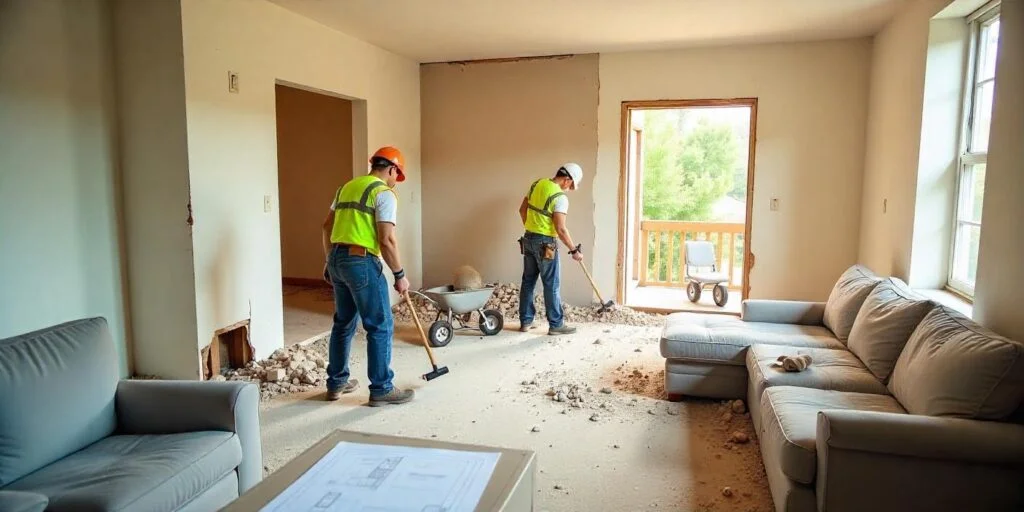
Renovating a home is rarely about following trends. For most homeowners, it is about fixing what no longer works, improving comfort, and making smarter use of space they already have. The strongest renovations are the ones that quietly improve daily life while also protecting long term value.
If you are planning a renovation or even just exploring the idea, it helps to step back and understand how successful projects are usually approached. This guide focuses on renovation decisions that balance function, durability, and design so the results feel intentional rather than rushed.
Renovation Starts With How You Live, Not What You See Online
One of the biggest mistakes homeowners make is starting with inspiration photos instead of lifestyle needs. A renovation should solve problems first and look good second. Before thinking about finishes or layouts, ask a few practical questions.
How does your household actually use the space
What activities feel cramped or inefficient
Where do traffic patterns break down
Which rooms create the most daily friction
Kitchens are a common example. Many homeowners begin with cabinet styles or countertop materials, but the real success of a kitchen renovation depends on workflow. Storage placement, prep zones, and circulation matter more than surface choices. This is why discussions around layout and planning often lead naturally into conversations about custom kitchen renovation services as a way to address individual space challenges without forcing a one size fits all solution.
The same principle applies to bathrooms, living areas, and even basements. Renovation works best when it is shaped around behavior rather than appearance alone.
Structural Improvements Come Before Surface Upgrades
Cosmetic changes are satisfying, but they should never outrun structural priorities. Strong renovations address what is behind the walls before focusing on what is visible.
Areas worth evaluating early include:
Electrical capacity and outlet placement
Plumbing condition and fixture locations
Insulation and ventilation performance
Subfloor stability and framing integrity
Updating finishes without addressing these elements often leads to regret. For example, a bathroom remodel that ignores ventilation issues may look beautiful but develop moisture problems within a year. Likewise, kitchens renovated without electrical upgrades can struggle to support modern appliances safely.
Investing in these invisible improvements protects the visible work and extends the lifespan of the renovation as a whole.
Layout Changes Deliver the Highest Functional Return
When budgets are limited, homeowners often hesitate to move walls or reconfigure layouts. However, layout changes frequently provide more long term value than high end materials.
Removing a partial wall to open sightlines
Repositioning doorways to improve flow
Reclaiming unused corners for storage
Combining underused rooms into functional zones
These changes improve how space feels and functions every day. They also adapt older homes to modern living patterns without compromising character.
Recent remodeling data shows that homeowners who invest in layout optimization tend to report higher satisfaction with renovation outcomes compared to those who focus mainly on finishes. The difference is not aesthetic, it is experiential.
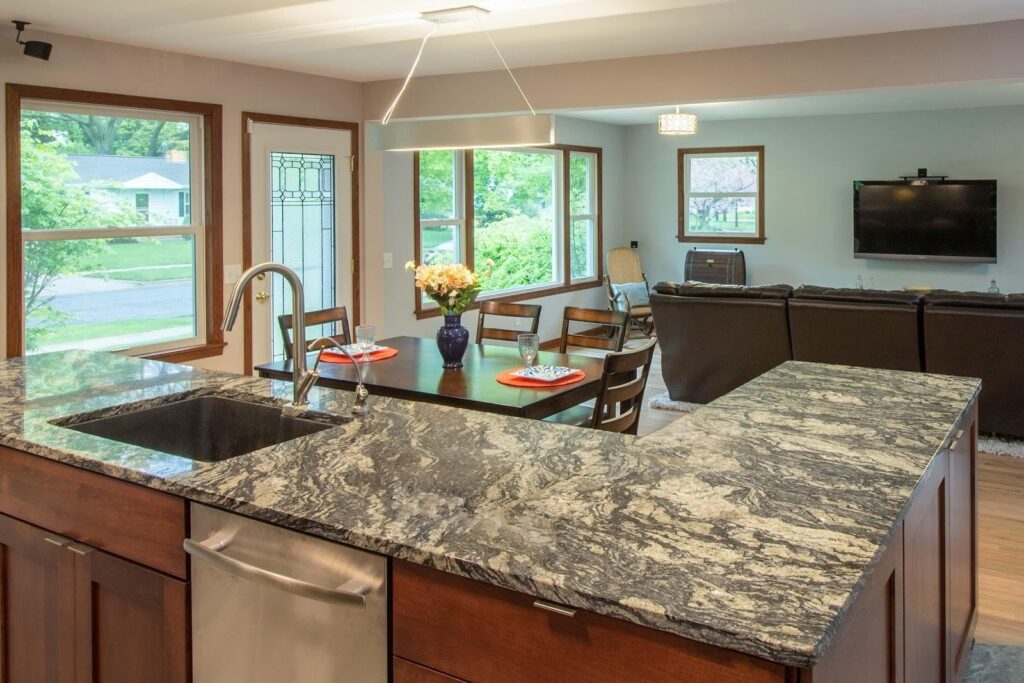
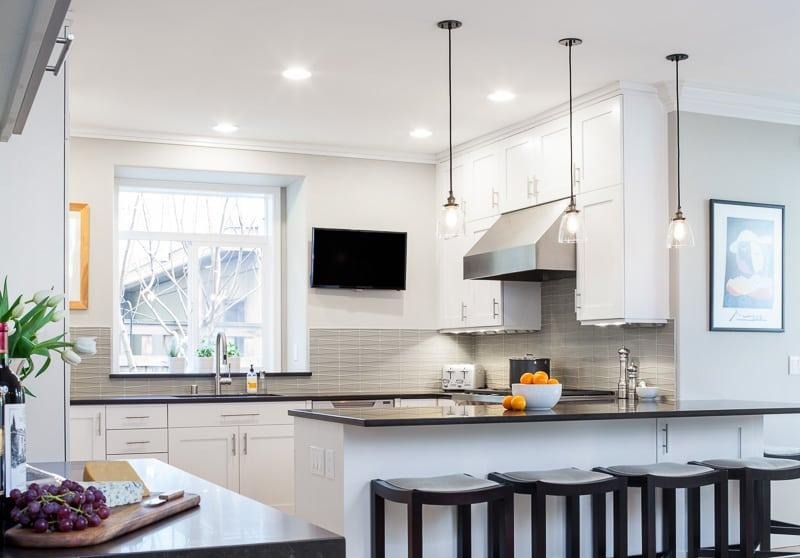
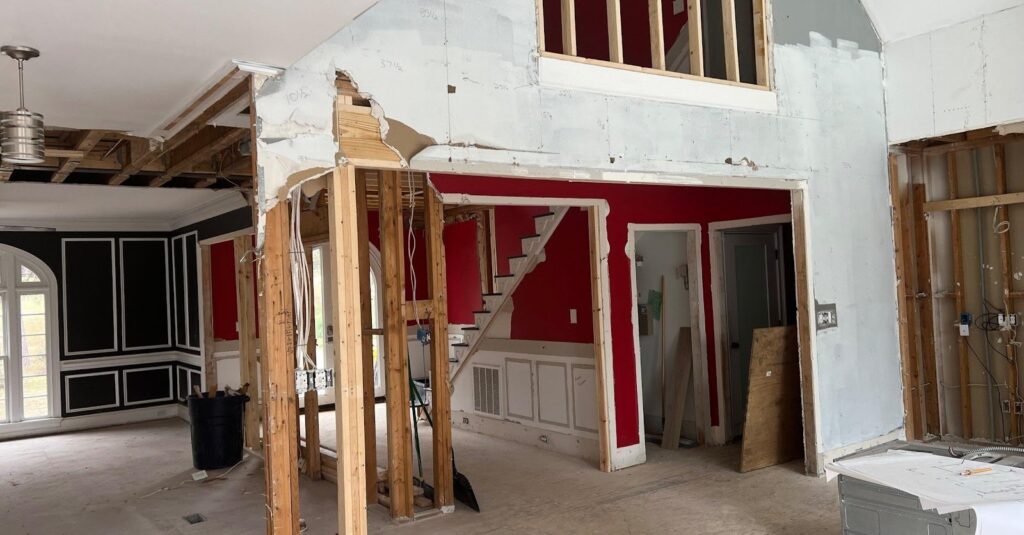
Kitchens and Bathrooms Remain Renovation Anchors
While every home is different, kitchens and bathrooms consistently anchor renovation planning. They combine mechanical systems, storage needs, and daily use in ways few other rooms do.
For kitchens, priorities usually include:
Efficient work triangles and prep areas
Adequate storage without visual clutter
Durable surfaces that handle heavy use
Lighting that supports both tasks and atmosphere
Bathrooms benefit most from:
Improved layout and circulation
Better moisture control and ventilation
Comfort upgrades like heated floors or walk in showers
Smart storage that reduces countertop clutter
According to recent remodeling statistics, kitchens and bathrooms continue to rank among the top renovation projects for both homeowner satisfaction and perceived value. This reinforces the idea that practical upgrades in these spaces deliver returns beyond aesthetics.
Materials Should Be Chosen for Longevity, Not Trends
Trends move quickly. Renovations do not. Selecting materials based on durability and maintenance requirements usually leads to better outcomes than following what is popular at the moment.
When evaluating materials, consider:
How they age under daily use
Ease of cleaning and repair
Compatibility with the rest of the home
Availability for future replacements
Neutral foundations with subtle character often age better than bold statements. Texture, proportion, and craftsmanship tend to outlast color trends and decorative details.
This approach also allows flexibility. When surfaces are timeless, smaller updates like paint or lighting can refresh a space without requiring another major renovation.
Energy Efficiency Is a Quiet Value Builder
Renovations present a unique opportunity to improve energy performance without additional disruption. These upgrades rarely dominate design conversations, but they significantly affect comfort and operating costs.
Common efficiency improvements include:
Upgraded insulation during wall or ceiling work
High performance windows and doors
Modern HVAC zoning and controls
Efficient lighting and appliance choices
Recent housing studies show that energy efficient renovations not only reduce utility expenses but also influence buyer perception when homes are eventually sold. Even if resale is not a current concern, daily comfort improvements are immediate and noticeable.
Planning Prevents Renovation Fatigue
Renovation fatigue is real. Projects that feel disorganized or constantly changing become stressful, even when the end result is positive. Clear planning reduces this strain.
Successful renovation planning usually includes:
A defined scope that limits mid project changes
Realistic timelines with buffer periods
Prioritized decision making before work begins
Contingency budgeting for surprises
Homeowners who spend more time planning typically report smoother renovation experiences. Decisions made calmly upfront reduce pressure when construction is underway.
Renovation Success Is Measured in Daily Ease
The most successful renovations do not announce themselves loudly. They are felt through smoother mornings, easier cooking, better storage, and rooms that simply work.
When evaluating renovation choices, consider how each decision affects daily routines rather than how it photographs. A well planned renovation supports life quietly and consistently, long after trends fade.
By focusing on function first, addressing structure early, and choosing materials with intention, homeowners create spaces that remain useful, comfortable, and resilient for years to come. Renovation done well is not about transformation alone. It is about refinement that makes living easier.