
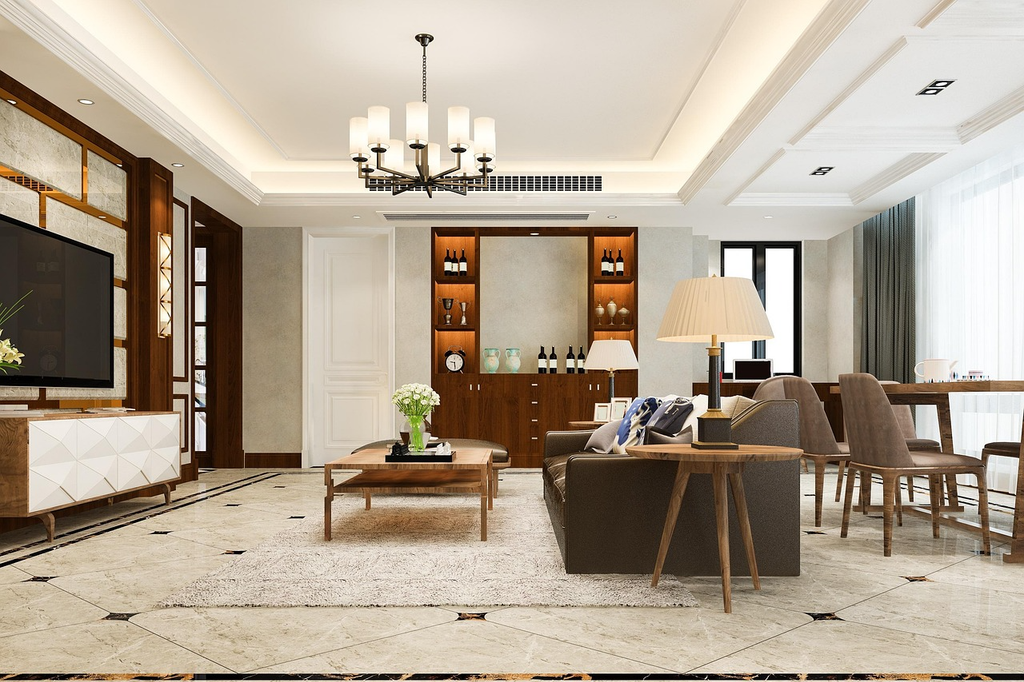
Home buyers judge a property the moment they pull into the driveway, making upfront preparation the deciding factor between a fast sale and a stagnant listing. Mastering the art of the open house means prioritizing high-ROI updates that make your property feel completely move-in ready.
How Much Does Curb Appeal Actually Matter to Buyers?
Curb appeal is the visual attractiveness of a home as seen from the street, and it sets the emotional tone for the entire showing. When the exterior looks neglected, buyers instantly discount the property, regardless of how beautifully you updated the interior.
Before a prospective buyer ever steps through the front door, they have already made snap judgments about how well you maintained the property. If they see peeling paint, overgrown shrubs, or a sagging porch, their guard goes up. They assume the inside will require just as much work. Prioritizing the exterior is a required first step for any seller aiming for top dollar. The financial return is clear: Curb appeal can account for up to 7% of a home’s sale price.
Fortunately, you do not need a complete exterior remodel to make a massive impact. Focus your time and budget on quick, high-impact fixes that signal a turnkey property. Start by pressure washing the driveway, walkways, and siding to remove years of built-up grime. Next, update outdated exterior fixtures. Replacing a rusted porch light, installing modern house numbers, and buying a new mailbox instantly modernize the facade.
A fresh coat of paint on the front door creates a welcoming focal point that draws the eye. Frame that entryway with simple, tidy landscaping. Trim back any overgrown branches that block natural light from hitting the front windows, and lay down fresh dark mulch in the garden beds. These fast updates assure buyers that they are walking into a home that has been loved and cared for.
How to Prevent Buyers From Getting Distracted by Potential Repairs
Handling deferred maintenance before opening your doors stops buyers from worrying about hidden costs. A clean inspection report and fresh cosmetic updates keep the focus firmly on how the home lives rather than what might need fixing behind the walls.
Many sellers assume they can offer a credit for worn carpets or aging water heaters, but this strategy often backfires. Busy home buyers want a seamless transition into their new property. When they tour an open house, they shouldn’t be playing amateur inspector or pulling out their phones to calculate the replacement cost of outdated flooring and leaky faucets. Every visible flaw acts as a reason to negotiate the price down or walk away entirely.
Before listing, walk through your home with an objective eye. Fix the things that annoy you on a daily basis, because they will definitely annoy a buyer. Tighten loose cabinet hardware, patch drywall dings, replace cracked tiles, and apply fresh, neutral paint to any scuffed walls. Updating worn flooring, especially in high-traffic areas, yields one of the best returns on investment because it instantly makes the entire house feel cleaner and newer.
You can take this strategy a step further by commissioning a pre-listing home inspection and reviewing the findings alongside experienced real estate agents in Seattle before setting your list price or finalizing seller disclosures. Determining which repairs will protect your net proceeds—versus minor items that buyers in King County’s competitive neighborhoods routinely overlook—requires accurate comparable market analysis, strategic staging, and a clear pre-market preparation timeline. Handing prospective buyers a documented inspection summary alongside receipts for completed work removes guesswork at the open house and keeps negotiations anchored to your home’s true market value.
Is Professional Home Staging Worth the Cost?
Professional staging is the most reliable way to increase your home’s value and secure competitive offers. Instead of looking at empty rooms, staging helps buyers immediately understand the scale of a space and imagine their own future in the listed home.
Selling a home requires a mental shift: your private sanctuary is now a product on the market. Buyers struggle to look past bulky, personalized furniture to see a room’s true potential. While an empty room might seem like a blank canvas, it actually highlights every minor scuff on the floor and makes spaces feel smaller than they are. Staging solves this problem by defining the purpose of every square foot. The data backs this up: 83% of buyers’ agents say staging makes it easier for a buyer to visualize the property as a future home.
Before a professional stager can work their magic, you must handle the essential first steps of depersonalizing and decluttering. Pack away family photos, quirky art collections, and everyday clutter. Clear off kitchen countertops so only one or two high-end appliances remain. Remove out-of-season clothing from closets to make storage spaces look twice as large. Once you remove your personal footprint, a stager can bring in neutral, modern furniture that appeals to the broadest possible audience.
If you are living in the home while it is on the market, a stager can often work with your best pieces, rearranging them to open up pathways and supplementing them with contemporary art and textiles. The goal is to create a lifestyle vignette. Buyers are not just purchasing drywall and wood; they are buying the idealized version of their future life.
The Impact of Flow and Light
Proper lighting and smart furniture placement maximize perceived space and create the turnkey feel buyers want. Pacific Northwest buyers place a high premium on homes that feel bright, modern, and seamlessly connect indoor living areas with outdoor entertaining spaces.
Natural light is a powerful selling tool, especially in regions prone to gray weather. Start by removing heavy drapes and replacing them with sheer panels or simple blinds that let the sun pour in. Clean every window inside and out until the glass is practically invisible. You can also place large mirrors opposite your main windows to bounce light deeper into the room, instantly making dark corners feel inviting.
Flow refers to how easily a person can walk through your home. If a buyer has to turn sideways to navigate past a sectional sofa, the room feels cramped. Pull furniture away from the walls to create cozy, conversational seating areas, and ensure there is a clear, unobstructed walking path from the front door all the way to the backyard. Highlighting a seamless transition from the interior to the outdoor deck or patio makes the entire property feel larger.
What Sensory Details Make the Biggest Impact During a Showing?
A memorable property tour relies on a friction-free, inviting sensory experience that makes buyers want to linger. The right combination of ambient temperature, subtle background sound, and neutral scents subconsciously influences a buyer’s emotional connection to your listed home.
When preparing for an open house, most sellers focus entirely on what the buyer will see. However, how the home feels, sounds, and smells plays a massive role in their overall impression. You want to create a calm, controlled environment that insulates the buyer from the stress of the outside world.
Start with the ambient temperature. The house should provide immediate relief from the weather outside. If it is a hot summer day, turn the air conditioning down to a crisp 68 degrees. In the winter, keep the home a cozy 72 degrees and consider turning on the gas fireplace to create a warm focal point.
Next, address the home’s scent. The golden rule of real estate is that a home should smell like nothing at all. Avoid overpowering air fresheners, heavily scented candles, or the old cliché of baking cookies during a showing. These strong smells immediately make buyers suspicious that you are trying to mask something worse, like pet odors or mildew. Instead, aim for a neutral, deep-cleaned scent. Wash all soft surfaces, empty every trash can, and open the windows for an hour before the showing to let fresh air circulate.
Finally, eliminate awkward silence. Playing soft, unobtrusive background music—like instrumental jazz or low-fi acoustic tracks—covers up minor street noise and makes the home feel alive. Turn on every single light in the house, including closet lights and oven hood lights, to eliminate shadows. When a buyer walks into a bright, fresh-smelling, climate-controlled home with soft music playing, they instantly feel relaxed and ready to buy.
Conclusion
A successful open house requires proactive preparation, from high-impact staging to upfront pre-inspections. By addressing curb appeal, handling minor repairs, and creating a flawless sensory experience, you remove the common obstacles that cause buyers to hesitate. Instead of worrying about hidden costs, they can focus entirely on the lifestyle your property offers.
Real estate is FUN when it’s done right. You do not have to navigate the stress of home preparation alone. Reach out to our expert team today to strategically plan your pre-listing updates, and let us help you maximize your home’s return on investment.