
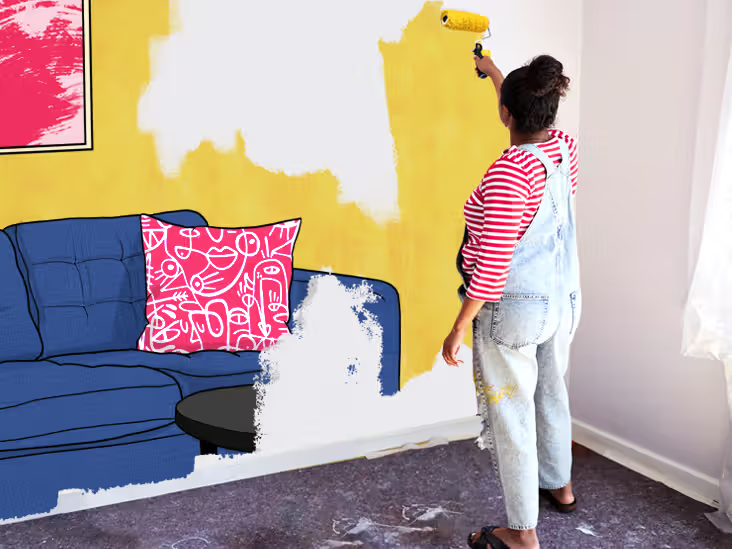
A fresh coat of paint is one of the few home improvements that can change how a space feels in a single weekend. But the difference between “looks great for a month” and “still looks great years later” almost always comes down to what happens before the first dip of the roller.
If you have ever painted and ended up with peeling at the baseboards, flashing on the walls, or mysterious stains coming back through, you are not alone. The good news is that most of these problems are predictable, and preventable, with a methodical approach.
If you are looking for practical guidance from a Trusted Painting Company in Toronto without turning this into an ad, you are in the right place. Let’s walk through the steps and decisions that make paint look smooth, wear evenly, and stay that way.
Start with a five minute “wall check”
Before buying paint, take a slow lap around the room with bright light (your phone flashlight works). You are looking for issues paint will not hide:
- Shiny patches: Often old repairs, grease, or areas cleaned aggressively. These can cause uneven sheen.
- Hairline cracks: Common around doors, corners, and ceiling lines. They telegraph through paint unless filled.
- Nail pops and dents: Even small ones become more obvious after repainting.
- Stains: Water marks, smoke, cooking oils, and kid art all need the right primer.
- Chalky or dusty paint: Rub the wall with your hand. If you get a powdery residue, paint may not bond well without proper prep.
This is the moment to decide whether you need a simple repaint or a small repair project first.
Prep that saves you from repainting
Most paint failures are prep failures. Here is what matters most.
Clean where hands and air have been
Walls near light switches, kitchens, stair rails, and hallways collect oils and grime. Paint does not stick well to grease, even if the wall looks clean. Use a gentle degreaser or a mild soap solution and rinse with clean water. Let it dry fully.
A practical rule: if you would not tape to it confidently, do not paint over it.
Sand to remove texture problems, not to punish yourself
You do not need to sand every wall to bare drywall. You do need to sand:
- Glossy areas so the surface becomes lightly dull
- Rough patches from old drips or heavy roller texture
- Raised edges around repairs so the wall feels flat to the touch
Use fine grit sandpaper and focus on feathering edges. Wipe the dust off with a damp cloth or microfiber.
Patch, then spot prime
Spackle and joint compound absorb paint differently than surrounding walls. If you paint directly over patches, you often get “flashing,” where repairs show as duller or shinier spots from certain angles.
After patching and sanding, spot prime repairs before the final coat. It is a small step that makes a big visual difference.
Primer is not optional when stains or bonding issues exist
Primer is not about spending more. It is about controlling what the finish coat can do.
Use primer when you have:
- Water stains: You need a stain blocking primer, not just extra paint.
- Smoke or heavy cooking residue: These can bleed through, even after cleaning.
- Raw drywall or large patches: For uniform sheen.
- Very glossy old paint: A bonding primer helps the new paint grip.
- Colour changes with big contrast: Primer can reduce the number of finish coats.
One helpful mindset: paint is for beauty, primer is for behaviour.
Choose the right sheen for how the room is used
Sheen affects durability and how visible wall imperfections become.
- Flat or matte: Best for hiding imperfections and giving a soft look. Not ideal for heavy scrubbing.
- Eggshell: A favourite for living rooms and bedrooms because it balances washability and a forgiving finish.
- Satin: Great for busy hallways, kids’ rooms, and areas that get touched often.
- Semi gloss: Common for trim and doors because it handles cleaning and highlights detail.
If your walls are not perfectly smooth, going too shiny will make every bump and patch more noticeable, especially with side lighting from windows.
Colour looks different once it is on the wall
Paint chips are a starting point, not a verdict. The same colour can look warmer or cooler depending on exposure, flooring, and even nearby buildings.
Two useful techniques:
- Sample large: A small swatch can mislead. Paint a bigger sample area or use sample boards you can move around.
- Check at different times: Morning, afternoon, and evening light can change the feel dramatically.
Also consider how colour transitions from room to room. A home feels more intentional when undertones work together, even if each room has its own personality.
Tools and technique that make a pro level finish
You can buy premium paint and still end up with streaks if the application is rushed.
Roller nap matters
- Smooth walls: shorter nap
- Light texture: medium nap
- Heavier texture: longer nap
Using the wrong nap is a quick path to splatter or an uneven finish.
Cut in like you mean it
Cutting in is painting a clean border along ceilings, trim, and corners before rolling. The best results come from:
- A quality angled brush
- Not overloading the brush
- Keeping a wet edge so brushed areas blend into rolled areas
Work in sections
Paint a wall in manageable vertical sections and keep the edge wet. Many lap marks come from letting one area dry before you roll into it again.
Drying is fast, curing is slow
Paint may feel dry to the touch relatively quickly, but it takes longer to fully harden. This is why fresh paint can scuff easily or feel tacky when you put furniture back too soon.
Practical tips:
- Avoid heavy washing early on. Use gentle cleaning at first.
- Be careful with painter’s tape removal. Pull it back slowly at an angle.
- Ventilate well and maintain steady indoor conditions for the best finish.
If you live in a climate with big seasonal swings like Southern Ontario, indoor humidity and temperature changes can affect how paint levels and cures. Comfort for you is usually comfort for paint, too.
Small details that make the room feel “done”
These finishing moves often separate an okay repaint from a transformation:
- Straight caulk lines where trim meets the wall, especially in older homes with settling gaps
- Crisp trim paint on baseboards and door casings
- Even coverage behind doors and near edges where rollers sometimes miss
- Consistent sheen across walls by using the same product and method throughout
Take a step back between coats and inspect in angled light. It is easier to fix a missed spot now than after everything is put back.
Maintenance that keeps paint looking fresh
A few habits can extend the life of your paint job:
- Use felt pads on furniture that touches painted surfaces
- Clean fingerprints with a damp microfiber, not abrasive sponges
- Deal with moisture quickly in bathrooms and kitchens, using exhaust fans
- Touch up with the same paint batch and sheen when possible, because sheen shifts can show
If you keep a small labelled jar of the original paint, future touch ups are far less stressful.
When it is worth calling in help
DIY painting is absolutely doable. But there are times when professional experience saves money and frustration:
- Repeated peeling or bubbling that suggests moisture or adhesion problems
- Extensive cracks, failing drywall tape, or older plaster repairs
- Stain issues that keep returning through paint
- High ceilings, stairwells, or hard to access areas where safety and clean lines get tricky
Even if you do most of the work yourself, getting advice on products and prep for your specific walls can prevent the common redo cycle.
A great paint job is not magic. It is a series of small, correct decisions. Clean, repair, prime where needed, choose sheen thoughtfully, and apply with patience. Do that, and the room will not just look fresh on day one, it will stay calm and clean looking long after the furniture is back in place.