
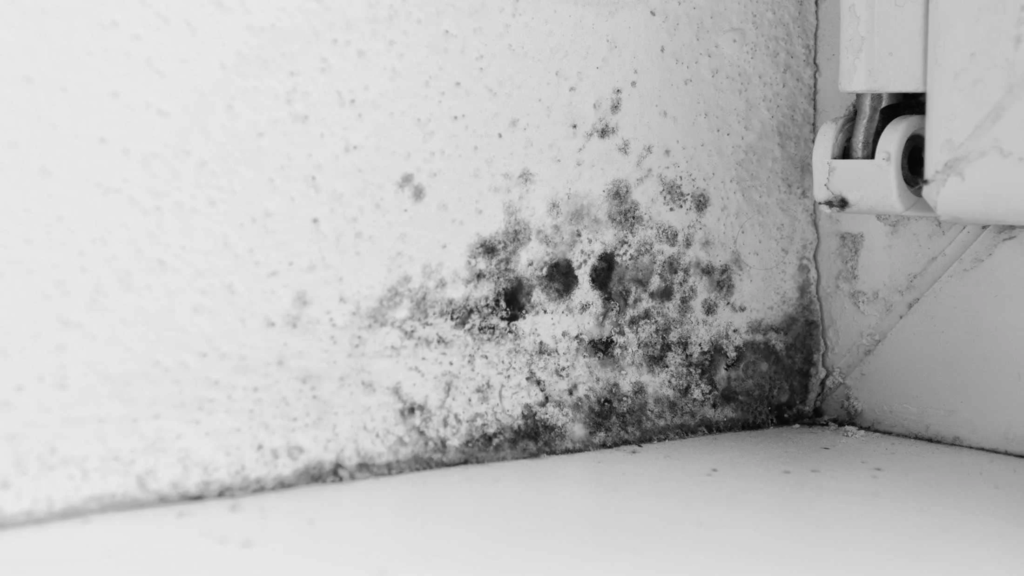
Mold is a common problem in many homes, especially in areas with moisture and poor airflow. It often starts small but can spread quickly if not addressed early. Knowing the causes of mold in a house is the first step toward preventing serious damage and health issues.
Many homeowners do not realize mold is growing until it becomes visible to the eye or causes a strong odor. By the time mold is noticed, it may already be affecting walls, floors, or furniture. Learning how mold develops helps you stop it before it becomes a bigger problem.
Why Does Mold Grow in Houses?
Mold is a type of fungus that grows in damp and humid environments. It spreads through tiny spores that float in the air and settle on wet surfaces. Once mold finds moisture, it begins to grow and multiply.
Homes provide many conditions that mold needs to survive. Warm temperatures, organic materials, and moisture create the perfect environment for growth. Common materials like drywall, wood, and carpet make mold easy to spread indoors.
Common Causes of Mold in a House
Mold growth is almost always linked to excess moisture inside the home. This moisture can come from leaks, humidity, or poor ventilation. Identifying the source of moisture is essential to stopping mold at its root.
Some homes experience mold problems more often due to design or location. Older houses and homes in humid climates are especially at risk. Without proper maintenance, mold can return even after cleaning.
High Humidity Levels
High indoor humidity is one of the most common causes of mold in a house. When moisture stays in the air, it settles on surfaces like walls and ceilings. Bathrooms, kitchens, and basements are especially vulnerable.
Everyday activities can raise humidity levels indoors. Showering, cooking, and drying clothes indoors all add moisture to the air. Without proper ventilation, this moisture allows mold to grow.
Water Leaks and Plumbing Problems
Leaking pipes are a major source of hidden moisture in homes. Even small drips can soak walls, floors, or cabinets over time. Mold often grows unnoticed behind walls where leaks occur.
Roof leaks can also cause mold problems. Water may enter during rain and collect in ceilings or insulation. If leaks are not repaired quickly, mold can spread across large areas.
Poor Ventilation
Poor airflow traps moisture inside the home. Without ventilation, damp air has nowhere to escape. This creates ideal conditions for mold growth.
Bathrooms and laundry rooms often lack enough ventilation. Steam from showers and washing machines raises moisture levels quickly. Exhaust fans help remove moisture before mold can form.
Flooding or Water Damage
Flooding introduces large amounts of water into a home in a short time. Carpets, drywall, and furniture absorb water quickly. If these materials are not dried fast, mold can begin growing within days.
Water damage from burst pipes or storms can be just as harmful. Even clean water can lead to mold if it remains too long. Quick cleanup and drying are critical after any water event.
Condensation on Windows and Walls
Condensation forms when warm air meets cold surfaces. Water droplets collect on windows, walls, and pipes. This moisture can lead to mold growth over time.
Condensation is common during colder months. Poor insulation and temperature differences increase the problem. Regularly wiping condensation helps reduce mold risk.
Early Signs of Mold in Your Home
Mold does not always appear right away. Often, the first sign is a musty or earthy smell. This odor usually means mold is growing somewhere hidden.
Visible spots may appear on walls, ceilings, or floors. Mold can be black, green, white, or gray in color. Peeling paint or warped surfaces can also signal moisture problems.
Health Risks Caused by Mold Exposure
Mold exposure can affect indoor air quality. Breathing in mold spores may cause coughing, sneezing, or throat irritation. People with allergies often notice symptoms first.
Long-term exposure can lead to more serious health issues. Mold may worsen asthma or trigger respiratory infections. Children, seniors, and people with weakened immune systems are most at risk.
How to Prevent Mold in a House
Preventing mold starts with controlling moisture. Keeping your home dry and well-ventilated reduces mold growth. Regular maintenance plays a key role in prevention.
Simple habits can make a big difference. Addressing small issues early prevents larger problems later. Mold prevention is easier and cheaper than mold removal.
Control Indoor Humidity
Keeping humidity levels between 30 and 50 percent helps prevent mold. A hygrometer can measure indoor humidity accurately. Dehumidifiers are useful in damp areas like basements.
Air conditioners also help remove moisture from the air. Running them during humid weather reduces indoor dampness. Consistent humidity control limits mold growth.
Fix Leaks Immediately
Leaks should be repaired as soon as they are discovered. Delaying repairs allows moisture to spread and soak materials. Even minor leaks can lead to mold problems.
Regularly inspect plumbing, roofs, and appliances. Look for water stains, damp smells, or peeling paint. Early detection saves time and money.
Improve Ventilation
Good airflow helps moisture escape from your home. Use exhaust fans in bathrooms, kitchens, and laundry rooms. Run fans during and after moisture-producing activities.
Opening windows also improves airflow when weather allows. Fresh air helps dry damp spaces naturally. Proper ventilation keeps surfaces dry and mold-free.
Clean and Dry Wet Areas Quickly
Wet surfaces should be dried within 24 to 48 hours. Mold can begin growing after this time frame. Fast action is critical after spills or leaks.
Use fans, towels, and dehumidifiers to dry affected areas. Remove wet carpets or rugs if needed. Quick drying prevents mold from taking hold.
Maintain Gutters and Drainage
Clogged gutters can cause water to pool near the home. This water may seep into walls or foundations. Proper drainage directs water away from the house.
Clean gutters regularly to prevent overflow. Ensure downspouts point away from the foundation. Good drainage reduces moisture problems indoors.
Can You Remove Mold Yourself or Should You Call a Professional?
Small mold areas can sometimes be cleaned safely. Non-porous surfaces like tile or glass are easier to clean. Protective gloves and masks should always be used.
Large mold problems or hidden mold should always be handled by professionals, such as licensed mold remediation services in New York. Mold inside walls, ceilings, or HVAC systems can spread quickly and is unsafe to remove without proper training. Professionals use advanced equipment to locate hidden mold, remove it safely, and help prevent future growth.
When Mold Prevention Is Not Enough
Some mold problems are not visible to homeowners. Hidden moisture inside walls or under floors may continue feeding mold. In these cases, professional inspections are necessary.
If mold keeps returning, the source of moisture may still exist. Structural issues or ongoing leaks must be addressed. Long-term solutions protect both health and property.
Conclusion
Mold in a house is caused by moisture, humidity, and poor ventilation. Understanding these causes helps homeowners take preventive action early. Simple steps can greatly reduce mold risk.
Preventing mold protects your health and your home’s value. Quick repairs, proper airflow, and moisture control are key. Acting early ensures a safer and healthier living space.