
Ever notice how a surface can look perfectly fine at first, then slowly start bothering you for reasons you can’t quite name? Not a disaster, just a quiet regret that shows up every time you pass by. Natural stone has a habit of doing that. It blends into a home, then over time reveals whether the choice was thought through or rushed. Stone may age well for decades, or it can start to feel worn out in a few years. The difference is rarely in style. It’s usually expectations that were never discussed.
Stone Is Not as Consistent as It Looks
Natural stone often gets treated like tile or concrete, mostly because it’s sold neatly and cut clean. That assumption causes problems. Stone isn’t uniform. It carries veins, soft spots, and internal stress that don’t always show up on a sample board. Two pieces from the same quarry can age in completely different ways once they’re exposed to sun, moisture, foot traffic, and everyday cleaning. Polished stone can wear into visible paths. Rough finishes hide wear but hold dirt. Many issues blamed on stone are really installation shortcuts. When the base shifts, stone answers back, usually with cracks.
Regional Stone and What It Teaches You Early On
Before getting into specific materials, it helps to look at how stone performs where it’s already been used. Regional stone often tells a clearer story than imported options because it has already survived similar weather and soil conditions.
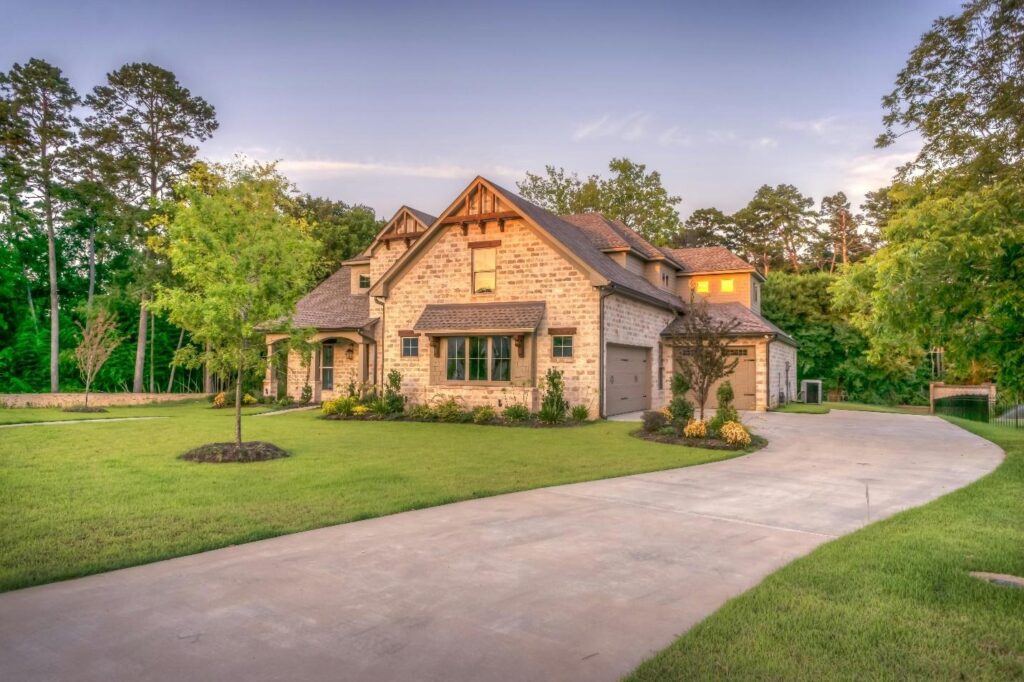
Limestone projects are a good example of this. When you see the same stone used across patios, walkways, and home exteriors in a region, patterns start to emerge. You can see how edges wear, how color softens, how joints hold up over time. These are details that samples never reveal. Many homeowners are opting for gray Lueders stone because it ages slowly and predictably. The color stays calm, the wear feels gradual, and repairs don’t stand out years later. That kind of quiet consistency matters once daily life takes over.
Color and Density Are Practical Choices, Not Style Ones
Color feels like a design decision, but it’s also a maintenance decision. Light-colored stone shows stains sooner, especially in kitchens, entryways, and areas near the garage where oil and dirt tend to travel. Darker stone hides stains better, but it absorbs more heat and can fade unevenly in strong sun.
Density plays an even bigger role, though it’s harder to spot. Denser stone resists moisture and wear better, but it’s heavier, harder to cut, and usually more expensive to install. Softer stone feels warmer and more natural to some people, yet it often needs sealing more often and shows wear sooner.
None of this means one option is better. It means each option asks something different from the homeowner. The mistake is assuming all stone behaves the same just because it looks similar at first glance.
Matching Stone to Real Life, Not Ideal Life
This is where many projects go sideways. People choose stone based on how they hope to live, not how they actually live. A household that cooks daily, has pets, or uses the garage as a working space will stress stone differently than a quieter home.
Outdoor stone has its own reality. Freeze-thaw cycles, standing water, and uneven soil don’t care how expensive the material was. A stone that works beautifully on a covered patio may fail along a driveway edge or walkway. These failures are rarely dramatic. They show up as slow changes that make the surface feel worn out too soon.
Stone doesn’t respond to intentions. It responds to friction, moisture, and weight. Being honest about daily habits usually leads to better choices than chasing durability myths.
Installation Details That Don’t Feel Important Until Later
Most homeowners focus on the stone itself. Installers worry about the details that never make it into design conversations. Joint spacing, drainage paths, and expansion gaps decide how forgiving the finished surface will be.
Stone expands and contracts with temperature changes, even indoors. When it’s locked in too tightly, cracks find their own way out. Good installers plan for movement. Poor ones assume the stone will behave.
Sealing is another area where expectations drift. Sealers slow absorption. They don’t stop it forever. In kitchens or near garage-adjacent areas, resealing is part of ownership, not a failure. Knowing that upfront prevents frustration later.
Living With Stone Over Time
Stone never really stays the same, even when it looks like it should. Edges dull a bit, corners pick up tiny marks, color shifts just enough that you notice one day and can’t remember when it happened. That’s normal. Problems usually start when that slow change is ignored or scrubbed away too aggressively. Strong cleaners, skipped maintenance, and “we’ll fix it later” thinking tend to do more damage than time itself.
Homeowners who stay comfortable with stone usually make peace with its limits early on. They aren’t looking for perfection. They want something that behaves honestly. When stone is chosen with a clear sense of how it wears, it stops feeling like a fight and starts feeling like part of the house.