
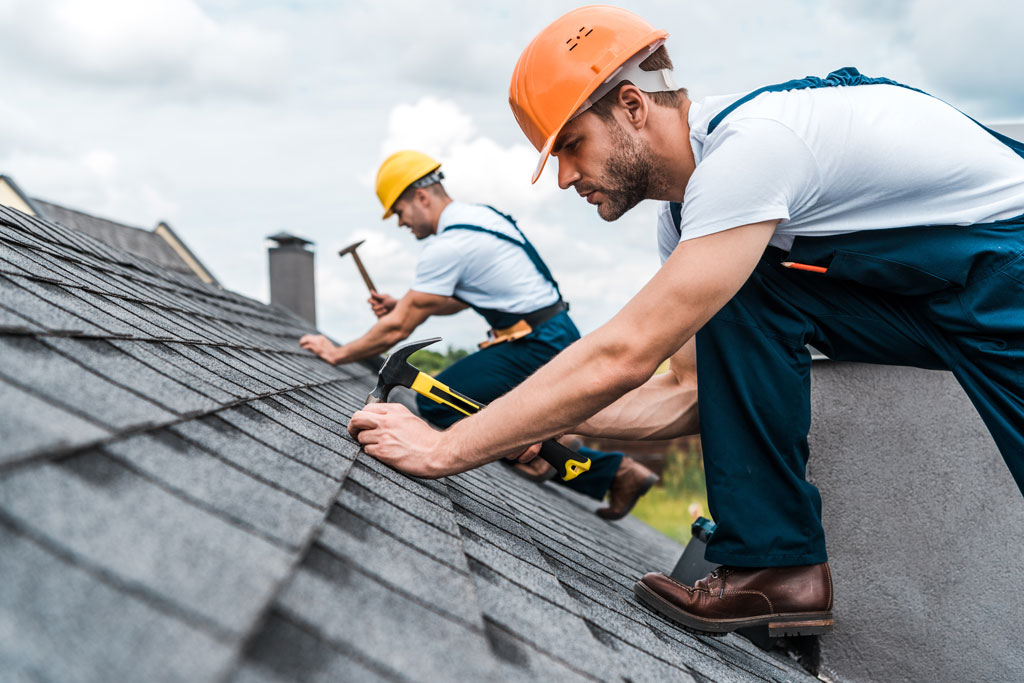
A roof repair inspection is a crucial step in maintaining the safety, performance, and longevity of your home. While some roofing problems are visible from the ground, many issues develop out of sight and can worsen if left unchecked. Professional roofers are trained to spot both evident and hidden signs of damage, ensuring that repairs are effective and long-lasting. Understanding what experts look for during an inspection can help homeowners appreciate the value of professional roofing services and act early to prevent costly repairs.
Overall Roof Condition
The first thing professional roofers assess is the general condition of the roof. This includes examining the roof’s structure, shape, and surface for visible signs of wear or deterioration. Sagging areas, uneven lines, or dips in the roof may indicate underlying structural issues that require immediate attention.
Roofers also look for signs of ageing, such as brittle materials, discolouration, or widespread surface damage. These indicators help determine whether a simple roof repair will suffice or if the roof may be approaching the end of its lifespan.
Damaged or Missing Roofing Materials
One of the most common issues roofers look for is damaged or missing roofing materials. This may include cracked, curled, or broken tiles or shingles, as well as loose sections that could be lifted by wind or heavy rain.
Even small areas of damage can allow water to penetrate the roof, leading to leaks and internal damage. During an inspection, professional roofers carefully check high-risk areas, including ridges, edges, and valleys, where damage is more likely to occur.
Signs of Water Ingress and Leaks
Water damage is a primary concern during any roof replacement inspection. Roofers look for stains, damp patches, mould, or rot on roofing materials and within the roof structure. These signs often point to ongoing leaks that may not be visible from inside the home.
Inspectors also check around chimneys, skylights, vents, and other roof penetrations, as these areas are particularly vulnerable to leaks. Identifying the source of water ingress is essential to ensure repairs address the root cause rather than just the symptoms.
Condition of Flashing and Seals
Flashing plays a vital role in directing water away from vulnerable parts of the roof. Professional roofers inspect flashing around chimneys, dormers, roof edges, and junctions to ensure it is securely fitted and free from cracks, corrosion, or gaps.
Damaged or poorly installed flashing is one of the leading causes of roof leaks. Roofers also assess sealants and adhesives to ensure they remain flexible and intact, especially in areas exposed to extreme weather conditions.
Gutters, Fascias, and Drainage
Adequate drainage is essential for roof performance. During an inspection, roofers examine gutters, downpipes, fascias, and soffits to ensure water is being directed safely away from the property.
Blocked or damaged gutters can cause water to overflow and seep into the roof or walls, leading to structural damage. Roofers look for signs of debris buildup, sagging gutters, or water staining, all of which can signal drainage problems.
Roof Structure and Underlay
Beyond the surface, professional roofers assess the condition of the roof structure and underlay where accessible. This includes checking for signs of rot, weakened timber, or pest damage within the roof space.
The underlay provides an extra layer of protection against moisture. If it has deteriorated or been compromised, roofers may recommend targeted repairs or further investigation to prevent future leaks.
Ventilation and Insulation
Proper ventilation and insulation are often overlooked but play a significant role in roof health. Poor ventilation can lead to condensation buildup, which causes mould growth and timber decay over time.
Roofers inspect ventilation systems to ensure air is flowing correctly through the roof space. They may also assess insulation levels, as damaged or poorly fitted insulation can affect energy efficiency and contribute to moisture problems.
Providing Expert Recommendations
Once the inspection is complete, professional roofers provide transparent and honest recommendations. This may include immediate roof repair, preventative maintenance, or advice on whether a future roof replacement should be planned.
A thorough inspection ensures that all issues are identified early, helping homeowners make informed decisions that protect their property and avoid unnecessary expenses.
Regular roof inspections by professional roofers are an essential part of responsible home maintenance. By understanding what experts look for during a roof repair inspection, homeowners can better appreciate the importance of early intervention and professional care, ensuring their roof remains safe, secure, and weather-resistant for years to come.