
A beautiful home should also be a functional one. While homeowners often focus on color palettes, textures, and furniture styles when planning their living spaces, the practical side of design deserves equal attention. How a home is laid out, what materials line its surfaces, and how storage is organized all affect more than convenience. These choices influence how easily dirt and moisture accumulate, and whether a home unintentionally creates comfortable conditions for pests to move in.
Good design has always been about balance. A well-planned kitchen should look inviting while also being simple to wipe down after a busy dinner. A closet should feel organized and visually calming while giving every item a defined place. When design accounts for both beauty and maintenance, the result is a home that stays cleaner with less effort and offers fewer opportunities for ants, roaches, rodents, and other unwanted visitors to settle in.
Choosing Surfaces That Discourage Buildup
Surface material has a direct impact on how easily a home stays clean. Textured grout lines, porous countertops, and cabinetry with heavy detailing can trap crumbs, grease, and moisture in places that are difficult to reach with a simple wipe-down. Nonporous quartz or sealed granite countertops, for example, resist staining and do not allow bacteria or food residue to settle into microscopic cracks the way some natural stones can.
Flooring choices matter just as much. Large-format tile with minimal grout lines, sealed hardwood, or luxury vinyl plank all reduce the number of seams where debris can collect. In kitchens and bathrooms, backsplashes that run in continuous sheets rather than small mosaic tiles cut down on grout maintenance significantly. Cabinetry with flat-panel doors and integrated hardware is also easier to clean than ornately carved designs, since dust and grease have fewer places to hide.
These material decisions are not just about aesthetics. Anyone researching Roswell pest control quickly learns that crumbs and residue left in hard-to-reach spots are a primary attractant for kitchen pests. Choosing surfaces that are simple to clean thoroughly, rather than just wiped on the visible top layer, removes one of the most common invitations pests respond to.
Designing Storage That Supports Regular Cleaning
Cluttered spaces are notoriously difficult to clean and inspect. When pantries, closets, and utility rooms are overstuffed or disorganized, it becomes easy for spills to go unnoticed and for boxes to sit untouched for months. Thoughtful storage design changes this dynamic by giving every item a visible, accessible place.
Some practical storage strategies include:
- Installing pull-out pantry shelves so items in the back are just as visible as those in front
- Using clear, sealed containers for dry goods instead of leaving bags or boxes open
- Elevating storage bins off the floor in utility rooms and garages
- Designing closets with slatted or ventilated shelving rather than solid, enclosed cabinetry
- Keeping under-sink storage minimal and easy to access for regular checks
This kind of organization does more than look tidy. It supports a cleaning routine that reaches every corner, and it makes it far easier to notice early signs of pest activity, such as droppings, shed skins, or gnaw marks, before a problem grows. When professionals discuss pest control with homeowners, cluttered storage is consistently cited as one of the conditions that allows minor pest sightings to turn into larger infestations unnoticed.
Managing Moisture Through Ventilation and Finishes
Moisture is one of the most significant factors drawing pests indoors, particularly cockroaches, silverfish, and certain rodents that seek out damp environments. Bathrooms and kitchens generate the most household humidity, which makes proper ventilation a design priority rather than an afterthought. Exhaust fans rated for the room’s square footage, along with windows that allow airflow, help reduce condensation on walls, cabinets, and flooring.
Plumbing design also plays a role. Fixtures that are easy to access for repairs mean leaks get addressed quickly rather than lingering behind walls or under cabinets. Moisture-resistant finishes, such as water-tolerant paint in bathrooms or sealed cabinet interiors beneath sinks, add another layer of protection. The area beneath kitchen and bathroom sinks deserves particular attention in the design phase, since this tight, often dark space is a common site for both hidden leaks and pest activity when access is difficult.
According to pest management research from university extension programs, moisture control is consistently ranked among the most effective non-chemical methods for reducing indoor pest pressure. Designing homes with this principle in mind, rather than treating it purely as a maintenance issue, gives homeowners a real head start.
Placing Furniture and Cabinetry for Easy Access
Furniture placement affects far more than the visual flow of a room. Pieces pushed tightly against walls or clustered in corners create dead zones that rarely get cleaned and are difficult to inspect. Leaving a few inches of clearance behind large furniture, using furniture with visible legs rather than solid bases that touch the floor, and avoiding excessive stacking of storage bins all make routine cleaning more thorough.
In kitchens, cabinetry that includes toe-kick drawers or accessible corner units reduces the number of enclosed, rarely disturbed spaces. Appliances such as refrigerators and stoves benefit from being installed with enough clearance to slide out for cleaning behind them every few months. This single habit, made possible by smart initial placement, is one of the simplest ways to catch early pest indicators before they become established.
Sealing the Exterior Envelope
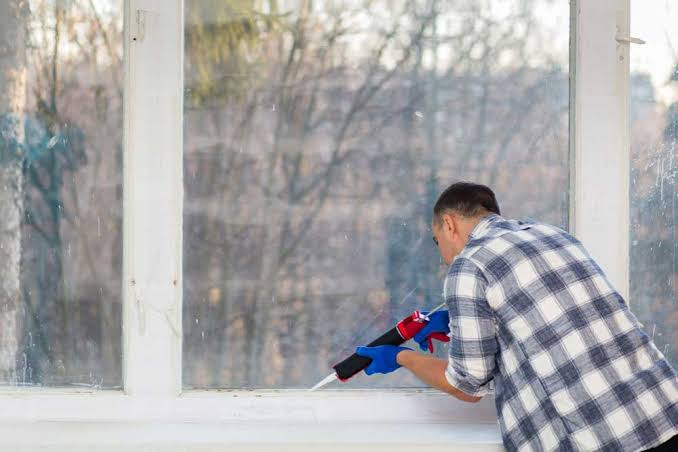
Interior design choices matter, but they work best alongside a well-sealed exterior. Gaps around doors and windows, torn window screens, and missing weatherstripping all give pests direct entry points into a home. Utility penetrations, where pipes, cables, or vents pass through exterior walls, are another common overlooked gap. Sealing these areas with appropriate caulk or expanding foam, and maintaining door sweeps, keeps both pests and outside air where they belong.
These details also improve energy efficiency, making exterior sealing a rare case where aesthetics, comfort, and pest prevention align closely with a home’s overall performance.
Final Analysis
Thoughtful design choices can meaningfully reduce the conditions that attract pests, from easy-to-clean surfaces and organized storage to proper ventilation and sealed entry points. These strategies work best as an ongoing practice paired with regular cleaning, not a one-time fix. However, even the most well-designed and well-maintained home cannot always prevent an established infestation once pests have already gained a foothold. Recurring sightings, unexplained damage, or signs of nesting are indications that a more targeted, professional evaluation is needed to fully resolve the issue. Good design lowers risk significantly, but it works best as one part of a broader, ongoing approach to a pest-resistant home. Read More at https://mintpaldecor.org/