
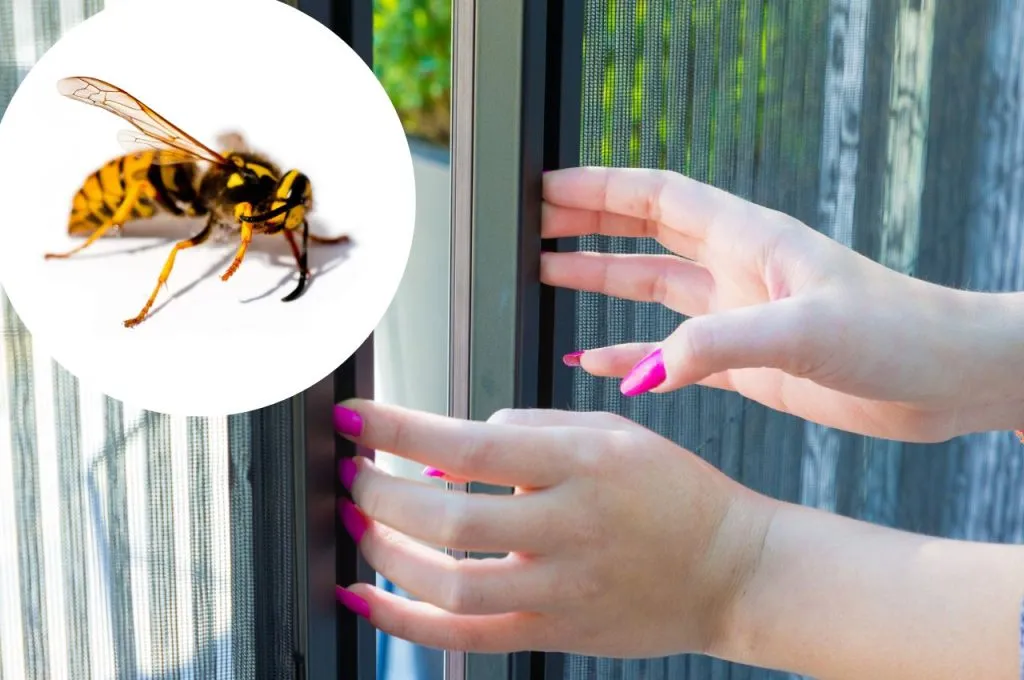
Anyone who has enjoyed a quiet backyard meal in July only to find it interrupted by circling wasps in August knows the shift is real. Wasps that seemed almost indifferent earlier in the season suddenly appear everywhere, hovering near plates, drink cans, and trash bins with a persistence that feels new. This isn’t a coincidence or a trick of memory. It reflects genuine changes in colony biology that occur as summer winds down.
The Colony Life Cycle Behind the Change
To understand late-season wasp behavior, it helps to look at how a colony develops. A single queen starts a nest in spring, laying eggs that become the first generation of workers. Through early and midsummer, those workers expand the nest and forage primarily for protein, feeding developing larvae with insects and other small prey. During this stage, wasps tend to be focused and comparatively unbothered by human activity, since their attention is on nest-building and brood care.
By late summer, colonies of common species like yellowjackets and paper wasps reach their maximum size, sometimes housing several thousand individuals depending on the species and location. At this point, the queen slows or stops laying new worker eggs and begins producing future queens and males instead. Once that happens, the colony’s structure starts to break down. Workers that once had a clear job maintaining the nest suddenly have less purpose, and their foraging priorities shift from protein to sugar, since there are fewer larvae to feed. This transition helps explain why aggressive wasps in August become such a familiar seasonal complaint, as large, food-driven colonies collide more frequently with human outdoor activity.
Where Nests Tend to Form and Why Location Matters
Late-summer aggression is also tied to where colonies are located, since a large nest near frequently used areas naturally increases the odds of conflict. Wasps are opportunistic builders, and their nests often go unnoticed until the colony has grown substantial enough to become a nuisance.
Common nesting locations include:
- Rooflines and eaves, where gaps offer shelter from weather
- Porch ceilings and overhangs, especially in corners with less foot traffic
- Wall voids accessed through small exterior cracks or vents
- Sheds, garages, and other outbuildings with undisturbed corners
- Decorative structures such as birdhouses, lanterns, or trellises
- Dense landscaping, shrubs, and mulched garden beds
Because these locations are often close to patios, driveways, and entryways, a colony that seemed harmless in June can become a significant late-summer hazard simply due to its size and proximity. This is part of why aggressive wasps in the month of August are so commonly reported near homes rather than in open natural areas, where nests are less likely to intersect with daily human movement.
Recognizing Signs of Active Wasp Activity
Identifying an active nest early can prevent unpleasant encounters later in the season. Increased traffic in and out of a single point, such as a gap under siding or a hole in the ground, is one of the clearest indicators. Unlike bees, wasps do not leave visible wax comb outside their nests, so activity is often the main visual clue rather than the structure itself.
Homeowners should watch for a steady stream of wasps entering and exiting the same location, particularly during warm, sunny afternoons when foraging peaks. A faint papery or grayish nest visible in eaves or shrubs is another sign, especially for paper wasps, which build open, umbrella-shaped nests rather than the enclosed nests typical of yellowjackets. Noticing these signs before accidentally disturbing a nest, whether with a lawnmower, hedge trimmer, or simply brushing against a doorway, can make a meaningful difference in avoiding stings.
Practical Steps to Reduce Conflict Outdoors
Much of late-summer wasp conflict stems from food availability rather than random hostility. Since foraging wasps are drawn to sugar sources this time of year, simple outdoor habits can reduce unwanted attention. Keeping beverages covered, using lidded cups, and promptly cleaning up spilled juice or soda can noticeably cut down on wasp visits during meals. Trash cans and recycling bins should be sealed tightly, since discarded food and drink containers are a strong attractant.
It’s also worth avoiding sudden movements or swatting when a wasp approaches, as this can trigger defensive responses, particularly near an active nest. Wasps generally sting to protect their colony rather than out of unprovoked aggression, so giving nests a wide berth and moving calmly away from foraging wasps tends to reduce the likelihood of stings. Outdoor gatherings held away from known nest sites, with food kept covered until it’s time to eat, remain one of the most effective and low-effort strategies for peaceful coexistence during this period.
Understanding the Seasonal Shift in Perspective
It helps to remember that late-summer wasp behavior is not random meanness but a predictable outcome of colony biology. As the season progresses toward autumn, most worker wasps have a limited lifespan remaining, and the colony’s priorities shift entirely toward producing next year’s queens. This transitional period, often lasting several weeks, is when defensive behavior and food-seeking overlap most intensely.
Recognizing this pattern doesn’t eliminate the annoyance of a wasp hovering near a picnic table, but it does offer useful context. The wasps aren’t behaving erratically. They’re responding to internal colony changes that happen every year around the same time, driven by temperature, food availability, and the natural end-of-season decline that all social wasp colonies experience.
Key Takeaways
Late summer brings a predictable rise in wasp activity as colonies peak in size and shift from protein-based foraging to sugar-seeking behavior. Nests commonly appear in rooflines, porches, wall voids, sheds, and landscaped areas, often unnoticed until they’ve grown large. Paying attention to nest activity, keeping food and drinks covered, and avoiding sudden disturbances near colonies are practical ways to reduce encounters. With a clearer understanding of why this seasonal shift occurs, outdoor spaces can be enjoyed with fewer surprises and a more informed sense of caution. Read More at https://mintpaldecor.org/