
The Calm, Clean Way to Paint a Room That Actually Lasts

Paint

A fresh coat of paint is one of the few home improvements that can change how a space feels in a single weekend. But the difference between “looks great for a month” and “still looks great years later” almost always comes down to what happens before the first dip of the roller.

If you have ever painted and ended up with peeling at the baseboards, flashing on the walls, or mysterious stains coming back through, you are not alone. The good news is that most of these problems are predictable, and preventable, with a methodical approach.

If you are looking for practical guidance from a Trusted Painting Company in Toronto without turning this into an ad, you are in the right place. Let’s walk through the steps and decisions that make paint look smooth, wear evenly, and stay that way.

Start with a five minute “wall check”

Before buying paint, take a slow lap around the room with bright light (your phone flashlight works). You are looking for issues paint will not hide:

  • Shiny patches: Often old repairs, grease, or areas cleaned aggressively. These can cause uneven sheen.
  • Hairline cracks: Common around doors, corners, and ceiling lines. They telegraph through paint unless filled.
  • Nail pops and dents: Even small ones become more obvious after repainting.
  • Stains: Water marks, smoke, cooking oils, and kid art all need the right primer.
  • Chalky or dusty paint: Rub the wall with your hand. If you get a powdery residue, paint may not bond well without proper prep.

This is the moment to decide whether you need a simple repaint or a small repair project first.

Prep that saves you from repainting

Most paint failures are prep failures. Here is what matters most.

Clean where hands and air have been

Walls near light switches, kitchens, stair rails, and hallways collect oils and grime. Paint does not stick well to grease, even if the wall looks clean. Use a gentle degreaser or a mild soap solution and rinse with clean water. Let it dry fully.

A practical rule: if you would not tape to it confidently, do not paint over it.

Sand to remove texture problems, not to punish yourself

You do not need to sand every wall to bare drywall. You do need to sand:

  • Glossy areas so the surface becomes lightly dull
  • Rough patches from old drips or heavy roller texture
  • Raised edges around repairs so the wall feels flat to the touch

Use fine grit sandpaper and focus on feathering edges. Wipe the dust off with a damp cloth or microfiber.

Patch, then spot prime

Spackle and joint compound absorb paint differently than surrounding walls. If you paint directly over patches, you often get “flashing,” where repairs show as duller or shinier spots from certain angles.

After patching and sanding, spot prime repairs before the final coat. It is a small step that makes a big visual difference.

Primer is not optional when stains or bonding issues exist

Primer is not about spending more. It is about controlling what the finish coat can do.

Use primer when you have:

  • Water stains: You need a stain blocking primer, not just extra paint.
  • Smoke or heavy cooking residue: These can bleed through, even after cleaning.
  • Raw drywall or large patches: For uniform sheen.
  • Very glossy old paint: A bonding primer helps the new paint grip.
  • Colour changes with big contrast: Primer can reduce the number of finish coats.

One helpful mindset: paint is for beauty, primer is for behaviour.

Choose the right sheen for how the room is used

Sheen affects durability and how visible wall imperfections become.

  • Flat or matte: Best for hiding imperfections and giving a soft look. Not ideal for heavy scrubbing.
  • Eggshell: A favourite for living rooms and bedrooms because it balances washability and a forgiving finish.
  • Satin: Great for busy hallways, kids’ rooms, and areas that get touched often.
  • Semi gloss: Common for trim and doors because it handles cleaning and highlights detail.

If your walls are not perfectly smooth, going too shiny will make every bump and patch more noticeable, especially with side lighting from windows.

Colour looks different once it is on the wall

Paint chips are a starting point, not a verdict. The same colour can look warmer or cooler depending on exposure, flooring, and even nearby buildings.

Two useful techniques:

  • Sample large: A small swatch can mislead. Paint a bigger sample area or use sample boards you can move around.
  • Check at different times: Morning, afternoon, and evening light can change the feel dramatically.

Also consider how colour transitions from room to room. A home feels more intentional when undertones work together, even if each room has its own personality.

Tools and technique that make a pro level finish

You can buy premium paint and still end up with streaks if the application is rushed.

Roller nap matters

  • Smooth walls: shorter nap
  • Light texture: medium nap
  • Heavier texture: longer nap

Using the wrong nap is a quick path to splatter or an uneven finish.

Cut in like you mean it

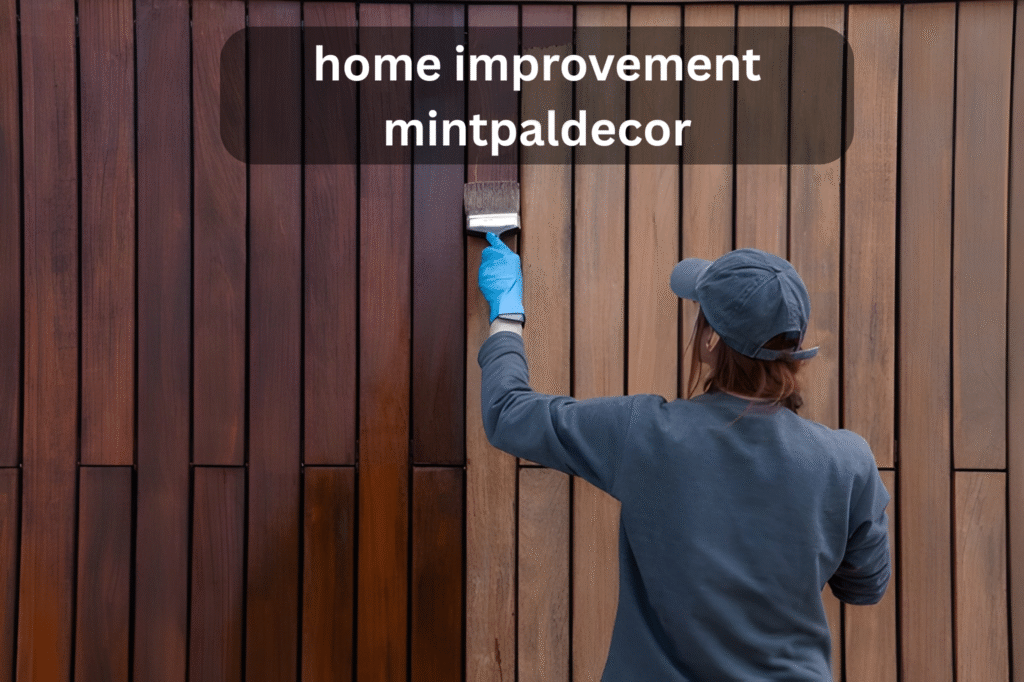
Cutting in is painting a clean border along ceilings, trim, and corners before rolling. The best results come from:

  • A quality angled brush
  • Not overloading the brush
  • Keeping a wet edge so brushed areas blend into rolled areas

Work in sections

Paint a wall in manageable vertical sections and keep the edge wet. Many lap marks come from letting one area dry before you roll into it again.

Drying is fast, curing is slow

Paint may feel dry to the touch relatively quickly, but it takes longer to fully harden. This is why fresh paint can scuff easily or feel tacky when you put furniture back too soon.

Practical tips:

  • Avoid heavy washing early on. Use gentle cleaning at first.
  • Be careful with painter’s tape removal. Pull it back slowly at an angle.
  • Ventilate well and maintain steady indoor conditions for the best finish.

If you live in a climate with big seasonal swings like Southern Ontario, indoor humidity and temperature changes can affect how paint levels and cures. Comfort for you is usually comfort for paint, too.

Small details that make the room feel “done”

These finishing moves often separate an okay repaint from a transformation:

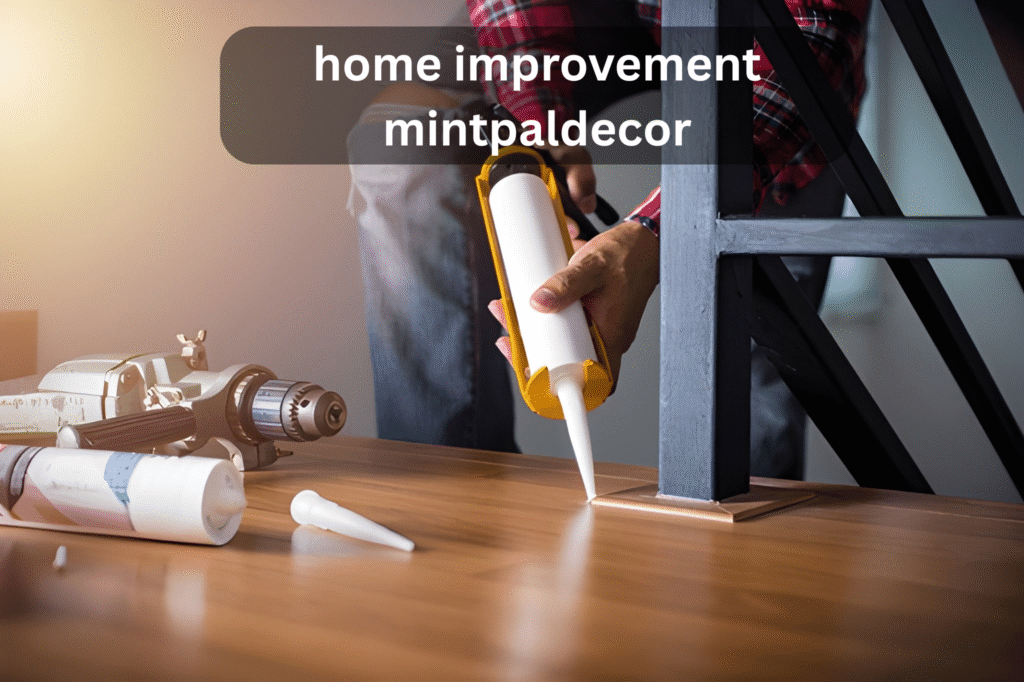
  • Straight caulk lines where trim meets the wall, especially in older homes with settling gaps
  • Crisp trim paint on baseboards and door casings
  • Even coverage behind doors and near edges where rollers sometimes miss
  • Consistent sheen across walls by using the same product and method throughout

Take a step back between coats and inspect in angled light. It is easier to fix a missed spot now than after everything is put back.

Maintenance that keeps paint looking fresh

A few habits can extend the life of your paint job:

  • Use felt pads on furniture that touches painted surfaces
  • Clean fingerprints with a damp microfiber, not abrasive sponges
  • Deal with moisture quickly in bathrooms and kitchens, using exhaust fans
  • Touch up with the same paint batch and sheen when possible, because sheen shifts can show

If you keep a small labelled jar of the original paint, future touch ups are far less stressful.

When it is worth calling in help

DIY painting is absolutely doable. But there are times when professional experience saves money and frustration:

  • Repeated peeling or bubbling that suggests moisture or adhesion problems
  • Extensive cracks, failing drywall tape, or older plaster repairs
  • Stain issues that keep returning through paint
  • High ceilings, stairwells, or hard to access areas where safety and clean lines get tricky

Even if you do most of the work yourself, getting advice on products and prep for your specific walls can prevent the common redo cycle.

A great paint job is not magic. It is a series of small, correct decisions. Clean, repair, prime where needed, choose sheen thoughtfully, and apply with patience. Do that, and the room will not just look fresh on day one, it will stay calm and clean looking long after the furniture is back in place.

Titan Elite 3000 Parts to Restore Peak Performance

Titan Elite

Introduction

Let me explain this the same way I’d explain it to you on a phone call. If your Titan Elite 3000 isn’t spraying the way it used to, most of the time the machine isn’t finished — it’s just asking for the right parts. These sprayers are built tough, but like any professional tool, wear and tear is normal. The good news is that Titan Elite 3000 parts are widely available and designed to bring your sprayer right back to peak performance.

Understanding titan elite 3000 sprayers parts will help you save money and prevent downtime and keep all your projects on track as both a daily contractor sprayer user or a dedicated DIY user. Investing in new components for the sprayer instead of buying an entirely new system will restore its brand new feel.

This guide teaches readers about vital parts in addition to their function as well as why selecting the appropriate replacement component becomes significant. The content offers non-technical solutions that readers can apply effectively in real situations.

Pump Assembly: The Heart of Your Sprayer

Titan Elite 3000 pump assembly functions as your pump’s core engine. When the pump develops weakness or starts leaking or loses pressure the whole system becomes compromised. Your system returns to proper pressure levels with stable paint movement when you integrate authentic titan elite 3000 replacement parts after fitting deteriorated pumps.

The seals and packings inside the pump will wear down when the pump operates continually generating friction. An unwanted paint leakage emerges while pressure reductions together with pulsation takes place. The internal parts replacement restores suction performance so your sprayer maintains optimum efficiency.

A regular pump maintenance program positions hyyou to protect all titan elite 3000 sprayers components too. Appropriate pressure stability environment for hoses and tips together with the motor results in decreased stress and less frequent breakdowns with extended machine operation life.

Spray Gun and Rebuild Kits for Precise Control

Control occupies the spray gun. You should examine spray gun components when your trigger feels slacking or your spray fan displays erratic performance or when your paint forms drips on button release. Titan Elite 3000 parts feature rebuild kits that deliver precise spray performance alongside optimum trigger functionality. These rebuild kits restore smooth trigger action and accurate spray output.

The firearm contains tiny vital components including needles together with springs as well as seals. Wear develops at gradual levels which causes problems to develop slowly over time. Rebuild kits substitute everything simultaneously which simplifies the repair process more than solving separate issues one by one.

Once rebuilt, your spray gun delivers cleaner cut-offs, better atomization, and less overspray. That means less wasted paint and a more professional finish on every job.

Spray Tips and Guards for Professional Finish

Professional know these parts are end components of spray equipment because they stop functioning after limited time. When tips become worn they lead to tails and substandard coverage and increased overspray. When correct titan elite 3000 sprayers parts replace old tips they deliver immediate improvement to finish quality.

Tip guards matter just as much as all the other parts. The tips stay safe because these holders keep them in place while they deflect impacts and enable fast removal of clogs by turning. A broken guard distorts spray projectile pattern while presenting potential risks thus necessitating removal should be your priority.

A proper tip size matching your material limits motor and pump workload. This tiny detail has a major influence on ensuring that Titan Elite 3000 runs optimally.

Hoses and Fluid Lines for Consistent Flow

Paint hoses handle substantial wear. Thick coatings, high pressure combined with continuous movement result in equipment breakdown. Titan elite 3000 hoses engineered with high quality resist flow limitations under these requirements.

When hoses develop cracks or bubbles or lose pressure their spraying becomes inconsistent which produces safety hazards. Replacing old fluid lines creates stable pressure which supports consistent surface coverage for large areas.

The pump experiences less strain when you install a new hose. Painting operations which proceed smoothly reduce the strain of the system which results in better protection of titan elite 3000 sprayers components from early breakdown.

Filters and Strainers to Protect Internal Components

Behind filters which appear minor exists the huge health impact which controls sprayer functioning. Multiple filters inside Titan Elite 3000 parts keep debris away from delicate internal elements. The filters inside Titan Elite 3000 parts work to protect essential internal parts by blocking debris. Clogged or damaged filters cause flow restrictions that push pumps into extra work. The resulting effects include pressure fluctuations combined with inconsistent spray patterns. A regular filter replacement schedule generates smooth operational performance. Maintaining filtration purity protects both spray tips together with gun components. The system produces better finish quality while components last longer when it allows fewer particles to pass through its filtration system.

Motor and Electrical Components for Reliable Power

Functional spraying system derives its power from the motor. Although motors are designed to be strong components electrical systems require maintenance since switches capacitors and cords gradually deteriorate. Genuine titan elite 3000 parts deliver accurate mounting and guaranteed safe use.

Sprayer face starting problems or shut down accidentally during operation or power loss during use can result from damaged electrical equipment. The system maintains steady performance following the replacement of these components together with extended protection from major breakdowns.

Proper electrical components safeguard the motor from damage. There will be fewer motor overheating issues and the motor will last longer when power delivery remains steady.

Prime and Pressure Control Valves for Smooth Operation

Prime and pressure control valves regulate how paint moves through the system. When these parts wear out, you may experience pressure spikes, poor priming, or difficulty switching modes.

Replacing worn valves with proper titan elite 3000 sprayers parts restores smooth pressure adjustment and reliable priming. This makes startup faster and reduces paint waste.

Good pressure control also improves spray consistency. You get predictable results every time you pull the trigger, which is exactly what professionals expect.

Wheels, Frames, and Hardware for Jobsite Durability

The outer structure of your sprayer matters more than people think. Wheels, frames, and hardware take constant punishment on job sites. Titan elite 3000 parts include durable replacements that keep your unit stable and mobile.

Damaged wheels make transport difficult and increase the risk of tipping. Replacing them improves balance and protects internal components from shock.

A solid frame also ensures proper alignment of internal parts. Everything works better when the sprayer is physically stable and well-supported.

Why Using Genuine Titan Elite 3000 Parts Matters

Let me be very clear here — not all replacement parts are equal. Genuine titan elite 3000 parts are engineered to exact specifications, ensuring perfect fit and performance.

Aftermarket parts may look similar, but small differences in materials or tolerances can cause leaks, pressure loss, or premature failure. That ends up costing more in the long run.

Using original parts protects your investment, maintains safety standards, and ensures your sprayer performs exactly the way Titan parts designed it to.

Conclusion

So here’s the bottom line, just like I’d say it straight to you on a call. If your sprayer isn’t performing, don’t panic and don’t replace the whole unit. The right titan elite 3000 sprayers parts can restore power, precision, and reliability without breaking the bank.

From pumps and hoses to filters and spray tips, every component plays a role in overall performance. Keeping these parts in good condition means less downtime, better finishes, and longer machine life.

Investing in quality titan elite 3000 parts is the smartest way to keep your sprayer running strong and your projects moving forward with confidence.

Reliable Plumber in Coogee and Rose Bay – Fast & Affordable Plumbing Services

Plumber

Plumber in Coogee

Reliable Plumbing Services in Coogee

Looking for a trusted plumber in Coogee? Whether it’s a leaking tap, blocked drain, or urgent hot water issue, our experienced team provides fast, professional, and affordable plumbing solutions. We pride ourselves on delivering high-quality workmanship and exceptional customer service to residents and businesses across Coogee.

Our Plumbing Services Include:

  • Emergency plumbing repairs
  • Blocked drains and sewer solutions
  • Hot water installation and repair
  • Gas fitting and appliance servicing
  • Bathroom and kitchen plumbing upgrades

Why Choose Us?
We understand the local Coogee community and its plumbing needs. Our licensed plumbers use the latest tools and techniques to ensure the job is done right the first time. With transparent pricing and 24/7 availability, you can rely on us for both emergency and scheduled plumbing services.

Contact Your Local Coogee Plumber Today
Don’t let plumbing issues disrupt your day. Call our team for a prompt, professional response and quality plumbing solutions in Coogee.


Plumber in Rose Bay

Trusted Plumber in Rose Bay

When you need a dependable plumber in Rose Bay, look no further. Our skilled team offers a full range of plumbing services, from minor repairs to major installations, ensuring your home or business runs smoothly. We focus on delivering high-quality results and a hassle-free experience for all our Rose Bay customers.

Comprehensive Plumbing Solutions:

  • Emergency plumbing and leak detection
  • Drain clearing and maintenance
  • Hot water system repair and replacement
  • Gas fitting and appliance servicing
  • Renovations, bathroom, and kitchen plumbing

Why Residents Choose Us in Rose Bay
We are proud to serve the Rose Bay community with fast, reliable, and professional plumbing services. Our licensed plumbers bring years of experience, ensuring every job meets the highest standards. Flexible scheduling and transparent pricing make us the trusted choice for all your plumbing needs.

Get in Touch with Your Rose Bay Plumber
From routine maintenance to urgent repairs, our team is ready to help. Contact us today for expert plumbing services in Rose Bay you can count on.

Professional Wood Floor Refinishing in Seattle WA

wood

Being a business owner, you should understand the importance of making a strong first impression. 

Whether it’s a retail space, office, or restaurant, the condition of your floors plays a significant role in how your business is perceived. 

If your wood floors have lost their shine, are showing signs of wear, or simply look outdated, it might be time to consider refinishing them. 

Wood floor refinishing in Seattle, WA can restore the beauty of your floors and give your space a fresh, professional look that reflects the quality of your business.

Sandless in Seattle specializes in wood floor refinishing and has years of experience helping businesses revamp their interiors with top-rated, efficient services. 

Keep reading to learn more about how refinishing your wood floors can benefit your business and why Sandless in Seattle is the ideal choice for the job.

The Benefits of Wood Floor Refinishing for Businesses

Wood floors add warmth and sophistication to any business environment, but over time, they can become worn or damaged. 

Here’s why wood floor refinishing is a smart choice for business owners:

  1. Aesthetic Appeal: A well-maintained wood floor immediately enhances the overall look of your space. Whether you’re aiming for a modern or rustic look, refinishing can bring your floors back to life, making them look new again.
  2. Increased Property Value: Refinishing your wood floors can increase the value of your property. Whether you’re leasing or selling your business property in Seattle, well-maintained floors will make your space more appealing to potential buyers or tenants.
  3. Durability: Refinishing extends the life of your wood floors, making them more resistant to scratches, moisture, and other daily wear. This helps protect your investment, especially in high-traffic areas.

Why Choose Sandless in Seattle for Your Refinishing Needs

When it comes to wood floor refinishing in Seattle, Sandless in Seattle is a trusted name. 

They bring years of experience to every job, ensuring high-quality results for both residential and commercial properties. 

Here’s why you should choose them for your refinishing needs:

  1. Expertise: With years of experience in the Seattle area, Sandless in Seattle knows the unique needs of local businesses. They have built a reputation for excellence in customer service and craftsmanship.
  2. Dustless Refinishing Process: Refinishing using a dust-free refinishing technique keeps your workspace cleaner and reduces downtime. Their innovative process leaves little mess behind, making it ideal for businesses that want minimal disruption.
  3. Eco-Friendly Materials: Using high-quality, eco-friendly finishes that are safe for both your employees and customers ensuring a healthier environment while also delivering lasting results.
  4. Customizable Solutions: Every business is different whether you need a light touch-up or a complete restoration, they can customize their services to suit your specific requirements.

How Wood Floor Refinishing Can Enhance Your Online Presence

Your website and social media profiles serve as key marketing tools that reflect your brand image. 

The condition of your physical space can play a major role in how your business is perceived online, especially when showcasing your property in marketing materials.

Refinished floors can make your business look more appealing in photos and videos, which can be shared on social media, Google My Business, or your website. 

A clean, polished space sends a message of professionalism and attention to detail, which can influence online reviews and SEO rankings.

Additionally, well-maintained floors can be leveraged for local SEO. 

The Sandless Refinishing Process: How It Works

At Sandless in Seattle, the refinishing process is designed to be efficient, effective, and low-impact for your business operations. 

Here’s how it works:

  1. Assessment and Preparation: A team member assesses your wood floors to determine the extent of refinishing needed. They’ll discuss your goals and expectations to create a plan that suits your needs.
  2. Quick Turnaround: The refinishing process typically takes 1-2 days, depending on the size of the area. Since there’s no sanding involved, there’s minimal downtime, allowing your business to resume operations with minimal disruption.
  3. Final Touches: Once the refinishing is complete, your floors will have a fresh, glossy look that will last for years. The team ensures that every detail is attended to, providing you with flawless results.

Invest in Your Business with Professional Wood Floor Refinishing

Wood floor refinishing in Seattle, WA is an investment that can significantly enhance the appearance and value of your business. 

Whether you’re looking to create a more inviting atmosphere for customers or improve your online visibility, refinishing your floors is a smart choice. 

Contact Sandless in Seattle today to schedule your wood floor refinishing service and enjoy a cleaner, more professional space!

FAQs Wood Floor Refinishing in Seattle WA

How often should wood floors be refinished?

Wood floors should be refinished every 7-10 years, depending on foot traffic and the floor’s condition. 

Refinishing can restore the wood’s beauty and extend its lifespan.

What are the advantages of dustless refinishing?

Dustless refinishing eliminates the mess and downtime associated with traditional sanding. 

It’s a cleaner, faster, and more efficient method, perfect for busy businesses.

Can wood floor refinishing help with scratches and stains?

Yes, refinishing can effectively remove scratches, stains, and minor damage. 

It smooths out imperfections and restores the original beauty of the wood.

Is refinishing the same as sanding?

Refinishing involves applying a new finish to your floors, whereas sanding removes the old finish and surface layer. 

Sandless in Seattle uses a refinishing method without sanding, making it less disruptive.

What’s the usual duration to finish the process?

The refinishing process usually takes 1-2 days, depending on the size of the area. 

There’s minimal downtime, allowing your business to continue operations with minimal interruption.

How Architecture Can Help Your Body Truly Relax

Relax

Modern life places constant demands on the body. From long hours of screen time to urban noise and crowded environments, stress often becomes a physical experience rather than just a mental one. Architecture, however, has the power to counteract this tension. Thoughtfully designed spaces can slow breathing, reduce muscle strain, and help the nervous system reset. When buildings are designed with human comfort in mind, they become tools for physical relaxation, not just shelters.

The Mind–Body Connection in Architecture

Architecture directly influences how the body feels. Ceiling height affects posture and breathing, natural light impacts circadian rhythm, and spatial flow can either ease or restrict movement. When spaces are intuitive and uncluttered, the body naturally relaxes because it does not need to remain in a state of alertness.

Design rooted in human scale—doorways, seating, and transitions that match natural movement—reduces unconscious physical stress. The body responds positively when it does not need to adapt constantly to awkward proportions or harsh materials.

Natural Light and Visual Calm

Light is one of the most powerful architectural tools for relaxation. Soft, indirect daylight reduces eye strain and supports hormonal balance. Large windows, clerestory openings, and skylights distribute light evenly and prevent sharp contrasts that tire the body.

Visual calm also plays a role. Clean lines, balanced symmetry, and views of nature help lower heart rate and muscle tension. Architecture that frames outdoor greenery or water features allows the body to experience rest even when indoors.

Material Choices That Soothe the Body

The materials we touch daily affect physical comfort more than we realize. Cold, hard, or overly reflective surfaces can subconsciously increase tension. In contrast, warm and textured materials encourage relaxation through tactile comfort.

Wood, stone, and natural fibers offer subtle sensory feedback that grounds the body. For example, selecting engineered hardwood flooring in Toronto residences has become popular because it provides warmth underfoot while maintaining durability and stability in varying climates. Materials that feel pleasant to walk on or touch reduce physical stress during everyday movement.

Temperature, Acoustics, and Physical Ease

Thermal comfort is essential for relaxation. Architecture that supports consistent temperature through insulation, shading, and airflow allows the body to maintain equilibrium without strain. Spaces that are too hot or cold force muscles to tense and energy to shift toward temperature regulation.

Sound control is equally important. Soft surfaces, curved walls, and acoustic treatments absorb noise and prevent echo. When a space is quiet or filled with gentle, controlled sound, the body no longer braces itself against sudden auditory stimulation. Wellness-oriented environments such as spa architecture, including projects inspired by Toronto Sauna Co., often demonstrate how heat, silence, and enclosure can work together to promote deep physical release.

Flow, Movement, and Spatial Rhythm

A relaxing building encourages natural movement rather than rigid circulation. Wide pathways, gradual transitions, and open connections between rooms reduce physical hesitation. When the body can move without abrupt stops or sharp turns, muscles remain loose and posture improves.

Architectural rhythm—created through repeating elements like columns, beams, or window patterns—also supports bodily relaxation. Predictable patterns help the brain and body feel safe, minimizing tension caused by uncertainty or visual overload.

Biophilic Design and the Nervous System

Biophilic design integrates natural elements into architecture to promote physical and emotional health. Plants, water features, natural ventilation, and organic shapes help regulate blood pressure and breathing.

The presence of nature-inspired design reduces cortisol levels and encourages the parasympathetic nervous system—the part responsible for rest and recovery—to activate. This is why spaces that mimic outdoor environments often feel instantly calming to the body.

Minimalism Without Sterility

Relaxation does not require empty or sterile spaces. Instead, it relies on intentional simplicity. Architecture that eliminates unnecessary clutter allows the body to rest without distraction, while still offering warmth and personality.

Built-in storage, concealed utilities, and thoughtful furniture placement all contribute to a sense of order. When the environment feels organized, the body no longer holds tension in anticipation of chaos.

Architecture has the power to shape how the body feels long before we consciously notice it. Through light, materials, acoustics, and spatial flow, buildings can become active participants in physical relaxation. By prioritizing human comfort and sensory balance, architects and homeowners alike can create spaces that support rest, recovery, and long-term well-being. When design works in harmony with the body, relaxation becomes part of everyday life rather than a rare escape.

The Overlooked Home Upgrade Experts Swear by and Why It Pays Off for Decades

living room

Kitchens, bathrooms or energy efficient windows are typically the focus of homeowners when considering long-term upgrades. However, one of the more significant improvements is usually overlooked entirely. The quality of doors which separate areas, safeguard interiors and also regulate daily movement. Even though doors are often overlooked due to their pure functional nature, experts increasingly view them as an essential upgrade that impacts even, efficiency, comfort, and durability long-term property value.

Why Doors Matter More Than Most People Realize

Doors tend to be one of the most used parts of any property. High speed door suppliers often highlight how doors close and open hundreds, often thousands, of times every year, absorbing wear that few additional features experience. In spite of this, a lot of homes as well as residential structures continue to depend on basic door systems that are primarily designed to save money upfront rather than provide durability or performance.

Over time, poor quality doors could cause heat loss, drafts, noise transfer and maintenance problems. Mechanisms fail, hinges loosen, seals weaken and hinges loosen again, often necessitating repeated repairs or complete replacements. Door systems that happen to be well designed perform reliably and quietly for decades, thereby reducing both costs as well as hassle.

Everyday Doors vs High Performance Alternatives

Doors for standard residential homes are typically constructed to meet basic specifications rather than for optimal performance. In many cases, they place far more importance on design style and appearance than engineering, which is fine in non-use areas but problematic in garages, workshops, home offices, or areas that are subject to temperature variations.

The design of high-performance doors differs. They emphasize precision engineering, controlled motion, robust materials and effective sealing. These doors close and open smoothly, minimize air exchange and provide constant performance even under heavy usage. With time, this improvement becomes evident not only in comfort but also in decreased wear on surrounding structures.

Energy Efficiency along with Environmental Impact

Energy efficiency can be one of the strongest reasons for upgrading door systems. Heat escapes during winter and enters in summer through gaps and bad insulation and slow operation. Heating as well as cooling systems are compelled to work harder as a result of this, resulting in a higher energy consumption and cost.

By opening rapidly, sealing efficiently and minimizing unnecessary exposure, high-performance doors maintain indoor temperatures. This upgrade quietly promotes lower energy use without disrupting daily routines for homeowners who are committed to sustainability.

Noise Control as well as Everyday Comfort

Noise pollution is often overlooked in residential settings. Sound can freely travel between spaces through thin or improperly sealed doors, impacting sleep, work and overall comfort. Doors of good quality decrease sound transfer significantly, particularly in houses with open layouts or mixed-use areas.

Homeowners who work at home, have growing families or just desire quieter living areas with no structural renovations will find this particularly valuable.

Maintenance Costs Add Up Over Time

Although basic doors might appear inexpensive at first glance, maintenance reveals a different story. The initial savings can quickly become offset by misaligned tracks, used motors, damaged seals in addition to frequent call-outs. Reliability is a hallmark of high-performance doors, which often require minimal maintenance over their service life.

Professionals engaged in long-term property planning frequently counsel homeowners to think about total ownership value rather than upfront cost.

Choosing the Right Supplier 

Advanced doors are not created equally. Just as crucial as materials are engineering quality and safety standards as well as after-installation support. When trying to find High speed door suppliers, homeowners should search for those with experience, tested systems along with a history of performance in challenging environments.

Business owners often refer to manufacturers such as EFAFLEX, which concentrate on precision – engineered, high performance door systems, when talking about long – term solutions that place reliability as well as efficiency above short-term trends.

A Practical Upgrade with Long Term Payoff

Although upgrading door systems might not have the instant visual effect of a newly renovated kitchen, its advantages will gradually accrue over time. A better living environment and also a greater property value are aided by improved comfort, reduced energy costs, reduced maintenance and improved durability.

Doors often receive less attention than they ought to when homeowners are considering improvements designed to last a lifetime. This often-overlooked upgrade can be one of the best investments a home could make if chosen carefully.

How Reliable Moving Services Protect Your Belongings Every Step of the Way

Utilizing High-Quality Packing Materials

Professional movers know that the right materials make all the difference. They don’t just grab any old box. Instead, they use sturdy, double-walled boxes designed to hold weight without collapsing. For delicate items, such as glassware or electronics, they employ bubble wrap, foam sheets, and packing paper. This isn’t just about wrapping things up; it’s about creating a protective barrier against bumps and jostles. Using high-quality packing materials is the first line of defense against damage. Professional moving services like those at MoveYourStuff emphasize premium packing supplies to ensure every item is secured properly during transit. This careful selection of supplies helps keep your belongings safe.

Implementing Systematic Packing Techniques

It’s not just what you pack with, but how you pack. Expert movers use systematic packing techniques. This means heavier items go on the bottom of boxes, and lighter, more fragile things are placed on top. They fill empty spaces with packing paper or soft materials to stop items from shifting around inside the box. This prevents things from knocking into each other during the move. This methodical approach to packing is key to preventing damage.

Specialized Packing for Delicate Items

Some items need extra attention. Think about antique furniture, fine art, or sensitive electronics. Professional movers have specialized packing methods for these. This might involve custom crating, extra padding, or specific wrapping techniques. They understand that these items require a higher level of care. This specialized packing ensures that even your most delicate possessions are protected throughout the entire moving process.

Secure Loading and Transportation Strategies

Careful Loading of Transport Vehicles

Professional movers understand that how items are loaded into the truck is just as important as how they’re packed. They start by placing heavier, sturdier items towards the front and sides of the truck. This creates a solid base and prevents lighter items from shifting and getting damaged during the drive. This strategic loading minimizes movement and protects your belongings. The goal is to create a stable, unified load that can withstand the rigors of the road.

Strategic Placement of Items in Trucks

Beyond just placing heavy items first, movers use specific techniques for item placement. Boxes are often stacked in a way that distributes weight evenly. Fragile items, even when well-packed, are typically placed on top of heavier items or secured in areas where they are less likely to be impacted. This careful arrangement is part of the secure loading process that moving services employ.

Securing Large and Bulky Objects

Large and bulky items, like furniture or appliances, require special attention during loading. Movers use specialized equipment such as load-securing straps, ropes, and furniture pads. These are used to firmly anchor these large objects, preventing them from sliding or tipping over. This step is vital for both the safety of your items and the movers themselves. The secure loading of these items prevents damage and ensures a safer journey for everyone involved.

Comprehensive Insurance and Liability Coverage

Understanding Transit Protection Options

When you hire movers, they usually have some form of protection for your stuff. It’s important to know what this means. Basic liability coverage is the minimum required by law. It’s not really designed to cover the full cost if something gets damaged, though. Think of it as a very basic safety net. You’ll want to look into the different transit protection options available to see what fits your needs best. This coverage is key to protecting your belongings.

Basic Liability vs. Full-Value Protection

Basic liability coverage typically pays out based on the weight of your items, not their actual value. For example, it might be sixty cents per pound. So, if a 200-pound sofa is damaged, you might only get $120 back, which probably won’t cover a new sofa. Full-value protection, on the other hand, means the moving company is responsible for repairing, replacing, or reimbursing you for the full replacement cost of any damaged or lost items. This is a much better option for peace of mind.

Ensuring Coverage for High-Value Items

If you have particularly expensive items, like artwork, electronics, or antiques, you need to pay extra attention to your insurance. Basic liability coverage will almost certainly not be enough. You should discuss these items specifically with your moving company. They can help you understand how to get the right level of coverage, often through full-value protection or by allowing you to declare specific high-value items. Getting everything in writing is also a good idea to avoid any confusion later on. This ensures your most prized possessions are protected.

Pre-Move Planning and Item Assessment

Before any boxes are packed or trucks are loaded, reliable moving services focus on thorough pre-move planning and a detailed item assessment. This initial stage is key to protecting your belongings throughout the entire moving process. It’s about understanding what’s being moved and how best to handle it.

Detailed Assessment of Belongings

Moving companies start by getting a clear picture of everything you need to transport. This involves a careful look at your items, noting anything particularly fragile, heavy, or of high value. This assessment helps them identify potential challenges early on. They might ask you to walk them through your home, either in person or virtually, to see the scope of the move. This detailed assessment is the first step in creating a safe journey for your possessions.

Personalized Moving Plans

Based on the item assessment, a personalized moving plan is developed. This isn’t a one-size-fits-all approach. The plan outlines specific strategies for packing, loading, and transporting your belongings, taking into account any special requirements. For instance, if you have antique furniture or delicate electronics, the plan will detail the extra care and materials needed. This tailored approach ensures every item gets the attention it deserves.

Guidance on Item Preparation

Movers also provide guidance on how you can prepare your items. This might include advice on decluttering before the move, suggestions for packing certain categories of items yourself if you choose, or instructions on how to properly secure loose parts of furniture. They can offer tips on what to keep with you during the move versus what should be packed by the professionals. This preparation phase, guided by the moving company’s experience, significantly contributes to a smoother and safer relocation.

Specialized Equipment for Item Safety

Load-Securing Straps and Straps

Moving companies use specialized straps and ropes to keep large items from shifting. Think of heavy furniture or appliances; these straps are key to preventing them from moving around inside the truck. This stops damage from bumps and sudden stops. Properly securing items is a big part of safe moving. This equipment is vital for keeping everything stable during the journey.

Padded Dollies and Moving Aids

Heavy items need special handling. Padded dollies and moving aids make it easier to move things like refrigerators or sofas without scratching floors or damaging the items themselves. These tools distribute weight evenly. They also help movers handle awkward shapes and sizes more safely. Using these aids reduces strain on both the movers and your belongings.

Protective Gear for Furniture

Furniture needs extra care. Moving companies use blankets, padding, and even custom covers to protect furniture. This gear shields surfaces from scratches, dents, and tears. It’s especially important for delicate finishes or antique pieces. This protective gear is a standard part of how professionals handle your items.

Handling Fragile and Valuable Possessions

Careful Handling of Breakable Goods

Moving fragile items requires a special touch. Professional movers understand that things like glassware, china, and electronics need more than just a box. They use specific techniques to wrap and cushion these items. This means using plenty of packing paper and bubble wrap, making sure there are no empty spaces in the box where things can shift. The goal is to create a protective cocoon around each delicate object. This careful handling is key to preventing chips, cracks, or complete breakage during the move. It’s about treating each item with the respect it deserves.

Disassembling and Reassembling Furniture

Sometimes, furniture is too large or awkward to move as is. For these situations, movers can carefully disassemble items like beds, tables, or large cabinets. They keep all the hardware, like screws and bolts, organized, often in labeled bags attached to the furniture piece itself. This makes putting it back together at your new place much simpler. Proper disassembly and reassembly prevent stress on the furniture’s joints and structure, reducing the risk of damage. It’s a smart way to protect your investment.

Keeping Valuables Separate During Transit

It’s a good idea to keep your most valuable possessions with you personally. This includes important documents, jewelry, or sentimental items that are irreplaceable. While movers take great care with everything, having these items in your direct possession offers an extra layer of security and peace of mind. If you do entrust movers with certain valuables, discuss specific packing and transport plans for them beforehand. This ensures everyone is on the same page about how these important items will be handled.

Post-Move Inspection and Continuous Improvement

Final Checks for Item Safety

Once the moving trucks pull away, the job isn’t quite done. Reputable moving services conduct a final walkthrough. This step is about making sure everything you expected is there and that your belongings look as they should. It’s a quick but important check to catch any immediate issues. This attention to detail shows a commitment to a successful move from start to finish.

Gathering Customer Feedback

Your experience matters. After the move, companies often reach out for feedback. This isn’t just a formality; it’s a way for them to learn what worked well and what could be better. Honest feedback helps them refine their processes. This feedback loop is key to improving the moving experience for everyone.

Refining Services for Future Moves

Taking customer feedback seriously leads to real change. Moving companies use this information to adjust their packing methods, loading strategies, and even their customer service. This continuous improvement means each move gets a little smoother than the last. It’s how they build trust and ensure reliability over time. They want to make sure your next move is even better.

Peace of Mind for Your Move

Moving can feel like a big deal, and worrying about your stuff getting damaged is totally normal. But when you pick a good moving company, they really do a lot to keep your things safe. They use the right packing stuff, pack things in a smart way, and often have insurance just in case. So, by choosing pros, you can relax a bit more and focus on settling into your new place, knowing your belongings are in good hands. It’s all about making the move less stressful and more about the fresh start.

Interior Painting Trends 2025: Colors and Styles Recommended by Experts Near You

1. Introduction: What’s New in Interior Painting for 2025

Interior painting trends for 2025 are all about calm, comfort, and personality. Homeowners want spaces that feel peaceful yet stylish, expressive yet modern. Expert interior painters near you are seeing a strong shift toward warm neutrals, deep accent colors, natural textures, and eco-friendly paint choices.

If you’re searching for Interior Painting Near Me, understanding what’s trending in 2025 will help you choose colors and finishes that look fresh, modern, and long-lasting.


2. Why Local Interior Painters Influence 2025 Color & Style Trends

Local interior painters play a major role in shaping trends because they understand:

  • What colors work best with local lighting conditions
  • What styles homeowners in your area prefer
  • Which paints last longer based on humidity, temperature, or wall texture
  • Real-world results from hundreds of completed projects

So when experts near you recommend certain 2025 trends, it’s based on real experience—not guesswork.


3. Top Trending Paint Colors for 2025 According to Experts Near You

Interior painters across the U.S. are predicting these shades to dominate 2025:

  • Soft Clay Beige – warm, calming, elegant
  • Muted Olive Green – natural and refreshing
  • Earthy Terracotta – cozy and modern
  • Dusk Blue – a relaxing, mid-tone blue
  • Warm Greige – the new-age neutral
  • Smoky Plum – soft, luxurious, and unique

These colors blend perfectly with natural materials like wood, stone, and minimalist décor.


4. Modern Neutrals: Soft, Warm, and Earthy Shades Dominating 2025

Neutral tones are becoming richer and warmer in 2025. Instead of boring white, homeowners are choosing:

  • Cozy beige
  • Mushroom grey
  • Almond cream
  • Sandstone tan

These modern neutrals make rooms feel welcoming and luxurious. Local painters recommend them because they work well in living rooms, hallways, bedrooms, and open spaces.


5. Bold Accent Walls: The Rise of Deep Blues, Greens & Charcoal Tones

Accent walls are a major trend for 2025. Instead of bright colors, experts now recommend deep, expressive tones:

  • Midnight Blue
  • Forest Green
  • Charcoal Black
  • Burnt Copper

These create dramatic focal points without overwhelming the room. Painters near you often pair bold accents with neutral main walls for a balanced modern look.


6. Textured Painting Styles Becoming Popular in 2025

Along with colors, texture is trending big.

Painters are using techniques like:

  • Limewash – soft, cloudy texture
  • Venetian plaster – luxury smooth stone look
  • Two-tone walls – split-color designs
  • Matte finishes – premium, modern feel

These styles add depth and personality to any home, especially when applied by professionals.


7. Eco-Friendly and Low-VOC Paint Trends Homeowners Prefer

Sustainability is becoming a top priority. More homeowners are searching for eco-friendly interior painting near me because:

  • Low-VOC paints improve indoor air quality
  • They reduce odors
  • They’re safer for pets, kids, and sensitive individuals
  • They last longer and resist fading

Experts near you are recommending brands like Benjamin Moore Natura, Sherwin-Williams Harmony, and other green-certified options.


8. Room-by-Room Color Guide Recommended by Interior Painters Near You

✔ Living Room (Warm Neutrals + Accent Walls)

Perfect for creating a cozy, inviting atmosphere.

✔ Bedroom (Soft Pastels + Earthy Tones)

Light sage, muted lavender, pale clay beige.

✔ Kitchen (Clean Whites + Green Tones)

Sage, cream, soft olive.

✔ Bathroom (Light Blues + Spa Colors)

Sky blue, pearl white, sea green.

✔ Home Office (Focus-Enhancing Shades)

Slate blue, warm grey, muted green.

Local painters customize these choices based on natural light and room size.


9. How Lighting and Room Size Influence 2025 Interior Color Choices

Lighting is everything when choosing paint. Experts near you always consider:

Natural Light

  • Rooms with lots of sunlight look best with warm neutrals.
  • Dark rooms benefit from brighter, soft tones.

Room Size

  • Light colors make rooms feel larger.
  • Dark accents add depth to high-ceiling rooms.

Artificial Lighting

  • LED lighting can change how color appears.
  • Painters know which shades stay accurate under different light temperatures.

This expert insight helps homeowners avoid choosing colors that look different once applied.


10. Final Expert Tips for Choosing the Perfect 2025 Paint Style for Your Home

Here’s what interior painters near you suggest:

✔ Always test paint samples on your wall
✔ Consider how colors look in morning vs evening light
✔ Use bold colors in moderation
✔ Pair warm neutrals with natural décor
✔ Don’t ignore ceiling and trim colors—they complete the look
✔ Hire professional painters for textured finishes and accent walls

By following expert guidance, you’ll get a modern 2025 look that feels stylish, fresh, and perfectly matched to your home.

Pond Fountain Float Buying Guide: Size, Durability, and Compatibility

Choosing a pond fountain float seems simple enough until you’re standing there trying to figure out which one actually works. You want something that floats your fountain properly, lasts more than one season, and doesn’t sink or tilt after a few weeks.

The wrong float can ruin your entire water feature setup. Your pump might struggle, your fountain could lean to one side, or the whole thing might just stop working when you need it most. Getting the pond fountain float right the first time saves you from pulling everything out and starting over.

Most people don’t realize how much the float affects their fountain’s performance. A float that’s too small won’t support the weight. One that’s too large looks clumsy and takes up too much space. The material matters too because cheap floats crack, fade, or fill with water over time.

Let’s break down what you actually need to know.

Why Float Size Matters More Than You Think

The size of your float determines whether your fountain stays level or tilts like a sinking ship. Match the float to your pump’s weight and the fountain head you’re using. A heavy pump on a small float will sit low in the water or might not float at all.

Check the weight capacity before buying. Some floats handle lighter decorative fountains. Others can support heavier aerating systems with multiple nozzles.

Your pond size plays a role, too. A massive float in a small pond looks out of place and limits where fish can swim. A tiny float in a large pond gets lost and doesn’t create the visual impact you’re after.

Think about water depth as well. Shallow ponds need floats that don’t sit too deep. Deeper ponds give you more options, but you still want the fountain spray pattern to look right from shore.

Material Quality Separates Junk from Reliable Floats

Most floats use foam, plastic, or a combination of both. Foam floats are lighter and simpler, but they can absorb water over time. That makes them heavier and less buoyant. Cheap foam breaks down under UV exposure and starts to crumble.

Plastic floats with sealed air chambers last longer if they’re built right. Look for thick walls and proper UV protection. Thin plastic cracks when temperatures swing from hot summer days to cool nights.

Some floats have a hard outer shell with foam inside. This design gives you the best of both worlds. The foam provides backup buoyancy if the shell gets punctured. The shell protects the foam from sun damage and wear.

You’ll also find floats with different surface textures. Smooth surfaces are easier to clean. Textured surfaces might grip better if you’re attaching accessories, but they collect algae faster.

Compatibility Keeps Everything Working Together

Your float needs to work with your specific pump and fountain setup. Not every float fits every pump. Check the mounting system before you buy.

Some floats have pre-drilled holes or mounting brackets. Others require you to drill and attach hardware yourself. If you’re not comfortable doing that, get a float that matches your pump’s mounting style.

The head height your pump produces affects which float works best. Higher spray patterns need stable floats that won’t wobble. Lower patterns are more forgiving, but you still want something that stays put.

Electrical cord management is another compatibility issue. Your float needs a way to route the power cord without kinking or damaging it. Some floats have built-in channels. Others leave you to figure it out on your own.

Think about anchoring, too. Will you stake the float in place or let it drift? Floats designed for anchoring have attachment points. Free-floating models don’t need them but might wander around your pond.

Shape and Design Affect Performance

Round floats are the most common. They distribute weight evenly and spin freely if they’re not anchored. This works fine for most decorative fountains.

Square or rectangular floats provide more stability. They resist spinning and handle off-center weight better. If your fountain design puts more weight on one side, this shape helps.

Some floats sit low in the water for a more natural look. Others ride high to keep electrical components dry. Neither is wrong, but they serve different purposes.

The float’s profile matters when you’re thinking about winter storage. Low-profile designs stack easier. Bulky floats take up more space in your garage or shed.

Durability Comes Down to Construction Details

Seams and joints are weak points. Look for welded seams instead of glued ones. Welded construction holds up better under stress and temperature changes.

Wall thickness varies between cheap and quality floats. Thicker walls resist punctures and crushing. Thin walls save on manufacturing costs but fail faster.

UV inhibitors in the plastic extend the float’s life. Floats without UV protection fade, become brittle, and crack within a year or two. Protected floats can last five years or more.

Hardware quality matters if your float comes with mounting brackets or anchoring points. Stainless steel or heavy-duty plastic holds up. Cheap metal rusts. Weak plastic snaps.

Installation and Adjustment Flexibility

Some floats make installation easy. Others turn it into a frustrating afternoon. Look for clear instructions and straightforward mounting systems.

Adjustable floats let you change the spray height or angle without removing everything from the pond. This is helpful when you want to tweak the fountain’s look or performance.

Weight distribution becomes important during setup. An unbalanced fountain tilts and sprays in weird directions. Good floats have ways to add or shift weight for proper leveling.

Quick-disconnect fittings save time if you remove your fountain seasonally. Struggling with tight fittings while standing in cold water isn’t fun.

Making the Right Choice

Start by measuring your pump and fountain components. Know the total weight you need to support. Add a safety margin because you don’t want to push the float’s limits.

Consider your pond’s conditions. Windy locations need more stable floats. Calm ponds can use lighter designs.

Think about how the float looks. Some people don’t care as long as it works. Others want something that blends in or complements their pond’s style.

Read actual user reviews from people with similar setups. Generic positive reviews don’t help much. Specific feedback about performance in real-world conditions does.

Your float choice affects how well your fountain performs and how long it lasts. Get it right, and you’ll enjoy years of trouble-free operation. Get it wrong, and you’ll be shopping for a replacement sooner than you’d like.

Pick a float that matches your pump’s weight, fits your pond’s size, and uses quality materials. Check that it works with your mounting system and anchoring plans. That’s how you end up with a fountain that actually does what you want it to do.