
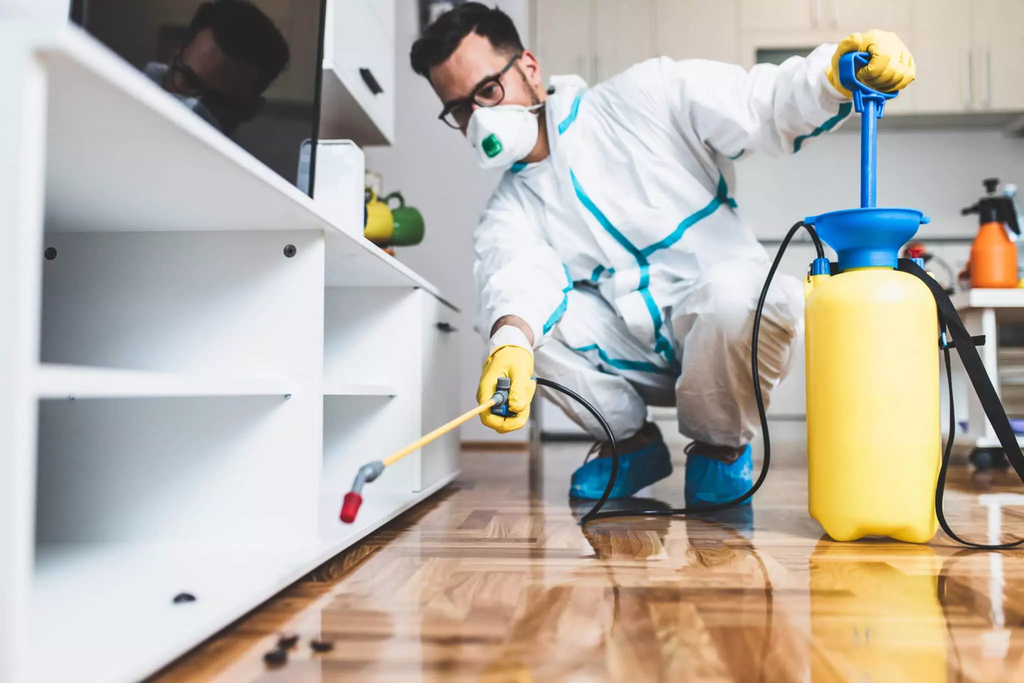
A home’s appearance and its vulnerability to pests are more connected than most people realize. The same decorative choices that make a living space feel warm and personal, thick curtains, layered shelving, lush greenery, can also create hidden pathways and shelter for insects and rodents. Understanding this relationship doesn’t mean stripping a home of character. It means making informed choices about materials, placement, and upkeep so that style and pest resistance work together rather than against each other.
Cluttered Shelving and Storage as Hidden Habitats
Bookshelves, display cabinets, and decorative storage units often become dense collections of objects that rarely get moved. Papers, cardboard boxes, fabric-covered bins, and stacks of unused items create dark, undisturbed pockets that many pests find appealing. Cockroaches, silverfish, and spiders in particular favor these quiet spaces because they offer both concealment and proximity to food crumbs or moisture that may collect nearby.
Reducing this risk doesn’t require minimalism. Rotating displayed items periodically, leaving small gaps between objects for airflow, and choosing closed glass-front cabinets over open, densely packed shelving can preserve a curated look while limiting places for pests to settle. Vacuuming and dusting behind objects rather than just around them also matters more than most homeowners assume.
Heavy Textiles and Fabric-Based Furnishings
Thick drapery, upholstered headboards, and layered rugs add texture and warmth to a room, but fabric holds onto skin cells, dust, and moisture in ways that hard surfaces do not. Bed bugs, carpet beetles, and fleas are known to thrive in fabric-heavy environments, especially when those textiles are rarely laundered or vacuumed thoroughly.
This is one of the areas where seeking guidance from pest control can be genuinely useful, since professionals can identify early signs of fabric-dwelling pests that homeowners often miss until an infestation is already established. Choosing washable slipcovers, lighter drape fabrics that can be laundered more easily, and rugs with removable backing allows for both aesthetic richness and practical maintenance. Regular vacuuming on both sides of rugs and periodic steam cleaning of upholstery further reduces the likelihood of pest activity taking hold unnoticed.
Indoor Plants and the Moisture They Introduce
Houseplants bring life and color into interior spaces, but they also introduce organic material and consistent moisture, two conditions many pests seek out. Fungus gnats are the most common issue, breeding in damp potting soil, but overwatered plants can also attract ants and, in some cases, provide cover for small crawling insects near baseboards where pots are placed.
A few adjustments can keep indoor greenery both attractive and low-risk:
- Allow soil to dry slightly between waterings rather than keeping it consistently damp
- Use pots with proper drainage and avoid letting water sit in saucers
- Inspect leaves and soil periodically for early signs of insect activity
- Keep plants away from direct contact with walls or trim to preserve airflow
These small habits go a long way toward keeping plant displays part of a home’s charm rather than a liability. When infestations do appear despite good care, especially in larger plant collections, it is often worth consulting Clear Defense Pest Control to determine whether the issue is isolated to the plant or has spread into surrounding structural elements.
Poorly Sealed Trim and Decorative Molding
Crown molding, baseboards, and window trim add architectural interest, but gaps behind or beneath these features are among the most common entry points for pests. Wood shrinks and expands with seasonal humidity changes, and over time, small separations form between trim and wall surfaces. These gaps are often invisible during a casual glance but large enough for ants, spiders, and even small rodents to pass through.
Caulking these seams, particularly in kitchens, bathrooms, and exterior-facing rooms, closes off access without altering the visual appeal of the trim. Homeowners who prefer ornate or layered molding designs should be especially attentive here, since more elaborate trim tends to have more seams and joints where gaps can develop.
Damp Materials and Areas With Limited Airflow
Moisture is one of the most reliable predictors of pest activity in a home. Areas behind furniture pushed tightly against exterior walls, under sinks with decorative cabinet skirting, or near humidifiers and reed diffusers can accumulate dampness that goes unnoticed for extended periods. Termites, silverfish, and certain mold-associated pests are drawn to these conditions specifically because they offer both moisture and reduced disturbance.
Improving airflow doesn’t require sacrificing design intent. Leaving a few inches of space between furniture and walls, using furniture risers where appropriate, and choosing cabinet designs with ventilation slats rather than fully sealed skirting can make a meaningful difference. Dehumidifiers in consistently damp rooms, such as basements styled as living spaces, also help maintain conditions that are far less hospitable to pests.
Difficult-to-Clean Corners and Built-In Features
Built-in shelving, window seats, and decorative nooks are popular for their custom look, but their tight corners and limited access often make them hard to clean thoroughly. Dust, crumbs, and pet hair can accumulate in these spaces for months without notice, creating conditions that support pest activity even in otherwise well-maintained homes.
Choosing furniture and built-ins with slightly elevated bases, removable panels, or accessible back panels allows for periodic deep cleaning without undermining the design. When a homeowner notices recurring pest activity near built-in features despite regular cleaning, it often signals a structural gap or void space that requires professional inspection rather than surface-level upkeep.
Final Analysis
Decor and pest prevention are not competing priorities. Thoughtful choices about materials, placement, and maintenance routines allow a home to remain visually rich while significantly reducing the conditions that attract insects and rodents. Small adjustments, better airflow, washable fabrics, sealed trim, and mindful plant care add up to a home that looks intentional and stays genuinely healthier over time. When pest activity persists despite these efforts, it usually points to something hidden within the structure itself, which is where professional assessment becomes a practical next step rather than an admission of failure. Read More at https://mintpaldecor.org/