
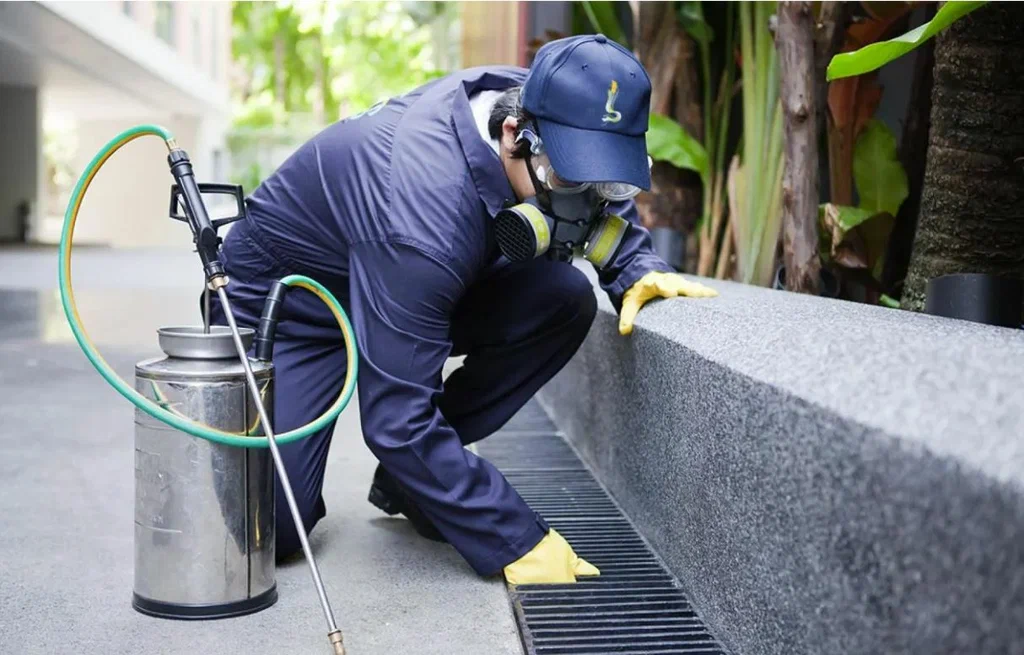
Every homeowner who has poured money into a beautiful kitchen renovation or a carefully styled living room understands that design is about more than aesthetics. It is about protecting an investment. Yet one of the most overlooked threats to a well-designed home has nothing to do with paint colors or furniture placement. It has to do with what is living inside the walls, under the floors, and behind the cabinetry. Pests do not care how much thought went into your open-concept layout or your custom built-ins. They will chew through drywall, nest in insulation, and quietly undermine the structural elements that hold your design together. This is why pest control deserves a permanent place in any serious conversation about home improvement and interior upkeep.
In warm, humid regions, the stakes are even higher. Homeowners working with Native Pest Management often discover that South Florida’s climate creates a near-perfect breeding ground for pests that can undo months of renovation work in a matter of weeks. Understanding the connection between pest activity and interior design outcomes is the first step toward building a home that stays beautiful for the long haul.
Understanding Miami’s Unique Pest Challenges (Climate & Environment)
Miami’s subtropical climate is a double-edged sword for homeowners. The same warmth and humidity that make outdoor living so appealing year-round also create ideal conditions for termites, cockroaches, rodents, and moisture-loving insects. Unlike colder regions where pest activity slows dramatically in winter, South Florida rarely offers that seasonal reprieve. Termites, in particular, thrive in this environment, and drywood and subterranean species are both common threats to wood framing, trim, and cabinetry. Add in frequent rainfall, proximity to canals and green spaces, and older housing stock with aging seals and foundations, and it becomes clear why pest pressure here is persistent rather than occasional.
High humidity also affects how pests behave indoors. Cockroaches and silverfish gravitate toward damp bathrooms and kitchens, while ants and rodents seek shelter in wall cavities where temperatures stay stable. Homeowners who assume pest problems are a minor inconvenience often underestimate how quickly an infestation can spread through a home’s interior systems, especially in properties with crawl spaces or older construction materials that were not built with modern pest barriers in mind.
How Pest Infestations Damage Home Interiors & Design Elements
The design consequences of a pest infestation go far beyond a few unsightly droppings or a stray insect sighting. Termites can hollow out wooden furniture, baseboards, and structural beams before a homeowner ever notices visible damage. Carpenter ants tunnel through moisture-softened wood, weakening cabinetry and window frames. Rodents chew through wiring insulation and can destroy custom millwork while nesting in wall voids. Even smaller pests like carpet beetles can ruin upholstery, rugs, and fabric window treatments that were chosen specifically to complete a room’s design vision.
These issues rarely stay contained. A termite colony that starts in an exterior wall can migrate toward interior trim, while moisture pests that infiltrate bathroom walls can spread mold spores that stain paint and warp drywall. The result is often a costly cycle of repair and redesign that could have been avoided with earlier intervention. For anyone who has invested in custom cabinetry, hardwood flooring, or designer wall treatments, pest damage represents a direct threat to both the visual and financial value of the home.
Preventive Design Strategies: Building Pest-Resistant Spaces
Fortunately, thoughtful design choices can reduce pest vulnerability without sacrificing style. Sealing gaps around windows, doors, and utility penetrations closes off common entry points. Choosing moisture-resistant materials in bathrooms and kitchens, such as tile backsplashes and sealed grout, limits the damp conditions pests seek out. Elevating outdoor storage, trimming vegetation away from exterior walls, and ensuring proper drainage around the foundation all contribute to a home that is naturally less inviting to unwanted visitors.
Interior layout decisions matter too. Keeping furniture slightly away from walls, using sealed storage containers instead of open shelving in pantries, and selecting solid wood or metal furniture over particleboard can all reduce risk. These strategies align well with the broader idea that good design is about solving problems before they appear, not just decorating around them. Homeowners interested in refining these approaches room by room can find additional guidance in the home improvement section of this site.
Professional Pest Management as Part of Home Maintenance Planning
Even the most pest-conscious design cannot eliminate risk entirely, which is why professional inspection and treatment schedules belong in every home maintenance plan. Routine inspections catch early signs of termite activity, moisture buildup, or rodent entry points before they escalate into structural or cosmetic damage. According to the EPA, integrated pest management practices that combine prevention, monitoring, and targeted treatment tend to be more effective and safer for households than reactive, chemical-heavy approaches applied only after an infestation is already visible.
Building a relationship with a local pest management provider allows homeowners to schedule seasonal treatments that align with regional pest cycles rather than guessing when problems might arise. This proactive approach mirrors the same philosophy behind smart interior design: consistency and planning produce better long-term results than sporadic, reactive fixes.
Cost-Benefit Analysis: Pest Control Investment vs. Home Damage Repair
When homeowners weigh the cost of ongoing pest control against the potential expense of repairing pest-related damage, the math consistently favors prevention. Annual pest control contracts are a modest, predictable expense, while termite damage repair or mold remediation from unnoticed moisture issues can run into the thousands of dollars. The table below illustrates general cost ranges based on typical industry figures and EPA-aligned guidance on pest prevention value.
| Service or Repair | Estimated Annual Cost |
| Standard Pest Control Plan | $300 to $600 |
| Termite Inspection & Prevention | $150 to $300 |
| Termite Damage Repair | $3,000 to $8,000+ |
| Mold Remediation from Pest Moisture | $1,500 to $6,000 |
| Cabinetry or Flooring Replacement | $4,000 to $12,000+ |
Conclusion: Protecting Your High-End Design Investment
A beautifully designed home is only as strong as the systems protecting it, and pest control is one of the most underappreciated of those systems. Miami’s climate makes proactive pest management especially important, but the underlying lesson applies everywhere: prevention is always more affordable than repair. Homeowners who treat pest control as part of their design and maintenance strategy, rather than an afterthought, protect both the visual appeal and the financial value of their space. In the end, a truly high-end home is one built on a foundation that is not just stylish, but structurally sound and pest-free. Read More at https://mintpaldecor.org/