
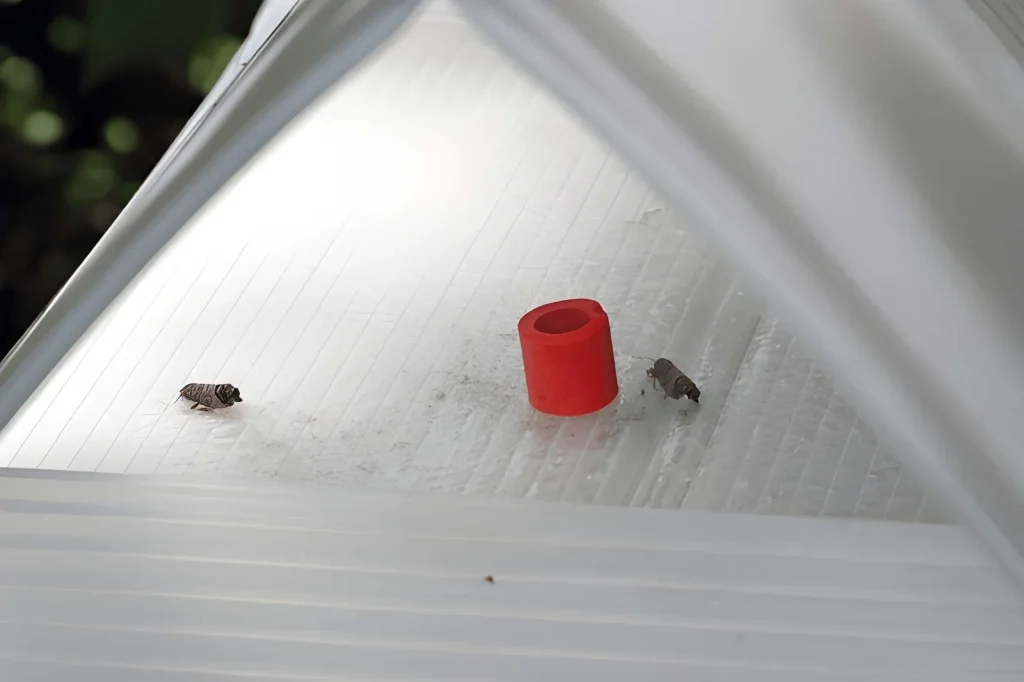
A living room can look completely put together and still hide something unpleasant behind its nicest features. The oversized armchair nobody’s moved in three years, the woven basket tucked in a corner, the rug layered over another rug for texture, these choices make a house feel finished, but they also create exactly the kind of undisturbed pockets where pests settle in without anyone noticing. Style and pest prevention don’t have to work against each other, but it helps to understand where the two collide.
Furniture Placement Sets the Tone for What Gets Missed
Heavy furniture that stays in one spot for years does more than anchor a room’s layout. It blocks a homeowner’s view of the baseboards, corners, and floor space directly beneath and behind it, which is precisely where droppings, shed insect skins, or gnaw marks tend to show up first. A sectional pushed flush against a wall, a bookshelf that hasn’t budged since move-in day, or a media console packed tight against an outlet all create a kind of permanent blind spot in an otherwise well-kept room.
Built-in shelving carries a similar issue, though it’s less obvious because the shelving itself looks intentional and clean. Items stored deep on lower shelves or crammed into corner units rarely get pulled out and checked, and dust or debris that accumulates behind them can mask early signs of ant trails or spider webbing forming in the gaps between the wall and the unit.
Rugs, Curtains, and Baskets Can Work For or Against You
Textiles add warmth to a room, but they also introduce more surface area for pests to hide in or damage without detection. A rug layered over carpet, particularly a thick or heavily textured one, can conceal insect activity happening at floor level, including trails left by ants or the early signs of carpet beetle damage. Curtains that pool on the floor or hang low against a wall offer a similarly quiet spot for spiders, since the fabric folds create small, undisturbed pockets that rarely get shaken out or vacuumed.
Decorative baskets deserve particular attention because they’re often stored with lids on, tucked into corners, and left untouched for months at a time. A basket holding spare blankets or seasonal items can end up housing far more than that if nobody checks inside it regularly. Homeowners who’ve eventually found droppings or nesting material inside a decorative basket often didn’t think to look there until something else, a smell, a stain, a sound, prompted a closer inspection. Reaching out to a team like Corky’s Pest Control in Anaheim at that point usually clarifies how far the activity has actually spread, since what’s visible in one basket rarely tells the full story of what’s happening in the room around it.
Wall Features and Crowded Displays Add Their Own Risk
Gallery walls, floating shelves packed with decor, and statement wall features can all create small gaps between frames, objects, and the wall surface itself. These gaps rarely get dusted individually, and a crowded display makes it harder to notice a stray web forming in a corner or a small trail of debris that wouldn’t stand out against a busy backdrop. The more visually dense a wall arrangement becomes, the easier it is for a homeowner’s eye to skip right past a sign of activity that would be obvious on a bare wall.
This doesn’t mean decorative walls or full shelving need to go. It simply means they benefit from being treated as something to periodically inspect, not just admire. A quick check behind frames and around shelf edges every so often catches problems while they’re still small enough to handle easily.
Decor Choices That Keep Inspection Simple
A few adjustments make it far easier to check for pest activity without giving up on a room’s overall look:
- Leave a small gap between large furniture pieces and the wall so light and airflow can reach the baseboard behind them.
- Rotate or lift area rugs every few months to check the flooring underneath for droppings, damage, or webbing.
- Open lidded storage baskets on a regular schedule rather than assuming their contents are undisturbed.
- Keep curtain hems slightly off the floor and shake or vacuum them periodically to catch webbing early.
- Space out items on floating shelves or gallery walls just enough to make a quick visual check possible without rearranging the whole display.
None of these changes require sacrificing a room’s style. They mostly involve building a habit of looking, since most infestations grow specifically in the places nobody’s checking.
Spotting Trouble Behind the Features You Love
Even with good habits, some signs only surface once a homeowner finally moves a piece of furniture or empties a basket that’s been sitting untouched for a while. Small piles of what looks like pepper near a baseboard, chewed fabric edges on a curtain, or a cluster of webbing tucked behind a picture frame are all worth taking seriously rather than cleaning up and forgetting about. These signs usually mean activity has been present for a while, not that it just started.
When something like this turns up behind a couch, inside a basket, or along a rarely moved shelf, a professional look tends to answer questions a homeowner can’t easily answer alone, mainly how far the activity extends and what’s actually causing it. Corky’s Pest Control in Anaheim can assess whether the issue is isolated to one decorative feature or part of something larger moving through the walls or flooring nearby, which makes it easier to decide on next steps without guessing.
The Bigger Picture
Decorative choices and pest prevention aren’t at odds with each other, but a home’s most stylish features often double as its best hiding spots for droppings, webbing, and damage that go unnoticed for months. Furniture that never moves, textiles that pool or fold, and crowded displays all reduce visibility in ways that have nothing to do with cleanliness. Building in a habit of periodic inspection, lifting rugs, opening baskets, checking behind frames, keeps a home’s look intact while making sure nothing’s quietly settling in behind it. Read more at https://mintpaldecor.org/.