
What Homeowners Should Know Before Selecting Natural Building Stone

Home

Ever notice how a surface can look perfectly fine at first, then slowly start bothering you for reasons you can’t quite name? Not a disaster, just a quiet regret that shows up every time you pass by. Natural stone has a habit of doing that. It blends into a home, then over time reveals whether the choice was thought through or rushed. Stone may age well for decades, or it can start to feel worn out in a few years. The difference is rarely in style. It’s usually expectations that were never discussed.

Stone Is Not as Consistent as It Looks

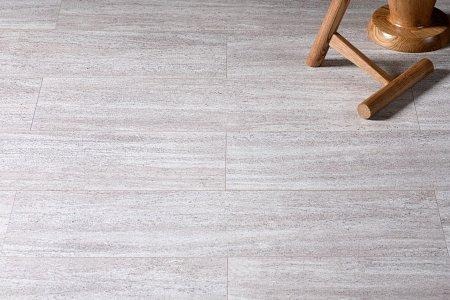
Natural stone often gets treated like tile or concrete, mostly because it’s sold neatly and cut clean. That assumption causes problems. Stone isn’t uniform. It carries veins, soft spots, and internal stress that don’t always show up on a sample board. Two pieces from the same quarry can age in completely different ways once they’re exposed to sun, moisture, foot traffic, and everyday cleaning. Polished stone can wear into visible paths. Rough finishes hide wear but hold dirt. Many issues blamed on stone are really installation shortcuts. When the base shifts, stone answers back, usually with cracks.

Regional Stone and What It Teaches You Early On

Before getting into specific materials, it helps to look at how stone performs where it’s already been used. Regional stone often tells a clearer story than imported options because it has already survived similar weather and soil conditions.

Limestone projects are a good example of this. When you see the same stone used across patios, walkways, and home exteriors in a region, patterns start to emerge. You can see how edges wear, how color softens, how joints hold up over time. These are details that samples never reveal. Many homeowners are opting for gray Lueders stone because it ages slowly and predictably. The color stays calm, the wear feels gradual, and repairs don’t stand out years later. That kind of quiet consistency matters once daily life takes over.

Color and Density Are Practical Choices, Not Style Ones

Color feels like a design decision, but it’s also a maintenance decision. Light-colored stone shows stains sooner, especially in kitchens, entryways, and areas near the garage where oil and dirt tend to travel. Darker stone hides stains better, but it absorbs more heat and can fade unevenly in strong sun.

Density plays an even bigger role, though it’s harder to spot. Denser stone resists moisture and wear better, but it’s heavier, harder to cut, and usually more expensive to install. Softer stone feels warmer and more natural to some people, yet it often needs sealing more often and shows wear sooner.

None of this means one option is better. It means each option asks something different from the homeowner. The mistake is assuming all stone behaves the same just because it looks similar at first glance.

Matching Stone to Real Life, Not Ideal Life

This is where many projects go sideways. People choose stone based on how they hope to live, not how they actually live. A household that cooks daily, has pets, or uses the garage as a working space will stress stone differently than a quieter home.

Outdoor stone has its own reality. Freeze-thaw cycles, standing water, and uneven soil don’t care how expensive the material was. A stone that works beautifully on a covered patio may fail along a driveway edge or walkway. These failures are rarely dramatic. They show up as slow changes that make the surface feel worn out too soon.

Stone doesn’t respond to intentions. It responds to friction, moisture, and weight. Being honest about daily habits usually leads to better choices than chasing durability myths.

Installation Details That Don’t Feel Important Until Later

Most homeowners focus on the stone itself. Installers worry about the details that never make it into design conversations. Joint spacing, drainage paths, and expansion gaps decide how forgiving the finished surface will be.

Stone expands and contracts with temperature changes, even indoors. When it’s locked in too tightly, cracks find their own way out. Good installers plan for movement. Poor ones assume the stone will behave.

Sealing is another area where expectations drift. Sealers slow absorption. They don’t stop it forever. In kitchens or near garage-adjacent areas, resealing is part of ownership, not a failure. Knowing that upfront prevents frustration later.

Living With Stone Over Time

Stone never really stays the same, even when it looks like it should. Edges dull a bit, corners pick up tiny marks, color shifts just enough that you notice one day and can’t remember when it happened. That’s normal. Problems usually start when that slow change is ignored or scrubbed away too aggressively. Strong cleaners, skipped maintenance, and “we’ll fix it later” thinking tend to do more damage than time itself.

Homeowners who stay comfortable with stone usually make peace with its limits early on. They aren’t looking for perfection. They want something that behaves honestly. When stone is chosen with a clear sense of how it wears, it stops feeling like a fight and starts feeling like part of the house.

Read More at https://mintpaldecor.org/

Simple Ideas: interior decoration tips mintpaldecor to Make Your Home Beautiful and Comfortable

A house is not just a space to live. It is where people relax, spend time with family, and feel safe. Because of this, the inside of a house must feel beautiful, relaxed, & the best. Many people think interior design is difficult or expensive, but in reality small and smart changes can make a big difference.

This guide shares very easy and practical ideas anyone can follow. If you want step-by-step improvement in your living space, these interior decoration tips mintpaldecor will help you create a home that feels peaceful and organized.

1. Clean and simple spaces always look better

The first rule of a beautiful home is cleanliness. When a room has too many items, it feels crowded and uncomfortable. Remove extra things and keep only what you need or truly like. Arrange items in straight lines and give every object its own place.

Many people ask what is the most important thing in interior design mintpalment. The answer is simple: cleanliness and order. When everything is organized, the room automatically looks attractive. A clean environment also helps the mind feel calm and relaxed.

Practicing daily organization helps you naturally apply interior decoration tips mintpaldecor in real life. Small habits create visible improvement over time.

2. Good lighting brings life into a room

Lighting changes how a room feels. Natural light is always best. Save walls light in shade so light can enter simply. During the evening, use soft lighting instead of very bright lights. Warm light creates comfort and makes the space feel welcoming.

Placing a small lamp in a corner can add depth and warmth. Light should spread gently instead of hitting the eyes directly. Even a small lighting change can improve the overall look of a room.

If you want to learn how to be better at interior design mintpaldecor, remember this simple rule: control the lighting and the room will naturally look better. This idea is an important part of interior decoration tips mintpaldecor because light affects mood and comfort.

3. Keep colors simple for a peaceful feeling

Colors strongly influence how a space looks and feels. Various colors can create a room that appears busy & uncomfortable. The unique selection is to use 2 or 3 shades only. Light shades like white, cream, soft blue, or light grey make rooms appear bigger and brighter.

If anyone needs contrasting, decor it through little things like cushions and decorations items. Keep walls and large furniture in calm shades. This creates balance and harmony.

Using limited colors is a key part of interior decoration tips mintpaldecor. Simple colors create a calm environment where the eyes and mind can rest.

4. Less furniture creates more space

Avoid filling a room with unnecessary furniture. Every piece should have a purpose. If a chair or table is not being used, removing it can improve the room immediately.

Choose smart furniture that serves more than one function. Storage beds, foldable tables, or wall shelves help save space. Open space allows easy movement and makes the room feel fresh.

This idea supports smart home upgrades mintpalment because it improves both function and appearance. A room with breathing space feels comfortable and natural. That is why space planning is a major part of interior decoration tips mintpaldecor.

5. Decorate walls in a simple and meaningful way

Empty walls can look dull, but too much decoration also feels heavy. A single painting, a family photo, or a small wall shelf is enough to bring life to a wall. Arrange wall items neatly and avoid overcrowding.

If someone wonders why interior design is interesting mintpaldecor, wall decoration is a perfect example. A small change on one wall can transform the mood of the entire room. Design is powerful because simple actions create visible results.

Choose decorations that reflect personal memories or calm visuals. This adds emotional value to the space. Thoughtful wall styling is an essential part of interior decoration tips mintpaldecor because it combines beauty with personal meaning.

6. Plants add freshness and natural beauty

Green plants make a room feel alive and refreshing. However, a little plant in a space or near a window can increase the environment. Green color relaxes the eyes and creates a peaceful atmosphere.

If caring for real plants feels difficult, artificial plants can also provide visual freshness. The goal is to introduce a natural element into the room.

Adding greenery is one of the easiest forms of home upgrading mintpalment. It requires little effort but creates strong visual impact. Because plants bring balance and calmness, they are regularly recommended in interior decoration tips mintpaldecor.

7. Show your look through your house

A house must reflect the individuals living in it. If you like simplicity, keep your design minimal. If you enjoy color, add it gently through small decorative items. Avoid copying someone else’s style completely.

People often search for home upgrading advice mintpalment to improve their living space. The finest tip is to select what creates you feel relaxed & good. Personal touches make a home unique and meaningful.

Following this approach allows you to apply ideas inspired by mintpaldecor naturally in daily life. Personal expression is an important element of interior decoration tips mintpaldecor because design is not only about appearance but also about feeling.

Common mistakes to avoid

Many homes feel heavy because changes are made without planning. Adding too many decorations makes rooms look crowded. Using very dark colors in large areas can make spaces appear smaller.

Ignoring lighting is another common mistake. Poor lighting reduces comfort and beauty. Buying furniture without measuring space can block movement and disturb balance.

Avoiding these mistakes becomes easier when you follow clear and simple interior decoration tips mintpaldecor. Planning before decorating always produces better results.

Make improvements step by step

A home does not become perfect in one day. Begin with cleaning and organization. Improve lighting next. Then adjust colors and furniture slowly. Small weekly changes create lasting results.

When improvements happen gradually, it becomes easier to understand what works best. This thoughtful process makes design natural and comfortable rather than forced.

This practical approach shows why interior decoration tips mintpaldecor focus on simple and real changes instead of complicated ideas. Easy steps bring real improvement.

Final thoughts

Interior design is not about expensive items. It is about comfort, balance, and peace. A home is beautiful when people feel relaxed inside it. Clean space, gentle lighting, simple colors, limited furniture, and personal touches together create harmony.

Anyone can improve their home with patience and awareness. Step by step progress always leads to meaningful change. By following interior decoration tips mintpaldecor, a house slowly becomes a place of warmth, comfort, and happiness.

Why Quick Expert Solutions Matter When Your Fridge Suddenly Stops Working

Dual-tone fridge icon illustration

A refrigerator is one of the hardest-working appliances in any home. It runs around the clock to keep food fresh, maintain safe temperatures, and support daily routines. When it starts showing signs of trouble, the inconvenience goes far beyond a simple household disruption.

Food spoilage, unexpected expenses, and stress can quickly follow.

Understanding the importance of timely refrigerator servicing helps homeowners make informed decisions before small problems become major breakdowns.

Common Refrigerator Problems Homeowners Experience

Modern refrigerators combine advanced cooling technology with electronic components. Over time, wear and tear can affect their performance.

Some of the most common issues include:

  • Fridge not cooling properly
  • Freezer compartment becoming too warm
  • Excessive frost build-up
  • Water leaking onto floors
  • Strange buzzing or clicking noises
  • Ice maker malfunctions
  • Door seals losing effectiveness
  • Refrigerator cycling constantly
  • Unpleasant odours despite cleaning

These warning signs often indicate underlying mechanical or electrical issues that require professional attention.

Why Ignoring Small Issues Can Cost More

Many people delay repairs because the appliance still appears functional. Unfortunately, hidden faults rarely improve on their own.

A failing thermostat may force the compressor to work harder. Damaged door seals increase energy consumption. Refrigerant problems can compromise cooling efficiency.

Addressing problems early can help avoid:

  • Costly food waste
  • Higher electricity bills
  • Complete compressor failure
  • Expensive appliance replacement
  • Unexpected household disruption

Fast action often saves both time and money.

Choosing trusted professionals for fridge repairs allows homeowners to restore cooling performance quickly while protecting one of their most valuable kitchen appliances.

Refrigerator Brands That Commonly Need Professional Servicing

Experienced technicians regularly repair a wide range of refrigerator brands.

These include:

  • Samsung
  • LG
  • Fisher & Paykel
  • Bosch
  • Electrolux
  • Westinghouse
  • Whirlpool
  • Haier
  • Miele
  • Hisense
  • Panasonic

Each manufacturer uses different technologies, control systems, and cooling mechanisms. Specialist knowledge improves diagnostic accuracy and repair quality.

Repair or Replace: Making the Right Decision

Many homeowners ask whether repairing an existing fridge makes financial sense.

The answer depends on several factors.

ConsiderationRepairReplacement
Minor Component FailureOften RecommendedUsually Unnecessary
Appliance AgeSuitable for Newer ModelsBetter for Older Units
Initial CostLower ExpenseHigher Investment
Environmental ImpactReduces WasteIncreases Disposal Concerns
DowntimeFaster SolutionDelivery May Take Time

In many situations, repairing a quality refrigerator offers better value than immediate replacement.

Preventative Maintenance Helps Avoid Breakdowns

Routine care can improve efficiency and extend appliance lifespan.

Simple maintenance habits include:

Clean Condenser Coils

Dust build-up forces the cooling system to work harder.

Check Door Seals

Tight seals maintain stable temperatures and reduce energy use.

Avoid Overloading

Proper airflow supports efficient cooling.

Set Correct Temperatures

Recommended settings help preserve food safely.

Schedule Professional Inspections

Technicians can identify developing problems before they escalate.

Preventative maintenance reduces the likelihood of unexpected emergencies.

Signs You Need Immediate Professional Assistance

Certain symptoms should never be ignored.

Food Spoiling Quickly

Temperature inconsistencies can create food safety concerns.

Loud Mechanical Noises

Grinding, rattling, or clicking sounds may indicate failing components.

Persistent Water Leaks

Leaks can damage flooring and nearby cabinetry.

The Fridge Stops Running Completely

Electrical failures require expert diagnosis.

Burning Smells

Disconnect the appliance and seek professional help immediately.

Early intervention often prevents more serious and expensive repairs.

The Growing Need for Reliable Appliance Support

Households across Australia, the USA, and the UK rely heavily on refrigeration systems every day. Busy lifestyles leave little room for appliance failures.

Access to experienced technicians provides reassurance during unexpected breakdowns.

Professional refrigerator servicing supports:

  • Better food preservation
  • Improved energy efficiency
  • Reduced household stress
  • Lower long-term expenses
  • Extended appliance lifespan
  • Sustainable appliance ownership

A refrigerator is more than a kitchen appliance. It protects groceries, supports family routines, and contributes to everyday convenience. Prompt repairs and regular maintenance help ensure dependable performance for years to come.

Read More at https://mintpaldecor.org/

The Quiet Home Problems That Cost a Fortune When You Ignore Them

Your home talks to you. Not literally, obviously. But it drops hints all the time.

A stain on the ceiling that wasn’t there last month. A scratching sound behind the wall at night. A soft spot on the roof that looks different after heavy rain.

Most of us see these signs and think, “I’ll deal with that later.” Then later turns into next month. Next month turns into next season. And by the time you actually pick up the phone, a small fix has become a major project.

It happens to nearly every homeowner. The problems that cause the most damage are rarely the loud, dramatic ones. They’re the slow, quiet ones that build up behind the scenes while you’re busy worrying about paint colours and cushion covers.

This guide is about catching those problems early. We’ll cover three areas that tend to fly under the radar: roofing wear that sneaks up on you, rodent issues that get out of hand fast, and the decision to replace a roof entirely when repairs stop making sense.

Not glamorous stuff. But the kind of stuff that saves you thousands.

That Roof Is Trying to Tell You Something

Most people never look at their roof. Not properly. You glance at it from the driveway, maybe notice a bit of moss, and move on.

But your roof takes a beating every single day. Sun, wind, rain, frost. It cops all of it without complaint. Over time, even the toughest materials start to break down.

Butynol roofing is a common choice for flat and low pitch roofs. It’s rubber based, flexible, and handles temperature swings well. But it’s not invincible. Seams can lift. Edges can pull back. Pooling water from blocked drainage slowly eats into the membrane.

When that starts happening, the damage often moves inward before you spot anything from the outside.

The first clue is usually a damp patch inside the house. Maybe a musty smell in a room that used to be fine. Or bubbling paint in a corner of the ceiling. By that point, water has already been sitting in your insulation or framing for a while.

That’s the frustrating thing about roof damage. It doesn’t announce itself.

If you’ve got a flat or low angle roof with butynol membrane, it’s worth booking an inspection before anything obvious shows up. Professionals who handle butynol roof repairs can spot weak points that are invisible to most homeowners. They check seams, flashings, drainage, and membrane condition, all the things you’d never notice from the ground.

Catching a small tear or lifted edge early might cost you a fraction of what a full ceiling repair and re roofing job would run.

The other thing worth knowing? A leaking roof doesn’t just damage the structure. It wrecks your interiors too. That freshly painted feature wall, those new curtains, the timber flooring you spent weeks choosing. Water doesn’t care how much any of it costs.

The Scratching in the Walls Isn’t Your Imagination

Now let’s talk about something most people really don’t want to deal with. Rodents.

Nobody wants to admit they’ve got mice or rats in the house. It feels personal, like you’ve done something wrong. But here’s the truth: rodents don’t care how clean your kitchen is. They’re looking for warmth and access. If your home has a gap they can squeeze through, they’ll find it.

And they don’t need much. A mouse can fit through a hole the size of a coin. Rats need slightly more room, but they’re persistent and surprisingly strong. They’ll chew through soft wood, plastic, and even low grade metal to get where they want to go.

Once inside, they multiply fast.

A single pair of mice can produce dozens of offspring in just a few months. Before you know it, you’re not dealing with one mouse in the pantry. You’re dealing with a colony in the ceiling.

The signs are usually subtle at first. Droppings behind the fridge. Gnaw marks on food packaging. Small holes in skirting boards. That scratching or scurrying sound at night that you keep blaming on the house “settling.”

If any of that sounds familiar, don’t wait.

Rodents cause more damage than most people realise. They chew electrical wiring, which is a genuine fire risk. They contaminate food and surfaces with droppings and urine. They damage insulation. And they leave trails that attract more rodents over time.

Store bought traps and poison can help with a minor situation. But once things escalate, you need proper rodent control that goes beyond surface level fixes. A trained technician will identify entry points, assess how widespread the problem is, and set up a plan that actually eliminates the issue rather than just managing it.

They’ll also advise on how to seal your home against future invasions. Because killing the rodents already inside doesn’t help much if the entry points are still wide open.

Prevention is pretty straightforward once you know what to look for. Seal gaps around pipes. Fix broken vents. Keep food in airtight containers. Trim branches that touch the roofline.

That last one matters more than you’d think. Rats are excellent climbers. A tree branch touching the roof is basically a highway into your ceiling cavity.

The point is, rodent problems don’t get better on their own. They get worse. And the longer you leave it, the more it costs to fix both the pest issue itself and the damage they’ve caused while you were hoping it would go away.

When Patching Stops Making Sense

Let’s circle back to roofing for a moment. Because there’s an important conversation most homeowners avoid until it’s forced on them.

At what point do you stop repairing and start replacing?

It’s a fair question. Repairs are cheaper in the short term. A patched leak here, a re-sealed edge there. You can stretch a tired roof for a while with regular fixes. But at some point, the maths stops working.

If you’re calling someone out every season to patch a new problem, the costs stack up fast. And each repair is really just buying time on a roof that’s past its peak.

There’s also the issue of hidden damage. A roof that needs frequent patching may already have moisture trapped in the underlying structure. Repairing the surface doesn’t fix what’s rotting underneath. In those cases, continued patching can actually make things worse by sealing moisture in rather than keeping it out.

That’s when it’s time to think about a full replacement.

A new roof is a significant investment. No getting around that. But it’s also one of the highest return upgrades you can make on a property. It protects everything underneath, improves energy efficiency, and adds real value if you ever decide to sell.

The key is working with someone who can properly assess whether you’re at the repair stage or the replacement stage. Not every roofing company will tell you the honest answer, because repairs mean repeat business.

A good re-roofing specialist will walk you through the condition of your current roof, explain what’s salvageable and what isn’t, and give you a clear picture of your options. They’ll talk about materials suited to your climate, timelines, and what the job will realistically involve.

It’s not a decision you need to rush. But it is one you should make with proper information rather than guessing.

One good rule of thumb: if your roof is more than a couple of decades old and you’re repairing it more than once every few seasons, get a professional opinion on replacement. Even if the answer is “not yet,” you’ll know where you stand and can plan ahead.

Planning ahead is always cheaper than reacting in a panic. Always.

The Bigger Picture

These three issues, roofing wear, rodent problems, and the repair vs replace decision, share something in common. They all punish procrastination.

A small butynol tear becomes a soggy ceiling. A single mouse becomes a colony. A tired roof becomes a structural headache.

The homeowners who save the most money aren’t necessarily the ones with the biggest budgets. They’re the ones who pay attention to the boring stuff. The maintenance. The inspections. The little fixes that prevent big ones.

It’s not exciting. It doesn’t look good on a mood board. But it’s the foundation everything else sits on. You can have the most beautifully decorated living room on the street, and none of it matters if water’s dripping through the ceiling or rodents are chewing through your wiring.

Think of home maintenance like health. You don’t wait until you collapse to see a doctor. You get checkups. You catch things early. You deal with problems when they’re small and manageable.

Your house deserves the same approach.

Start with whatever’s been nagging at you. That damp patch you’ve been ignoring. That sound in the wall. That section of roof that looked a bit off last time you were in the garden.

Pick one thing. Get it checked. Sort it out.

Then move on to the next.

That’s how you protect your home. Not with one big renovation, but with a hundred small, smart decisions made at the right time.

Read More at https://mintpaldecor.org/

Home Addition Designers: How to Match a New Addition to Your Existing Home’s Design Style

Home's Design Style
https://unsplash.com/photos/a-car-is-parked-in-front-of-a-house-hmlP-v0vJ5o

You want your new home addition to look like it always belonged there.

Every homeowner does. Few succeed.

Either your addition flows with the original architecture and design. Or you end up with a permanent eyesore.

Who wants that?

Choosing the right home addition designers can mean the difference between adding value to your home. And ruining its aesthetics.

Don’t worry, there’s good news…

It’s very possible to match any new addition to your home’s existing design style. You just have to break it down into simple elements.

From roofline and materials to windows and foundation. And you have to hire a killer team to execute.

Here’s what we’ll cover:

  • Why Design Continuity Is Important For Home Additions
  • How To Define Your Existing Home’s Design Style
  • 5x Elements To Match Your New Addition To Your Home’s Exterior
  • Match Your Home’s Interior Design
  • Finding The Right Home Addition Designers

Let’s jump in.

Why Design Continuity Is Important For Home Additions

Did you know that more homeowners are renovating rather than moving? According to Angi’s newest findings, 67% prefer upgrading their current home over relocation.

17% of homeowners are planning to build a new addition. Think things like in-law suites, bonus rooms and expanding for multi-generational living.

But here’s the problem.

Half of those additions look like they don’t belong. There’s nothing worse than a home addition that sticks out like a sore thumb.

That’s why working with qualified home addition contractors that understand design continuity is so important.

When home additions match the existing structural design, homeowners get something much more valuable than extra square footage.

They get home extensions that are virtually invisible. Let’s look at an example…

Imagine two families who build the same size addition on their home. Family #1 works with general contractors who don’t specialize in additions.

Family #2 works with home addition specialists that pride themselves on design continuity.

How do you think these two additions are going to look?

Additions that fail to match the existing home lower curb appeal and can even hurt resale value. You can literally lose money by having an “addition”.

When they blend in, home additions appear to be original to the home. That’s a million dollar difference.

How To Define Your Existing Home’s Design Style

If you want your new addition to match your existing home’s architecture, you first need to understand your current style.

Let’s review:

  • What is your home’s architectural design style? (Craftsman, colonial, mid-century modern, ranch etc.)
  • What exterior materials are currently being used? (Siding, brick, stone, stucco etc.)
  • What does your roofline look like? Pitch, shape and material.
  • What window style is used and how are they spaced?

These four factors are crucial when beginning your home addition project.

Your design team should document and analyze everything about your existing home’s exterior before jumping into the new design.

Don’t forget about the interior design elements either.

Again, match the flooring, trim work, ceiling heights, moulding profiles. Even the layout should follow the same design mentality.

Your addition needs to blend in with both the exterior and interior of your existing home.

5x Elements To Match Your New Addition To Your Home’s Exterior

Alright, let’s dive into the nitty-gritty.

These five aspects of home construction make or break your ability to match a new addition to your existing home.

They are:

  • Roofline
  • Exterior Materials
  • Window and Door Consistency
  • Interior Floor Planning and Finishes
  • Foundation and Structure

Match The Roofline

The first thing people see when they look at your home is the roof.

If your addition has a different roof style or pitch than the existing structure, everyone will know your home was “added onto”.

Here’s what you should plan to match:

  • Roof pitch angle
  • Roofing material and color
  • Ridge lines connect seamlessly

A bad roofline transition is the number 1 thing that gives away a home addition. Don’t let this be you.

Match Exterior Materials

This should seem obvious but you would be surprised at how many additions get this wrong.

Brick ages over time. The brick made thirty years ago may not come in the same shade you have on your home.

Trust your home addition designers to source materials that can either be colored to match or will naturally weather to your existing materials.

Use Similar Window and Door Styles

Windows and doors are the eyes of your home. They define its character.

Your new addition should utilize identical window style, sizing and spacing as the rest of your home. Including:

  • Frame material and color
  • Grid style (if applicable)
  • Window trim style
  • Correct proportional placement on the exterior wall

DO NOT mix window styles between your current home and new addition.

Match Your Home’s Interior Design

A few interior design elements have already been touched on. Like flooring and trim work.

Here are some others to pay attention to:

The spacing between your existing home and addition should feel like one unified space.

  • Ceiling heights should remain constant.
  • Light fixture styles should match.
  • Interior door styles should match.

When families walk out of their original home and into the new addition. They shouldn’t even notice they walked into a new room.

But they will notice if something is off.

Plan The Foundation And Structure Carefully

This is often overlooked by new homeowners but never by seasoned home addition designers.

The foundation your new addition sits on should take into consideration how the original home settled and graded.

If not, you may experience:

  • Uneven floors between your current home and addition
  • Cracks at the connection point
  • Water drainage issues

This magical union of old and new is where home addition designers and structural engineers really cook up something amazing.

Hire somebody who has done this dance before.

Finding The Right Home Addition Designers

You can have the best idea in the world for an addition that matches your existing home. But if you don’t have the right team to execute, it won’t happen.

When looking for home addition designers, look for the following traits:

  • Portfolio of past homes that have additions blending into existing homes
  • In-depth knowledge of the local building codes and residential styles
  • Take the time to document and analyze your existing home
  • Work with a qualified structural engineer when planning your addition

Home addition designers who spend significant amounts of time studying your existing property before jumping into design plans are the ones that will deliver jaw-dropping additions that blend seamlessly with your home.

Adding to your home is part art, and part science.

You have to account for every detail from the roof down to the interior finishes.

And if you rush into picking contractors without doing your research, you’ll end up with a mismatched addition.

Educate yourself on what it takes to match a home addition to your existing home’s design style.

Then hire the right professionals who have been there and done that before.

Pulling Your Design Together

Adding on to your home doesn’t have to be an afterthought. In fact it shouldn’t be.

You live in your home every day. Don’t ever settle for an addition that looks like it was haphazardly thrown together.

Take your time, understand your existing home’s design language and find professionals who will help make your dream home addition come to life.

It should look like it was always meant to be there.

And when you follow all the steps in this guide, it will!

Read More at https://mintpaldecor.org/

12 Smart Ways to Do Home Upgrades Mintpalment for a Happier Living Space

A house is not only walls & a roof. It is the place where people rest, learn, and grow. When a home feels comfortable, life feels easier. Many people think improving a home needs a big budget, but small changes can create a big difference. That is why learning about home upgrades mintpalment is helpful for every family. These tips below are easy, practical, as well as simply to learn.

1. Start with clean and open space

The first step to a better home is cleanliness. When a room is clean, it looks brighter and feels calm. Try to keep only useful things in each area. Extra items can be placed in boxes or shelves. When space is open, people can move freely and feel relaxed.

This simple habit is the base of home upgrades mintpalment. It shows that improvement is not always about buying new things. Sometimes, removing clutter is the best upgrade.

2. Use light in a smart way

Light changes how a room feels. Natural light from windows makes a space fresh and lively. In the morning, open windows to let sunlight in. At night, soft warm lights create a peaceful mood.

Various learners need to understand layout skills & often find for how to be better at interior design mintpaldecor. One of the easiest answers is to understand light. Good lighting makes every room look more welcoming.

When light is balanced, home upgrades mintpalment becomes visible without extra effort. The room simply feels better.

3. Choose colors that support comfort

Color affects human emotions. Light colors make a room look bigger. Beautiful shades help individuals feel comfortable. Dark shades bring energy & relax. Choosing the right color depends on how the room will be used.

People who want simple ideas often explore home upgrading advice mintpalment to understand how small color changes improve daily life. Even changing cushion covers or wall paint can refresh the entire room.

The correct shades used is a main point of home upgrades mintpalment since it changes both looks & mood at the exit time.

4. Furniture should be useful and simple

Furniture must help daily life, not make it difficult. Big furniture in a little room makes problems. Many furniture is a best choice. A bed with storage and a big table keeps space & saves the space organized.

Design becomes interesting when function and beauty work together. Various individuals tell why interior design is interesting mintpaldecor. It is interesting because it solves problems while improving comfort.

Choosing practical furniture supports home upgrades mintpalment by making everyday tasks easier and smoother.

5. Comfort is always the top priority

A home should support relaxation. Soft seating, clear walking space, and calm lighting help people feel at ease. The decor is great, but relaxing is important.

Many individuals wonder what is the most important thing in interior design mintpalment. The answer is simple: comfort and usability come first. Style is meaningful only when people feel good in the space.

When comfort is the main goal, home upgrades mintpalment naturally improves the quality of life.

6. Bring nature inside the home

Nature creates a peaceful atmosphere. Small indoor plants can make a room feel alive and fresh. Plants do not need to be large or expensive. Even a simple green plant on a table changes the environment.

People exploring design inspiration sometimes look into mintpaldecor ideas to understand how natural elements support balance in a home. Nature softens the environment and helps people feel calm.

Adding natural touches is an easy step in home upgrades mintpalment because it improves mood without complex changes.

7. Personal experience Make emotional connection

A house is a beautiful whenever it reflects the individual living in it. Family photos, favorite colors, or handmade items give a space personality. These small details make the environment warm and welcoming.

This idea connects closely with home upgrading mintpalment, where improvement focuses on real living needs instead of appearance alone. A personal touch transforms a house into a place of belonging.

Personal expression is an important part of home upgrades mintpalment because comfort grows when people feel connected to their surroundings.

8. Little budget changes can be best

Decor a house doesn’t need big spending. Simple changes like adding a rug, updating curtains, or organizing shelves can refresh a space quickly. Planning and creativity matter more than cost.

Many beginners search for interior decoration tips mintpaldecor to find practical ideas they can apply immediately. The best improvements are often simple and easy to maintain.

Budget-friendly changes prove that home upgrades mintpalment is possible for everyone, regardless of financial limits.

9. Make daily routines easier

A well-designed home supports everyday activities. The kitchen should allow easy cooking. The study area should be quiet and organized. The bedroom should support rest and peace.

Design success is measured by how easily people live in space. When movement is smooth and tasks feel simple, the environment works well.

This practical thinking strengthens home upgrades mintpalment by focusing on real-life use instead of decoration alone.

10. Learn by observing and adjusting

Every home is different. What operations in single area may not operation in another. The best way to improve is to observe how the space is used and make small adjustments over time.

Move furniture if needed. Try different lighting. Test color changes slowly. Experience helps people understand what feels right.

Learning through experience supports home upgrades mintpalment because improvement becomes a natural and ongoing process.

11. Family comfort creates true success

A home must support everyone living in it. Children need safe space to play. Adults need a calm space to rest. Elder family members need easy movement. When everyone feels comfortable, the home functions well.

A supportive environment shows the true value of home upgrades mintpalment. Improvement is meaningful only when it benefits real daily living.

12. Simple principles that always work

Three simple principles guide every improvement: cleanliness, comfort, and balance. When these elements exist together, a home naturally looks pleasant and welcoming.

People often try complex design ideas, but simple solutions usually work best. A clear and calm environment helps people focus, relax, and enjoy their space.

Final Thoughts

Improving a home is not a difficult task. It is a gradual process based on small, thoughtful changes. Clean spaces, balanced light, useful furniture, natural elements, and personal touches create a better living environment. These ideas are easy to apply and easy to maintain.

When people focus on real comfort and practical needs, home upgrades mintpalment becomes a natural part of daily life. A peaceful home supports a peaceful mind. Small improvements made with care can create lasting positive change for every family.

By understanding simple design choices and applying them slowly, anyone can create a space that feels safe, welcoming, and truly their own.

When Design Meets Reality: Bridging the Gap Through Fabrication Expertise

In construction and manufacturing, a design is only as good as its execution. Architects and engineers can dream up stunning, functional concepts, but turning those ideas into physical reality requires a skilled translation from drawings to durable, precise components. This is where fabrication expertise becomes essential. Transforming design intent into real-world performance, while managing the challenges that inevitably arise between imagination and implementation.

Understanding the Role of Fabrication

Fabrication is the art and science of shaping raw materials into finished components that meet detailed specifications. Whether it’s structural steel for a high-rise, custom metalwork for architectural features, or precision parts for industrial machinery, fabrication brings design to life. But the path from concept to material isn’t always straightforward. Designers think in idealized terms; fabricators must solve practical challenges such as material behavior, welding limitations, tolerances, and installation logistics.

Expert fabricators don’t just follow blueprints, they interpret them. That interpretation requires a deep understanding of how materials respond under stress, how fabrication methods impact performance, and what adjustments are necessary to maintain both design integrity and constructability.

Bridging the Gap With Technical Know-How

One of the biggest areas where fabrication expertise adds value is in technical problem-solving. Complex designs may call for non-standard shapes, tight tolerances, or multi-component assemblies that require careful sequencing. A seasoned fabricator anticipates issues such as thermal distortion during welding, fit-up challenges between components, or interferences that aren’t always evident on paper.

For example, some architectural metal panels may look stunning in renderings, but without precise planning for how they will join, support loads, and accommodate movement, they can be difficult to install. Skilled fabricators collaborate early in the process, suggesting adjustments that preserve design aesthetics while ensuring practicality and performance.

Leveraging Technology and Precision Tools

Modern fabrication facilities combine traditional craftsmanship with advanced technologies like CNC cutting, laser profiling, and robotic welding to achieve high precision and repeatability. These tools allow fabricators to produce complex parts with consistent quality, reduce material waste through optimized nesting, and maintain tight tolerances across large production runs.

By integrating digital fabrication into the workflow, fabricators ensure that the finished product aligns closely with design intent. This level of precision is especially critical when components must fit together seamlessly in the field, which minimizes rework and installation delays.

Collaboration Is Key

Effective collaboration between designers, engineers, and fabricators helps prevent costly last-minute changes. When fabricators are engaged early, they can provide feedback on constructability, material selection, and cost-effective alternatives.

This collaborative approach fosters innovation; for instance, by suggesting alternative joinery methods that improve structural performance or recommending materials that better suit environmental conditions without compromising aesthetics.

Meeting Real-World Constraints

Designs must also take into account real-world constraints such as code requirements, site limitations, and budget realities. An expert fabricator helps balance these factors by identifying opportunities to streamline fabrication and assembly, propose efficient material choices, and suggest solutions that maintain design intent while respecting practical limitations.

The Impact of Fabrication Expertise

When fabrication expertise is integrated into the project lifecycle, designs transition smoothly from concept to reality. The result is a finished product that behaves as intended, installs efficiently, and performs reliably over its service life. What might have been merely an idea on paper becomes a tangible asset.

Ultimately, bridging the gap between design and reality is about communication, foresight, and a deep commitment to quality. Expertise in fabrication ensures that visionary designs don’t just remain aspirational, but become enduring structures and components that stand the test of time.

Read More at https://mintpaldecor.org/

The First 10 Minutes of a Gutter Inspection: What Pros Look For

When a professional steps up to inspect a gutter system, the first 10 minutes are all about identifying the most common and costly issues before they lead to serious water damage. An inspection goes far beyond a quick visual check. Professionals use a trained eye to evaluate function, structure, and potential trouble spots that homeowners might miss. Proper inspection is about assessing how well the system protects the entire home.

1. Quick Visual Sweep From the Ground

Even before climbing a ladder, experienced inspectors start with a ground-level overview. From here, they look for obvious signs of distress: sagging sections, gutters pulling away from the fascia, visible rust spots, or streaks on the exterior walls that indicate past overflow. These early visual cues help pros prioritize what needs a closer look once they get up to roof height.

2. Debris and Blockage Assessment

Inside the first few minutes of getting hands-on, they begin checking for debris buildup. Leaves, sticks, pine needles, and even small animal nests can clog gutters and downspouts, preventing proper drainage. Clogs cause water to back up and overflow the gutter edge, leading to water damage on siding, soffits, and foundations. Clearing debris is a functional test of how freely water can move through the system.

3. Checking for Leaks, Rust, and Holes

Pros meticulously inspect the inside surfaces and seams of gutters for rust spots, cracks, or small holes. Even minor leaks can allow water to escape at the wrong place, running down siding or pooling at the base of the home. These small defects might go unnoticed by an untrained eye, but they’re among the first things an inspector checks because they signal compromised water control.

4. Gutter Alignment and Pitch

The way gutters are angled has a big impact on how well water flows toward the downspouts. Professionals check whether the gutters have the correct pitch. Misaligned or sagging gutters can trap water, leading to rust, stretching of the gutter material, or ice dams in colder climates. Detecting misalignment early prevents bigger issues later.

5. Downspout Inspection

Downspouts are just as important as the gutter channels themselves. Inspectors look for clogs, crushed sections, or places where downspouts discharge too close to the foundation. Properly functioning downspouts should move water away from the home’s base, ideally 3–6 feet or more depending on grading. When downspouts fail to divert water effectively, it’s often revealed early during an inspection.

6. Fasteners and Attachments

Loose hangers, worn brackets, and failing fasteners are another early focus. These components keep the gutter system securely attached to the home. If they’re loose or corroded, the gutters can begin to sag or pull away, failing to catch runoff properly. Inspectors tighten what they can and note where replacements are needed before issues escalate.

7. Evidence of Water Damage

Professionals look for signs of previous or ongoing water problems: staining on the siding or fascia, rot at the roofline, or pooling on the ground beneath the gutters. These clues tell a story about how water has behaved in past rain events and help the inspector tailor recommendations to stop future damage. 

Conclusion
In those first 10 minutes, a trained technician gathers valuable insights by combining visual cues with functional tests. A gutter inspection does more than clean,  it diagnoses the system’s ability to protect your home. Early detection and corrective action can prevent costly repairs down the line and ensure that your gutter system continues to do its essential job.

Read More at https://mintpaldecor.org/