5 Stylish Ways to Decorate Around Casement Windows Ottawa in Modern Homes

Windows

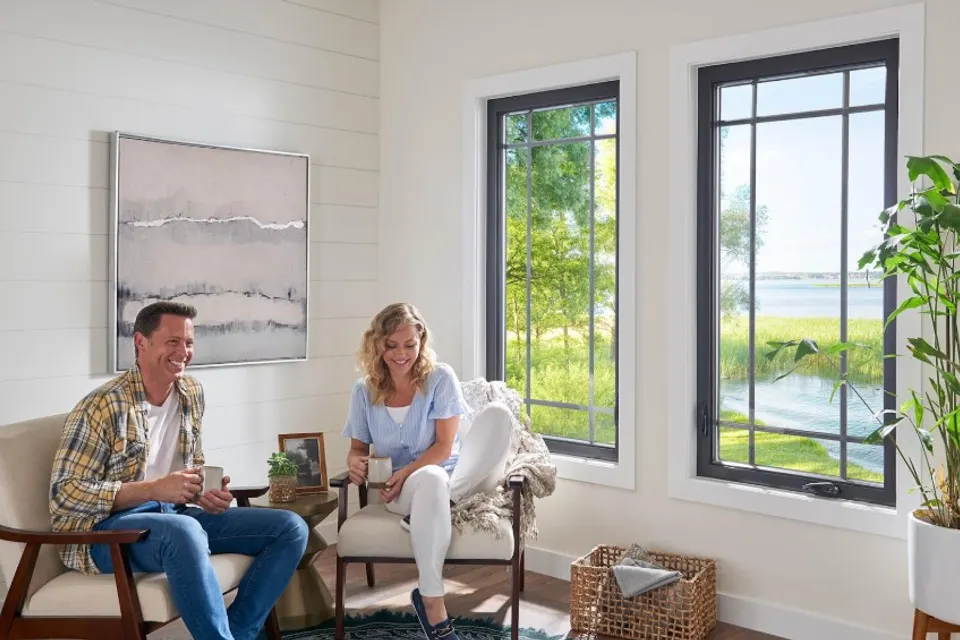
Casement windows are a favorite in modern interiors because they suit clean architecture and bring in generous daylight. They also come with design constraints that standard sliders don’t. The sash swings outward, the crank and lock hardware need clearance, and screens are often part of daily life in warm months. Decorating around these details is where many homes either look polished or feel slightly “off,” with curtains that snag, plants that block operation, or furniture that turns the window into a dead zone.

A well-planned window area does more than look good. It keeps airflow practical, protects trim and finishes, and makes the room feel intentionally designed instead of accidentally filled. The ideas below focus on styling that respects how casement windows work while keeping a modern home’s lines crisp and current.

Start with function first: keep operation smooth and sightlines clean

Curtains and shades should never compete with a crank handle. Hardware needs room to turn, and the sash needs a clear route to open fully. That’s why inside-mount options tend to perform best around casements in modern homes. The goal is a treatment that sits cleanly within the frame, stays out of the way, and still provides light control.

During planning, a glance at options like casement windows Ottawa can help clarify typical casement details such as crank placement and sealing design. That reference makes it easier to choose window treatments that won’t interfere with daily operation. Buildmart’s casement page is also useful for understanding what “tight seal” design often looks like in newer units, which affects how trim lines and shade mounts can be kept clean.

Skip bulky layers where handles and locks need room

Modern rooms often look best when window treatments are streamlined. Thick, layered curtains can still work, but they need to be planned so they stack away from the opening and don’t rest on the crank area. When the window is used often, low-profile shades paired with minimal side panels usually keep the space calmer and more functional.

A practical rule: if the hardware is used daily, the treatment should feel invisible during operation. That keeps the room from becoming a constant adjustment project.

Use modern window treatments that look sleek and stay practical

Roller shades match modern interiors because they vanish when raised and look sleek when lowered. Solar shades are ideal for reducing harsh light while keeping the room bright, making them a smart fit for home offices, TV areas, and rooms that get strong afternoon sun from the south or west. For a built-in look, choose a shade with a slim fascia or cassette to create a neat top edge without adding bulk. An inside-mount install keeps trim lines sharp.

Drapery can work with casement windows when it frames the opening instead of crowding it. Mount the rod wider than the window so panels stack on the wall and the sash can open freely. Structured styles like pinch-pleat or ripple-fold suit contemporary spaces. Floor-length panels also add height and polish, even on average-sized windows.

Build a “window zone” with furniture that fits the opening

A window area becomes useful when furniture respects the opening’s geometry. Low benches and slim consoles can create a finished “zone” under a casement window without blocking operation. The key is depth and spacing. Pieces that sit too tall or too close can make it hard to reach the crank and screen.

A good modern approach is a narrow bench paired with a small side table instead of a deep chair pressed into the corner. This keeps circulation open and preserves access to the window. If the window opens above the piece, leave enough clearance for hands and hardware.

Plants and styling pieces that handle airflow and sun

Plants can elevate a window wall, but they should be chosen and placed with real use in mind. A cluster of pots directly in front of the crank becomes annoying fast. A better approach is grouping plants on a tray or riser placed off to one side, leaving the operating area clear.

Sun exposure should guide selection. Bright windows can support thriving greenery, but heat and dry winter air may require more resilient varieties. Moisture-safe trays also protect painted sills and wood surfaces from rings and staining.

Upgrade the surrounding details for a high-end finish

Modern rooms show details. Slightly uneven caulk lines and inconsistent paint edges stand out more when the look is minimal. A window refresh is a perfect moment to bring trim into alignment visually: sharp corners, straight paint lines, and a consistent sheen.

A subtle satin finish on trim often performs well because it wipes clean and reflects light softly. Flat finishes can look great too, but they show scuffs and fingerprints more easily, especially in high-touch areas near cranks and locks. Clean transitions also help the window feel “built-in” rather than added later.

Hardware, screens, and accents that feel intentional

Casement hardware is visible, so it can be treated like a design element instead of an afterthought. Coordinating finishes with nearby elements – such as cabinet pulls in a kitchen or faucet finishes in a nearby wet area – can make the room feel cohesive.

Screens matter visually as well. A clean, tight screen reads modern. A bowed or dusty one makes the whole window wall feel less finished. Regular screen cleaning and a check for sagging corners can keep the window area looking crisp.

Buildmart is a useful reference here because its casement window options highlight how modern units integrate sealing and hardware. That context helps homeowners match treatment choices and trim details to the style of the window itself.

Make it feel finished: lighting, layering, and a cohesive look

A well-styled window area should look good after sunset too. Floor lamps or slim sconces near the window create a balanced glow that keeps the space from turning into a dark corner. In bedrooms, a wall-mounted sconce frees up nightstand space and keeps the window wall visually lighter.

Light placement can also reduce glare on screens by providing softer ambient light in the room. This works especially well in home offices set near a bright casement window.

A simple styling formula that repeats across rooms

Modern homes look more intentional when the same design logic repeats. That doesn’t mean everything matches. It means each window area follows the same “rules,” such as consistent hardware finishes, similar shade styles, and a repeated texture palette.

A helpful checklist for a modern casement window setup:

  • Choose an inside-mount shade that clears the crank and lock hardware.
  • Add panels only if they can stack fully off the opening.
  • Keep furniture low-profile and leave access space for operation.
  • Group plants and décor away from the crank zone.
  • Maintain crisp trim lines with a durable paint sheen.
  • Coordinate visible hardware finishes with nearby fixtures.

A window area that looks designed and works every day

Casement windows can be a design advantage in modern homes when the styling supports how they operate. The right treatments stay clear of hardware, the furniture creates a usable zone instead of a blocked corner, and the trim and accessories look deliberate in daylight and at night. With a bit of planning, the window wall becomes one of the most functional and visually satisfying parts of the room – not a spot that requires constant rearranging.
How to Choose the Right Kansas City Landscaping Services for Your Property

Reviewing Company Portfolios and Past Projects

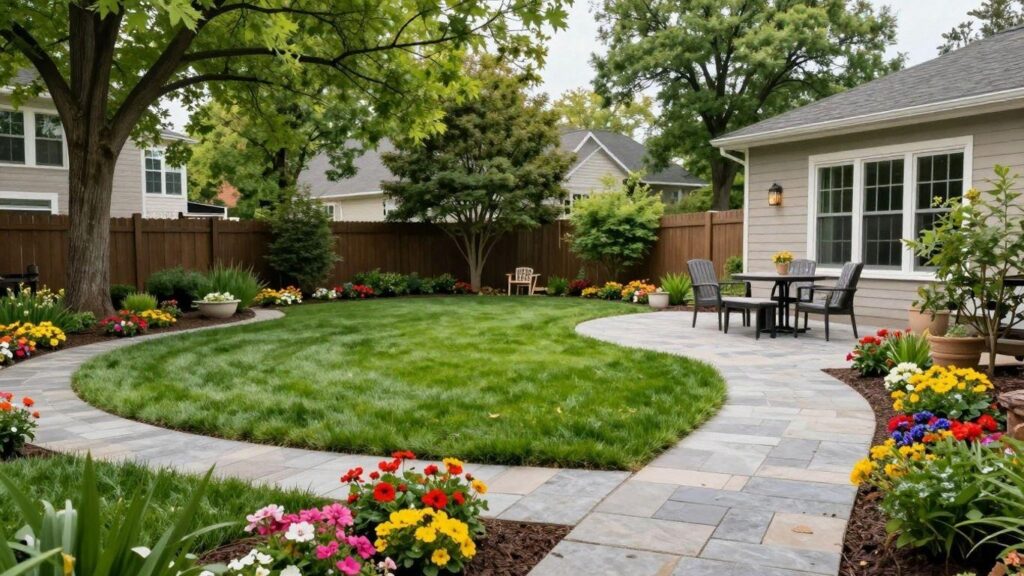
When looking for a landscaping company, checking their past work is a smart move. A good company will have a portfolio ready to show you. This isn’t just about pretty pictures; it’s about seeing the quality of their work firsthand. Look for details that matter to you. Do the plants look healthy? Are the hardscapes well-built? A strong portfolio for Kansas City landscaping services shows they can handle different styles and challenges.

Observing Well-Maintained Local Landscapes

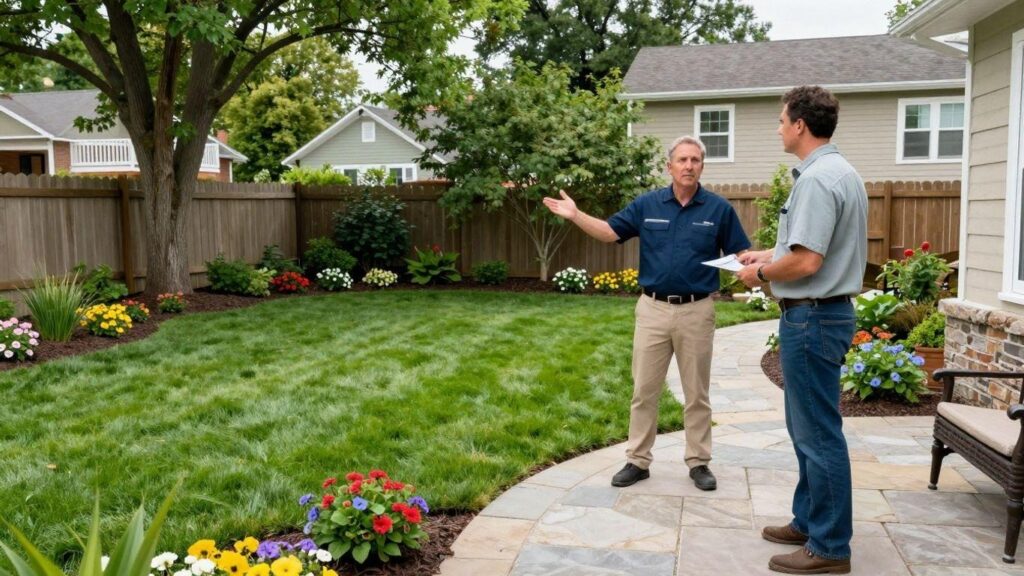
Sometimes, the best way to judge a landscaping service is to look around your own neighborhood. See any yards that really stand out? Chances are, a professional landscaping company is behind it. If you spot a property with great landscaping, try to find out who handles it. You might see a company truck or sign, or you could even ask the homeowner. This gives you a real-world look at what Kansas City landscaping services can do right in your area.

Examining Before and After Photos

Before and after photos are incredibly useful. They show the full transformation a property can undergo. Look at these images to see how a company tackles problem areas and what kind of improvements they make. A dramatic change in a before and after set often means the company has a good eye for design and the skills to execute it. It helps you visualize what could be done for your own yard.

Seeing a company’s past projects, both in their portfolio and in person around town, gives you a solid basis for comparison. It’s more reliable than just taking their word for it.

  • Look for consistency in quality.
  • Assess the variety of projects shown.
  • Consider if the style matches your preferences.

Understanding the Importance of Local Expertise

Considering Kansas City’s Unique Climate Challenges

Kansas City weather can be a real mixed bag. You’ve got scorching summers, then suddenly, harsh winters. A landscaping company that really knows this area understands how to pick plants that can handle both extremes. They know which ones will wilt in the July sun and which ones will snap in a February freeze. This local knowledge is key to a landscape that looks good year after year. It’s not just about pretty flowers; it’s about survival and thriving.
Evaluating Knowledge of Local Soil Conditions

Soil isn’t just dirt. It’s the foundation for everything you plant. Different parts of Kansas City have different soil types – some are clay-heavy, others are sandy. A good landscaper knows how to test your soil and amend it so your plants get the nutrients they need. They understand drainage issues that come with our heavy rains. This local expertise means they won’t just guess; they’ll know what your soil needs to support healthy growth. It saves a lot of time and money in the long run.

Prioritizing Native Plant Selection

Why fight nature when you can work with it? Landscapers familiar with Kansas City know which plants are native to this region. Native plants are already adapted to our climate and soil. They generally require less water, less fertilizer, and are more resistant to local pests and diseases. Choosing native plants is a smart move for a beautiful, low-maintenance yard. It also helps support local wildlife. A company that pushes for native plant selection shows they’re thinking long-term about your property and the environment.

Verifying the Credibility of Landscaping Professionals

When looking for landscaping services in Kansas City, it’s smart to check out who you’re hiring. You want a company that knows its stuff and won’t leave you with a mess.
Checking Credentials, Licensing, and Insurance

A licensed and insured landscaping company offers protection. This means they’ve met state requirements and carry insurance to cover any accidents. It’s a basic step that shows they’re serious about their business and your property. Always ask to see proof of their license and insurance before you sign anything.

Seeking Industry Certifications

Beyond basic licensing, look for professional certifications. Groups like the National Association of Landscape Professionals (NALP) offer certifications that show a landscaper has specific training and knowledge. These certifications aren’t just fancy titles; they indicate a commitment to quality work and staying up-to-date with best practices in the field. A certified professional often means a higher standard of service.

Assessing Experience and Longevity in the Field

How long has the company been around? A business that’s been operating for many years in the Kansas City area likely has a solid reputation and a good understanding of local conditions. They’ve probably seen a lot of different projects and know how to handle common issues. Ask about their history and look for signs of stability. A long track record is often a good indicator of reliability and customer satisfaction in landscaping.

Gathering Insights from Client Experiences

Reading Online Reviews and Testimonials

Checking what other people say online is a smart move. Websites and social media often have reviews from past clients. These reviews can tell you a lot about a company’s reliability and the quality of their work. Look for comments about how well they communicate and if they finish projects on time. Positive feedback on customer service is a good sign.

Requesting Client References

Don’t just rely on online comments. Ask landscaping companies for references from previous clients. Talking to these people directly gives you a more personal perspective. You can ask them about their experience, from the initial design to the final cleanup. This step helps you gauge their professionalism and how they handle challenges.

Understanding Customer Feedback on Communication and Reliability

When you talk to references or read reviews, pay close attention to comments about communication and reliability. Did the company keep the client informed? Did they show up when they said they would? A company that communicates well and is dependable makes the whole process smoother. This is key for any successful project, big or small. Understanding customer feedback on these points is vital when choosing Kansas City landscaping services.

Evaluating the Scope of Services Offered

When looking for Kansas City landscaping services, it’s smart to check what they actually do. Some companies focus on just one thing, like mowing lawns. Others can handle pretty much everything you might need for your yard, from the first drawing to keeping it looking good year after year. This is what we mean by the scope of services offered.

Determining if Full-Service Options Are Available

Think about what you want done. Do you need a whole new backyard design, or just someone to keep the grass cut? A full-service company can be a real time-saver. They handle design, building, and ongoing care. This means you don’t have to hire different people for each job. It makes the whole process simpler and usually leads to a more put-together result. Asking if they offer full-service options helps you see if they fit your needs without needing to find other contractors.

Assessing Expertise in Design, Installation, and Maintenance

It’s not just about offering many services; it’s about doing them well. A good landscaping company will have skilled people for each part of the job. They should know how to design a space that looks good and works for you. Their installation crews need to build things right, so patios don’t sink or fences don’t lean. And for maintenance, you want people who know how to keep plants healthy and lawns looking sharp. This expertise across the board is key to a great-looking property.

Considering Specialized Services Like Water Features or Hardscaping

Sometimes, a standard lawn and garden setup isn’t enough. Maybe you’re dreaming of a relaxing water feature, a sturdy retaining wall, or an outdoor kitchen. These are specialized areas. You’ll want to find a landscaping service that has experience with these kinds of projects. Hardscaping, for example, requires specific knowledge and skills to ensure it’s both beautiful and built to last. Asking about their experience with these specific services helps you find a company that can truly bring your vision to life.

Engaging in Clear and Open Communication

Asking Detailed Questions About Process and Timeline

When you’re looking for Kansas City landscaping services, don’t be afraid to ask a lot of questions. It’s important to understand how they work. Ask about their design process, from the first idea to the final plan. Find out what steps are involved and how long each part might take. This helps set realistic expectations for your project.

A good landscaping company will be happy to explain everything. They should be able to walk you through their typical project timeline, from initial consultation to project completion. This open communication builds trust and makes the whole experience smoother. Remember, clear communication is key to a successful landscaping project.

Discussing Warranties and Guarantees

Before you sign any contract, make sure you understand what kind of warranties or guarantees the company offers. This is a big part of protecting your investment. Ask about guarantees on plants, workmanship, and any ongoing maintenance plans. Knowing what’s covered if something goes wrong gives you peace of mind.

Different companies have different policies. Some might offer a one-year warranty on plants, while others might cover hardscaping for longer. It’s smart to get these details in writing. This way, you know exactly what to expect and what recourse you have if issues arise down the road.

Ensuring Realistic Expectations Are Set

It’s vital that both you and the landscaping service have the same vision for the project. Discuss your goals and budget openly. A professional service will be honest about what’s achievable within your timeframe and financial limits. They should also point out any potential challenges specific to your property or the Kansas City climate.

Be wary of companies that make promises that sound too good to be true. Realistic expectations mean a happier client and a better outcome. Open communication from the start prevents misunderstandings later on. This is where clear communication truly shines.

Here’s a quick checklist for your initial conversations:

  • What is your typical project timeline?
  • What warranties do you offer on plants and labor?
  • Can you provide examples of similar projects you’ve completed?
  • How do you handle unexpected issues or changes during the project?
  • What is your payment schedule?

Wrapping Up Your Search for a Kansas City Landscaper

Finding the right landscaping service in Kansas City doesn’t have to be a huge headache. By taking a little time to look around, check out what other people say, and ask some good questions, you can find a company that fits what you need. It’s about more than just making your yard look nice for a day; it’s about finding someone who can help keep it looking good and working well for your home for a long time. Don’t rush the process, and you’ll likely end up with a yard you’ll really enjoy.

5 Simple Steps on How to Be Better at Interior Design MintPalDecor

It starts with attention. Most homes in the United States already have good bones. The problem is that rooms often grow without direction. Furniture is bought at different times. Colors change from space to space. Storage is added only when things overflow. Over time the home stops feeling calm.

These steps are not theory based or trend driven. They come from real design practice and real homes. Each step builds on the last. Together they help you see your space more clearly and make better choices with confidence.

If you want to understand how to be better at interior design mintpaldecor in a way that feels realistic and usable, this article is for you. You will learn how to plan a room with purpose, how to choose colors that feel right long term, how to place furniture without crowding, how lighting changes everything, and how details finish a space without overdoing it. The goal is not perfection. The goal is a home that works for daily life and feels good to live in.

Understanding the role of interior design in everyday homes

5 Simple Steps on How to Be Better at Interior Design MintPalDecor

Interior design is not about impressing guests. It is about how a space supports daily habits. In American homes, rooms often serve more than one purpose. Living rooms become workspaces. Dining areas double as homework zones. Bedrooms act as storage rooms. When design ignores these realities, the space fails.

Knowing how to be better at interior design mintpaldecor starts with understanding function first. Design decisions should follow how people actually use the room. A couch that looks great but blocks movement creates stress. A beautiful table that has no nearby lighting becomes useless at night.

Good interior design improves flow. It makes walking through a room easy. It supports routines without effort. When storage is placed where clutter naturally collects, the room stays clean longer. When seating faces the right direction, conversation feels natural.

Many designers agree that balance matters more than decoration. That idea connects closely to what is often discussed in what is the most important thing in interior design mintpalment which emphasizes purpose before appearance. A room should solve problems quietly. When that happens, style follows naturally.

To be better at interior design mintpaldecor, stop thinking in terms of objects and start thinking in terms of use. That answer shapes every design choice that comes after.

Step one planning your space before buying anything

5 Simple Steps on How to Be Better at Interior Design MintPalDecor

Planning is the most skipped step in interior design. Many homeowners buy furniture first and then try to make it fit. This leads to crowded layouts and wasted money.

If your goal is how to be better at interior design mintpaldecor, planning must come first. Measure the room. Note window placement. Pay attention to doors and walkways. Observe how light moves during the day. These details decide what will work and what will not.

Without planning, these spaces can feel empty or chaotic. Furniture placement should define zones without blocking movement. A rug can anchor seating. A console table can separate areas without closing them off.

Professional designers often sketch layouts before purchasing anything. Homeowners can do the same with simple tools. Even rough drawings help avoid mistakes. Planning also helps prioritize spending. When you know what the room needs most, you avoid impulse buys.

This step connects closely with home upgrading mintpalmentbecause thoughtful planning prevents costly corrections later. When upgrades are intentional, they add value instead of clutter.

Planning does not remove creativity. It protects it. When the basics are clear, creative choices feel safer. This foundation makes it much easier to be better at interior design mintpaldecor over time.

Step two choosing colors that support the mood of the room

5 Simple Steps on How to Be Better at Interior Design MintPalDecor

Color affects emotion more than people realize. Learning how to be better at interior design mintpaldecor means learning restraint with color.

Many top design sources recommend starting with neutral tones. This does not mean boring. It means flexible. 

In American homes, lighting varies widely. Always test paint samples on multiple walls. Observe them morning and night.

Accent colors should support the mood of the room. Bedrooms benefit from softer tones. Living rooms can handle deeper shades if balanced well. Kitchens often feel cleaner with lighter palettes.

Color choices play a major role in home upgrades mintpalment because paint is one of the simplest upgrades with the biggest impact. Done right it refreshes the entire space without structural changes.

Being better at interior design mintpaldecor does not require bold color risks. It requires thoughtful choices that feel comfortable long term. When color supports daily life instead of dominating it, the room stays enjoyable.

Step three arranging furniture for flow and comfort

5 Simple Steps on How to Be Better at Interior Design MintPalDecor

Furniture placement decides how a room feels to move through. Poor placement causes frustration even if the furniture itself is high quality. This step is where many people struggle most when trying to learn how to be better at interior design mintpaldecor.

In a living room it is often seating and conversation. Furniture should face each other naturally. Avoid pushing everything against the walls unless the room is very small. Floating furniture often improves flow.

Clear pathways matter. People should move through a room without turning sideways or stepping around obstacles. Designers often leave at least three feet for walkways. This simple rule improves comfort instantly.

Scale is another key factor. Oversized furniture overwhelms smaller rooms. Undersized pieces disappear in large spaces. Measure before buying.

Furniture layout directly impacts home upgrading advice mintpalment since rearranging costs nothing and often solves major issues. Before replacing items try repositioning them. Many homes already have what they need but placed incorrectly.

To be better at interior design mintpaldecor focus on how the room supports movement and rest. When furniture feels easy to live with the room feels finished even without decoration.

Step four using lighting to shape the space

5 Simple Steps on How to Be Better at Interior Design MintPalDecor

In reality it shapes the entire experience of a room. Learning how to be better at interior design mintpaldecor requires understanding layered lighting.

Ambient lighting provides general brightness. Accent lighting adds depth and focus. Relying on only one light source flattens the room.

Natural light should be maximized when possible. Window treatments should allow flexibility. Sheer layers help during the day. Heavier curtains provide privacy at night.

In American homes overhead lighting is common but often harsh. Adding floor lamps or table lamps softens the space. Warm bulbs create a more inviting feel than cool tones in living areas.

Lighting upgrades are a smart part of home upgrading mintpalment because they improve both appearance and function. New fixtures or better bulb choices can change the mood instantly.

Interior design becomes more interesting when light creates contrast and comfort. This idea ties into why interior design is interesting mintpaldecorsince lighting shows how design affects emotion. Mastering light moves you closer to being better at interior design mintpaldecor without changing anything else.

Step five adding details that feel personal but restrained

5 Simple Steps on How to Be Better at Interior Design MintPalDecor

Details complete a space. They should never overwhelm it. Many homes struggle here because accessories are added without intention. To understand how to be better at interior design mintpaldecor, less often works better.

Start with meaningful items. Art that reflects personal taste. Objects collected over time. Books that are actually read. These details add character without forcing style.

Grouping items helps reduce visual noise. Odd numbers often feel balanced. Leave space around objects so they can breathe. Not every surface needs decoration.

Textures add depth without clutter. Natural materials like wood linen and ceramic bring warmth. Mixing textures keeps neutral rooms from feeling flat.

This approach aligns with interior decoration tips mintpaldecorwhich often emphasize editing over adding. Removing excess reveals what matters most.

Personal details should support the room’s purpose. A calm bedroom needs fewer visual distractions. A living room can carry more personality.

Being better at interior design mintpaldecor means knowing when to stop. When a room feels calm and functional it is done even if it looks simple.

How these steps work together in real homes

5 Simple Steps on How to Be Better at Interior Design MintPalDecor

Planning creates structure. Color supports mood. Furniture defines flow. Lighting shapes experience. Details add identity. Skipping one weakens the result.

Many top ranking interior design guides highlight these same principles but often overcomplicate them. The difference here is focus on lived experience. American households need practical design that adapts to real schedules and changing needs.

Homeowners who apply these steps often report less clutter and less frustration. Rooms stay organized longer. Decisions feel easier. The home becomes supportive instead of demanding.

Understanding how to be better at interior design mintpaldecor is not about copying magazine photos. It is about building awareness. Once these habits form design choices become natural.

Even small changes create noticeable improvements. Rearranging furniture. Adjusting lighting. Editing accessories. These actions cost little but deliver lasting impact.

Interior design works best when it serves people first. When spaces feel calm and useful they invite better living every day.

Final thoughts on improving interior design with confidence

5 Simple Steps on How to Be Better at Interior Design MintPalDecor

Interior design does not require perfection or constant updates. It requires attention and honesty about how a space is used. Learning how to be better at interior design mintpaldecor is a gradual process. Each improvement teaches something new.

The five steps shared here provide a clear path. They remove pressure and replace it with understanding. When design decisions support real life, homes feel better without trying too hard.

Confidence grows with practice. Over time you begin to see issues before they become problems. You stop buying things that do not serve the space. You trust your judgment.

Good interior design is quiet. When a home feels comfortable functional and personal, the design is working.

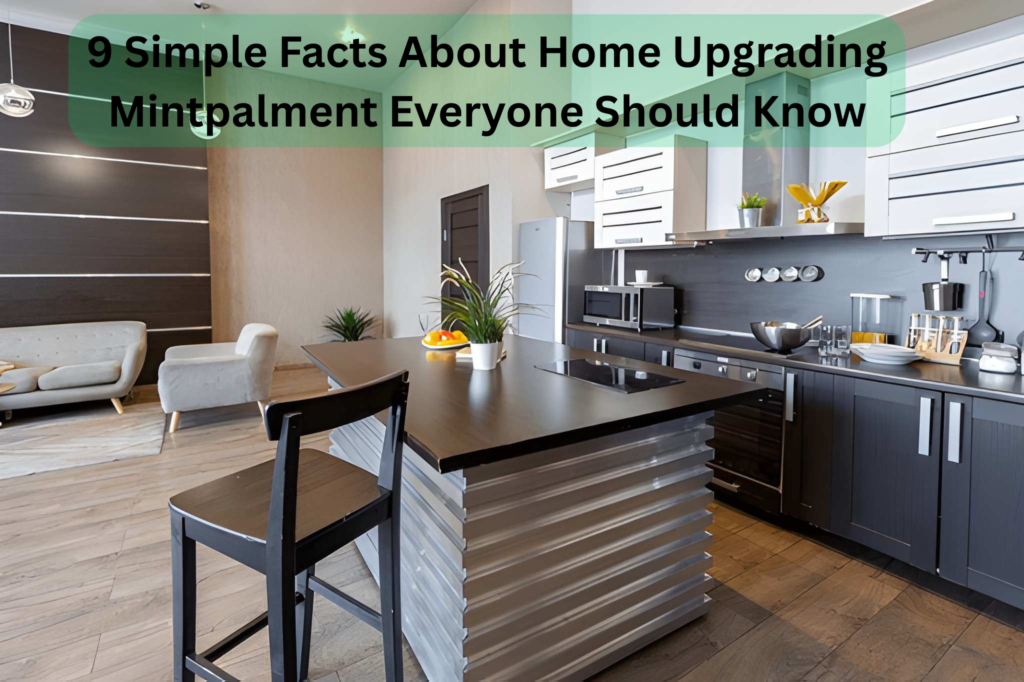
9 Simple Facts About Home Upgrading Mintpalment Everyone Should Know

A home is where daily life happens. People rest there. People eat, work, & spend time together with family. When a home feels calm and clean, life also feels easier. Many people believe home improvement is costly or confusing. This is not true.

Home upgrading mintpalment is about small steps. It is about creating the home better for daily use. It does not mean buying expensive items. It means using space in a smart way. This blog is written in very easy steps so anyone can understand it without effort.

1. Understanding Your Home Comes First

9 Simple Facts About Home Upgrading Mintpalment Everyone Should Know

Before making changes, it is important to understand your home. Every room has a role. Some rooms are for rest. Certain are for Certain. Some are for relatives. When a room is used in the wrong way, it feels uncomfortable.

Home upgrading mintpalment starts with looking carefully. Notice how you move inside the room. See which spaces feel tight or empty. Various houses already have sufficient space. The problem is poor use of that space. When you understand your home, you avoid wrong decisions. This saves time and effort.

2. Small Changes Improve Daily Living

9 Simple Facts About Home Upgrading Mintpalment Everyone Should Know

Many people think upgrades must be big. That is not true. Small changes often work better. Moving furniture can improve walking space. Changing lights can make a room brighter. Cleaning corners can make a room feel fresh.

That is why home upgrading mintpalment works in easy ways. A little difference brings relaxation without tension. People do not want to change all things at one time. Home upgrading mintpalment works best when changes support daily life and routines.

3. Comfort Matters More Than Style

9 Simple Facts About Home Upgrading Mintpalment Everyone Should Know

Individuals often ask, what is the most important thing in interior design mintpalment. The reply is relaxation. A space may look stylish, moreover if it feels uneasy, it is not successful. Furniture should feel easy to use. Lighting should not hurt the eyes. Colors should feel calm. Design should help people relax and move freely. Home upgrading mintpalment is successful when people feel comfortable in their own space.

4. Choose Upgrades That Last Longer

9 Simple Facts About Home Upgrading Mintpalment Everyone Should Know

Upgrading should be done with care. Items used every day should be strong and reliable. Weak items break fast and create stress. When following home upgrades mintpalment, it is better to choose fewer but better things. Simple designs stay useful for years. Neutral colors do not feel boring with time. Home upgrading mintpalment teaches long-term thinking instead of quick fixes.

5. Take Time and Upgrade Slowly

9 Simple Facts About Home Upgrading Mintpalment Everyone Should Know

Rushing causes mistakes. Many people buy items quickly and regret later. Slow upgrading gives better results. It allows you to understand each change. The best home upgrading advice mintpalment is to pause after each upgrade. Live with the change. Feel it. Then decide the next step. Home upgrading mintpalment becomes smooth when patience is part of the process.

6. Interior Design Improves With Practice

9 Simple Facts About Home Upgrading Mintpalment Everyone Should Know

Interior design is not only for experts. Anyone can learn it. It improves with observation and practice. Mistakes help learning. If you need to understand how to be better at interior design mintpaldecor, begin little. Try simple layouts. Notice how light and color work together. Learn from daily use. Home upgrading mintpalment feels easier when learning becomes part of the journey.

7. Interior Design Feels Personal and Enjoyable

9 Simple Facts About Home Upgrading Mintpalment Everyone Should Know

Various individuals say why interior design is interesting mintpaldecor. It is enjoyable because it is related to daily life. It shows personal taste and habits. A home reflects how people live. Simple homes can feel warm. Big homes can feel empty. Design helps create balance. Home upgrading mintpalment offers individuals to shape their room in a favorite way.

8. Clean Spaces Support Mental Peace

9 Simple Facts About Home Upgrading Mintpalment Everyone Should Know

Clean homes feel lighter. Messy spaces create stress. Cleaning is also a form of upgrading. It improves both space and mood. Removing unused items helps a lot. Open shelves and clear floors make rooms feel larger. Fresh air also improves comfort. Home upgrading mintpalment includes cleaning as a regular habit, not a one-time task.

9. Simple Decoration Creates Balance

9 Simple Facts About Home Upgrading Mintpalment Everyone Should Know

Decoration should not overpower a room. Too many items make spaces heavy. Simple decoration feels calm and natural. Good interior decoration tips mintpaldecor include balance and spacing. Items should be placed evenly. Natural light should be allowed inside. Colors should feel soft. Home upgrading mintpalment looks best when decoration feels effortless.

Making Home Upgrading a Daily Habit

9 Simple Facts About Home Upgrading Mintpalment Everyone Should Know

A home feels better when care becomes a daily habit. Small actions matter more than big plans. Cleaning a corner, fixing a loose handle, or arranging shelves helps improve comfort. These steps do not take much time. When done often, they keep the home fresh. People feel more relaxed in a space that is cared for daily. Stress feels lighter. Focus improves. 

A home should support daily routines, not disturb them. Home upgrading mintpalment works best when it becomes part of everyday life. Daily care prevents bigger problems later. It also decreases the required for expensive repairs. A habit of care builds comfort slowly. Over time, the home feels balanced, peaceful, and easy to live in.

Final Thoughts

9 Simple Facts About Home Upgrading Mintpalment Everyone Should Know

A good home supports daily life in simple ways. It helps people rest, focus, and feel safe. A home does not need luxury items to feel good; it needs care, balance, and smart thinking, which mintpaldecor focuses on through simple and practical ideas. Small changes can bring big comfort. Clean floors help movement. Soft light helps the eyes. Fresh air improves mood. Slow upgrades are always better.. 

Fast decisions often create regret later. Taking time helps people choose what really works. Home upgrading mintpalment is not a one-day job. It is a habit built with care. When people clean, fix, and arrange their space regularly, the home feels calm. A cared-for home gives peace. It supports daily routines. It makes life easier. It feels welcoming every single day.

Minimalism Is Losing Its Grip — Inside the Rise of Coastal Mexican Home Design

nterior design

For over a decade, minimalism dominated our definition of “good design.” Calm and clarity were promised by clean lines, sparse interiors and neutral palettes. However, this restraint has recently become emotionally thin. A new aesthetic is starting to gain traction in design discussions, particularly those driven by travel as well as second home living. This shift is being led by coastal Mexican home design, which provides a, texture, and warmth sense of place that minimalism oftentimes lost.

A Lifestyle Rooted in Ease and Openness

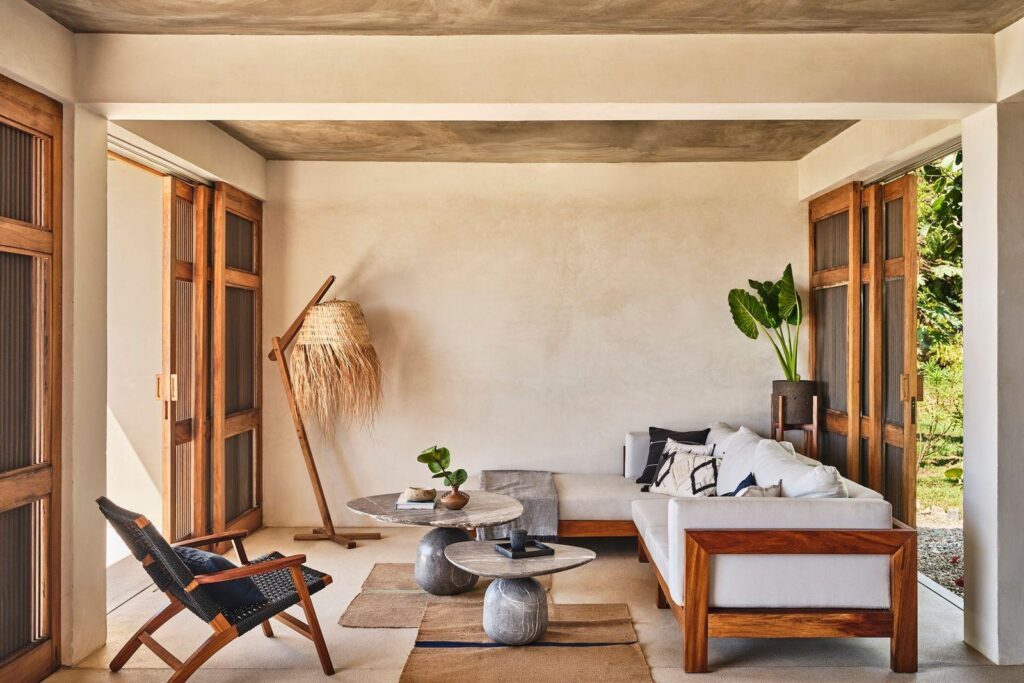
The architecture of coastal Mexican homes is based on the way people live, a quality that defines many puerto vallarta homes for sale today. Instead of separating inside and outdoors, these areas blur the line in between the two. Huge openings, shaded terraces and light-filled configurations encourage movement, interaction and communal meals. Houses are not staged to impress but designed to welcome.

This method reflects a slower pace of life. The afternoons last for a long time, the evenings bring people together, and spaces can easily transition from solitary mornings to bustling nights. Design becomes a tool for living well, rather than a collection of visual guidelines to maintain.

Materials That Age, Not Disappear

Material choice is among the most apparent deviations from minimalism. Surfaces in coastal Mexican interiors show time instead of concealing it. The appearance of limewashed walls softens as time passes, while the color of reclaimed wood intensifies with age as well as stone floors bear the marks of everyday life.

The materials are not polished to a flawless level. Rather, they encourage touch as well as use. Emptiness is substituted by texture. The rooms have a grounded feel and are not immaculate. In simple interior design, wear tells a story about the home—something a lot of minimalist interiors opted to ignore in favor of visual appeal.

Craft, Color, and the Return of Personality

Uniformity was favored by minimalism. Variation is welcomed in coastal Mexican design. Individuality is brought into every space through the use of handwoven textiles, ceramic vessels, carved wood furnishings as well as metal accents. No two rooms feel just alike, even inside the very same home.

Color returns, however softly. The faded blues, warm sands, clay reds as well as subtle greens complement the surrounding landscape instead of contrast with it. Interior designs that feel personal instead of planned are created by incorporating these palettes that feel lived in and emotionally resonant.

Why This Style is Influencing Buyers and Designers

Coastal homes have turned into benchmarks for a more balanced lifestyle as more individuals look past urban living. These principles are being adopted by designers for suburban homes and city apartments, bringing relaxed, warmth, and texture layouts.

This particular design philosophy is usually part of the lure for buyers who are looking for coastal properties, particularly PuertoVallarta homes for sale. The home is more than a building; it is an experience influenced by climate, culture as well as everyday customs.

Learning from the Source, Not Copying the Look

Working with professionals that know the region matters for readers who want to see this philosophy applied thoughtfully. An example would be NuHomeMexico, which concentrates on coastal qualities formed by local lifestyle and materials instead of surface trends. They are only mentioned as a reference point – not a centerpiece – because the bigger lesson is in the design mindset itself.

Minimalism isn’t going away completely, but its dominance is diminishing. In its place is a design language that enables houses to really feel hotter, more human, and profoundly linked to their environment. The design of coastal Mexican homes reminds us that comfort, feel, and lived experience aren’t obstacles to great design. They’re the point.

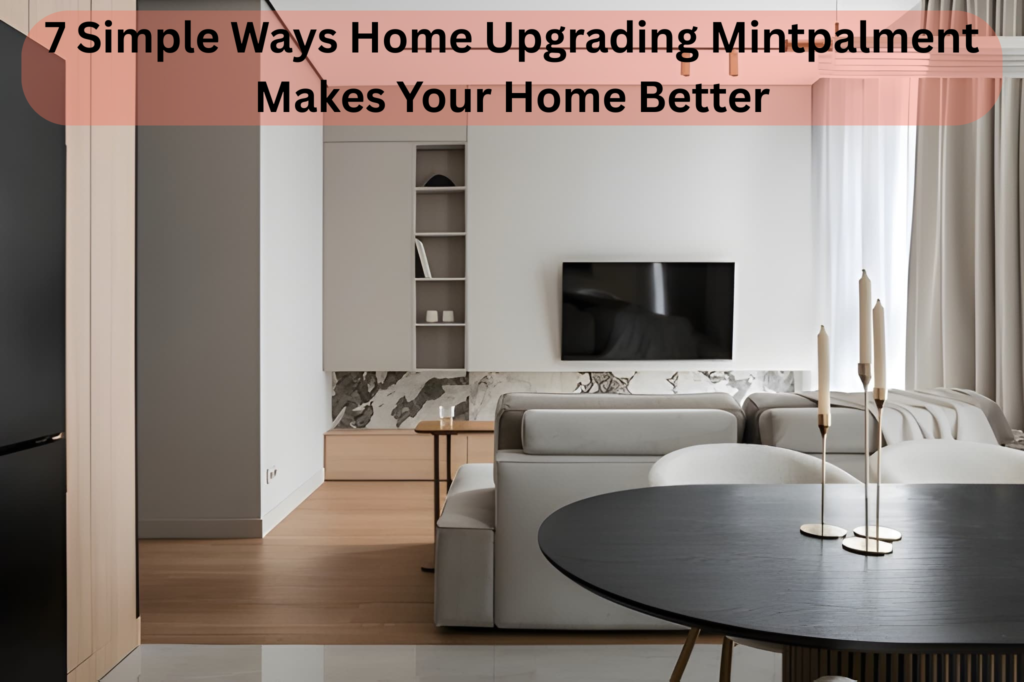
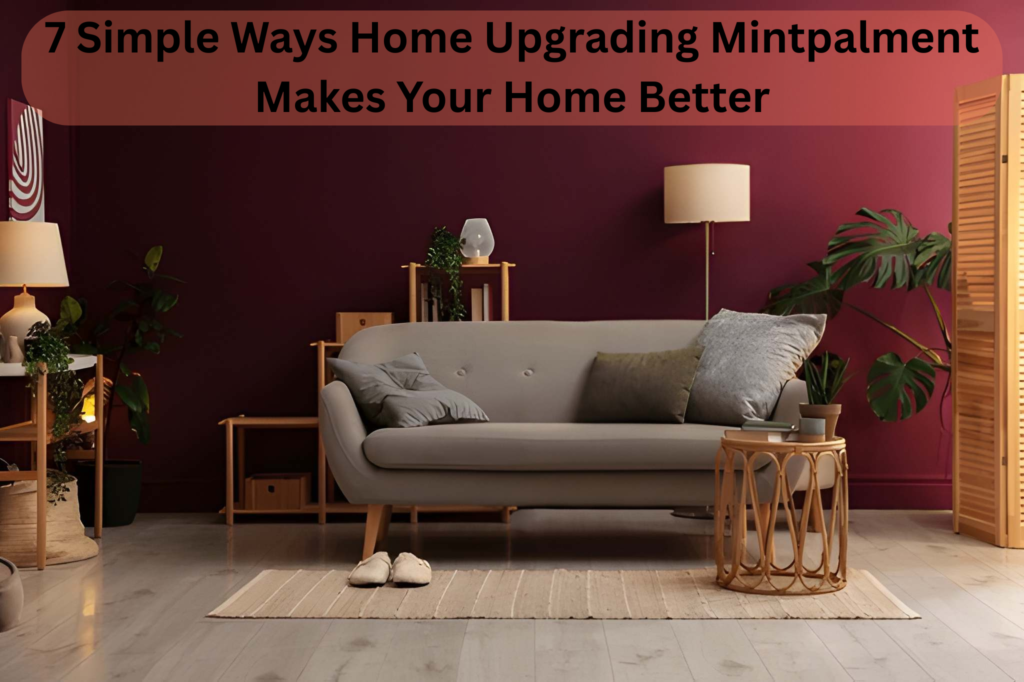
7 Simple Ways Home Upgrading Mintpalment Makes Your Home Better

A house is not just space ,& walls. It is an area where live happens. Small changes inside a home can bring big comfort, peace, and happiness. This is why home upgrading mintpalment matters so much today. It is not comfortable. It is about creating a house simple to live in.

When individuals hear the globe “upgrade,” they often feel it means a lot of cash. That is not true. Many upgrades are simple, low-cost, and very helpful. Even small steps can change how a home feels every day.

This blog explains home upgrades in a very easy way. The tips are practical. Anyone can understand and use them without stress.

Understanding the Real Meaning of Home Upgrades

7 Simple Ways Home Upgrading Mintpalment Makes Your Home Better

Home upgrading is not about trends. It is about comfort, safety, and daily ease. A good upgrade helps people move freely, feel relaxed, and stay organized. For example, better light in a room helps the eyes. Clean airflow helps health. Smart storage saves time. All these are part of home upgrading mintpalment, where small improvements bring long-term comfort. A house must help everyday life, not create it harder. When a space feels calm and useful, people feel better inside it.

Why Simple Changes Matter More Than Big Ones

7 Simple Ways Home Upgrading Mintpalment Makes Your Home Better

Big changes look nice, but small changes last longer. Moving a table, changing curtains, or adding light can change a room fully. These tips are best for houses of any size. One significant question various individuals tell is what is the most important thing in interior design mintpalment. The answer is simple: balance. A room should not feel full or empty. Everything should have space to breathe. Balance helps the mind feel calm. When a home is balanced, people sleep better, think better, and feel happier.

Light Is the Need of Every House

7 Simple Ways Home Upgrading Mintpalment Makes Your Home Better

Light is the best of the simple upgrades. Bright light keeps energy & lifts mood. Open curtains during the day. Use soft lights at night. Good lighting is a key part of home upgrading mintpalment because it changes how a room feels without touching walls or furniture. White bulbs work well for work areas. Warm lights feel better in bedrooms. These small choices improve daily life quietly.

Floors and Walls Set the Mood

7 Simple Ways Home Upgrading Mintpalment Makes Your Home Better

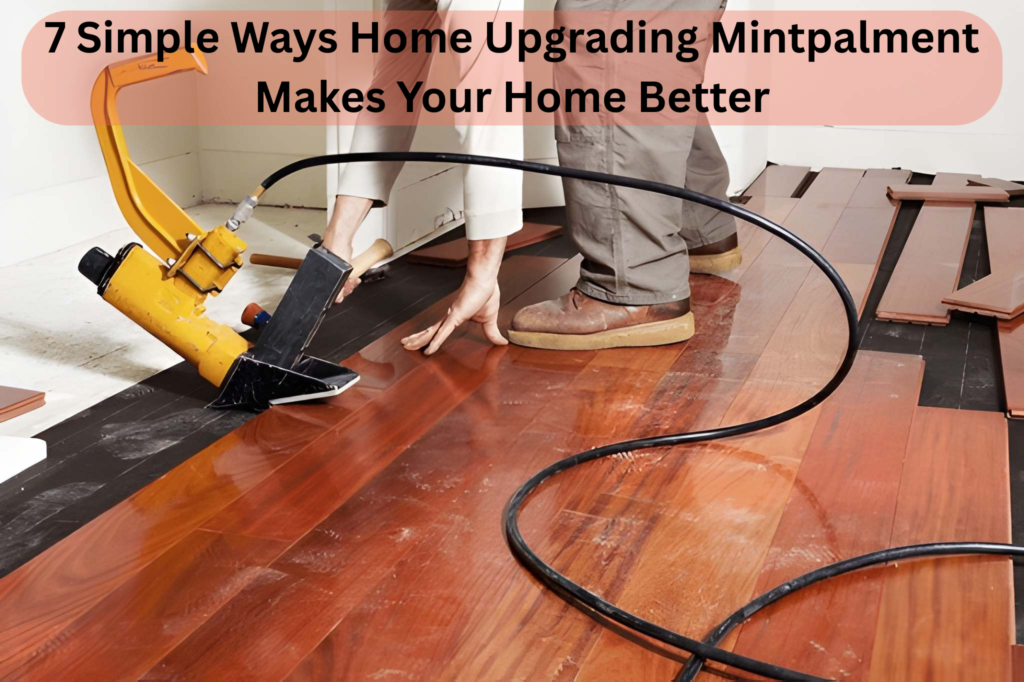
Walls and floors are always in front of us. Their colors and condition matter a lot. Clean walls with soft colors feel calm. Cracks or dark shades can make a space feel heavy. This is why many people start with home upgrades mintpalment like repainting walls or fixing tiles. These changes are simple but powerful. Soft colors reflect light better. Clean floors feel safe and fresh. These upgrades support comfort every single day.

Furniture Placement Can Change Everything

7 Simple Ways Home Upgrading Mintpalment Makes Your Home Better

Furniture does not need to be new. It only needs to be placed well. When furniture blocks walking paths, it causes stress. Good home upgrading advice mintpalment always starts with space. Leave room to move. Keep doors and windows clear. When people can move freely, they feel relaxed. This is one of the most human parts of home upgrading. It respects daily life.

Storage Helps the Mind Stay Calm

7 Simple Ways Home Upgrading Mintpalment Makes Your Home Better

Mess creates noise in the mind. Storage brings peace. Shelves, boxes, and baskets help keep things in place. Many designers at mintpaldecor believe storage is not about hiding things. It is about making life simple. When items have a home, people feel in control. Even one extra shelf can reduce daily stress. This is another reason home upgrading mintpalment is about smart thinking, not money.

Learning Improves Design Skills Slowly

7 Simple Ways Home Upgrading Mintpalment Makes Your Home Better

Interior design is not magic. It is a skill learned with time. Mistakes are part of learning. People often search for how to be better at interior design mintpaldecor because they want confidence. The best way is practice. Try small changes. Learn what feels right. With time, choices become easier. Confidence grows quietly, just like a well-designed home.

Why People Enjoy Interior Design So Much

7 Simple Ways Home Upgrading Mintpalment Makes Your Home Better

Design feels interesting because it mixes feelings and function. It is about beauty and comfort together. Many ask why interior design is interesting mintpaldecor. The reason is simple. It lets people shape their own space. It turns a house into a personal place. Every home tells a story. Design helps tell it clearly and kindly.

Small Decoration Tips That Really Work

7 Simple Ways Home Upgrading Mintpalment Makes Your Home Better

Decoration does not mean filling space. It means choosing wisely. One plant. One painting. One soft rug. Simple interior decoration tips mintpaldecor focus on feeling, not show. Choose items that make you smile. Avoid clutter. Decoration should support daily life, not distract from it. This idea fits perfectly with home upgrading mintpalment goals.

Safety Is Also a Home Upgrade

7 Simple Ways Home Upgrading Mintpalment Makes Your Home Better

Upgrades are not only about looks. Safety matters too. Fix loose wires. Repair broken steps. Use non-slip mats. A safe home allows people to live freely without fear. These upgrades protect everyone, especially children and elders. True home upgrading mintpalment always cares about people first.

Long-Term Comfort Comes From Smart Choices

7 Simple Ways Home Upgrading Mintpalment Makes Your Home Better

Trends change fast. Comfort stays longer. Choose materials that last. Pick designs that feel natural. When homes are upgraded with care, they age well. They remain useful and peaceful for years. This is why experts focus on balance, light, safety, and space again and again.

Final Thoughts: A Better Home Starts With Care

7 Simple Ways Home Upgrading Mintpalment Makes Your Home Better

A better home does not come from big spending. It comes from small, smart choices made with care. Every home is different, and every family has its own needs. That is why home upgrading should feel easy, not stressful. Simple changes like better light, clean space, safe flooring, and good storage can improve daily life. 

These upgrades help people feel calm, comfortable, and happy inside their homes. You do not need to follow trends or copy others. Listen to your space and improve it step by step. When a home supports daily routines and brings peace, it becomes a better place to live. True home upgrading is about comfort, balance, and long-term ease for everyone.

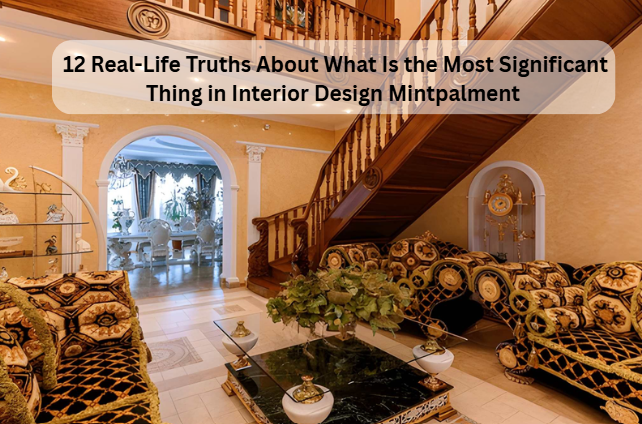
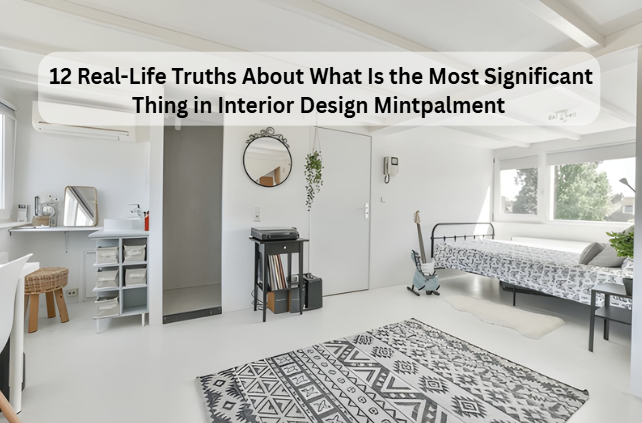
12 Real-Life Truths About What Is the Most Significant Thing in Interior Design Mintpalment

Various individuals think interior layout is only about beauty. Some believe it is about furniture, while others think color matters most. However when individuals tell what is the most important thing in interior design mintpalment, the best reply is much better. Interior design is about daily life. It is about how a space makes you feel when you wake up, sit, walk, or rest. A good interior does not shout. It quietly supports comfort, ease, and peace. You do not need luxury to create a good space. You need understanding, balance, and patience.

1. Knowing Your Space Changes Everything

Each space has a purpose. Before decor, it is significant to know how the room is used. Look at the room size, shape, and light. Understanding how individuals move inside it. A space must allow simple walking & sitting. Too much furniture can make it feel heavy.

This is why themost important thing in interior design mintpalment often begins with room awareness. When space is respected, the room feels open and calm. Even small homes feel better when space is not forced. Empty space gives the eyes and mind a break.

2. Comfort Is More Important Than Trends

Trends come and go. Comfort stays. A chair that looks good but hurts your back is not useful. A bedroom that appears beautiful but disturbs sleep is not the best layout. Interior design should support the body.

Many people forget this while decorating. However, what is the most important thing in interior design mintpalment is comfortable that best each day. A home is not made for photos. It is made for living. Comfortable spaces reduce stress and improve mood without effort.

3. Light Creates Mood and Balance

Bright has the best effect on how a space feels. Natural light brings freshness and energy. Dark rooms often feel sad or heavy. Windows should stay open during the day. Curtains should allow sunlight to enter.

At night, soft lighting works best. Very bright lights can feel harsh. Lamps and warm bulbs create a peaceful feeling. What is the most important thing in interior design mintpalment including simple because beautiful affects emotions, focus, & rest. A simple room with good lighting always feels better.

4. Colors Should Calm the Mind

Colors talk to the mind. Loud colors can make people feel tired. Soft colors help people relax. Beautiful colors bring balance & clarity. Light shades are trendy used in little amounts.

Walls must supporting calm thinking. You can add shades through cushions, carpet, and art. Many people rush color choices and regret later. what is the most important thing in interior design mintpalment is selecting shades that suit the space purpose, not fashion.

5. Function Keeps a Home Organized

A beautiful room that does not work well creates stress. Storage is very important. When things have no place, rooms look messy. Shelves, drawers, and cupboards help keep order.

Furniture should not block doors or walkways. Daily movement should feel easy. what is the most important thing in interior design mintpalment is function before decoration. When a room works well, it automatically feels peaceful and controlled.

6. Learning From Small Home Improvements

Interior design improves with learning. Small changes teach big lessons. Reading about home upgrades mintpalment helps people understand how simple upgrades improve comfort. These ideas focus on daily life, not luxury. Slow learning builds confidence. You don’t want to change all thing at once. Interior design grows step by step when knowledge increases.

7. Good Advice Prevents Mistakes

Many mistakes happen because of rushed decisions. Following home upgrading advice mintpalment helps avoid confusion and wasted money. Thoughtful advice helps people understand what works and what does not. Interior design is not guessing. It is planned. Learning from experience makes future choices easier and smarter.

8. Inspiration Helps the Mind Visualize

Sometimes people know what they want but cannot explain it. Visual inspiration helps. Platforms like mintpaldecor help people see balance, spacing, and color harmony. Seeing real spaces builds understanding. Inspiration does not mean copying. It means learning how elements work together.

9. Upgrading Slowly Brings Better Results

Fast changes often lead to regret. Slow and steady home upgrading mintpalment allows time to think and adjust. Living in a space helps identify real needs. Interior design should grow with life. Small changes over time feel more natural and lasting.

10. Skills Improve With Practice

Interior design is a skill, not a natural gift. Understanding how to be better at interior design mintpaldecor assist individuals create best choices. With practice, confidence grows slowly and naturally. Each decision teaches a small lesson about space, color, or comfort. Mistakes are normal and helpful. They show what works and what does not. With time and patience, skills improve and design choices become easier.

11. Interest Makes Design Enjoyable

When people understand why interior design is interesting mintpaldecor, they enjoy the process more. Interior design is creative problem-solving. It mixes comfort, function, and beauty. Interest keeps people patient and curious. Enjoyment leads to better results.

12. Small Tips Create Big Change

Simple interior decoration tips mintpaldecor help improve a space without pressure or stress. Small changes like moving furniture, adjusting lights, or choosing softer colors can change how a room feels. You do not need big plans or costly items. Even minor updates make a home feel fresh and comfortable. Interior layout is not concerning adding much things. It is about making better choices that support daily life.

Conclusion

So, what is the most important thing in interior design mintpalment is not single rule. It is balance. It is comfort, function, light, and honesty working together. A good interior supports daily life quietly. It does not try to impress. It tries to care. When design decisions are simple and thoughtful, the home feels peaceful. Interior layout is not about perfectionist. It is about feeling correct, all single day.

A Practical Guide to Upgrading Windows and Doors for Comfort, Efficiency, and Long-Term Value

Windows

Windows and doors do more than frame a view or match your exterior style. They control drafts, indoor comfort, noise, and even how hard your HVAC system has to work. If your home feels chilly near the glass in winter, too warm in certain rooms in summer, or you constantly wipe condensation off the inside of panes, your openings are sending you signals.

If you are researching options and want a clear sense of what a proper upgrade process looks like, this page about Professional Window Replacement Services in Woodbridge is a helpful reference point for understanding typical replacement considerations without needing to treat it like a sales pitch. Use it as a checklist for what you should expect from any reputable provider.

Below is a homeowner-friendly framework to help you choose improvements that actually move the needle on comfort and performance, not just appearance.

Start with the symptoms, not the style

A lot of people begin with “I want black frames” or “I want bigger glass,” but the best upgrades start with what your home is doing today. Walk room by room and note:

  • Drafts near frames or sills (often tied to air leakage, worn weatherstripping, or poor installation details)
  • Cold glass and uncomfortable “radiant chill” when you sit nearby
  • Condensation or frost on the interior during cold snaps
  • Sticking doors, hard-to-lock handles, or rubbing sashes
  • Outdoor noise that feels louder than it should

These symptoms help narrow the solution. For example, condensation might point to high indoor humidity, a thermal bridge, or failed sealed units, not simply “old windows.”

Understand performance basics that matter in real life

Product labels can feel like alphabet soup, so focus on the few factors that influence comfort in a Canadian climate.

Glass package (double vs triple pane):
Triple-pane glass can noticeably improve comfort near windows in winter, especially in bedrooms and north-facing rooms. Double pane can still perform well, but the best choice depends on exposure, room use, and budget.

Low-E coatings and gas fills:
Low-E coatings reduce heat transfer through the glass. Gas fills (often argon) slow down conductive heat loss. Together, they can reduce cold spots and help maintain steadier indoor temperatures.

Air leakage:
Even great glass will underperform if air sneaks around the frame. A tight unit with good sealing and correct installation often feels “quieter” and more comfortable because drafts disappear.

Spacer technology:
The edge of glass is a common weak point. Better spacers can reduce the risk of cold-edge condensation and improve durability.

If you remember one thing, make it this: the best window on paper can still disappoint if it is installed poorly.

Pay special attention to doors because they fail differently

Doors take more abuse than windows. They are opened, closed, kicked by slush-covered boots, baked by sun, and slammed by wind. When doors underperform, you often notice it as:

  • A cold draft at the bottom
  • Light visible around the weatherstripping
  • A deadbolt that suddenly misaligns
  • Water staining near the threshold

For entry doors, prioritize a strong core, a well-designed threshold, and quality weatherstripping. For patio doors, focus on smooth operation, reliable locks, and proper water management at the sill. Many comfort complaints come from the bottom 2 inches of a door system, not the slab itself.

Installation quality is where comfort is won or lost

Homeowners often compare frame materials and glass options while overlooking the bigger driver of satisfaction: the install details. A solid installation should address:

Air sealing:
A continuous air seal around the opening helps stop drafts. This is not just about stuffing insulation into gaps. The goal is controlled, durable sealing that does not shrink or crack over time.

Insulation around the frame:
Proper insulation reduces cold spots and helps prevent condensation risk at the perimeter.

Water management:
Good installs manage water like a roof does: assume water can get in, then provide a path for it to get out safely. Flashing and sill details matter, especially in wind-driven rain.

Interior finishing:
Neat trim is nice, but it is also a chance to confirm that gaps are sealed, corners are tight, and the opening is stable.

If you are comparing quotes, ask what steps are taken to address air sealing and water management, not just what brand is being installed.

Choose upgrades strategically with a “comfort map”

Not every opening has equal impact. A smart approach is to prioritize:

  1. Rooms you use the most (living room, primary bedroom, kitchen)
  2. Problem exposures (north-facing cold rooms, west-facing overheating)
  3. Openings with visible moisture issues (condensation, staining, deteriorating sills)
  4. Main entry and patio doors (security, drafts, daily use)

This way, even if you phase the project, each step delivers a noticeable improvement.

Condensation is a clue, so treat it like one

Interior condensation is common during cold weather, but it should not be ignored. It can signal:

  • High indoor humidity from showers, cooking, or humidifiers
  • Weak insulation at the window edge or frame
  • Poor airflow near the glass due to heavy drapes or blocked vents
  • Sealed unit failure (fogging between panes is the giveaway)

A window upgrade can reduce condensation risk by improving surface temperatures, but it will not fix an oversized humidifier or consistently high indoor moisture on its own. Pair upgrades with practical habits like using bath fans, running range hoods, and keeping air moving near the glass.

Sound control is more than “thicker glass”

If road noise or neighbours are your main complaint, look beyond triple pane as a catch-all solution. Effective sound control often comes from a combination of:

  • Better air sealing (gaps leak sound as much as air)
  • Laminated glass options in key rooms
  • Slightly different glass thicknesses to disrupt vibration patterns
  • Upgraded door seals and thresholds

Noise reduction is very noticeable when air leakage is reduced, so again, installation and sealing details carry a lot of weight.

Security and daily usability should be part of the decision

Windows and doors influence how secure your home feels, but also how smoothly it functions. Consider:

  • Multi-point locks for patio doors when appropriate
  • Hardware that feels solid and aligns easily
  • Night latches and secure strike plates for entry doors
  • Egress requirements for bedrooms if you are changing sizes or styles

Usability matters. A window that is hard to open will not get used for ventilation, and a sticky patio door will eventually get forced, which shortens its life.

Make maintenance easy for future you

The best upgrade is the one you can live with easily. Before you commit, think about:

  • How you will clean exterior glass on upper floors
  • Whether the window style suits your ventilation habits
  • How resistant the finish is to fading on sunny exposures
  • What the warranty covers for hardware and sealed units

Small choices here reduce frustration for years.

A simple checklist before you sign anything

Use this as a practical wrap-up:

  • Do you know which rooms and exposures matter most for comfort?
  • Are you comparing real performance factors, not just frame material?
  • Have you asked how air sealing and water management will be handled?
  • Do doors include a plan for thresholds, weatherstripping, and alignment?
  • Have condensation and humidity been considered, not ignored?
  • Is the project scoped to reduce risk, especially if you are phasing upgrades?

When windows and doors are chosen with the home’s symptoms in mind and installed with care, the payoff is immediate: fewer drafts, more even temperatures, quieter rooms, and a home that simply feels easier to live in.

Elevating Everyday Living: Thoughtful Home Renovation Strategies

Home Renovation

In the heart of every Canadian home lies a story waiting to be rewritten. Whether it’s the creak of an aging floorboard or the dim glow of an outdated fixture, our living spaces whisper reminders of time’s passage. Yet, with a surge in homeowners choosing to invest in their current properties rather than chase new listings, renovations have become more than mere updates. They are acts of intention, transforming houses into havens that reflect our evolving lives. As families grow, work-from-home setups persist, and sustainability takes center stage, the call for smarter, more meaningful home improvements grows louder. This guide dives into strategies that not only refresh your space but also enhance its functionality and joy for years to come.

Kitchens often serve as the bustling core of family life, where meals are shared and memories forged. When embarking on updates here, turning to trusted kitchen remodeling professionals ensures that your vision aligns seamlessly with practical execution, blending aesthetics with enduring quality.

Mastering the Art of Planning

Effective home renovations begin long before the first hammer swings. Start with a clear vision: What pains your current layout? Is it the cramped hallway that bottlenecks morning rushes or the underutilized corner begging for purpose? Sketch rough ideas or use free digital tools to map out possibilities. Involve your household early; a shared wishlist prevents mid-project regrets.

Budgeting demands honesty. Allocate 10 to 20 percent as a contingency for surprises like hidden wiring issues. Prioritize high-impact areas: A fresh coat of paint can cost under $500 yet yield a 100 percent return in perceived value, while structural changes like opening walls might run $2,000 to $5,000 but redefine flow. Track expenses with simple apps that categorize spends, keeping you grounded amid the excitement.

Permits and codes are non-negotiable, especially in provinces with stringent building standards. Consult local bylaws via municipal websites to avoid fines that could derail your timeline. For instance, electrical upgrades must comply with the Canadian Electrical Code, ensuring safety without excess cost.

Embracing Sustainable Choices

Sustainability isn’t a buzzword; it’s a blueprint for resilient living. With Canada’s commitment to net-zero emissions by 2050, eco-friendly renovations reduce your carbon footprint while trimming utility bills. Opt for low-VOC paints that emit fewer toxins, improving indoor air quality for allergy-prone families. Reclaimed wood for flooring or cabinetry adds character and diverts waste from landfills, often at competitive prices through local salvage yards.

Energy efficiency pays dividends. Insulate attics and walls with blown-in cellulose, which boasts an R-value up to 3.7 per inch, far surpassing traditional fiberglass. Pair this with Energy Star-rated windows, which can slash heating costs by 12 percent in colder climates. Solar-ready roofing, even if not fully installed now, future-proofs your home against rising energy prices.

Water conservation matters too. Low-flow fixtures in bathrooms cut usage by 30 percent without sacrificing pressure. Native landscaping around entryways minimizes irrigation needs, fostering biodiversity in urban yards. These choices not only align with federal incentives like the Canada Greener Homes Grant but also appeal to eco-conscious buyers if you ever sell.

Recent data underscores this shift: In 2024, renovations accounted for 56 percent of all residential investment in Canada, totaling $103 billion, outpacing new construction as homeowners prioritize upgrades over relocations. This trend reflects a broader “renovate rather than relocate” mindset, with projections for 2025 estimating $61 billion in spending, supporting over 526,000 jobs nationwide.

Integrating Smart Technology

Gone are the days of static homes. Smart integrations elevate renovations from cosmetic to connective. Nestled thermostats learn your routines, adjusting temperatures to save up to 15 percent on energy. Voice-activated lighting systems, like Philips Hue, allow dimming via app or command, fostering ambiance for quiet evenings.

In living areas, consider built-in charging stations disguised as sleek outlets, eliminating cord clutter. Home theaters with recessed speakers and motorized screens turn spare rooms into cinematic retreats, ideal for movie nights under Canadian winters. Security upgrades, such as ring doorbells with motion alerts, provide peace of mind without invasive overhauls.

For multi-level homes, smart elevators or stair assists cater to aging-in-place needs, a growing priority as baby boomers settle into forever homes. These tech touches, starting at $200 per fixture, blend invisibly into designs, enhancing usability without overwhelming budgets.

Blending Indoor and Outdoor Realms

The line between inside and out blurs in thoughtful renovations, especially in Canada’s varied climates. Expand patios with weather-resistant composite decking that withstands freeze-thaw cycles, creating seamless transitions from kitchen sliders to al fresco dining. Vertical gardens on exterior walls purify air and soften urban facades, using drought-tolerant perennials suited to regional hardiness zones.

Interior courtyards or sunrooms, glazed with triple-pane glass, invite natural light year-round while buffering against drafts. In prairie provinces, earth-sheltered designs bury walls partially for thermal mass, stabilizing temperatures naturally. These extensions boost square footage affordably, often under $150 per square foot, and foster wellness through biophilic connections.

Boosting Functionality in Key Spaces

Tailor renovations to daily rhythms. Bedrooms benefit from custom built-ins: Murphy beds fold away for dual-purpose guest rooms, maximizing floor space in compact bungalows. Closets with pull-out organizers streamline mornings, reducing stress in fast-paced households.

Home offices demand acoustic panels to dampen echoes, paired with ergonomic heights for video calls. Kitchens thrive on ergonomic triangles, positioning sink, stove, and fridge within efficient loops. Bathrooms evolve with heated floors and rain showers, turning routines into rituals.

For growing families, flexible zones shine. Movable partitions in great rooms adapt from play areas to study nooks, using lightweight frosted glass for privacy without isolation. These adaptations ensure spaces scale with life stages, from toddler chaos to teen independence.

Navigating Challenges with Grace

Renovations test patience, but foresight smooths the path. Dust containment with plastic sheeting and air purifiers preserves health during demo phases. Communicate timelines with neighbors to maintain goodwill, particularly in close-knit communities.

Hire vetted tradespeople through references or licensed directories, verifying insurance to shield against liabilities. Phased approaches, like tackling one floor at a time, minimize disruption, allowing normalcy amid progress.

Emotionally, view the mess as metamorphosis. Journal progress photos to celebrate milestones, reinforcing that temporary chaos yields lasting harmony.

The Lasting Rewards

Home renovations transcend bricks and mortar; they sculpt sanctuaries that nurture body, mind, and spirit. By planning meticulously, choosing sustainably, weaving in tech, and honoring flow, you craft environments that evolve with you. In a nation where 94 percent of homeowners plan to stay put, investing in these upgrades isn’t just wise—it’s transformative. Your home becomes a testament to intention, a space where comfort meets creativity.

As seasons shift and needs change, revisit your design with fresh eyes. Perhaps that unused attic calls for conversion, or the backyard yearns for a fire pit oasis. Whatever the spark, embrace it. In doing so, you not only elevate your living but enrich the legacy of your home.